

Seeing a healthy balance in your rental property's bank account can feel reassuring. Rent payments are coming in, bills are getting paid, and there's still money left over.
But here's something many landlords overlook: having money in your bank account doesn't necessarily mean your rental property is profitable.
Your bank balance tells you how much cash is available at a particular moment. It doesn't tell you how much your property has actually earned, what expenses belong to the period, or whether your investment is performing well.
Understanding this difference is essential for making smarter financial decisions and avoiding costly surprises.
Your bank balance shows the amount of money currently sitting in your account.
It includes cash that has entered the account and subtracts payments that have cleared. However, it doesn't explain where that money came from or whether it represents actual rental income.
For example, your bank balance might include:
Not all these funds are profits.
A $15,000 bank balance doesn't mean your rental property generated $15,000 in profit. Some of that money may be reserved for upcoming expenses, belong to tenants, or come from borrowed funds.
That's why relying on your bank balance alone can create a misleading picture of your property's financial health.
Two important financial measurements every landlord should understand are profit and cash flow.
Rental property profit generally measures income minus expenses recognized during a particular period. Accounting profit can include noncash expenses such as depreciation, depending on the reporting method.
Cash flow measures the actual movement of money into and out of your rental property.
These numbers can be different because not every cash transaction counts as income or an expense on your profit and loss statement.
For example:
A property can show positive accounting profit while experiencing negative cash flow. The reverse can also happen.
Understanding both numbers helps you determine whether your investment is financially sustainable.
Imagine you own a rental property generating $2,500 in monthly rental income.
Here's what happens during a typical month.
In this example, the property generates $1,100 in profit before depreciation and taxes, but only $600 in cash flow.
The $500 difference comes from mortgage principal repayment.
That payment reduces your cash balance, but it also reduces your loan balance and builds equity.
And if your bank account already contained $8,000 at the beginning of the month, the ending balance would be $8,600, assuming no other transactions.
Three different numbers. Three different meanings.
That's why your ending bank balance should never be treated as your rental property's monthly profit.
Security deposits are another common reason landlords overestimate their available profits.
When a tenant pays a $2,000 security deposit, your bank balance may increase by $2,000.
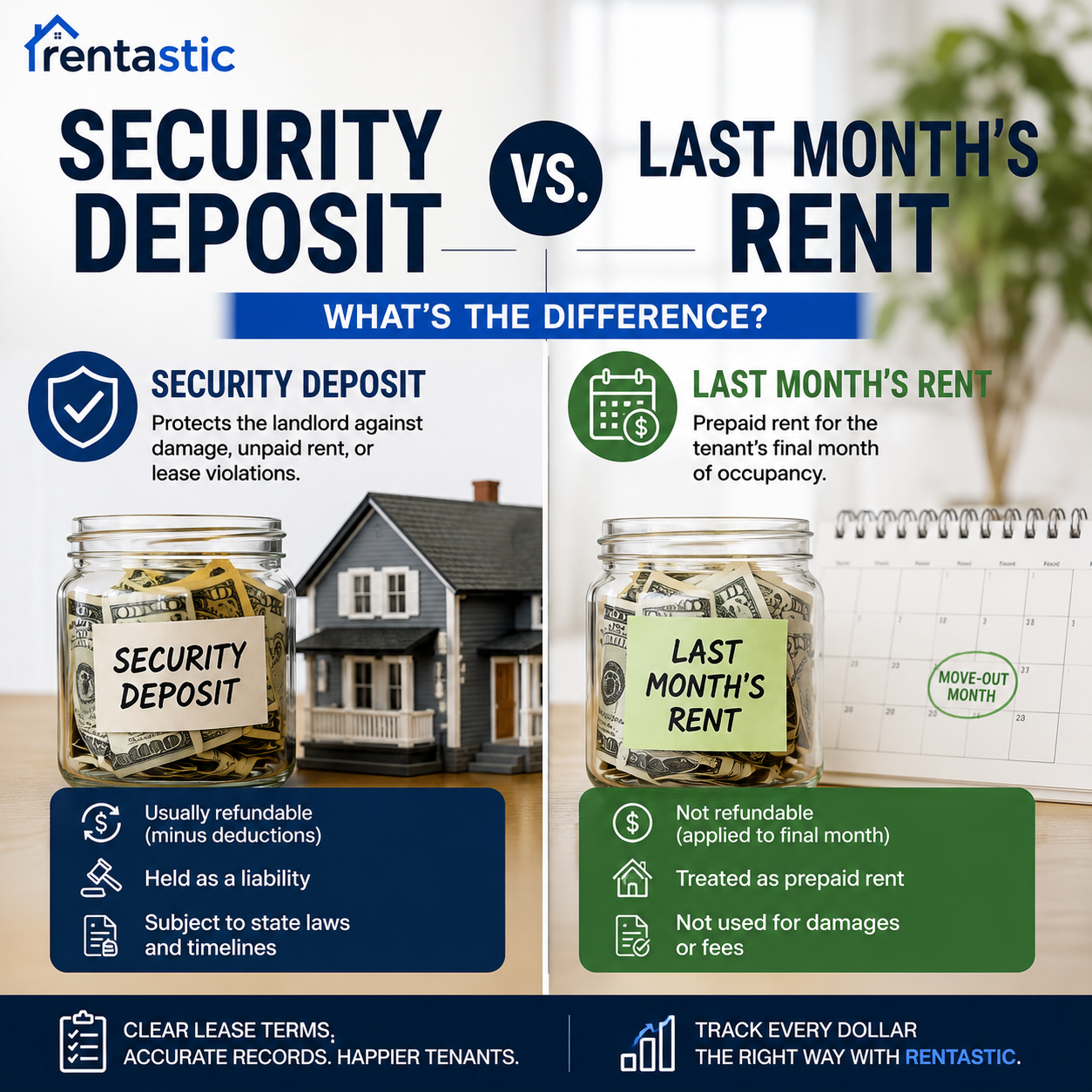
However, a refundable security deposit is generally a liability—not rental income.
That money may need to be returned when the tenant moves out, subject to the lease and applicable laws.
If you treat the deposit as profit, you risk spending money that doesn't actually belong to you.
The smarter approach: Track refundable security deposits separately from rental income and follow your state's requirements for holding tenant deposits.
Rental property expenses don't always occur evenly throughout the year.
You might go several months without major repairs, then suddenly need to replace an HVAC system, repair a roof, or address an unexpected plumbing problem.
This can make your bank balance fluctuate dramatically.
For example, you might generate positive monthly cash flow throughout the year but spend $7,000 on a major property improvement in one month.
Your cash balance would fall, but the improvement may need to be capitalized and depreciated rather than deducted entirely as a current expense.
This is why reviewing only one month's bank activity can lead to incorrect conclusions.
Landlords should evaluate financial performance over several months and consider both recurring expenses and major capital expenditures.
One of the biggest risks of relying on your bank balance is assuming all available cash can be spent.
Imagine your rental property has $10,000 in the bank.
That might seem like plenty of money until you remember that several expenses are approaching:
Even though those bills haven't been paid yet, they still affect how much cash you should consider available.
A healthy bank balance today doesn't guarantee healthy cash flow tomorrow.
Setting aside reserves for predictable and unexpected expenses helps prevent temporary cash shortages.
Instead of checking only your bank balance, review a few important financial measurements regularly.
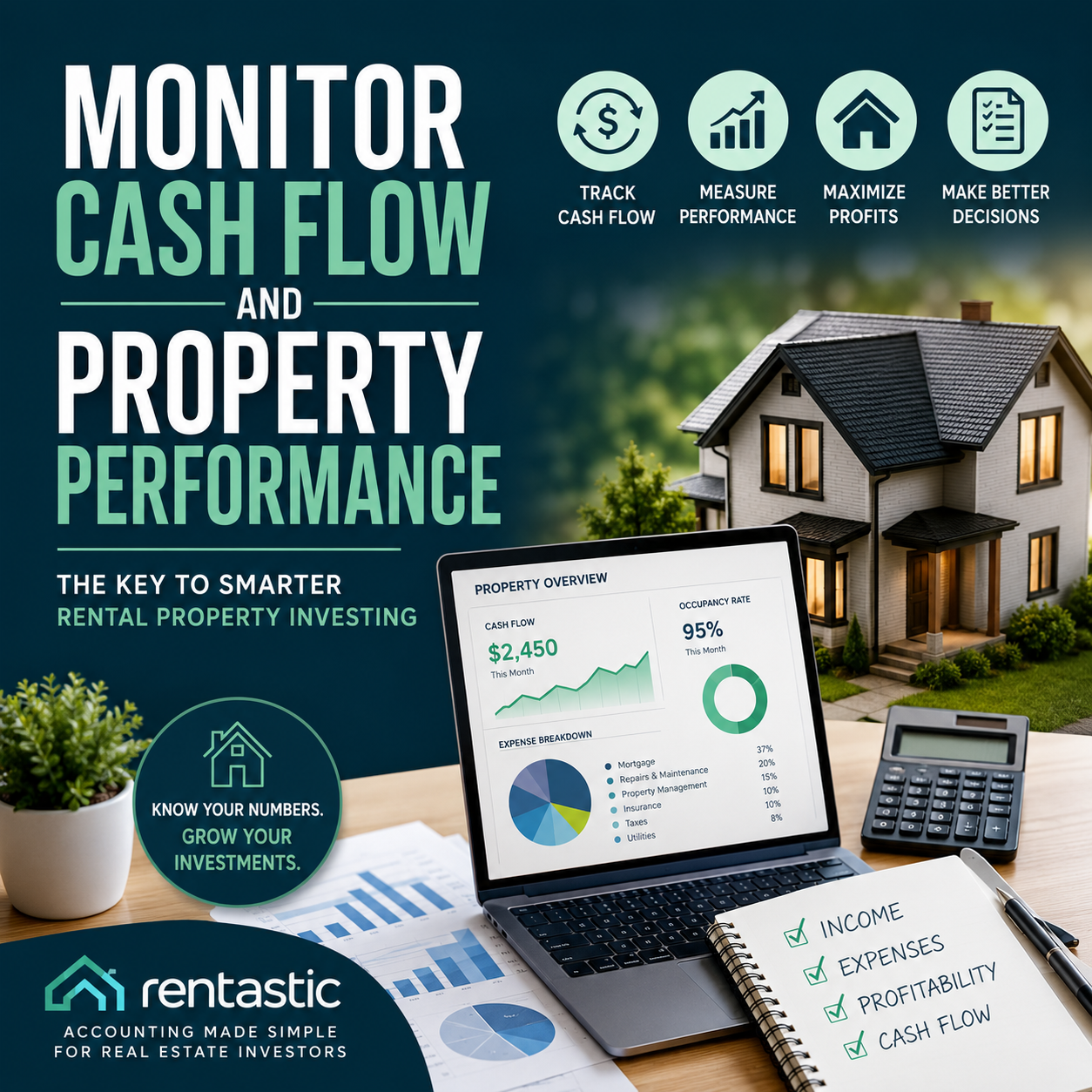
Net operating income measures rental income minus operating expenses, excluding financing costs, income taxes, depreciation, and amortization.
It helps you understand how the property performs before considering its financing structure.
Cash flow shows how much money remains after actual cash expenses and debt payments.
It helps you determine whether the property can support itself without requiring additional personal funds.
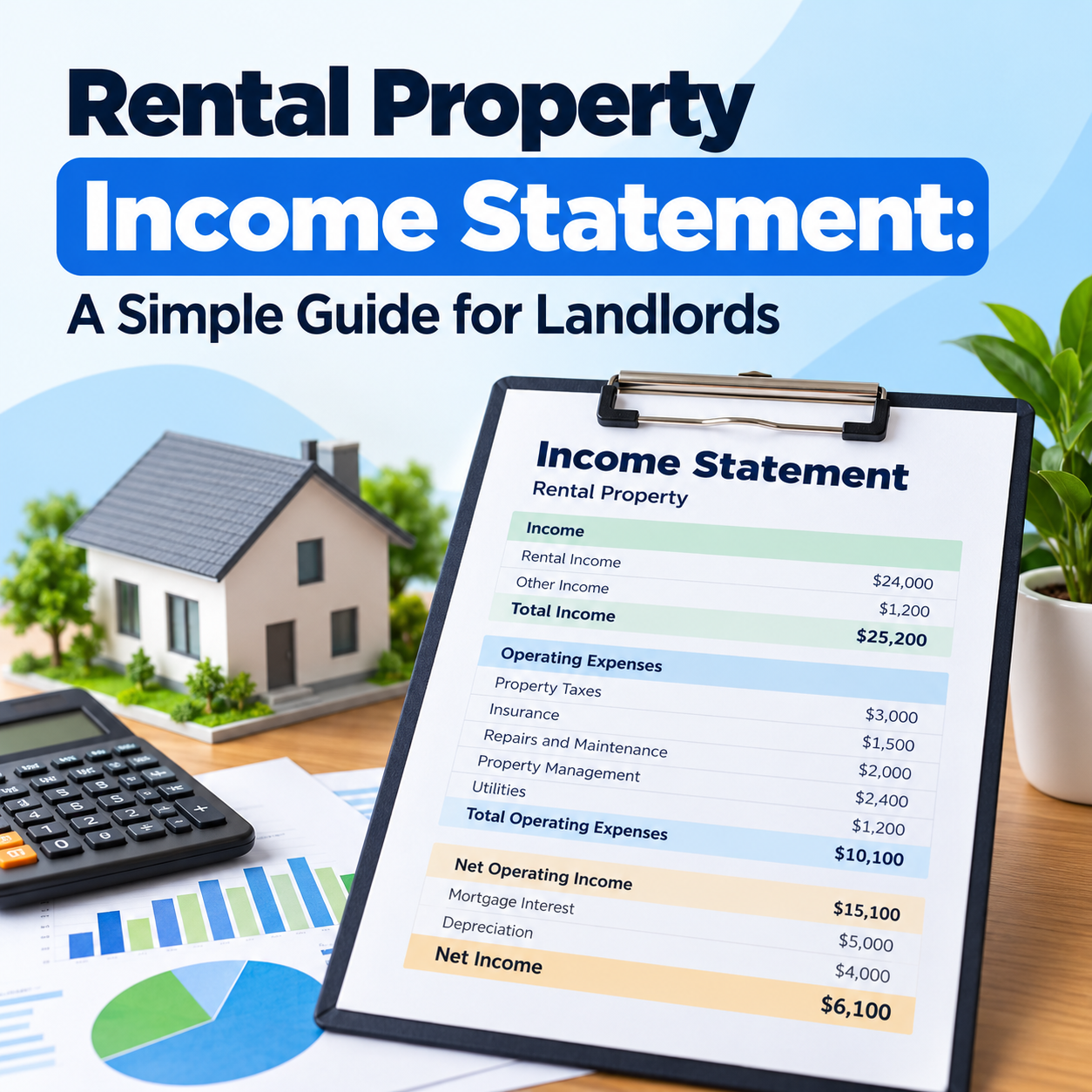
A profit and loss statement organizes income and expenses over a selected period.
It helps you identify spending patterns, compare financial performance, and understand where your rental income is going.
Cash reserves represent money set aside for future expenses, emergencies, and vacancies.
Tracking reserves separately helps prevent you from mistaking available cash for spendable profit.
By reviewing these measurements together, you can build a much clearer picture of your rental property's financial performance.
If you own multiple rental properties, relying on one shared bank balance can be even more misleading.
Imagine one property generates $900 in monthly cash flow while another loses $400.
Your combined cash flow is still positive at $500.
But that doesn't mean both properties are performing well.
Without property-level tracking, an underperforming rental can remain hidden behind stronger investments.
Tracking income and expenses separately for each property helps you identify which rentals are generating returns and which ones need attention.
It also makes it easier to evaluate maintenance costs, compare property performance, and make informed decisions about rent adjustments or future investments.
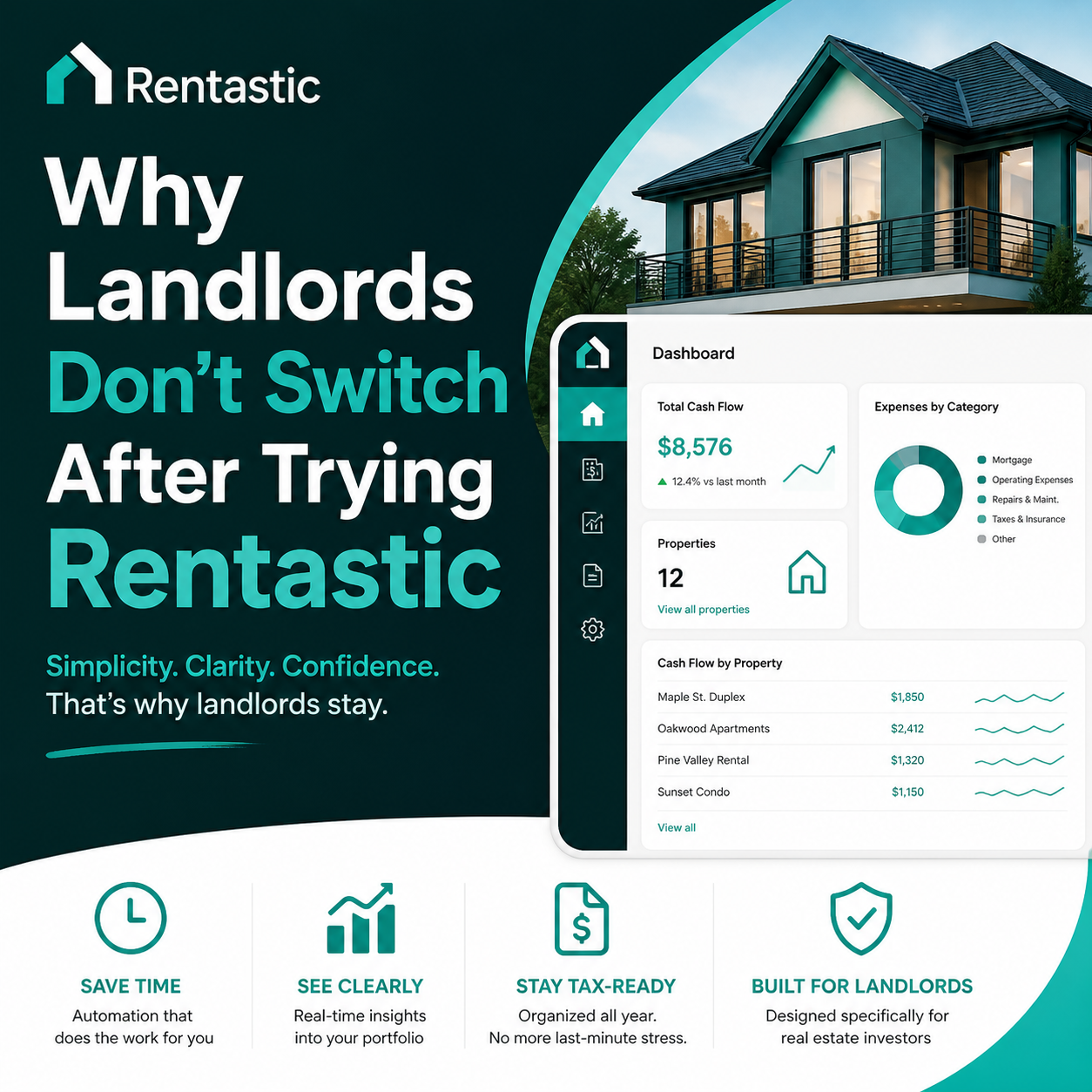
Manually separating bank transactions, rental income, operating expenses, and property-level cash flow can become complicated—especially as your portfolio grows.
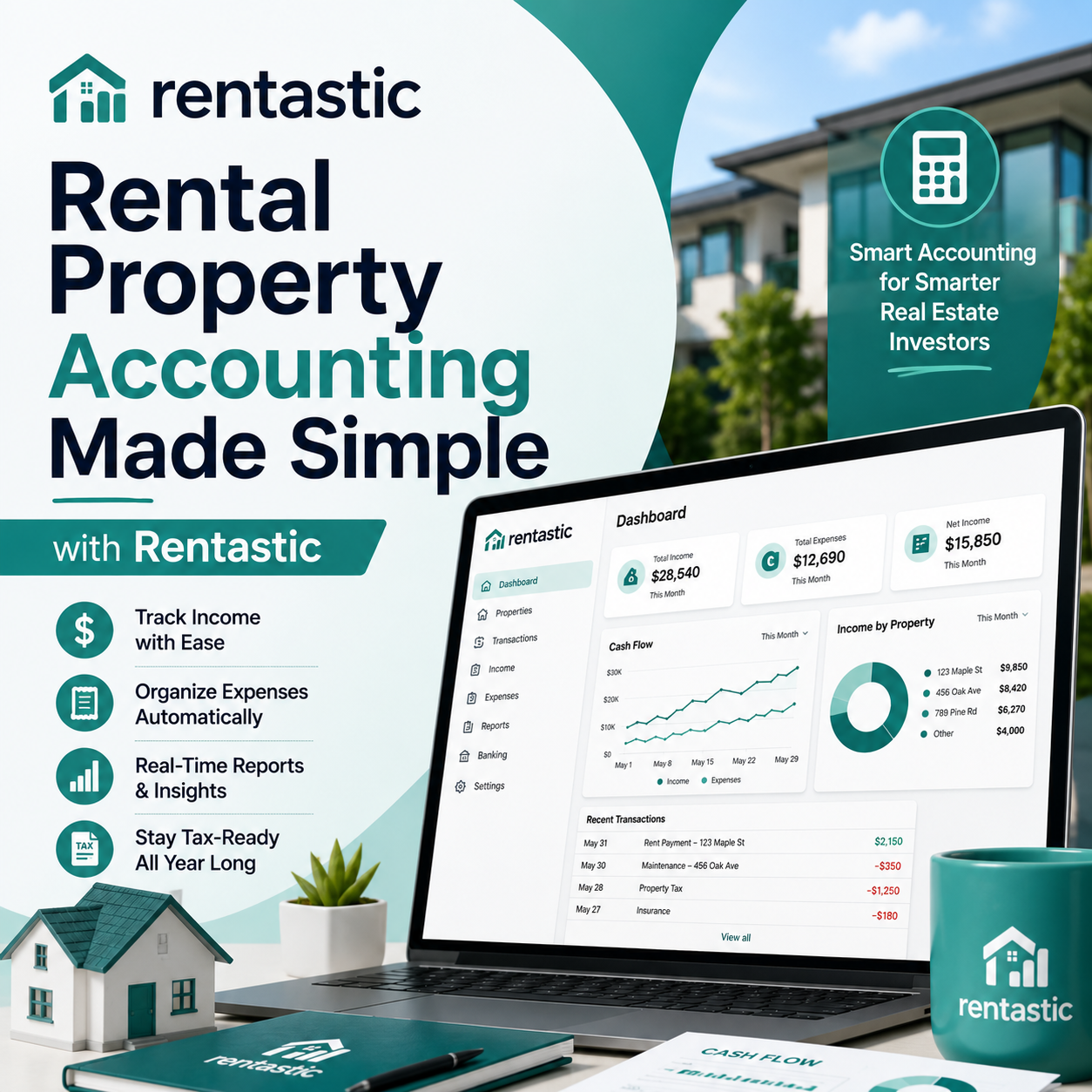
That's where Rentastic can help.
Rentastic is designed to simplify rental property financial tracking by helping landlords:
Instead of guessing whether your rental properties are making money, you can review organized financial data and make more informed decisions.
Take Control of Your Rental Property Finances
Your bank balance tells you how much cash you have. Rentastic helps you understand the income and expenses behind your rental property's performance.
Your rental property's bank balance is important, but it's only one piece of your financial picture.
A high balance doesn't automatically mean your property is profitable, just as a temporarily low balance doesn't necessarily mean your investment is failing.
What matters is understanding where your money comes from, where it goes, and how much your property actually earns over time.
By tracking rental income, expenses, cash flow, and profitability separately, you can avoid misleading assumptions and make better financial decisions.
Remember: Your bank balance shows the money you have. Your financial reports help explain how your rental property is performing.
RECENT POSTS


© 2025 Rentastic
Rentastic is registered as a trademark. Terms and conditions, features, support, pricing, and service options subject to change without notice.



































































Comments