

Learn how to measure rental property debt, recognize the warning signs of overleveraging, and maintain healthy cash flow as your portfolio grows.
Debt can be a powerful tool for real estate investors. It allows landlords to purchase properties, expand their portfolios, and build wealth without paying the full purchase price upfront.
However, too much debt can quickly turn a profitable rental portfolio into a financial burden.
Even when your properties generate consistent rental income, high mortgage payments, rising expenses, and unexpected vacancies can put significant pressure on your finances.
So, how much debt is too much for a rental property portfolio?
The answer depends on your rental income, cash flow, property values, and ability to handle financial setbacks.
Here's how to determine whether your rental portfolio carries a healthy amount of debt.
Rental property debt includes mortgages, home equity loans, lines of credit, and other financing used to purchase or improve investment properties.
Not all debt is bad. Responsible borrowing can help investors grow their portfolios faster.
For example, instead of purchasing one $300,000 rental property entirely with cash, an investor might use that money as down payments on multiple properties.
This strategy, known as leverage, allows investors to control more real estate with less upfront capital.
However, leverage works both ways.
When property values increase and rental income remains strong, borrowing can improve investment returns. But when expenses rise or rental income drops, high debt levels can magnify losses.
The goal isn't necessarily to eliminate debt. It's to maintain a level of debt your rental portfolio can comfortably support.
There isn't a universal maximum amount of debt for rental property investors.
Instead, landlords should evaluate how much debt they carry relative to their property values and rental income.
Two important financial metrics can help.
The loan-to-value ratio measures how much of your portfolio's value is financed through debt.
Formula:
LTV = (Total Mortgage Debt ÷ Total Property Value) × 100
For example, suppose your rental portfolio is worth $1,000,000 and you owe $650,000 in mortgages.
Your LTV would be 65%.
This means 65% of your portfolio's value is financed through debt, while the remaining 35% represents equity.
As a general planning guideline, an LTV below 50% represents relatively low leverage, while 50% to 65% indicates moderate leverage. Above 75% may expose investors to greater financial risk.
These aren't universal thresholds. A portfolio with higher leverage can still perform well if it generates strong cash flow and maintains sufficient reserves.
The Debt Service Coverage Ratio measures whether your rental income can comfortably cover your mortgage payments.
Formula:
DSCR = Net Operating Income ÷ Annual Debt Payments
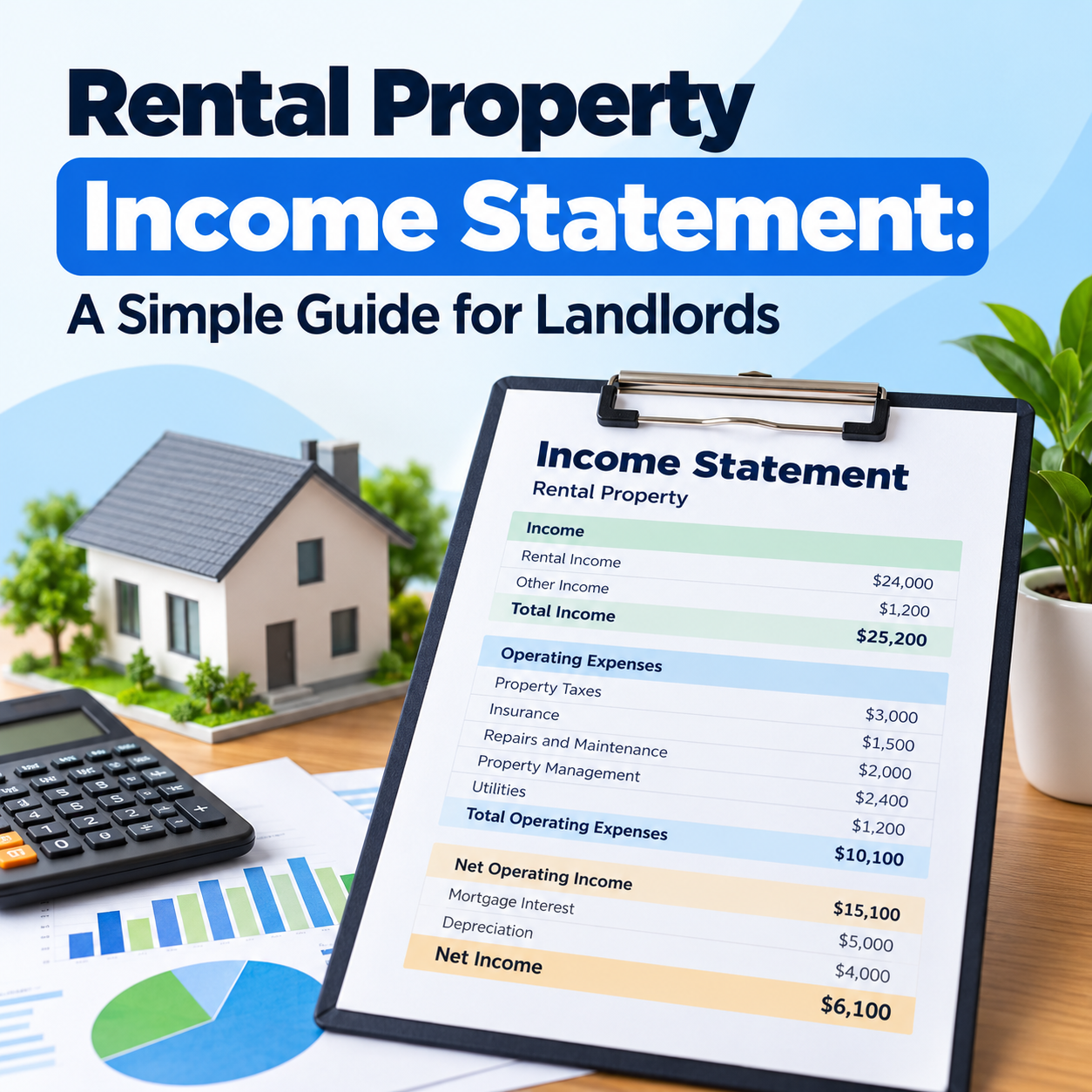
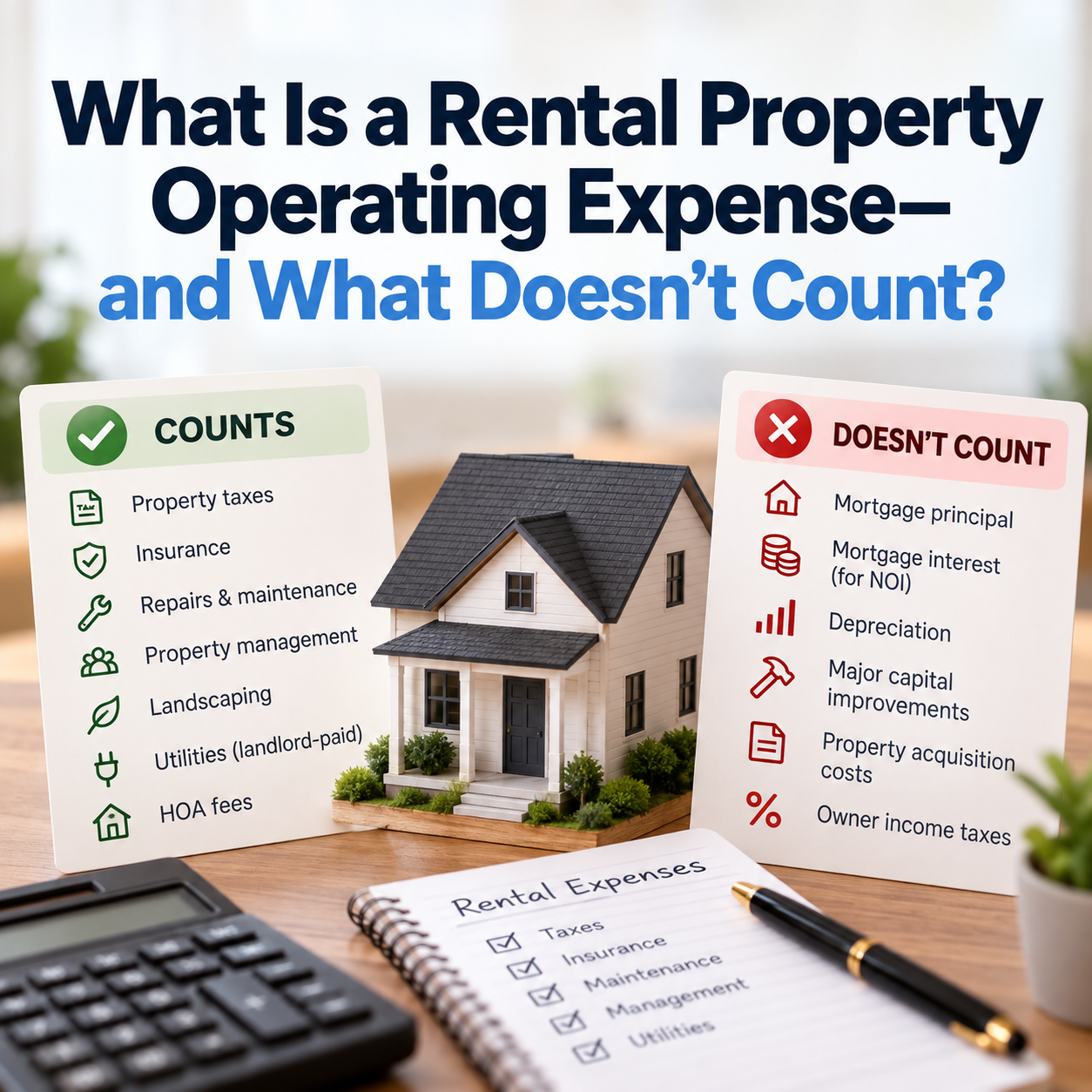
Net Operating Income (NOI) is rental income minus operating expenses, before mortgage payments, income taxes, and depreciation.
For example, if your portfolio generates $90,000 in annual NOI and requires $72,000 in annual mortgage payments:
$90,000 ÷ $72,000 = 1.25 DSCR
This means your portfolio generates $1.25 in operating income for every $1 of mortgage payments.
A DSCR below 1.0 means your operating income isn't enough to cover debt payments. A ratio of 1.25 or higher generally provides a healthier cushion, although lending requirements and investment risks vary.
Even if you're currently making mortgage payments on time, your portfolio could still be overleveraged.
Here are some warning signs.
Your mortgage payments consume most of your rental income. If very little money remains after covering operating expenses and debt payments, your portfolio may struggle with unexpected costs.
You're using personal savings to cover rental expenses. Occasionally contributing personal funds isn't necessarily a problem, but consistently relying on outside income to cover routine expenses may indicate excessive debt.
One vacancy creates financial stress. If losing a tenant makes it difficult to cover mortgages across your portfolio, your financial cushion may be too small.
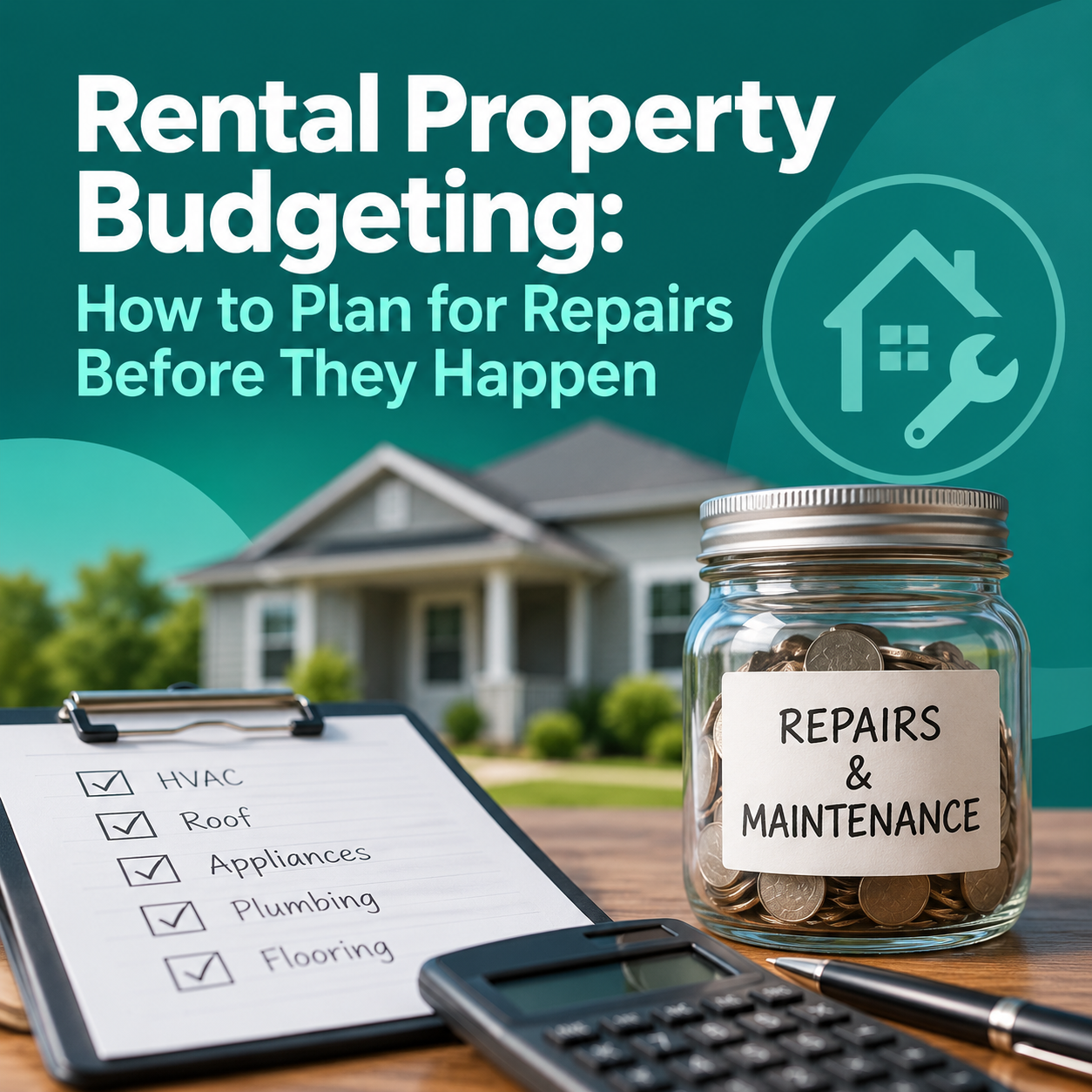
You don't have enough money for major repairs. Roof replacements, HVAC repairs, and plumbing emergencies can quickly become expensive. High debt payments may leave you without sufficient reserves.
You're borrowing money to cover existing payments. Taking on additional debt just to meet routine mortgage obligations can be a serious sign of financial trouble.
Recognizing these warning signs early can help prevent larger financial problems.
Having a large mortgage balance doesn't automatically mean your portfolio is financially unhealthy.
What matters is whether your properties generate enough income to support that debt.
Consider two investors who each owe $800,000 in mortgages.
Investor A generates $120,000 in annual net operating income and pays $80,000 annually toward mortgages. That leaves $40,000 before income taxes, capital expenditures, and other non-operating cash needs.
Investor B generates only $85,000 in annual net operating income while making the same $80,000 in mortgage payments.
Although both investors carry identical debt balances, Investor A has significantly more financial flexibility.
Investor B has only $5,000 remaining annually after debt payments, making the portfolio much more vulnerable to vacancies or unexpected repairs.
A healthy rental portfolio isn't necessarily the one with the least debt. It's the one that can reliably support its debt while maintaining positive cash flow.
Cash reserves are especially important when managing multiple rental properties with mortgages.
Even profitable properties can experience temporary vacancies, delayed rent payments, or unexpected maintenance costs.
A commonly used starting guideline is to maintain three to six months of essential property expenses, including mortgage payments, taxes, insurance, and routine operating costs.
For example, if your rental portfolio requires $12,000 per month to cover essential expenses, maintaining six months of reserves would mean setting aside approximately $72,000.
Investors with older properties, variable-rate mortgages, higher leverage, or less predictable rental income may need larger reserves.
Having sufficient cash available can help you avoid borrowing additional money whenever unexpected expenses arise.
As your rental portfolio grows, you'll eventually face an important decision.
Should you use extra cash to pay down existing mortgages or purchase another investment property?
Paying down debt can reduce interest expenses, increase equity, and lower financial risk. However, making extra principal payments doesn't automatically reduce your required monthly mortgage payment unless the loan is paid off or the lender permits a recast or refinancing.
Expanding your portfolio can increase rental income and create additional opportunities for appreciation.
But purchasing another property also means taking on more financial obligations.
Before acquiring another rental, consider whether your current portfolio could handle a temporary 15% reduction in rental income.
Would you still be able to cover your mortgage payments? Could you afford a major repair? Would you have enough cash available if multiple properties became vacant?
If these scenarios would put your finances under significant pressure, strengthening your existing portfolio may be more beneficial than expanding immediately.
If your rental portfolio is carrying more debt than you're comfortable with, selling properties isn't always necessary.
There are several ways to improve your financial position.
Increase rental income where appropriate. Review local rental market conditions to determine whether your properties are priced competitively. Reasonable rent adjustments can improve cash flow without increasing debt.
Reduce unnecessary operating expenses. Review maintenance costs, insurance premiums, service contracts, and other recurring expenses to identify opportunities for savings.
Pay down high-interest debt first. Prioritizing loans with higher interest rates may reduce total borrowing costs and improve long-term profitability.
Evaluate refinancing opportunities. Refinancing may help lower mortgage payments or improve loan terms, but always consider closing costs, interest rates, and the length of the new loan.
Build stronger cash reserves. Maintaining additional savings can protect your portfolio from unexpected expenses and reduce reliance on short-term borrowing.
The right strategy depends on your financial goals, current loan terms, and property performance.
Managing debt becomes more complicated as your rental portfolio grows.
With multiple properties, mortgages, and operating expenses, it's important to understand how each investment contributes to your overall financial performance.
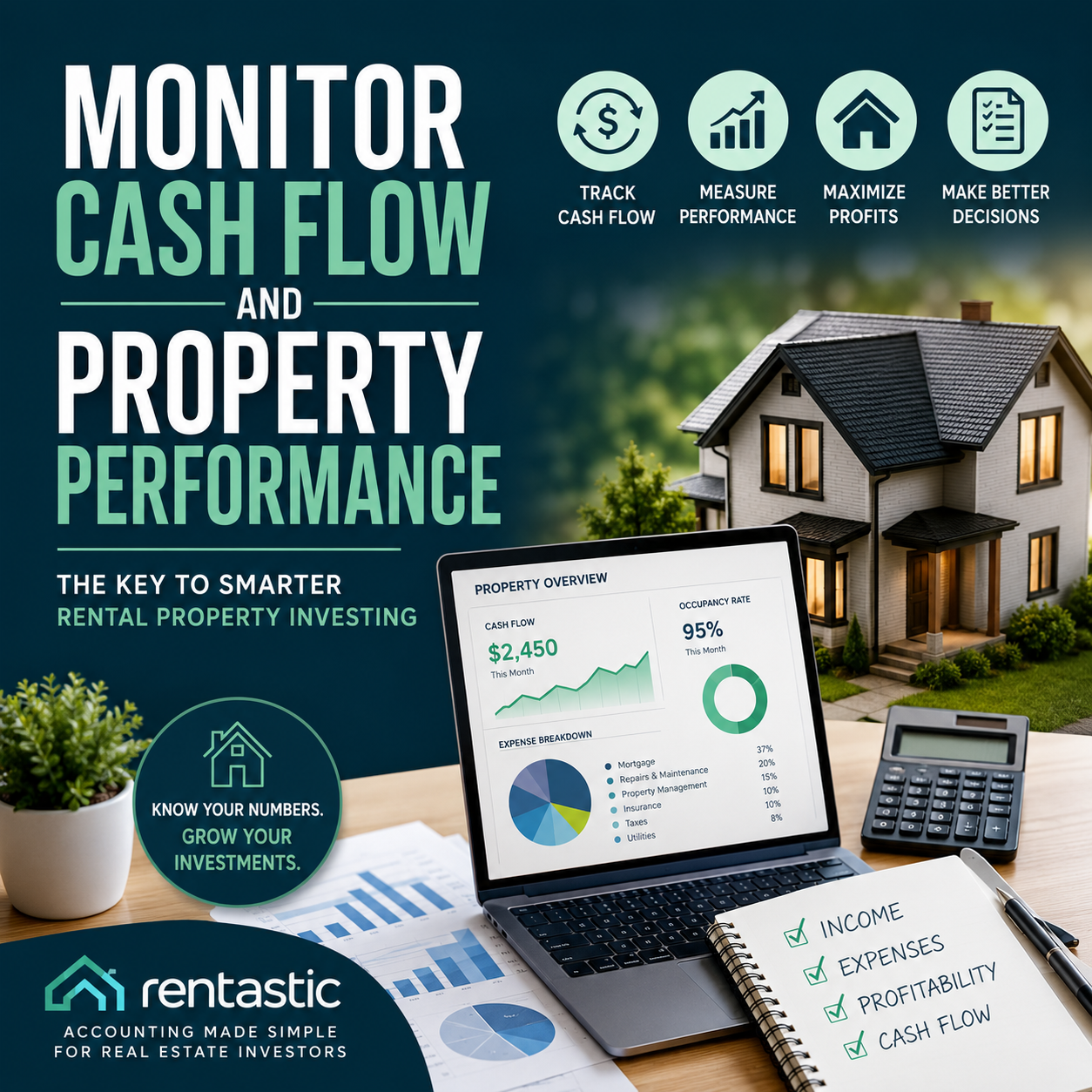
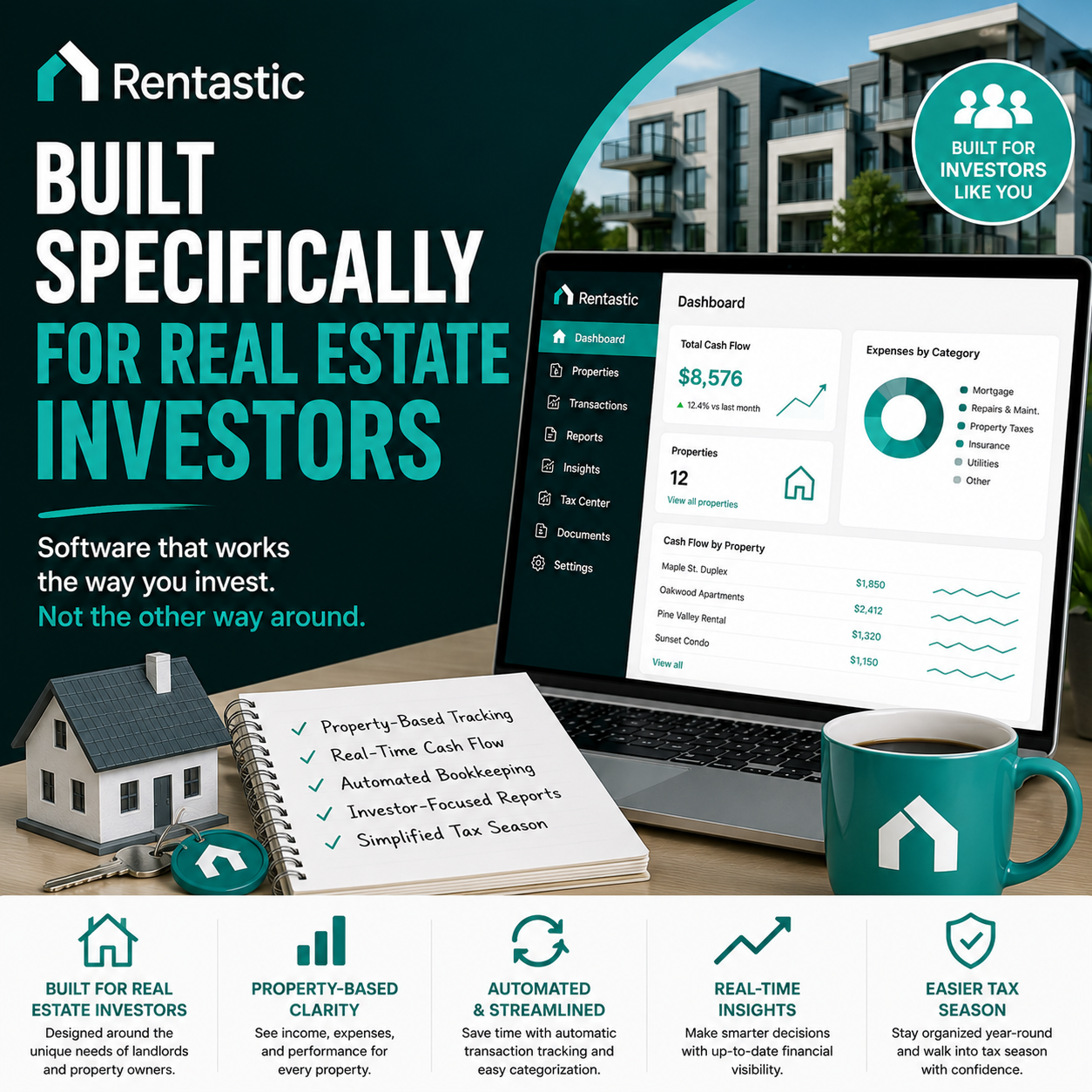
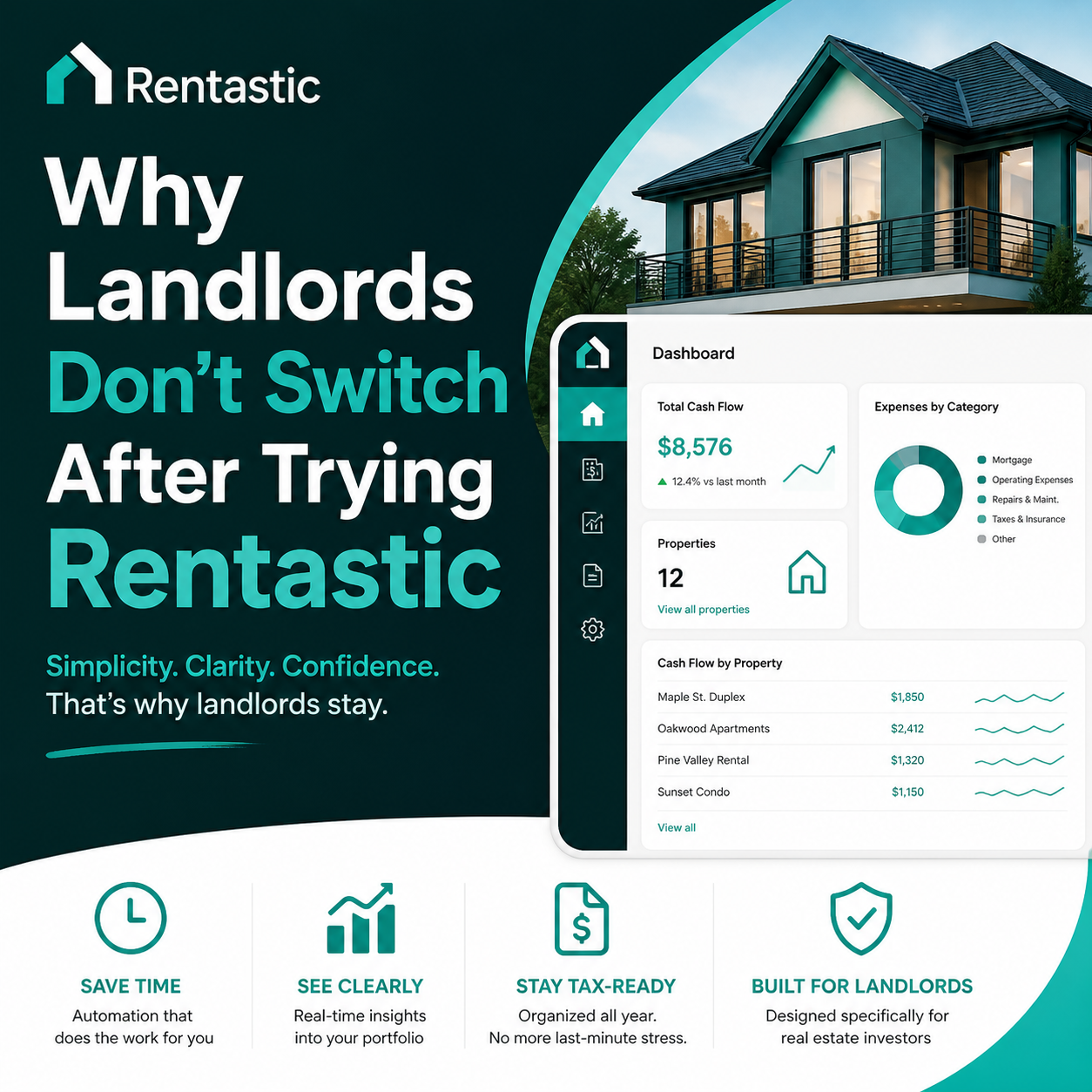
Rentastic helps landlords organize rental income and expenses, monitor property-level financial performance, and generate reports that make it easier to evaluate cash flow.
By keeping your rental finances organized, you can better understand which properties are performing well and which may require adjustments.
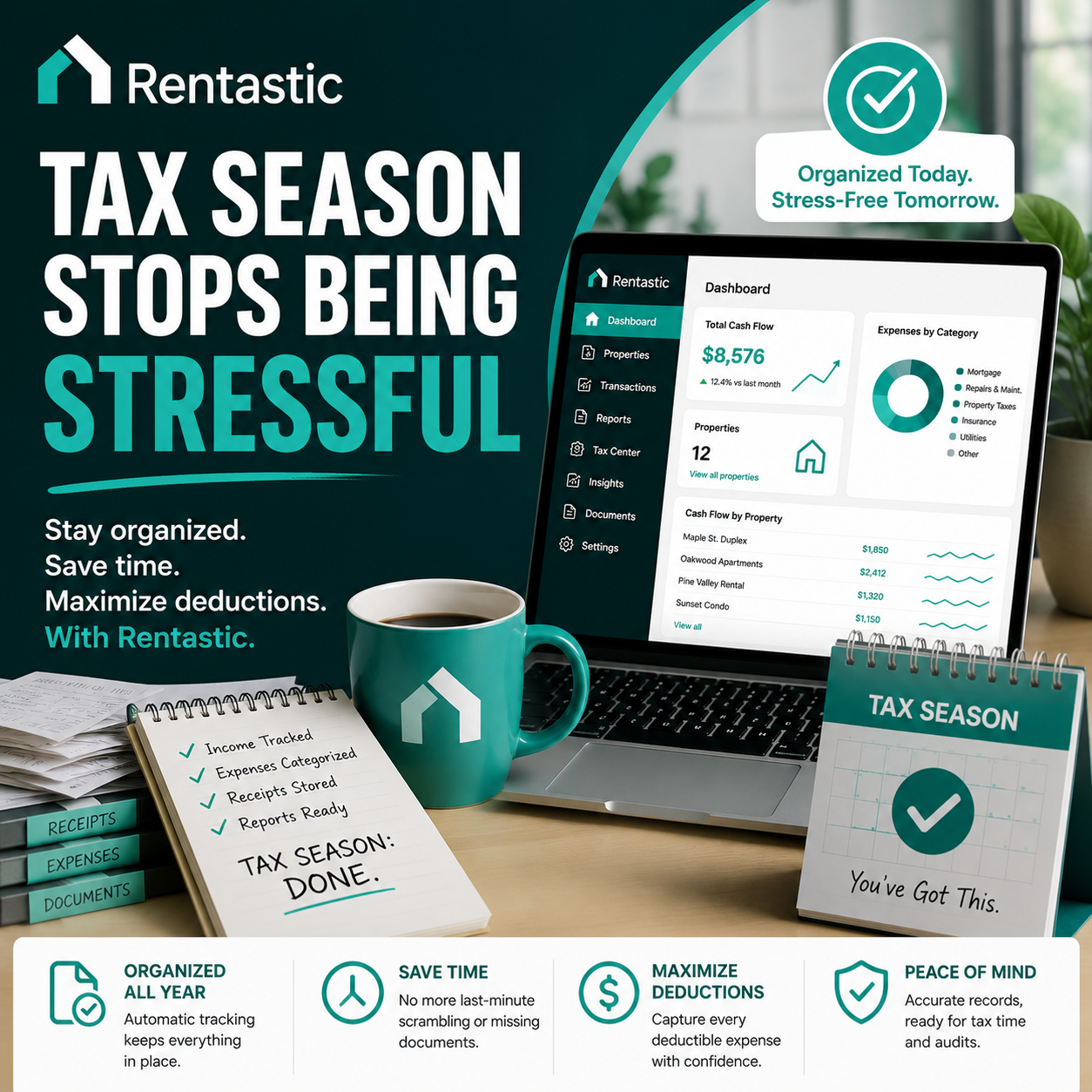
Accurate financial records also make it easier to calculate important metrics such as net operating income and debt service coverage when combined with your mortgage payment information.
Instead of making investment decisions based solely on property values or rental income, you can use your financial data to make more informed decisions about borrowing, refinancing, and portfolio expansion.
Explore Rentastic to simplify rental property financial management.
There's no single debt limit that works for every rental property investor.
A portfolio with $1 million in mortgage debt may be financially healthy if it generates strong cash flow, maintains sufficient reserves, and consistently covers its expenses.
Meanwhile, a smaller portfolio with $200,000 in debt could struggle if rental income barely covers monthly obligations.
The key is to evaluate your debt alongside your property's income, expenses, cash reserves, and overall financial stability.
Before taking on another mortgage, make sure your existing portfolio can withstand vacancies, rising expenses, and unexpected repairs.
The smartest rental property investors don't simply focus on acquiring more properties. They focus on building portfolios that remain profitable and financially resilient over time.
With careful debt management, accurate financial tracking, and a long-term investment strategy, you can continue growing your rental portfolio without taking on unnecessary financial risk.
RECENT POSTS


© 2025 Rentastic
Rentastic is registered as a trademark. Terms and conditions, features, support, pricing, and service options subject to change without notice.


























































Comments