

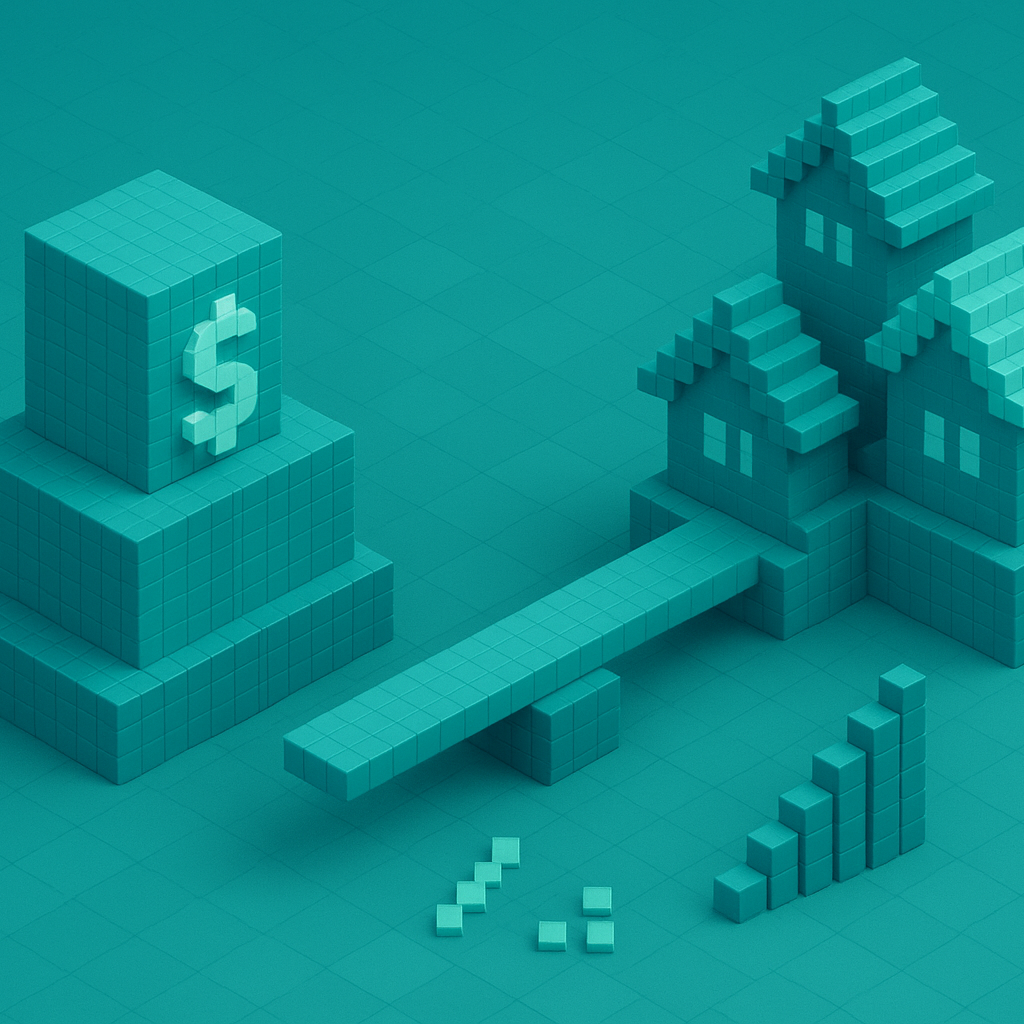
Owning a rental property comes with an important financial decision: Should you use your extra cash to pay off your mortgage early, or keep that money available for future investments and unexpected expenses?
Paying off a rental property mortgage can reduce monthly expenses, improve cash flow, and eliminate interest costs. However, keeping your cash available provides flexibility to handle repairs, cover vacancies, or purchase additional properties.
The right choice depends on your mortgage interest rate, financial goals, cash reserves, and overall rental property performance.
Let's explore both options and how to decide which strategy makes the most financial sense.
Paying off your mortgage ahead of schedule can provide several financial advantages, especially for landlords focused on long-term stability.
Without a mortgage payment, more of your rental income becomes available each month.
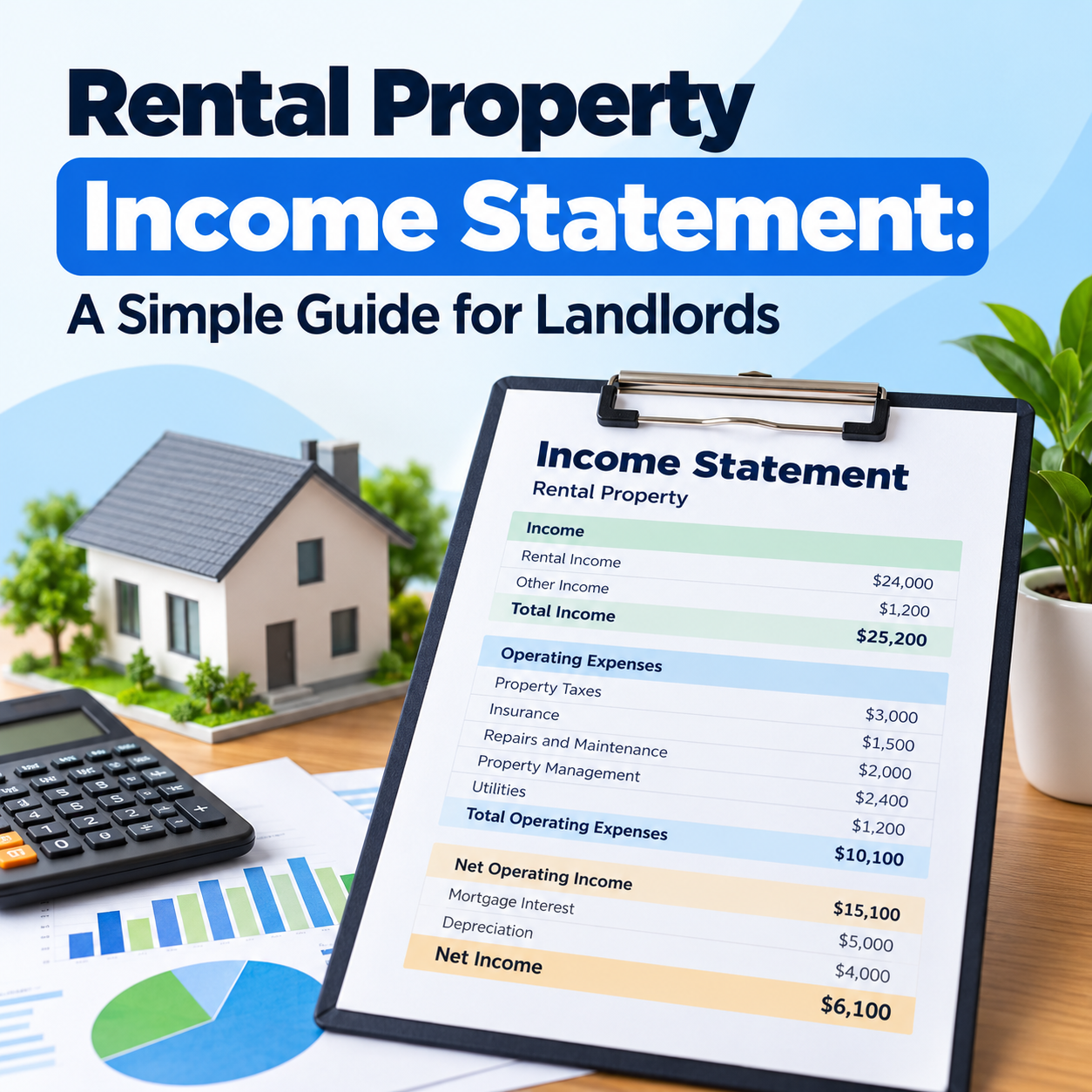
For example, imagine your rental property generates:
Monthly Financials
Amount
Rental Income
$2,500
Operating Expenses
$700
Mortgage Payment (Principal & Interest)
$1,200
Cash Flow Before Payoff
$600
Cash Flow After Payoff
$1,800
By eliminating the mortgage payment, your monthly cash flow increases from $600 to $1,800.
That's an additional $14,400 in annual cash flow, assuming rental income and other expenses remain unchanged.
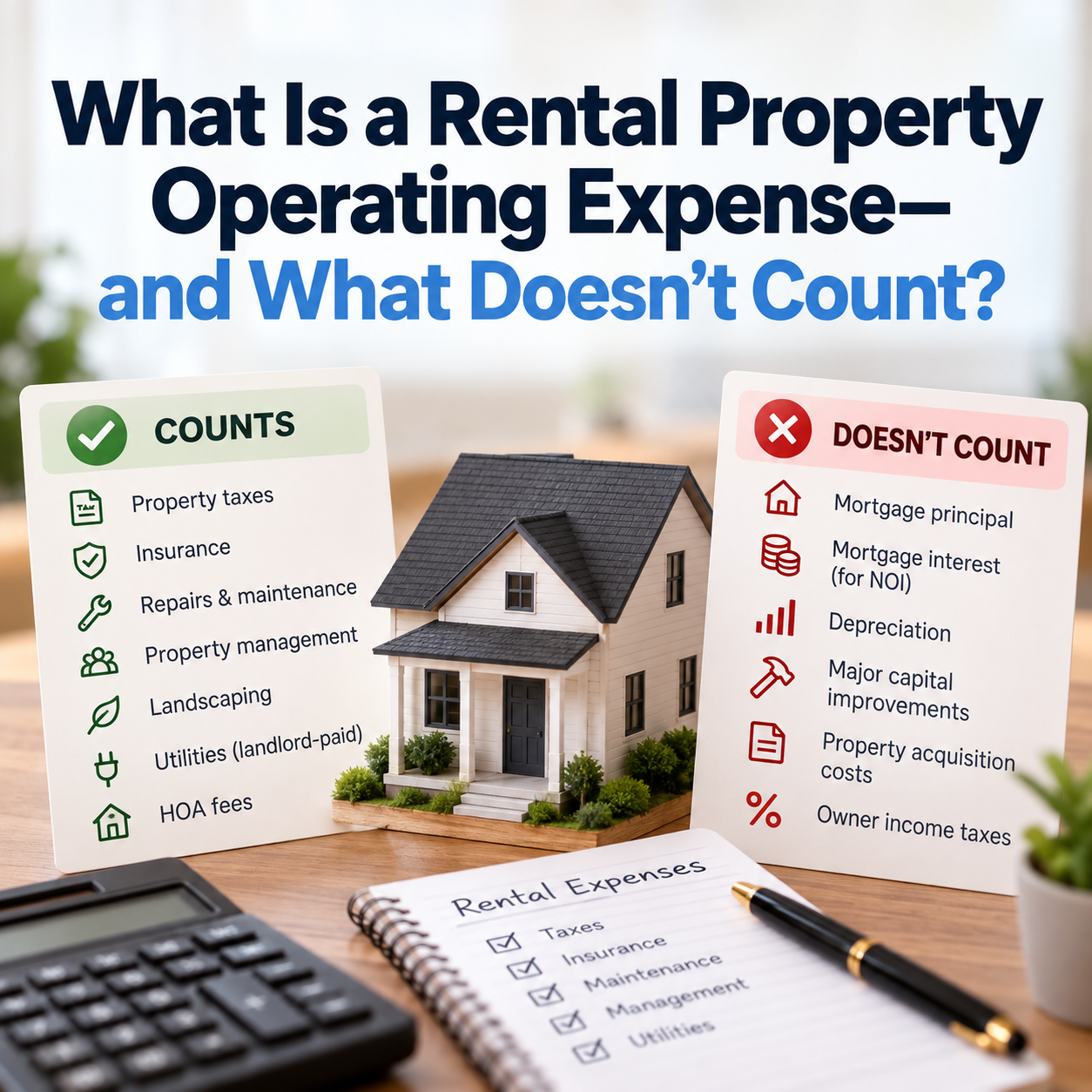
However, remember that property taxes, insurance, maintenance, and other operating expenses still apply even after the mortgage is paid off.
The longer you carry a mortgage, the more interest you may pay over time.
Making additional principal payments can reduce your outstanding loan balance and the total interest paid over the remaining loan term.
This can be particularly beneficial when your mortgage carries a relatively high interest rate.
A rental property without mortgage debt generally has lower required monthly payments.
During vacancies or periods of unexpected repairs, having fewer debt obligations can make the property easier to maintain.
For landlords approaching retirement or seeking predictable rental income, this financial stability can be especially valuable.
Although eliminating debt sounds appealing, paying off a mortgage isn't always the most profitable strategy.
In some situations, maintaining liquidity can provide greater financial flexibility.
Rental properties come with unpredictable expenses.
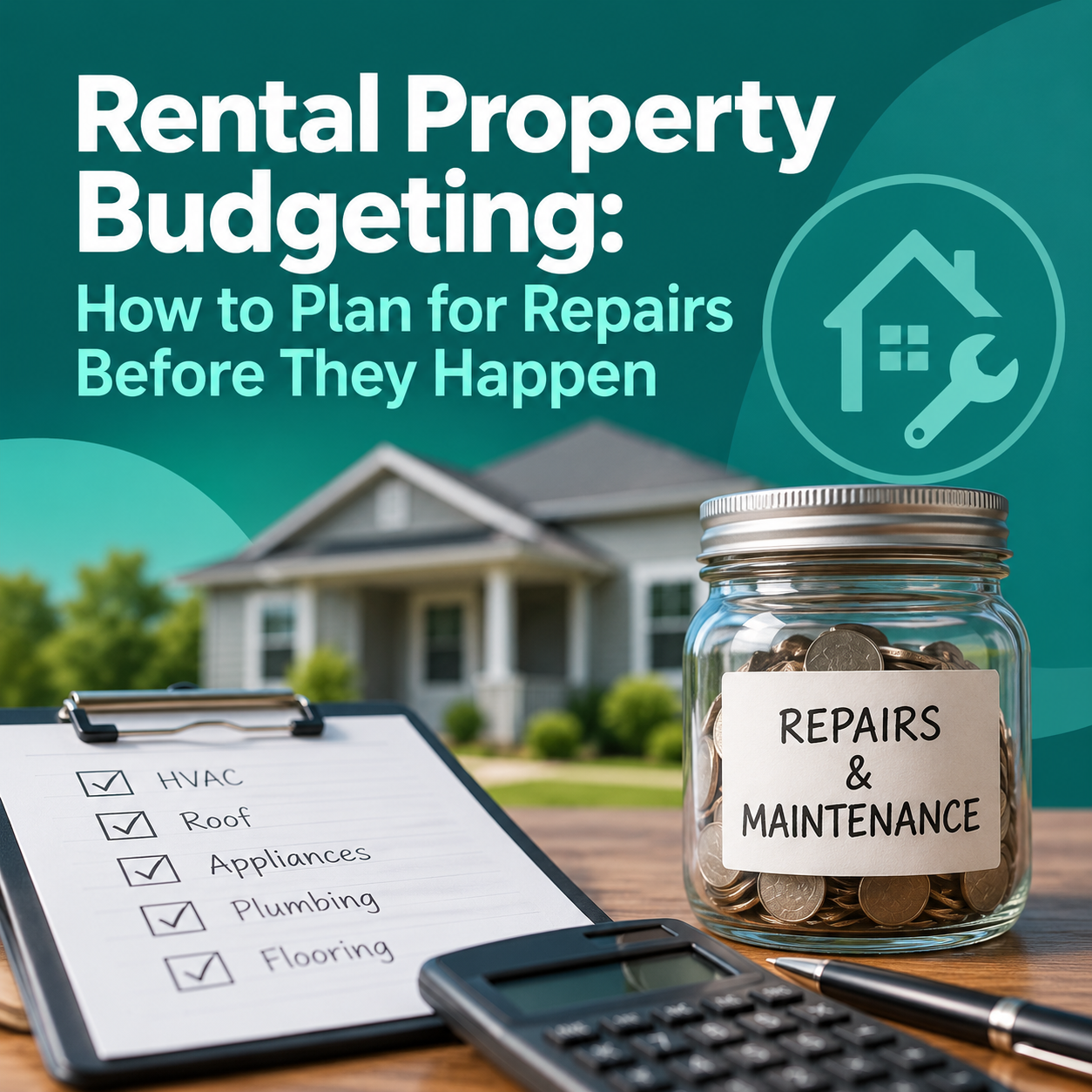
A roof replacement, HVAC failure, major plumbing repair, or extended vacancy can quickly consume thousands of dollars.
If you've used most of your savings to pay down your mortgage, you might struggle to cover these expenses without borrowing again.
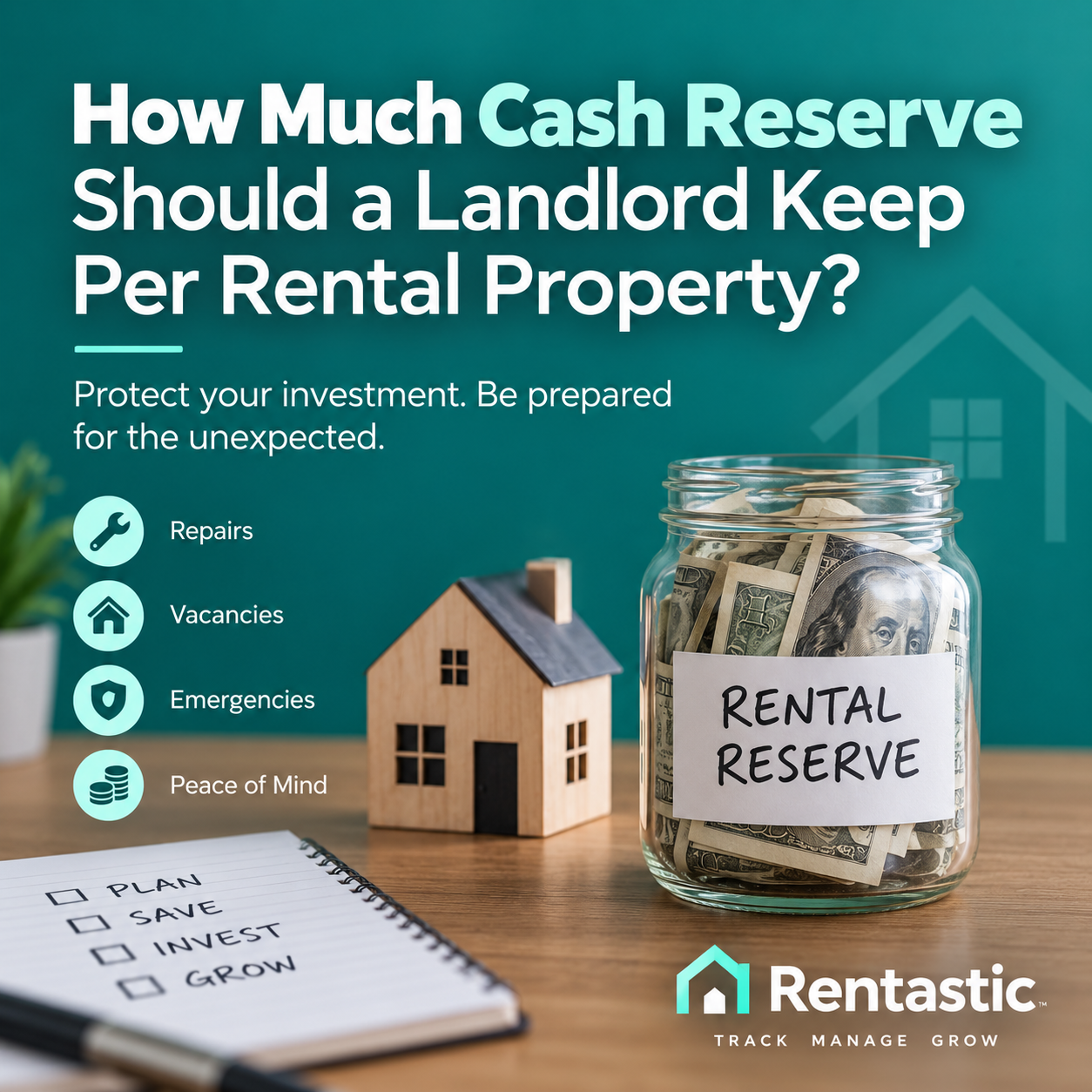
A common starting point is keeping three to six months of property expenses in reserves, with larger reserves for older properties, uncertain rental demand, or major upcoming repairs.
Instead of paying off an existing mortgage, you could use available cash toward another rental property.
For example, suppose you have $60,000 available.
You could use that money to reduce your existing mortgage balance, potentially saving interest and shortening the loan term.
Alternatively, you might use it toward a down payment and closing costs on another investment property.
The second option could generate additional rental income and long-term appreciation, but it also introduces more debt, operating expenses, and investment risk.
If your rental property mortgage has a relatively low fixed interest rate, paying it off early may not provide the best financial return.
For instance, a mortgage with a 3.5% interest rate may be less expensive than borrowing money for a future investment at today's potentially higher rates.
The key is comparing the interest you save by paying down debt with the realistic, after-tax return and risks of keeping your cash elsewhere.
Your interest rate is one of the biggest factors when deciding whether to pay off your rental property mortgage early.
Consider these general scenarios:
These are illustrative guidelines rather than strict rules.
Mortgage interest deductions, alternative investment returns, and individual tax circumstances can change the calculation.
Mortgage interest on qualifying rental property debt is generally deductible against rental income under applicable U.S. tax rules.
This means paying off your mortgage may reduce the interest expense you can deduct.
However, keeping a mortgage solely for the tax deduction usually isn't a strong financial strategy.
For example, spending $1 in deductible interest does not save $1 in taxes. The actual tax benefit depends on your tax situation and applicable limitations.
Paying off the loan eliminates future interest costs, even though it may also reduce your deductions.
Consult a qualified tax professional to understand how early repayment could affect your rental property's taxable income.
Early mortgage repayment may be the better option when:
For landlords who value financial stability, owning a mortgage-free rental property can offer peace of mind and more consistent monthly income.
Maintaining cash reserves may be preferable when:
Cash provides options, and those options can be valuable when unexpected expenses or investment opportunities arise.
You don't necessarily have to choose between paying off your entire mortgage and keeping all your cash.
A balanced strategy may offer the benefits of both approaches.
For example, if you have $40,000 in available cash, you could:
This approach allows you to reduce your mortgage balance while maintaining financial flexibility.
Keep in mind that making additional principal payments usually reduces your loan balance and future interest costs, but it doesn't automatically lower your required monthly mortgage payment unless your lender offers a recast or another qualifying arrangement.
Before making large payments, check your loan terms for prepayment penalties or restrictions.
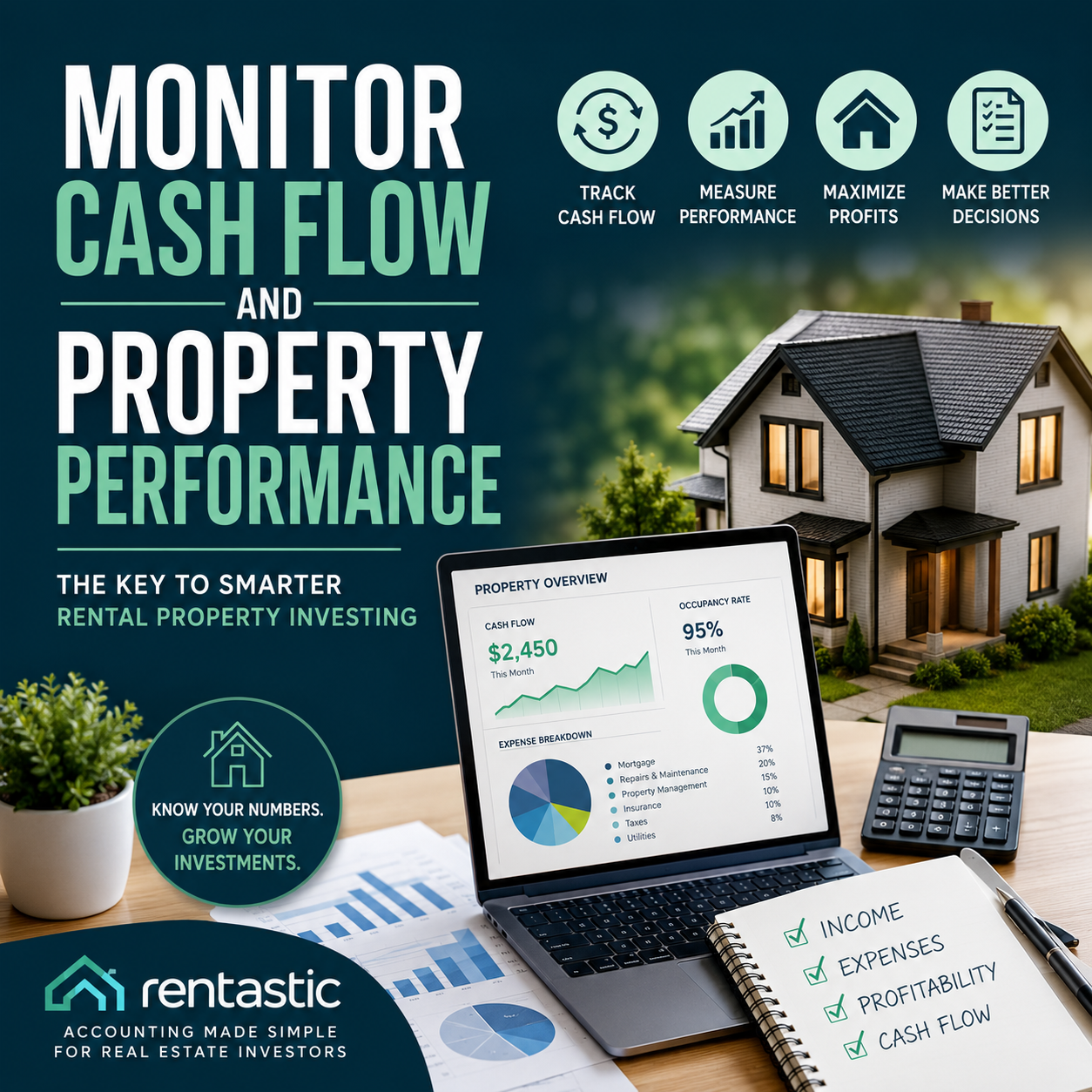
Before committing extra cash toward your mortgage, evaluate your property's actual financial performance.
Understanding your income, expenses, and available cash flow helps determine how much money you can comfortably allocate toward debt repayment.
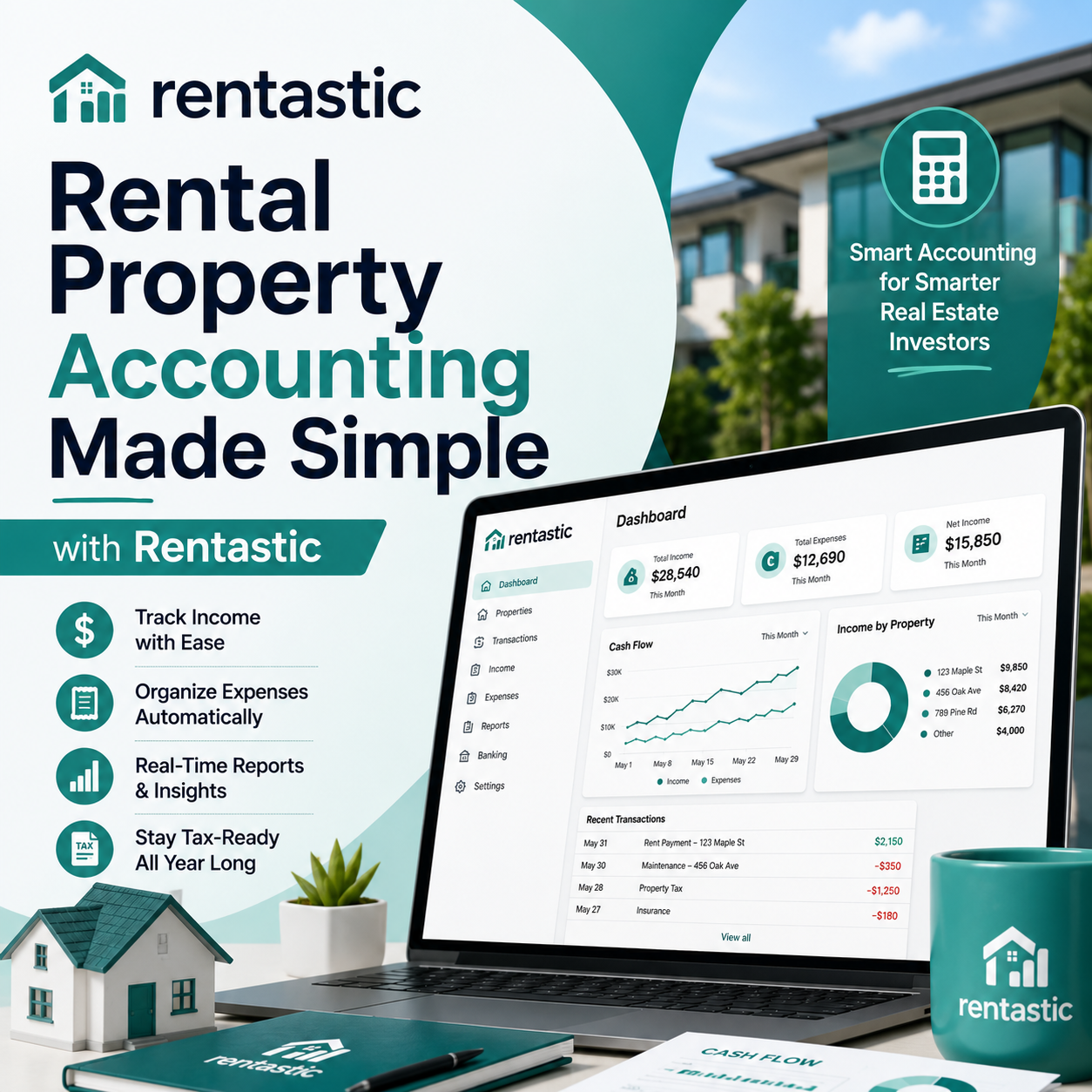
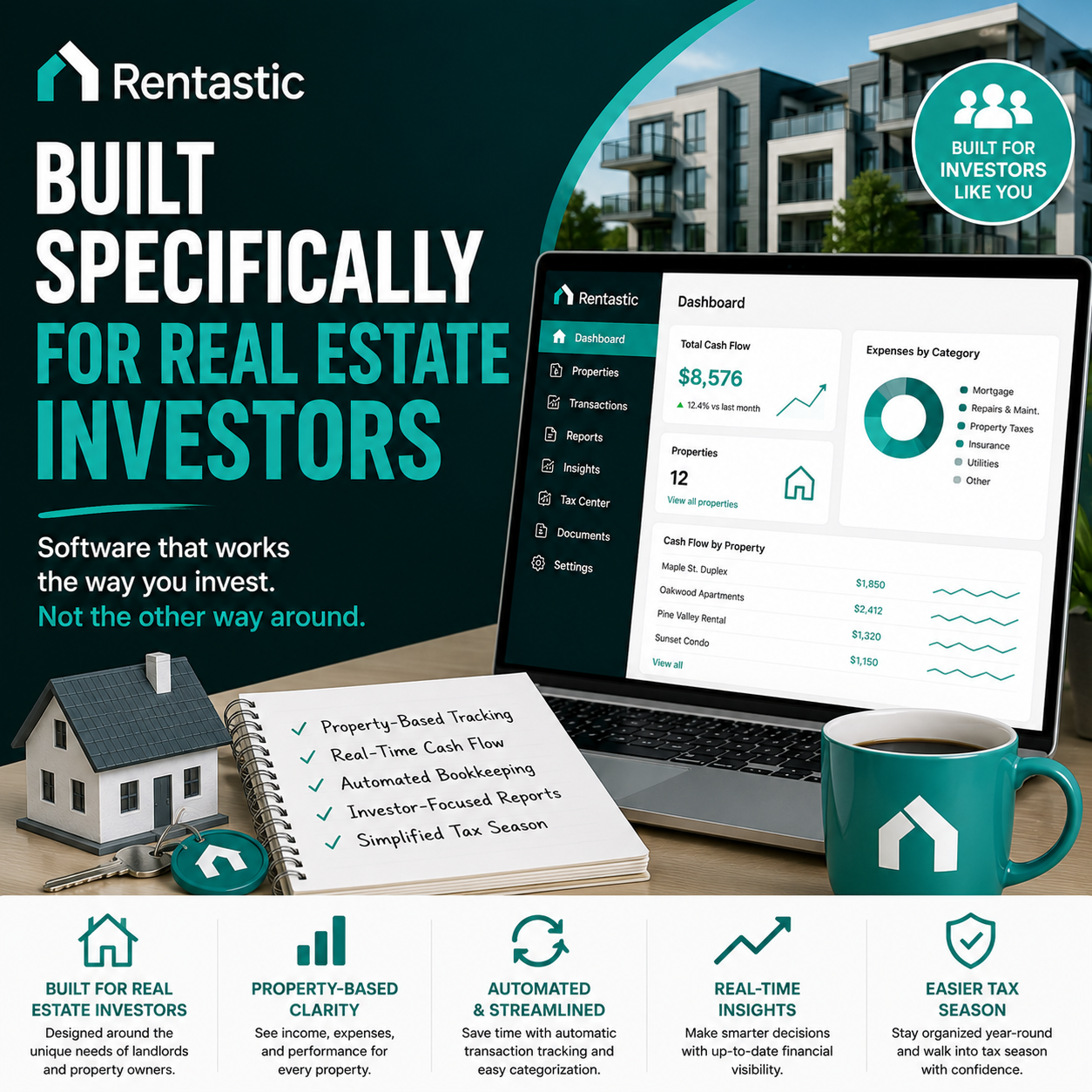
With Rentastic, landlords can organize rental income and expenses, monitor property-level financial performance, and generate reports that support better investment decisions.
Having clear financial records makes it easier to identify whether your rental property is generating enough cash to support additional mortgage payments without putting your reserves at risk.
Explore Rentastic to simplify your rental property financial management.
There is no universal answer to whether paying off your rental property mortgage early is better than keeping the cash.
If your priority is reducing debt, lowering financial risk, and increasing future cash flow, early repayment may be the right strategy.
If your priority is maintaining liquidity, funding property improvements, or expanding your rental portfolio, keeping your cash available may provide more opportunities.
Ultimately, the smartest decision is the one that supports your long-term investment goals without compromising your financial security.
Before making a large mortgage payment, review your cash reserves, loan terms, expected interest savings, and future property expenses.
A successful rental property investment isn't just about eliminating debt. It's about making sure every dollar works toward your financial goals.
RECENT POSTS


© 2025 Rentastic
Rentastic is registered as a trademark. Terms and conditions, features, support, pricing, and service options subject to change without notice.






































Comments