

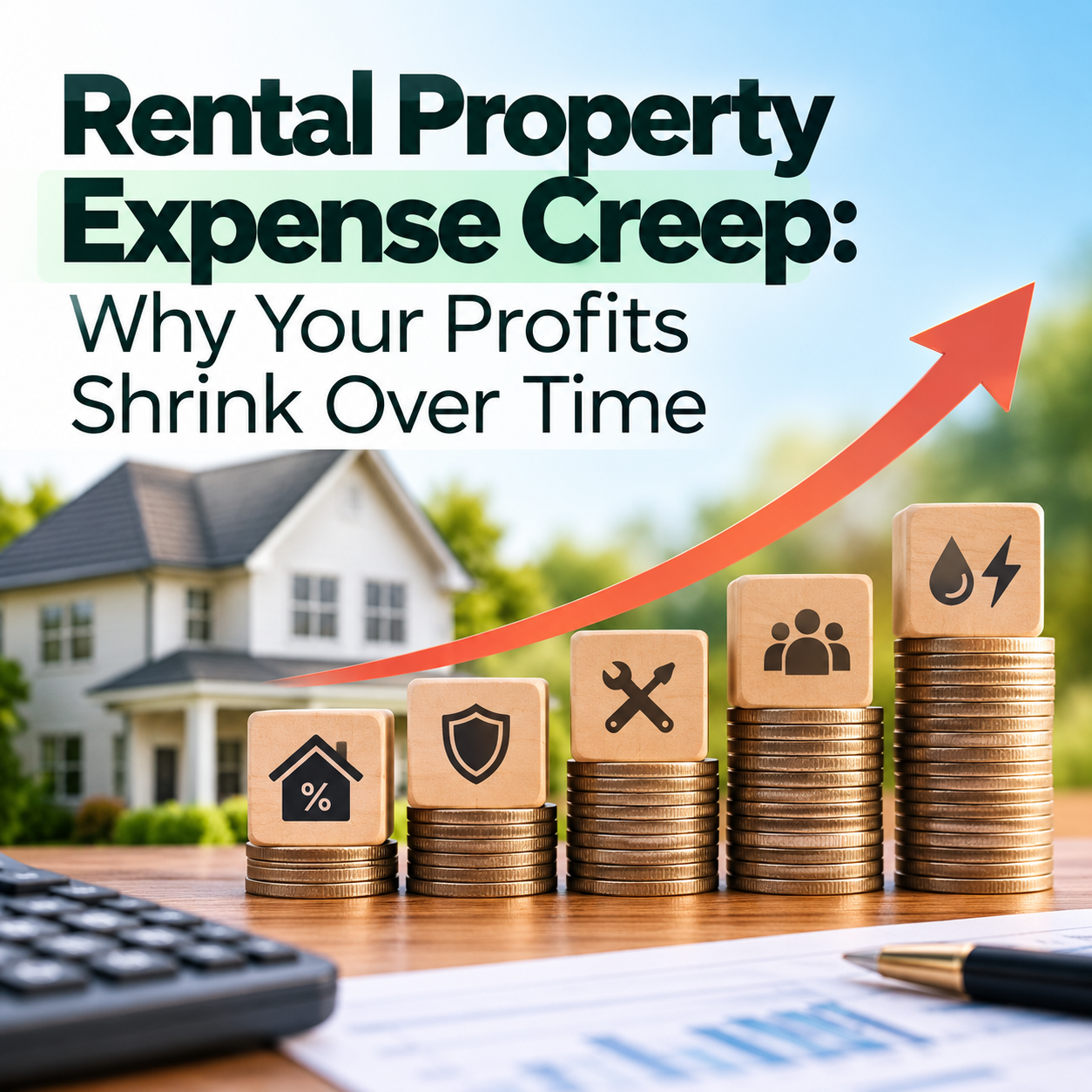
Owning a rental property can be a great way to build long-term wealth, but increasing expenses can slowly reduce your profits. One expense that landlords often underestimate is property taxes.
Even when your rental income stays the same, higher property taxes can eat into your cash flow and lower your return on investment (ROI).
So, how much can a property tax increase actually affect your rental property's profitability? Let's break it down.
Rental property ROI measures how much profit your investment generates compared to the amount you've invested.
A simple cash-on-cash ROI calculation is:
Cash-on-Cash ROI = (Annual Cash Flow ÷ Total Cash Invested) × 100
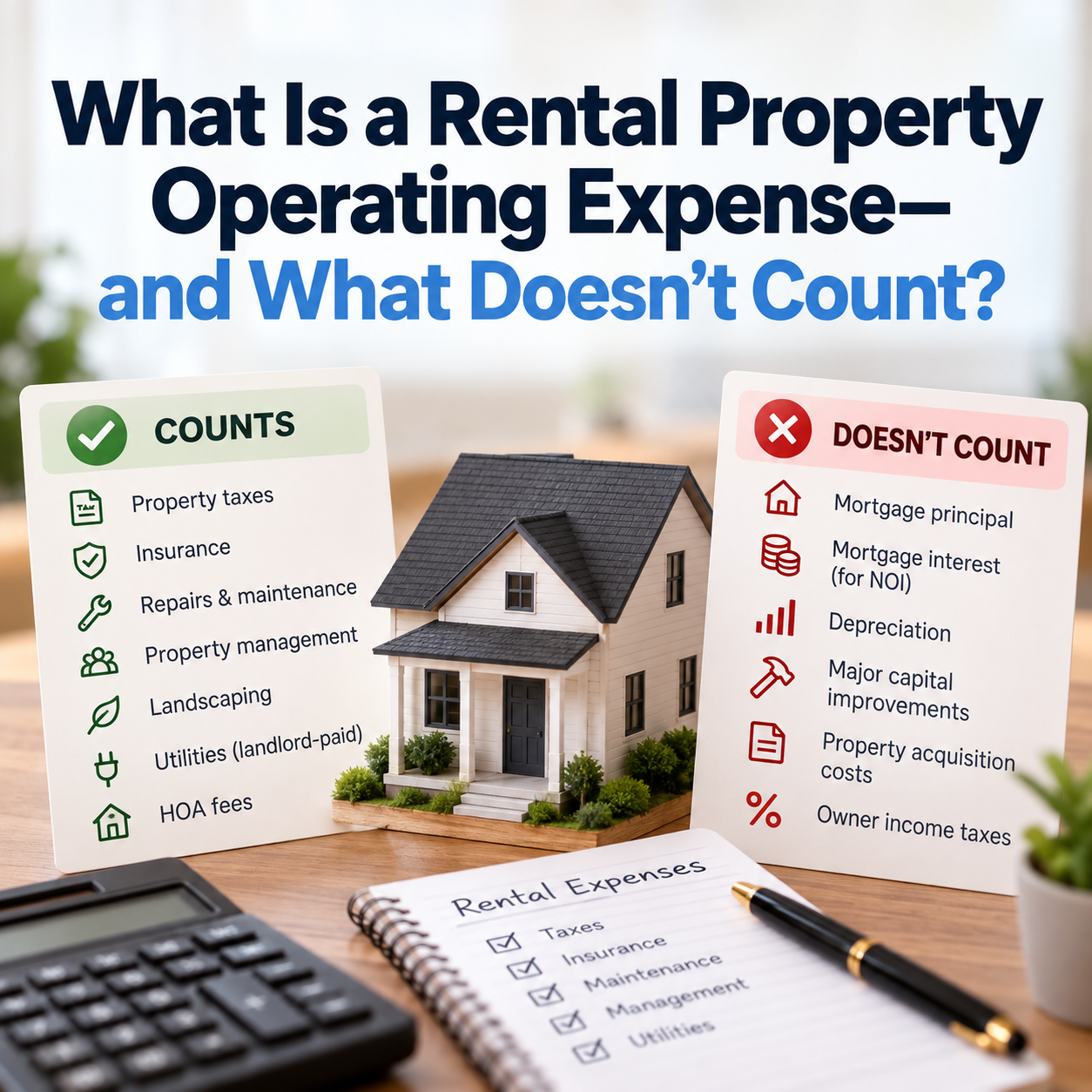
Property taxes are part of your rental property's operating expenses. When they increase, your net operating income (NOI) decreases, assuming everything else stays the same.
This can also reduce your annual cash flow and cash-on-cash return.
The important thing to remember is that your rental property doesn't need to lose tenants or experience lower rent to become less profitable.
Sometimes, rising expenses are enough.
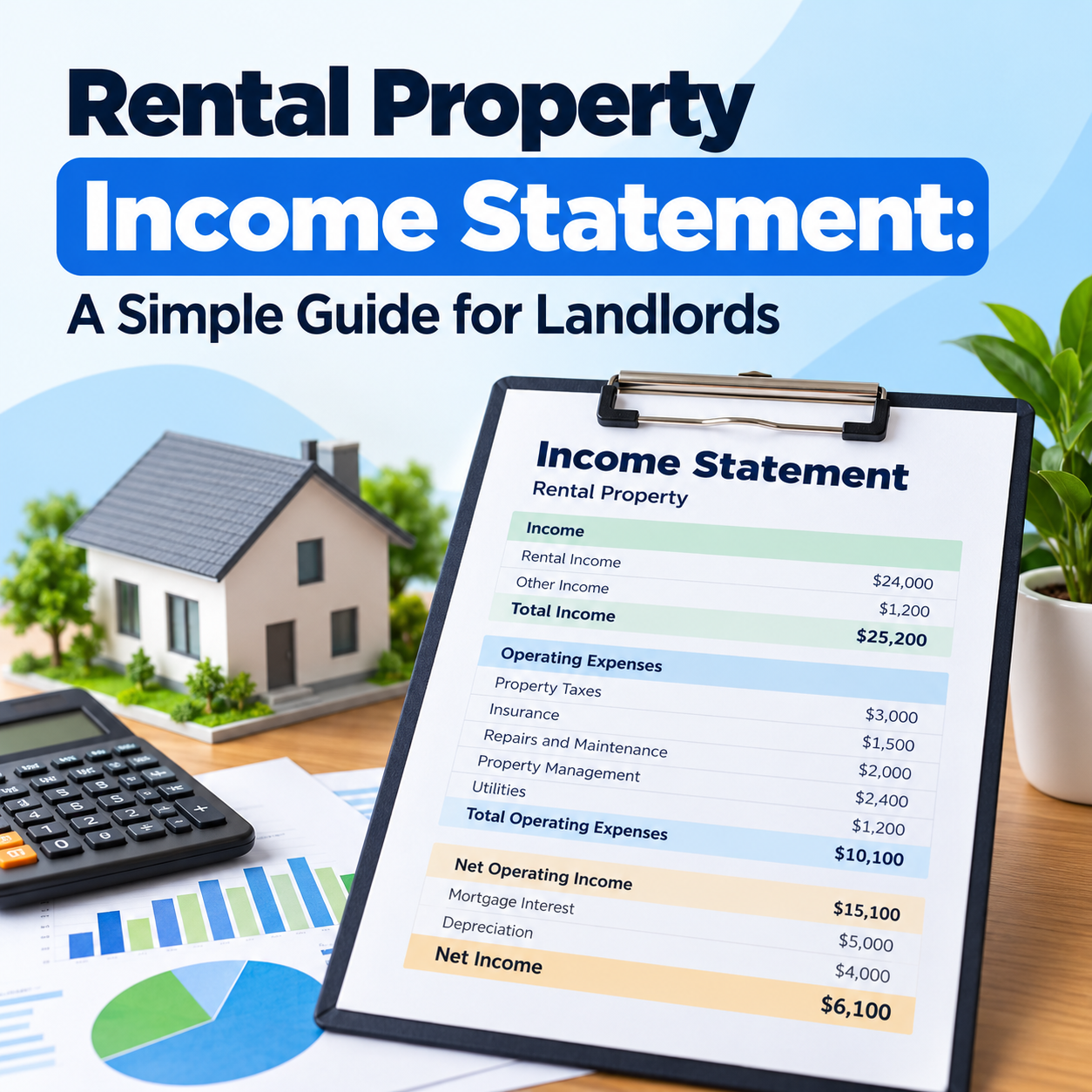
In this example, property taxes increased by $1,200 annually, reducing the property's cash-on-cash ROI from 8.75% to 7.25%.
That might seem like a small difference, but it represents a meaningful reduction in the income your investment generates.
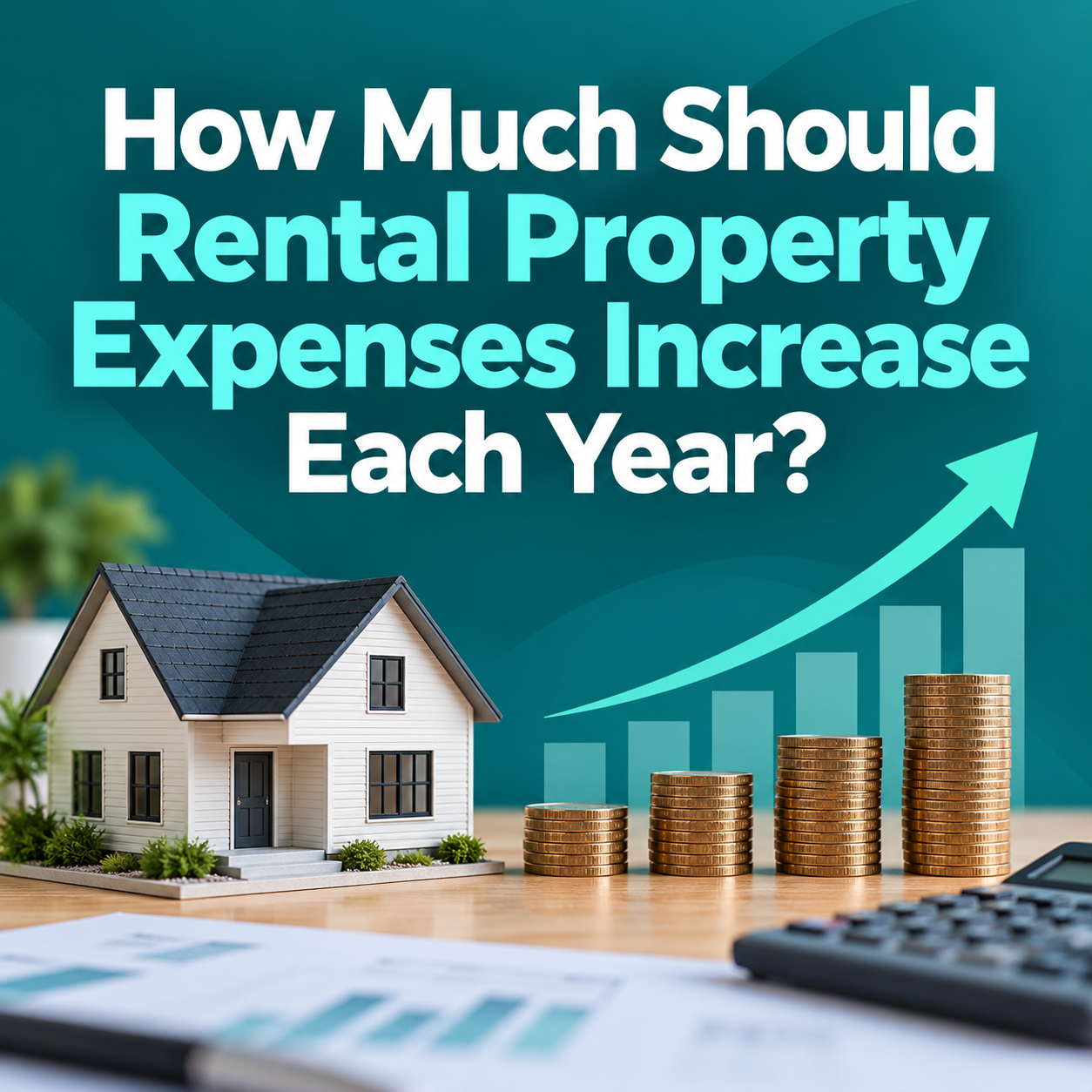
Property taxes can increase for several reasons, including:
Not every increase in market value results in an immediate tax increase. Assessment limits, exemptions, and local laws can affect how much you owe.
Yes.
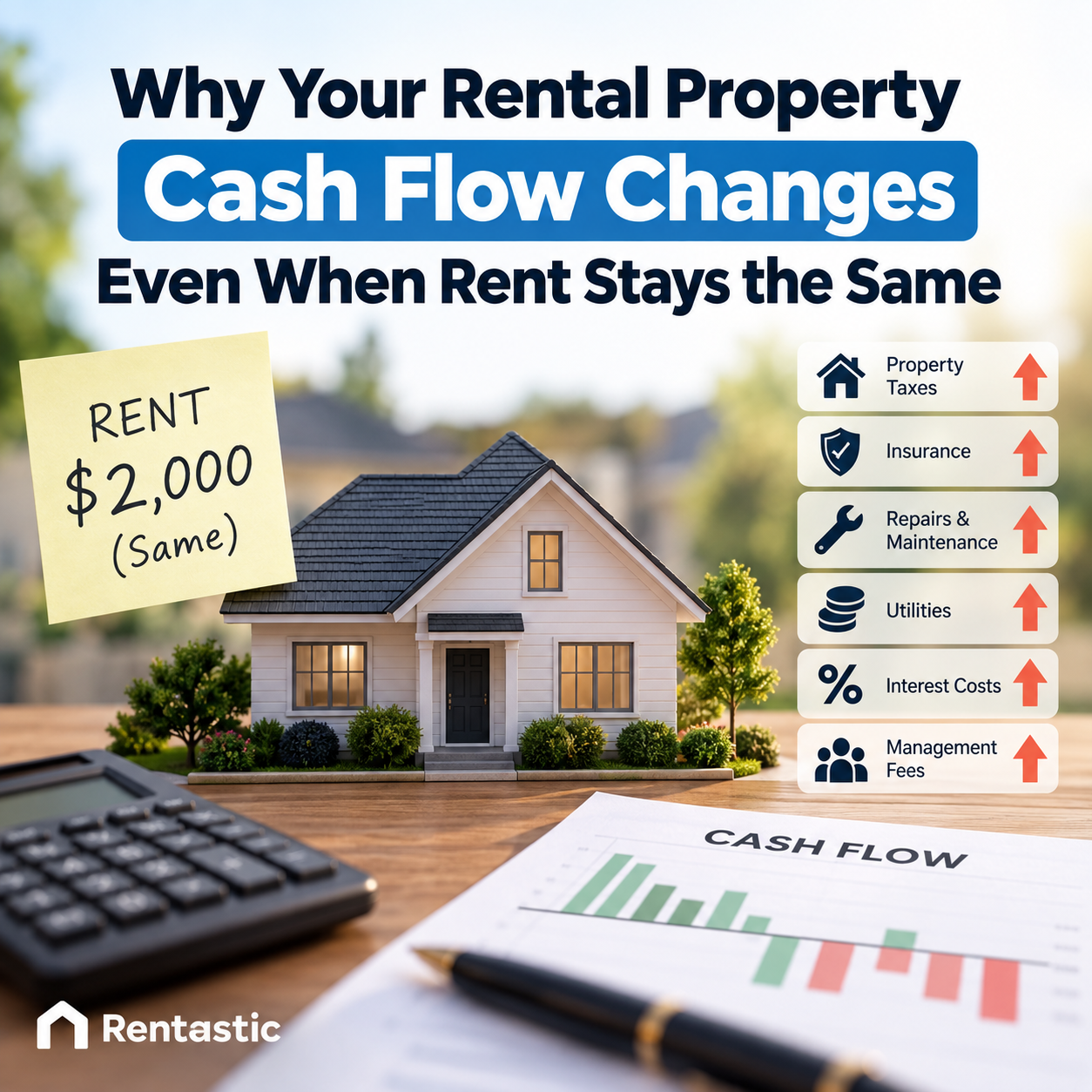
Consider a rental property generating $200 in monthly cash flow.
If property taxes increase by $250 per month, your cash flow becomes negative $50.
You are now spending more money to maintain the property than it generates in cash after expenses and debt payments.
This is particularly concerning for landlords with tight profit margins.
A property that looks profitable today may struggle financially if expenses continue to rise without corresponding increases in rental income.
Check whether your property's assessed value is accurate. If you believe the assessment is too high, research your local government's appeal process.
A successful appeal could lower your tax obligation.
If market conditions support it, a reasonable rent adjustment may help offset rising property taxes.
Always consider local rental regulations, lease terms, and comparable rental rates before making changes.
Look for opportunities to save on maintenance, utilities, insurance, and property management without sacrificing property quality.
Reducing unnecessary expenses can help preserve your profit margin.
Instead of assuming property taxes will remain unchanged, include potential increases in your annual rental property budget.
Planning ahead helps prevent unexpected expenses from disrupting your cash flow.
Regularly reviewing your income, expenses, cash flow, and ROI can help you identify declining profitability early.
The sooner you notice a change, the more time you have to adjust your investment strategy.
Managing rental property finances becomes more challenging when operating costs increase.
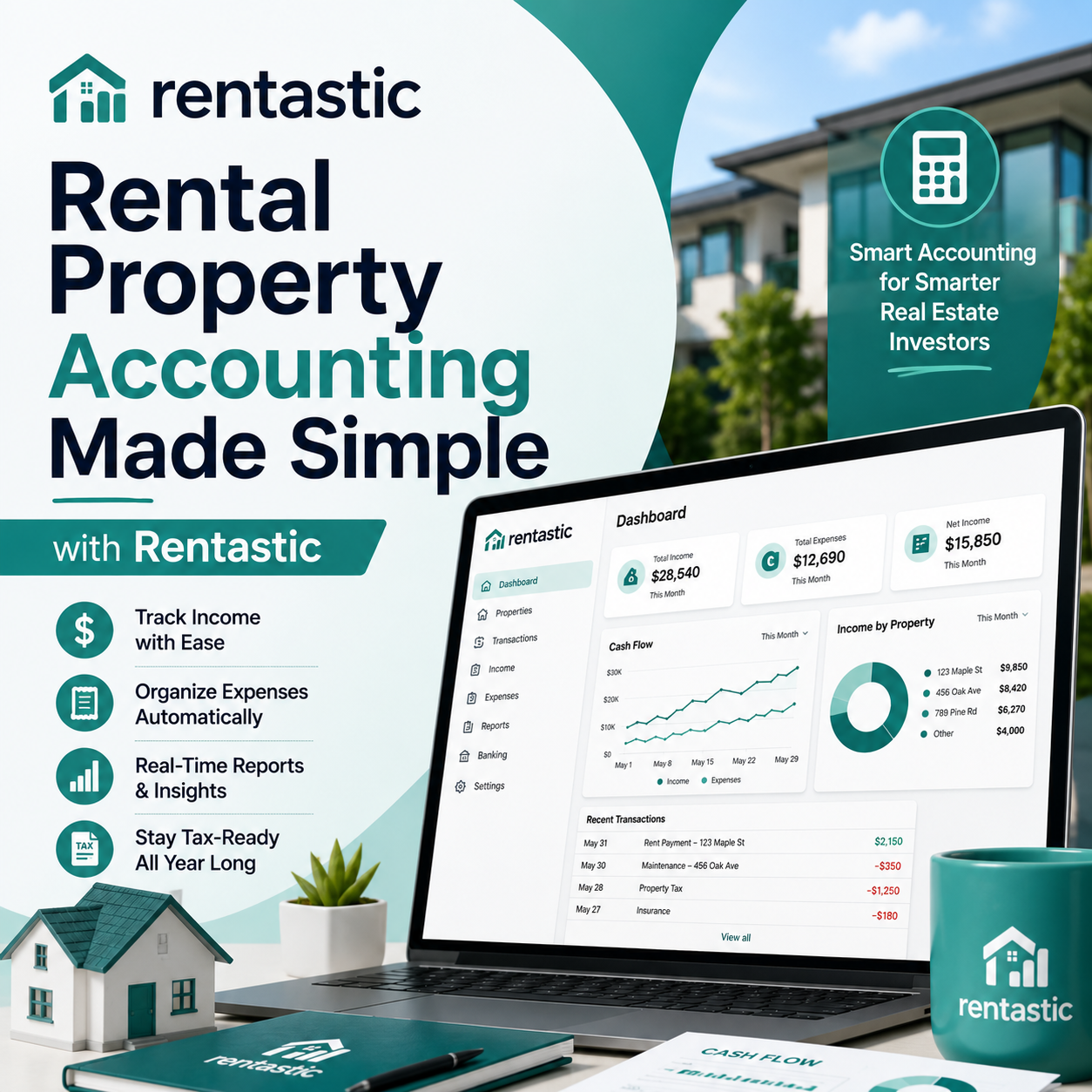
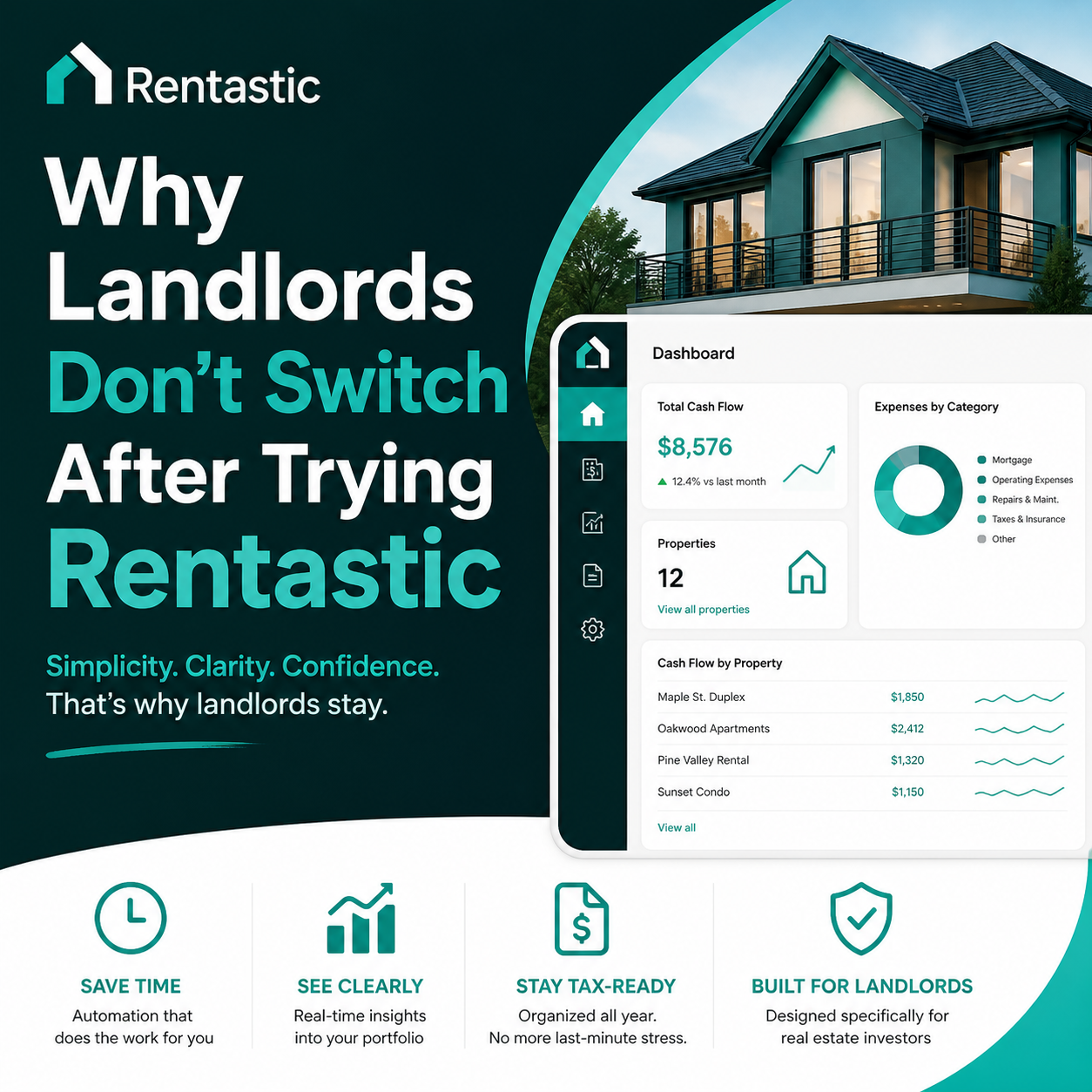
With Rentastic, landlords and real estate investors can organize their rental income and expenses, monitor cash flow, and better understand their property's financial performance.
By consistently recording property tax payments alongside other operating expenses, you can see how rising costs affect your rental property's profitability.
Instead of guessing where your rental income is going, you can make more informed decisions using your financial records.
Increasing property taxes don't automatically make a rental property a bad investment, but they can significantly affect your returns.
Even a relatively small tax increase can reduce annual cash flow, especially when your rental property already operates on a tight budget.
The key is to monitor your expenses, understand your numbers, and plan ahead.
A profitable rental property isn't just about how much rent you collect. It's about how much money you actually keep after paying your expenses.
Want better visibility into your rental property's income and expenses?
Start tracking your rental finances with Rentastic and make smarter decisions about your real estate investments.
RECENT POSTS


© 2025 Rentastic
Rentastic is registered as a trademark. Terms and conditions, features, support, pricing, and service options subject to change without notice.










































Comments