
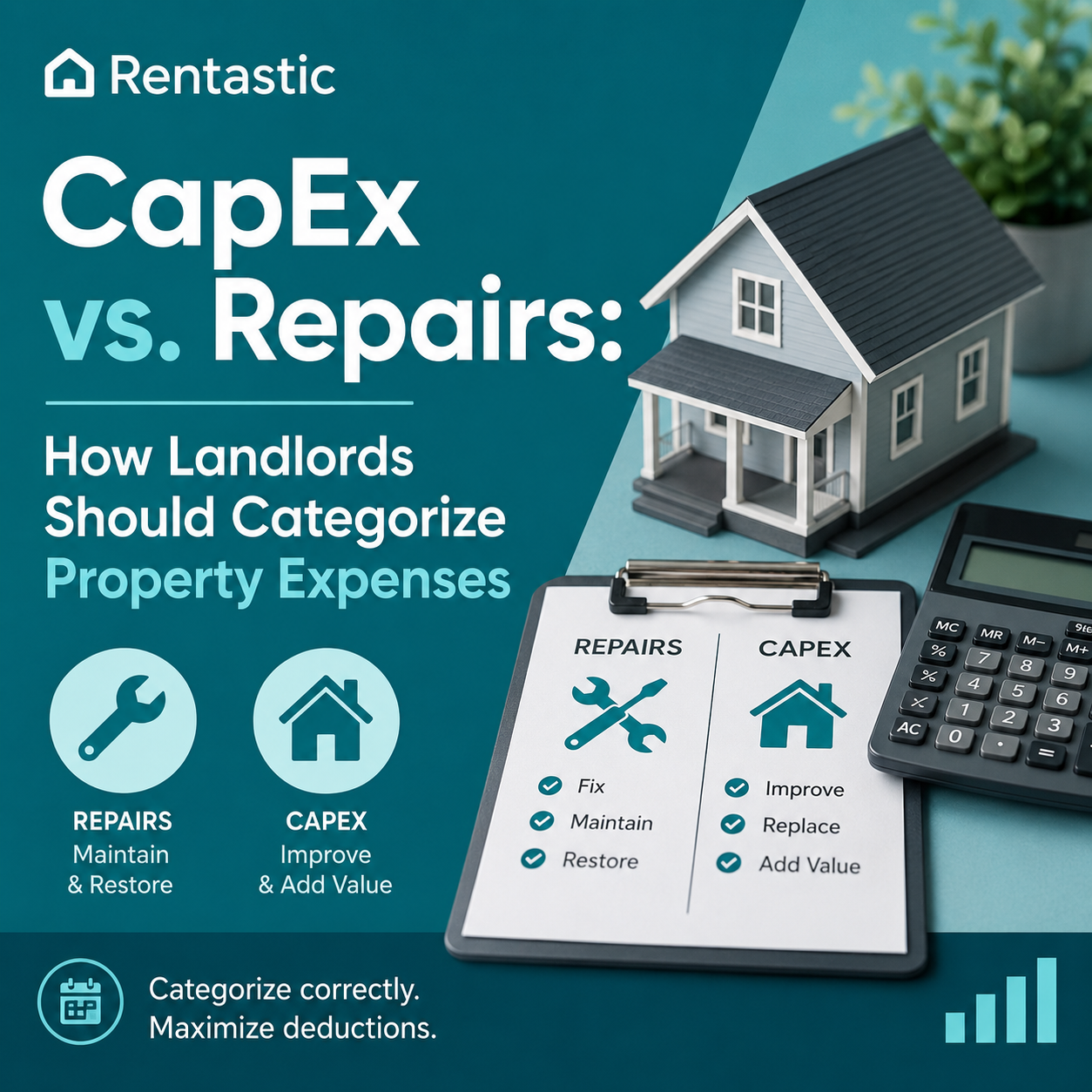
Owning rental property comes with a steady stream of expenses—from fixing a leaking faucet to replacing an entire roof. But when it comes to bookkeeping and taxes, not all property expenses should be treated the same way.
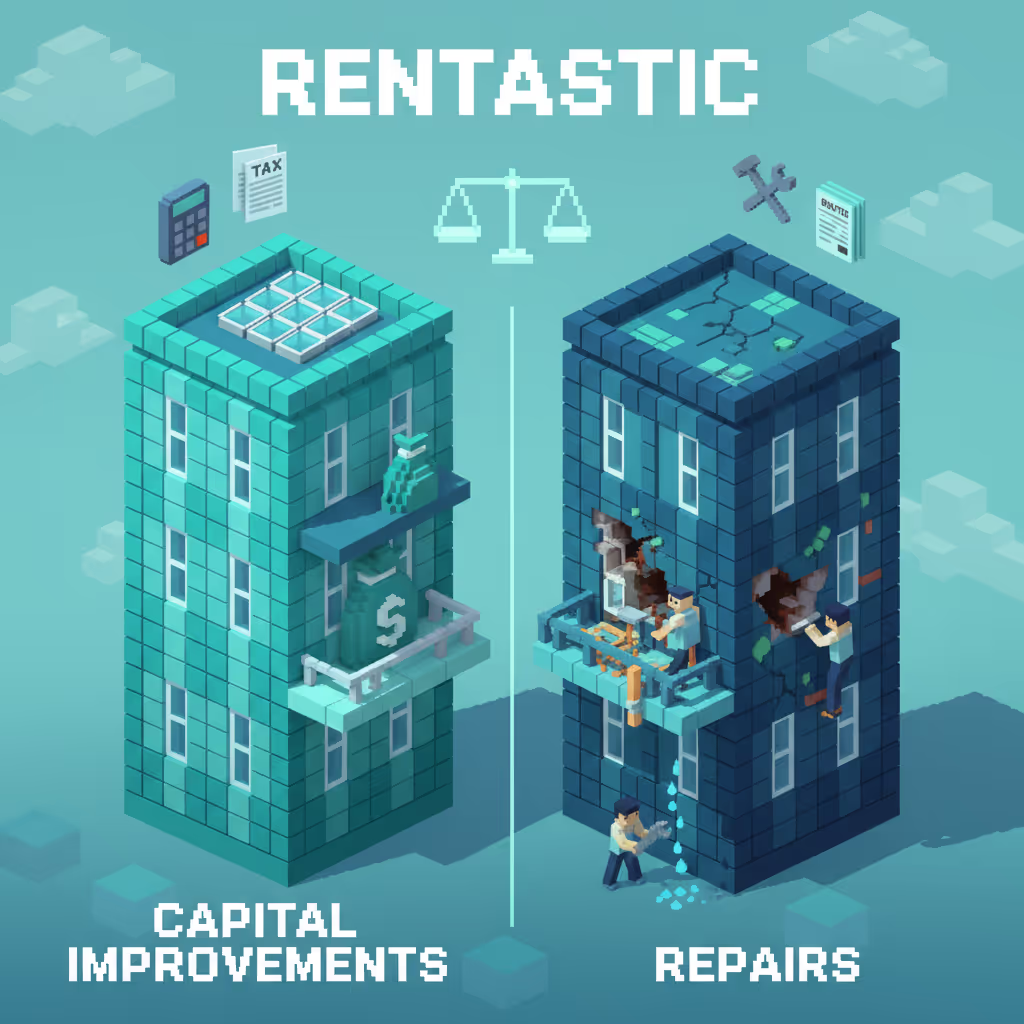
One of the most important distinctions landlords need to understand is the difference between repairs and maintenance expenses and capital expenditures (CapEx).
Why does it matter? Because repairs may generally be deductible in the year they're incurred, while capital improvements typically need to be capitalized and depreciated over time.
Understanding the difference can help you maintain cleaner rental property records, prepare for tax season, and get a more accurate picture of your property's financial performance.
A repair generally involves work that keeps your rental property in its normal operating condition without substantially improving the property or extending its useful life.
Think of repairs as fixing something that is broken, damaged, or worn out rather than significantly upgrading it.
Common examples may include:
For tax purposes, qualifying repair and maintenance expenses can generally be deducted as rental expenses in the year they are paid or incurred, depending on the landlord's accounting method and circumstances.
A capital expenditure, often called CapEx, is money spent to purchase, improve, restore, or adapt an asset in a way that provides value beyond the current year.
Instead of immediately deducting the entire cost, landlords generally add qualifying capital expenditures to the property's or asset's tax basis and recover the cost through depreciation, subject to applicable tax rules.
Examples of potential capital expenditures include:
The key difference is that these expenses generally do more than simply maintain the property's existing condition.
Imagine you discover a problem with the roof of your rental property.
Scenario A: Repair
A storm damages a small section of shingles. You hire a contractor to replace the damaged shingles and restore that section of the roof.
This may qualify as a repair because you're restoring a relatively small portion of the existing roof.
Scenario B: Capital Improvement
The entire roof is old, so you remove it and install a completely new roofing system.
This is much more likely to be considered a capital improvement because you've replaced a major component of the property.
Although both expenses involve the roof, the scope and nature of the work can change how the expense should be categorized.
The IRS generally looks at whether an expenditure results in a betterment, restoration, or adaptation of the property.
An expense may need to be capitalized if it materially improves the property beyond its previous condition.
For example, replacing outdated countertops with substantially upgraded materials as part of a major kitchen remodel could be considered an improvement rather than an ordinary repair.
Replacing a major component or substantial structural part of a property may be considered a capital expenditure.
Replacing an entire HVAC system, for example, is different from replacing a small component inside the existing system.
Expenses incurred to convert a property to a new or different use may also need to be capitalized.
For example, converting part of a residential rental into commercial space could involve capital expenditures.
ExpensePossible ClassificationFix leaking faucetRepairReplace broken lockRepairRepair small roof leakRepairService HVAC systemRepair/MaintenanceReplace entire roofCapExInstall new HVAC systemCapExAdd an extra bedroomCapExBuild a new deckCapExRepair damaged drywallRepairMajor kitchen renovationCapEx
These are general examples. The correct tax treatment depends on the specific facts surrounding the work performed.
Categorizing rental property expenses correctly isn't just about keeping your bookkeeping organized. It can directly affect your tax reporting.
Suppose you spend $12,000 replacing a roof.
If the expense qualifies as a capital improvement, you generally can't simply categorize the entire $12,000 as an ordinary repair expense and deduct it immediately. Instead, the cost would generally be capitalized and recovered according to the applicable depreciation rules.
On the other hand, if you spend $350 repairing a small roof leak, the expense may qualify as a currently deductible repair.
Misclassifying expenses can therefore affect your reported rental income, deductions, asset basis, depreciation, and ultimately your tax return.
One common mistake is assuming that expensive purchases are automatically CapEx and inexpensive purchases are automatically repairs.
That's not necessarily the case.
The nature of the work matters more than simply looking at the dollar amount.
A relatively inexpensive improvement could still need to be capitalized, while a costly repair may qualify for different treatment depending on the circumstances and applicable tax rules.
Landlords should also be aware that IRS safe-harbor rules may affect how certain expenditures are treated.
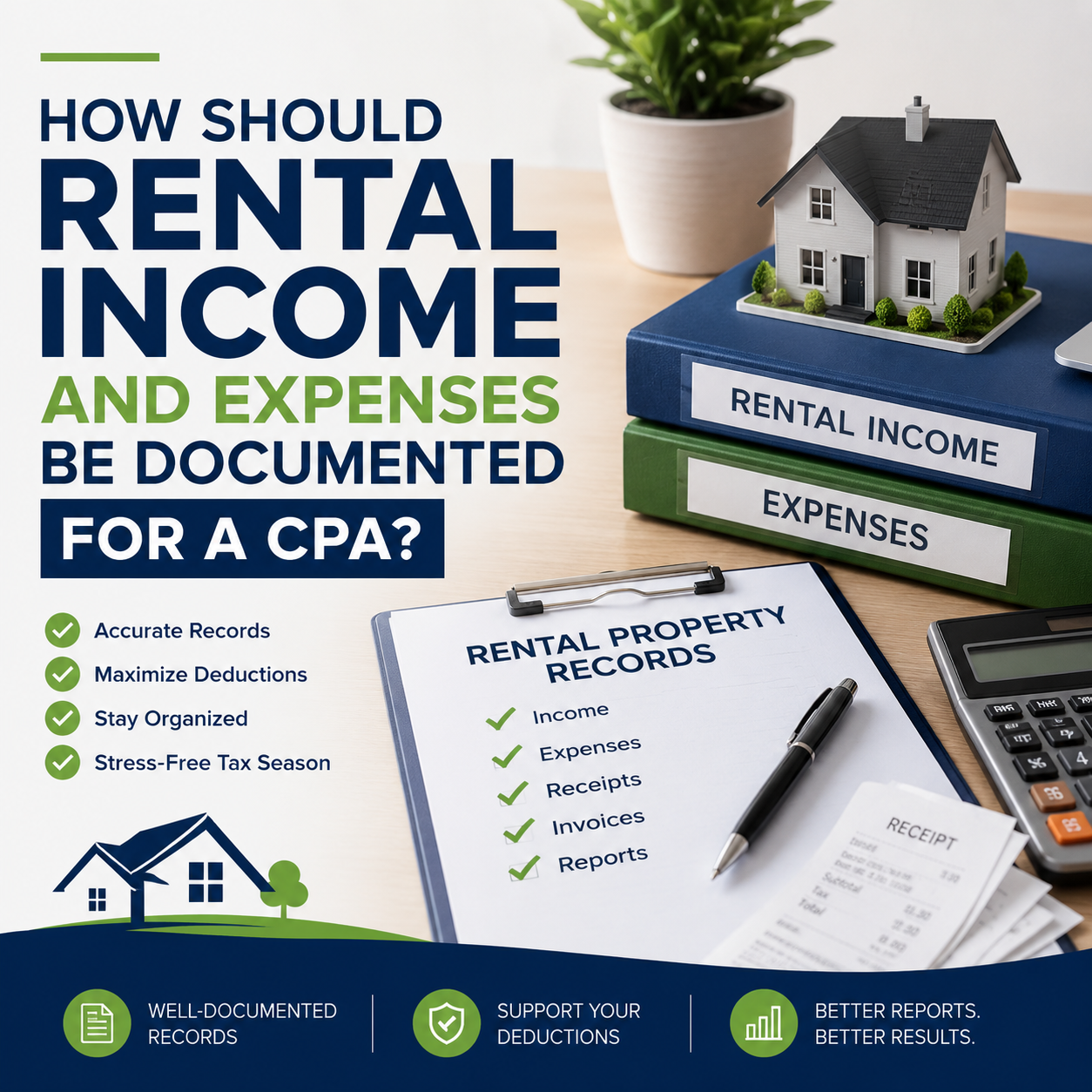
Good documentation makes it much easier to determine how an expense should be categorized later.
For significant repairs and improvements, consider keeping:
Instead of saving a receipt labeled simply "$4,500 – contractor," document exactly what the contractor did.
For example:
"Repaired damaged siding on east exterior wall"
is much more useful than:
"Property repair – $4,500."
Detailed records can also make conversations with your CPA or tax professional much easier.
Rental property owners should avoid grouping every property-related purchase into one generic "Repairs" category.
Instead, your bookkeeping should clearly distinguish between categories such as:
Repairs & Maintenance
For ordinary expenses associated with maintaining the property's existing condition.
Capital Improvements / Assets
For purchases or projects that may need to be capitalized and depreciated.
Maintaining this distinction throughout the year can save significant time when tax season arrives.
Keeping track of repairs, improvements, receipts, and other rental property expenses can quickly become complicated—especially when you own multiple properties.
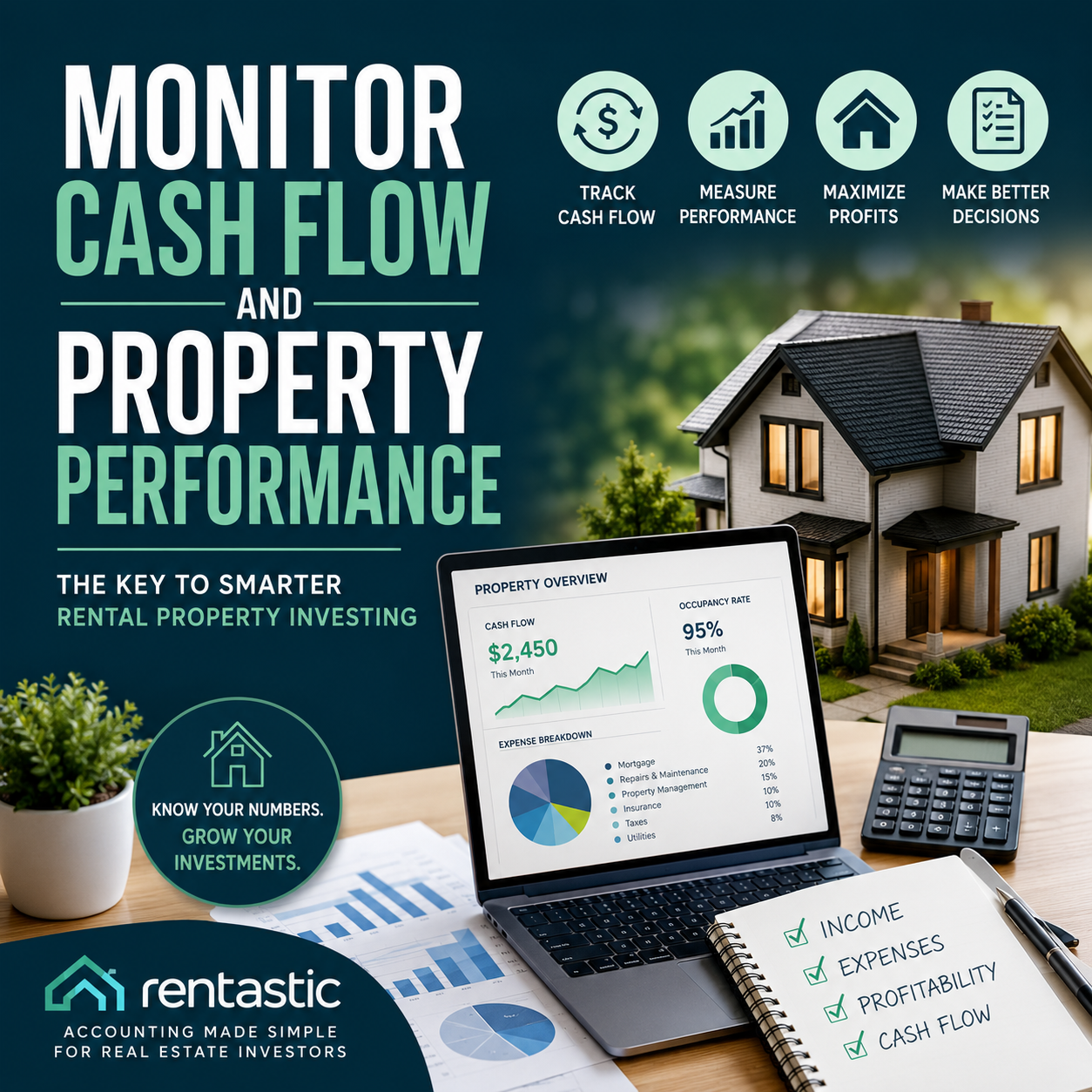
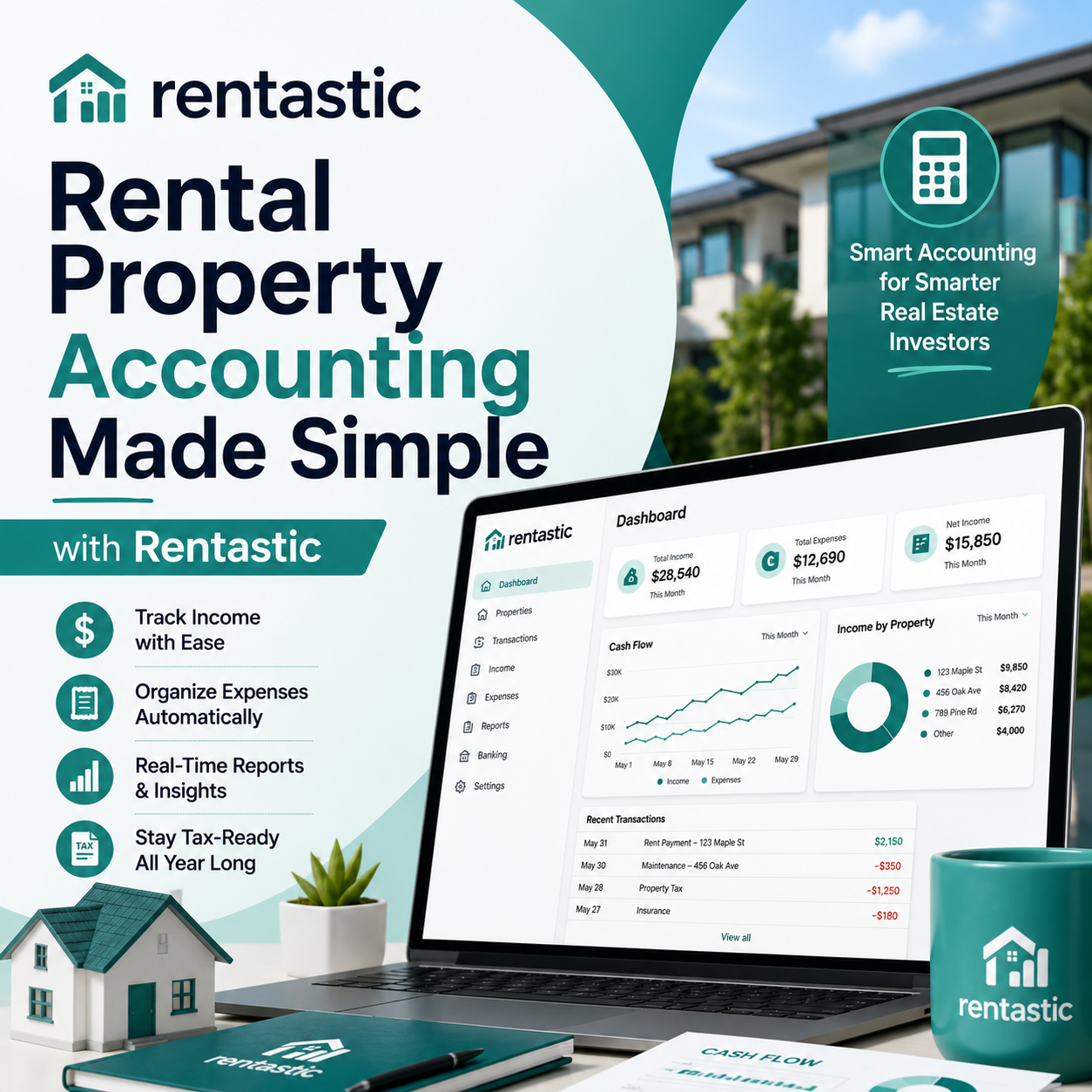
With Rentastic, landlords and real estate investors can keep their rental property finances organized throughout the year.
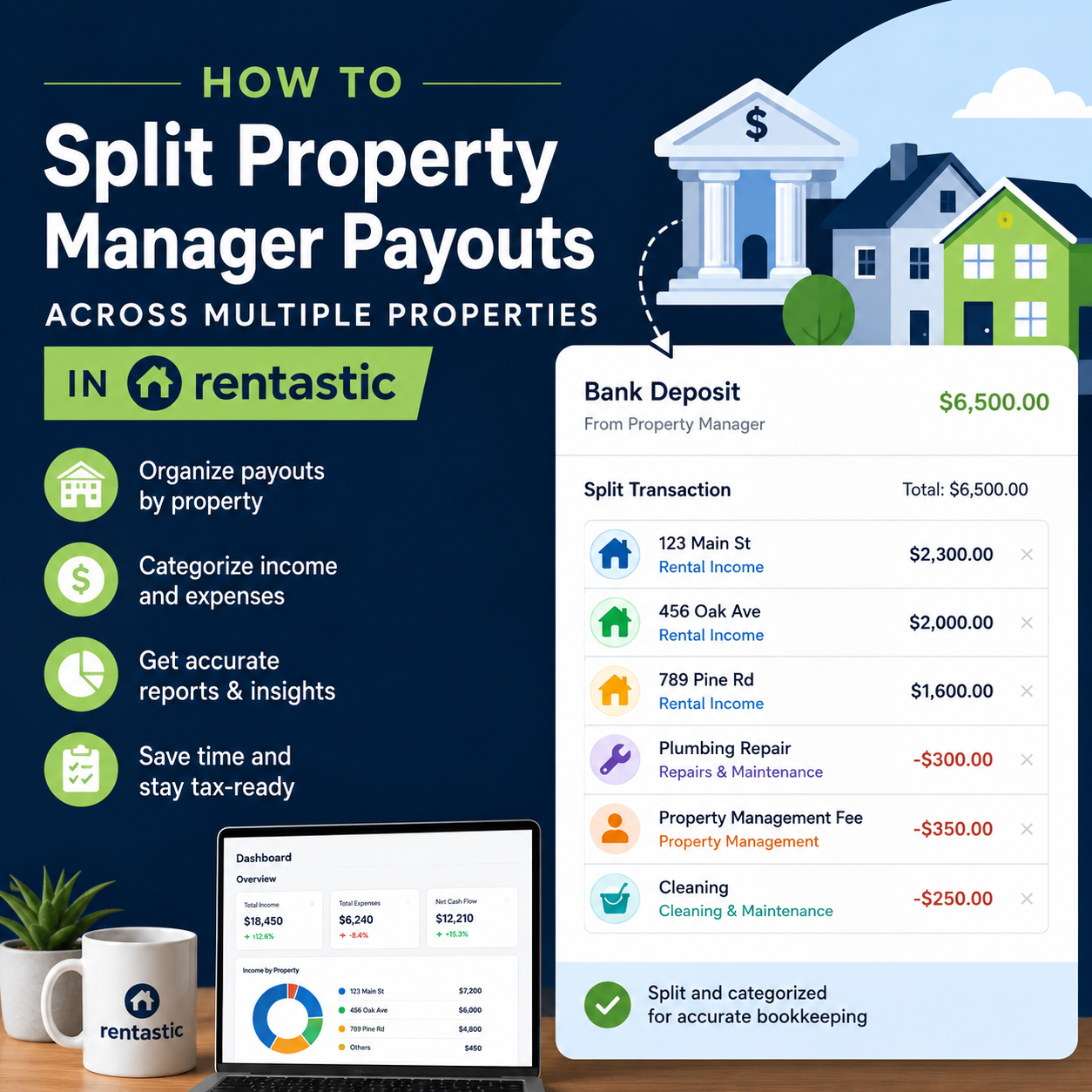
You can track income and expenses, categorize transactions, associate expenses with specific properties, store supporting records, and generate financial reports for your rental portfolio.
Instead of sorting through bank statements and receipts at tax time, maintaining organized records throughout the year gives you and your tax professional a clearer financial picture.
The basic distinction between CapEx and repairs can be summarized like this:
Repairs generally maintain or restore the property's existing condition.
Capital expenditures generally improve, restore, replace, or adapt significant parts of the property and provide benefits extending beyond the current year.
However, tax rules surrounding capitalization can become complicated, and seemingly similar projects may receive different treatment depending on the facts.
The best approach is to document every major property expense carefully, categorize it consistently, and consult a qualified tax professional when you're uncertain about the correct treatment.
Accurate bookkeeping today can make tax preparation—and understanding the true performance of your rental properties—much easier tomorrow.
This article is for general educational purposes and should not be considered tax, legal, or accounting advice. Consult a qualified tax professional regarding your specific situation.


© 2025 Rentastic
Rentastic is registered as a trademark. Terms and conditions, features, support, pricing, and service options subject to change without notice.



























.png)



























.png)














Comments