

Managing rental property finances becomes more complicated when your transactions are spread across multiple bank accounts. One account might collect rent, another might cover repairs, and a third might handle mortgage payments or property-related expenses.

Setting the right rental price is one of the most important decisions a landlord can make. Charge too much, and you risk longer vacancies. Charge too little, and you could be losing hundreds or even thousands of dollars in potential rental income every year.
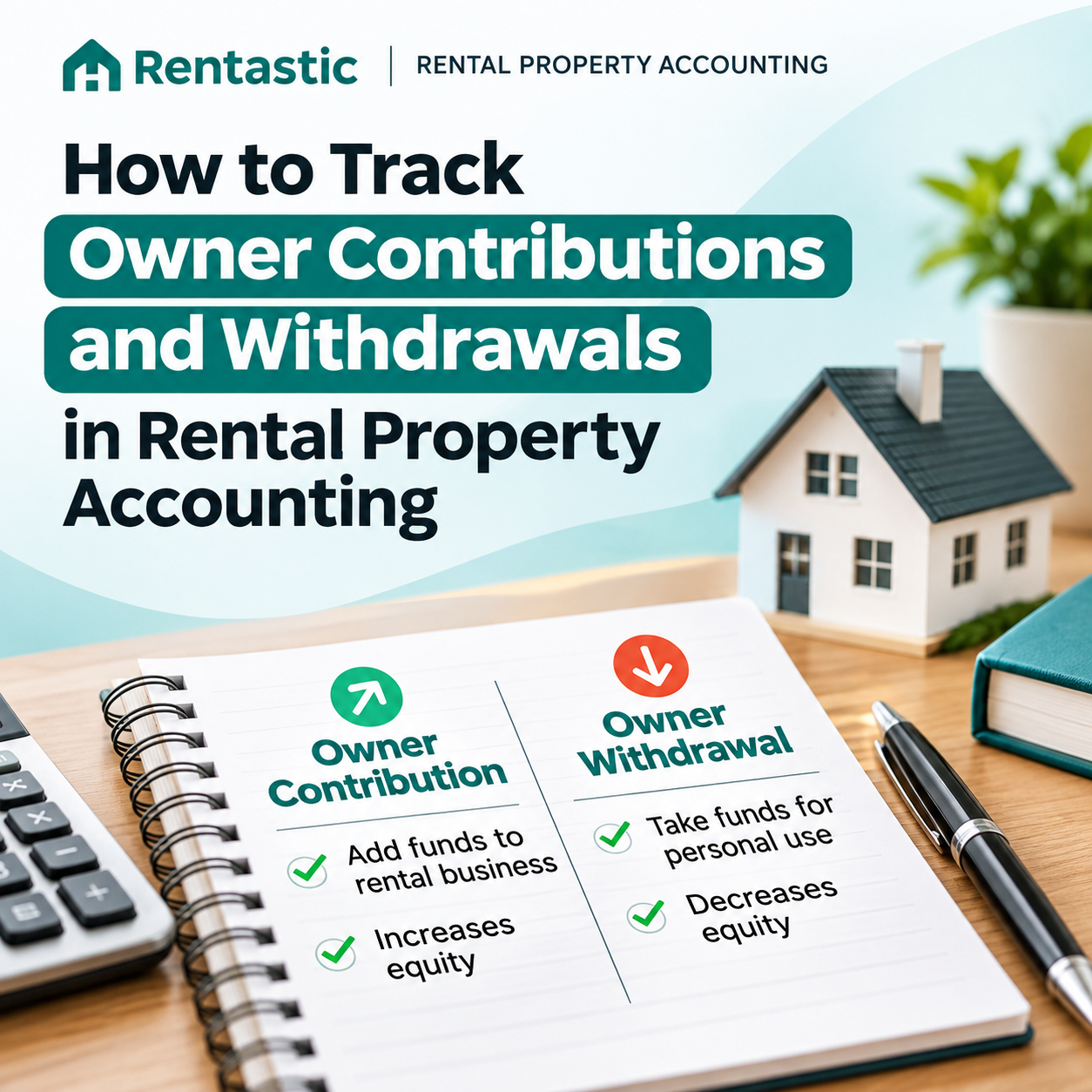
Managing rental property finances involves more than collecting rent and paying expenses. As a landlord, you may occasionally use personal funds to cover property costs or transfer money from your rental business into your personal bank account.

Managing rental properties comes with a long list of expenses. From maintenance and repairs to insurance premiums and property taxes, landlords constantly spend money to keep their investments running.

Managing rental property finances becomes much easier when you keep your personal and business expenses separate. But what happens when you accidentally pay for a rental property repair, maintenance service, or utility bill using your personal bank account?

A calculator is excellent for predicting cash flow before you buy a property. But once you own it, you need a system to track the actual dollars coming into and going out of your bank account. Rentastic is an advanced financial operating system built specifically for landlords.

Managing a rental property isn't just about collecting rent and paying bills. It's about understanding where your money is going, anticipating future expenses, and making sure your investment stays profitable throughout the year.

Managing a rental property comes with plenty of financial responsibilities. Even with careful planning, expenses can sometimes exceed your expectations.Maybe your property taxes increased, an unexpected repair drained your reserves, or maintenance costs have gradually climbed without you noticing.
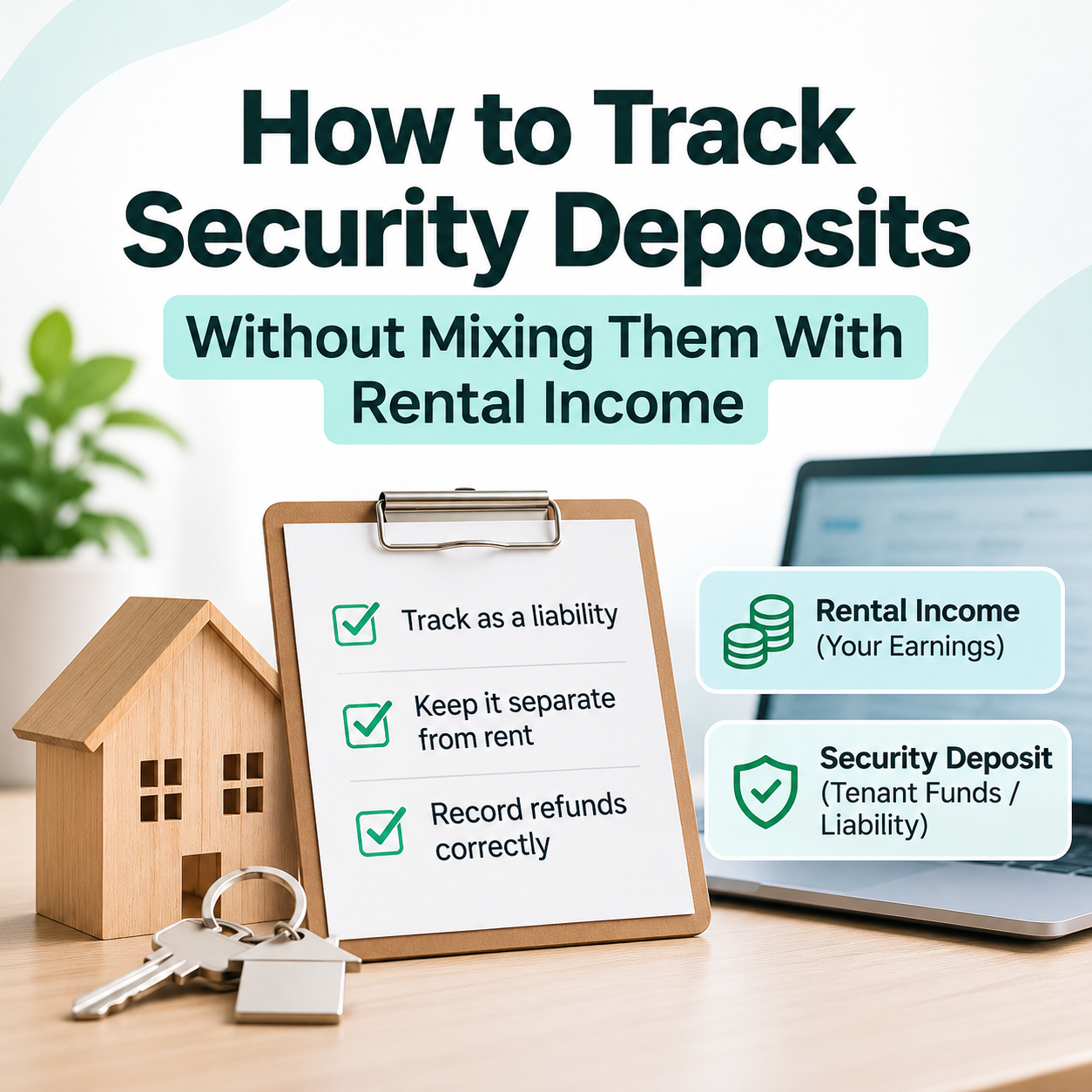
When a tenant pays a security deposit, the money enters your bank account just like rent. However, a security deposit is not automatically rental income. In most cases, it's money you're holding temporarily and may need to return when the tenant moves out.

Discover the most common rental property bookkeeping mistakes that make profits look higher or lower than they really are. Learn how to keep accurate records and make smarter investment decisions.


RECENT POSTS


© 2025 Rentastic
Rentastic is registered as a trademark. Terms and conditions, features, support, pricing, and service options subject to change without notice.

