
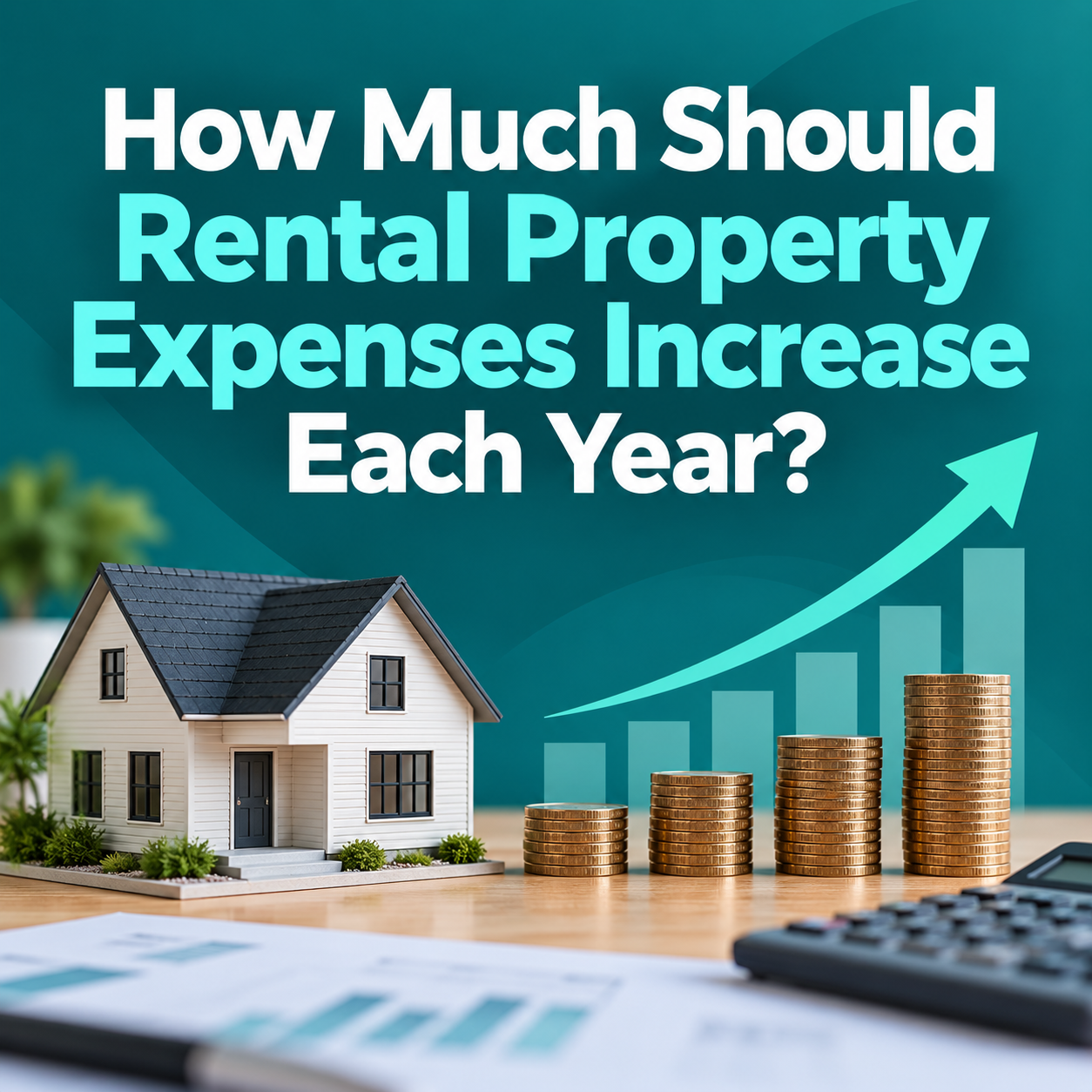
Rental income may stay relatively predictable, but the cost of owning a rental property rarely does.
Property taxes can rise. Insurance premiums change. Contractors increase their rates. Utilities become more expensive. And as a property gets older, maintenance and repair costs can become less predictable.
That raises an important question for landlords and real estate investors:
How much should rental property expenses increase each year?
There isn't one percentage that applies to every property. However, building annual expense increases into your projections can give you a much more realistic picture of future cash flow and profitability.
Rental properties are operating businesses, and most operating costs are affected by inflation, market conditions, property age, and changes in local taxes and insurance rates.
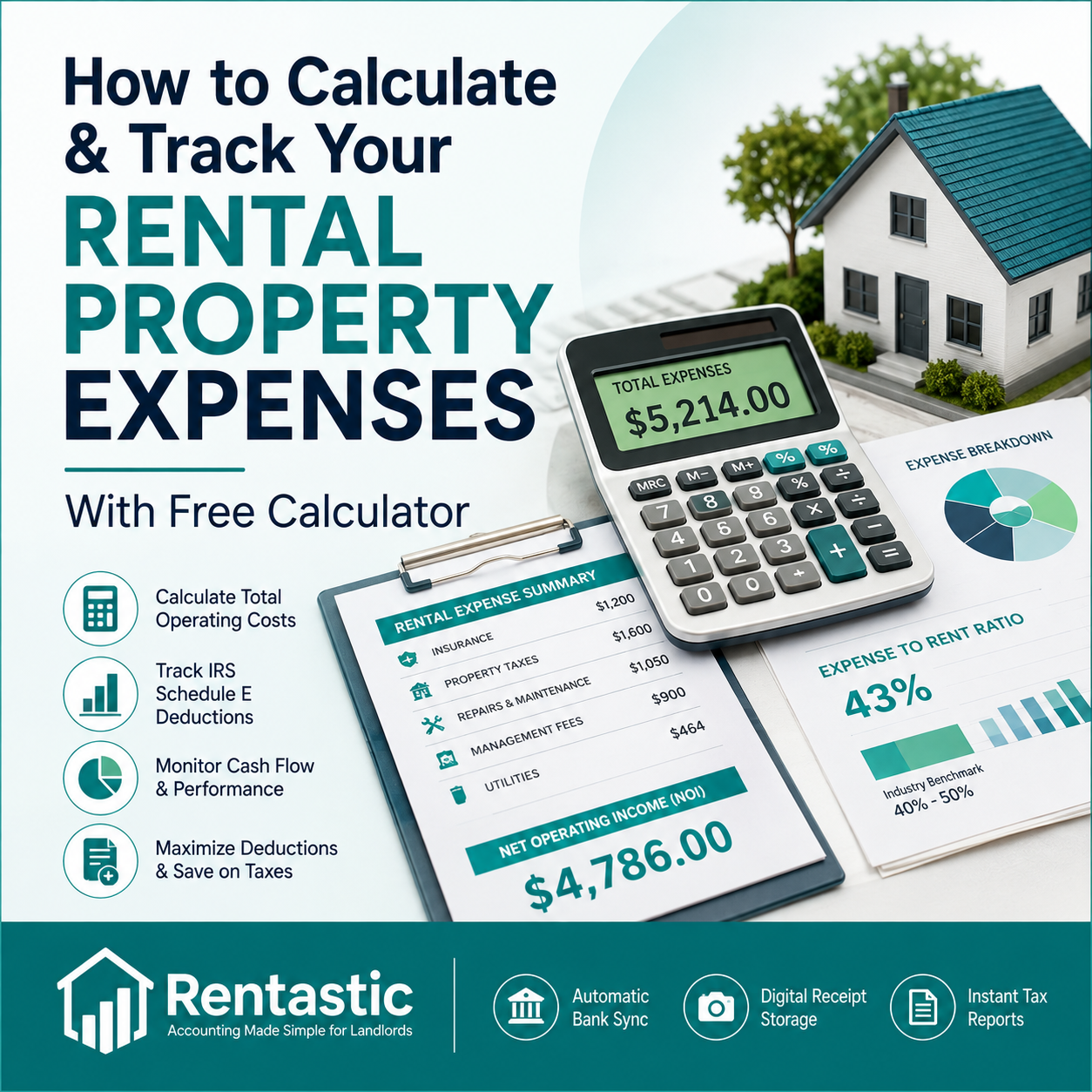
Common rental property expenses include:
Some expenses may barely change from one year to the next, while others can jump significantly.
That's why simply copying this year's expenses into a five- or ten-year investment projection can make future cash flow look better than it may actually be.
For long-term planning, some investors use a general inflation assumption as a starting point and then adjust individual expenses based on the property.
For example, imagine a rental property currently has $12,000 in annual operating expenses.
If you assume expenses increase by 3% annually:
YearEstimated Annual ExpensesYear 1$12,000Year 2$12,360Year 3$12,731Year 4$13,113Year 5$13,506
After five years, annual expenses would be approximately $1,500 higher than when you started.
And because increases compound, the difference becomes more significant over longer holding periods.
Using one percentage for every expense is convenient, but it isn't always the most accurate approach.
Property taxes can change because of reassessments, local tax rates, improvements to the property, or changes in assessed value.
Instead of assuming property taxes will remain flat, review the property's tax history and understand how assessments work in your area.
Insurance can be especially difficult to predict.
Premiums may be affected by the property's location, replacement costs, claims history, coverage changes, natural-disaster exposure, and broader insurance-market conditions.
For this reason, landlords may want to review actual renewal increases rather than relying entirely on a general inflation assumption.
Maintenance expenses tend to become more important as a property ages.
A newer property might require relatively little work during the first few years. An older property could eventually need major replacements such as:
Routine maintenance and major capital expenditures should also be considered separately.
Replacing a $10,000 roof isn't the same as paying $200 for a routine repair.
If your property manager charges a percentage of collected rent, management expenses may automatically increase when rent increases.
For example, if management costs 8% of collected rent, increasing monthly rent from $1,800 to $1,900 will also increase your management expense.
When landlords pay for water, electricity, gas, trash collection, or other utilities, those costs can change independently of general inflation.
Actual historical bills can provide a better starting point for projections.
One of the most important things landlords should monitor is whether expenses are increasing faster than rental income.
Consider a simplified example.
A property generates:
Annual rent: $30,000
Operating expenses: $12,000
Operating income before financing: $18,000
Now imagine rent increases by 2% while operating expenses increase by 5%.
The property may still generate positive cash flow, but its operating margin begins to shrink.
If that pattern continues for several years, a property that once looked highly profitable may become much less attractive.
This is why landlords shouldn't evaluate rent increases in isolation.
The more useful question is:
Is rental income growing fast enough to keep up with the cost of operating the property?
Annual averages can also hide expensive years.
You might spend only $1,500 on repairs one year and then face an $8,000 HVAC replacement the next.
Rather than assuming low-maintenance years will continue indefinitely, consider maintaining reserves for larger future expenses.
Common major expenses can include:
A rental can appear profitable month to month while still being underfunded for these long-term costs.
Instead of simply adding the same percentage to every expense, start with your property's actual numbers.
Review the previous few years of expenses and identify which categories are increasing.
You might discover, for example, that taxes have remained relatively stable while insurance and maintenance have risen much faster.
From there, build separate assumptions for major expense categories.
A basic forecast might look like this:
ExpenseCurrent Annual CostExample Planning AssumptionProperty Taxes$4,000Based on local assessment trendsInsurance$2,000Based on recent renewalsMaintenance$2,500Inflation + property ageManagement$2,400Based on rent/management agreementUtilities$1,500Based on historical bills
These assumptions aren't predictions. They're planning tools that can help you test how the investment performs under different conditions.
Instead of trying to predict exactly what expenses will be five years from now, consider creating several scenarios.
For example:
Conservative scenario: Expenses rise faster than expected.
Baseline scenario: Expenses follow your historical averages.
Favorable scenario: Expenses remain relatively stable.
Then compare the property's projected cash flow under each scenario.
This can help you answer questions such as:
Scenario planning can be more useful than relying on a single forecast.
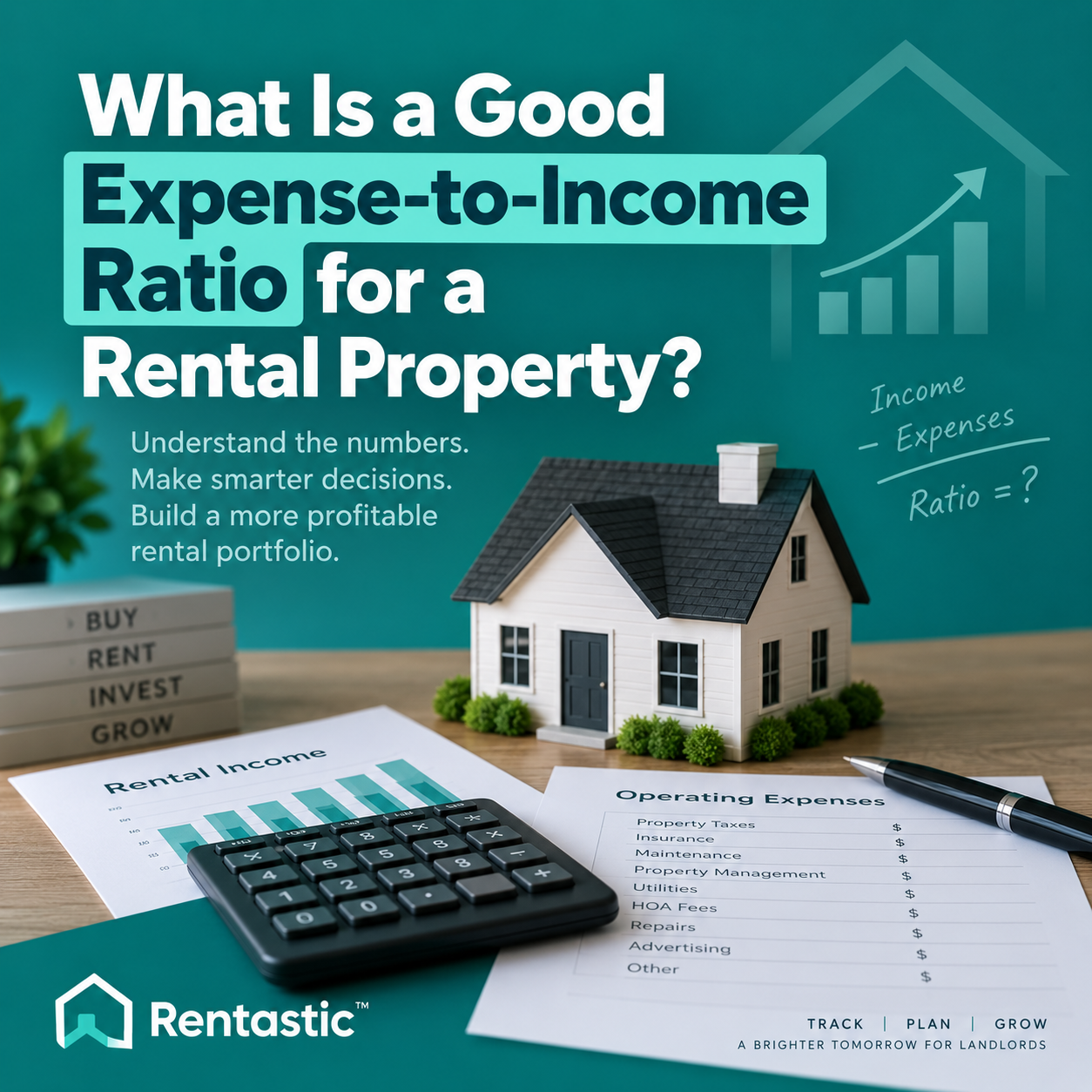
Another way to monitor rising expenses is to compare total operating expenses with rental income.
For example:
Annual rental income: $36,000
Annual operating expenses: $14,400
Expense-to-income ratio:
$14,400 ÷ $36,000 = 40%
If expenses increase to $16,200 while rental income only reaches $37,000:
$16,200 ÷ $37,000 = 43.8%
The property is still producing income, but expenses are consuming a larger percentage of revenue.
Tracking this ratio over time can help reveal deteriorating margins before they become a larger cash-flow problem.
Forecasts are useful when buying or planning for a property, but actual financial performance matters more once you own it.
Keeping accurate records allows you to compare:
What you expected to spend vs. what you actually spent.
That makes it easier to identify categories that are rising faster than expected and update future projections accordingly.
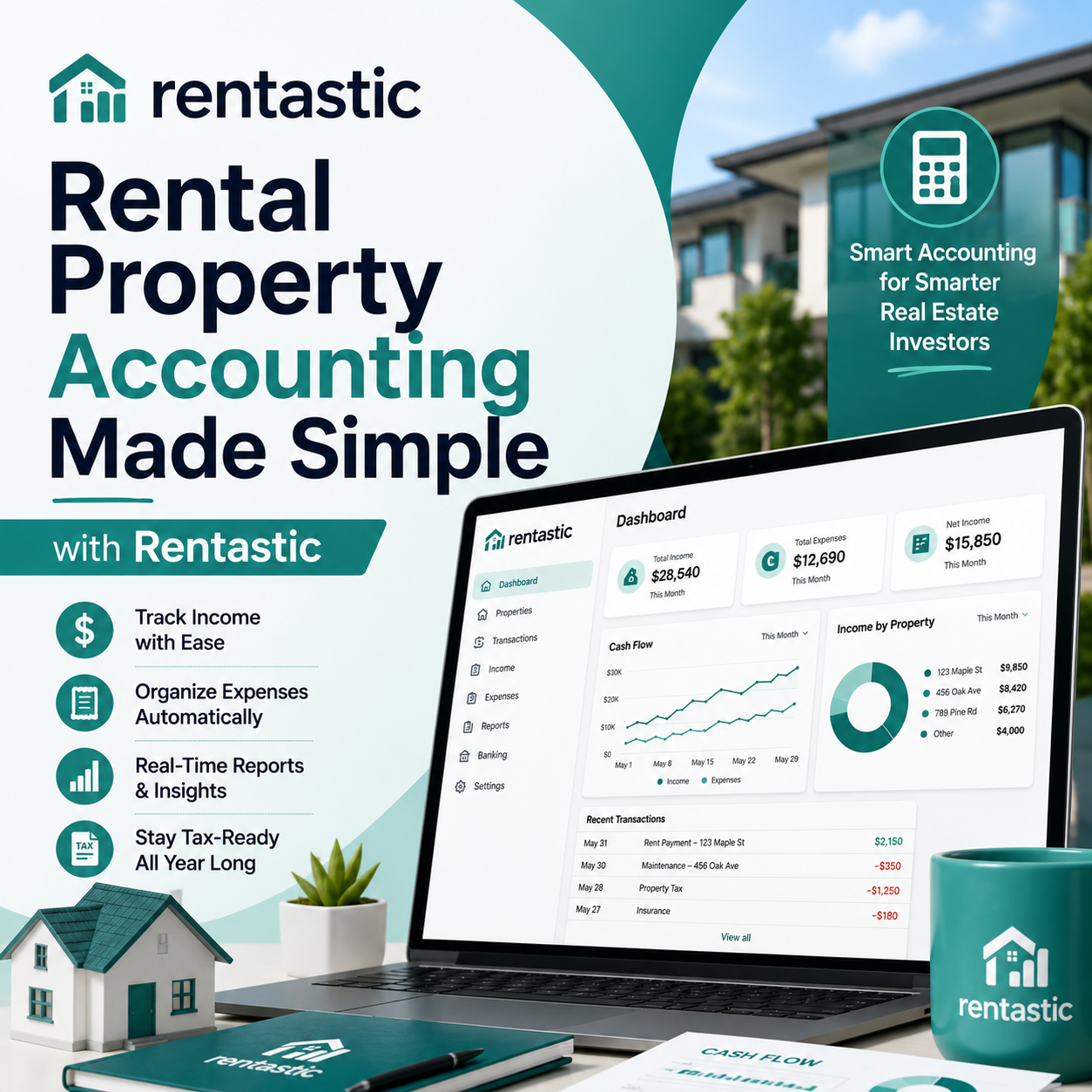
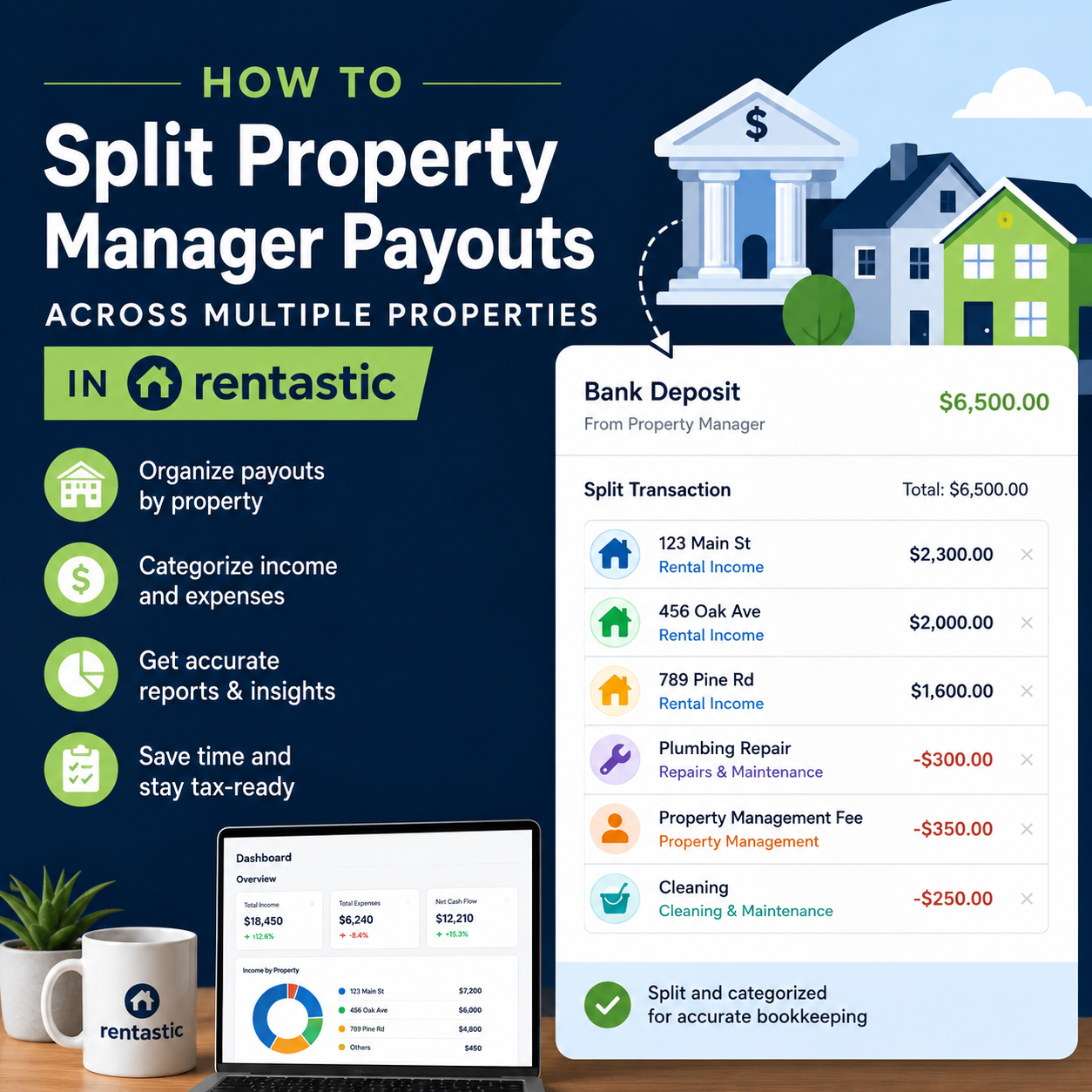
With Rentastic, landlords and real estate investors can organize rental income and expenses, categorize transactions, and review property performance in one place.
Instead of guessing whether operating costs are increasing, you can use your actual property data to understand how expenses are changing over time.
There is no universal percentage that rental property expenses should increase every year.
A general inflation assumption can provide a starting point, but a stronger forecast looks at each expense individually.
Property taxes, insurance, maintenance, management fees, utilities, and major repairs can all behave differently.
The goal isn't to perfectly predict every future expense.
It's to make sure your investment can handle higher costs without destroying your cash flow.
Track your actual expenses, review them annually, maintain adequate reserves, and compare expense growth with rent growth.
The better you understand where your money is going, the easier it becomes to determine whether your rental property is becoming more—or less—profitable over time.
Want a clearer picture of your rental property's income and expenses?
Use Rentastic to organize your rental finances and understand how your properties are performing.
RECENT POSTS


© 2025 Rentastic
Rentastic is registered as a trademark. Terms and conditions, features, support, pricing, and service options subject to change without notice.




























.png)


























.png)








Comments