
Owning a rental property is usually a long-term investment, but that does not mean every property deserves to stay in your portfolio forever.
A property that once generated reliable income can begin struggling because of rising expenses, declining rental demand, expensive repairs, financing costs, or changes in the local market. Sometimes the right move is to improve the property's performance. Other times, selling can free up capital for a stronger investment.
So, when should you sell an underperforming rental property?
The answer starts with understanding why the property is underperforming and whether the problem is temporary, fixable, or likely to continue.
An underperforming rental property isn't necessarily one that loses money every month.
A property can technically produce positive cash flow while still delivering a poor return compared with the amount of equity you have invested in it.
For example, imagine you have $200,000 in equity tied up in a rental property that produces only $3,000 in annual cash flow.
Your cash return relative to that equity is only:
$3,000 ÷ $200,000 = 1.5%
That doesn't automatically mean you should sell. Appreciation, tax considerations, financing, and your long-term strategy also matter. But it should encourage you to examine whether your capital could be working harder elsewhere.
One bad month isn't necessarily a reason to sell.
A major repair, vacancy, insurance payment, or property tax bill can temporarily push a profitable rental into negative territory.
The bigger concern is persistent negative cash flow.
Calculate your actual rental income and subtract expenses such as:
If the property consistently requires you to contribute personal money just to keep it operating, determine whether there is a realistic path back to positive cash flow.
If there isn't, selling deserves serious consideration.
Rental income might increase over time, but so can operating expenses.
Insurance premiums, property taxes, maintenance, utilities, HOA fees, and contractor costs can gradually reduce your margins.
For example:
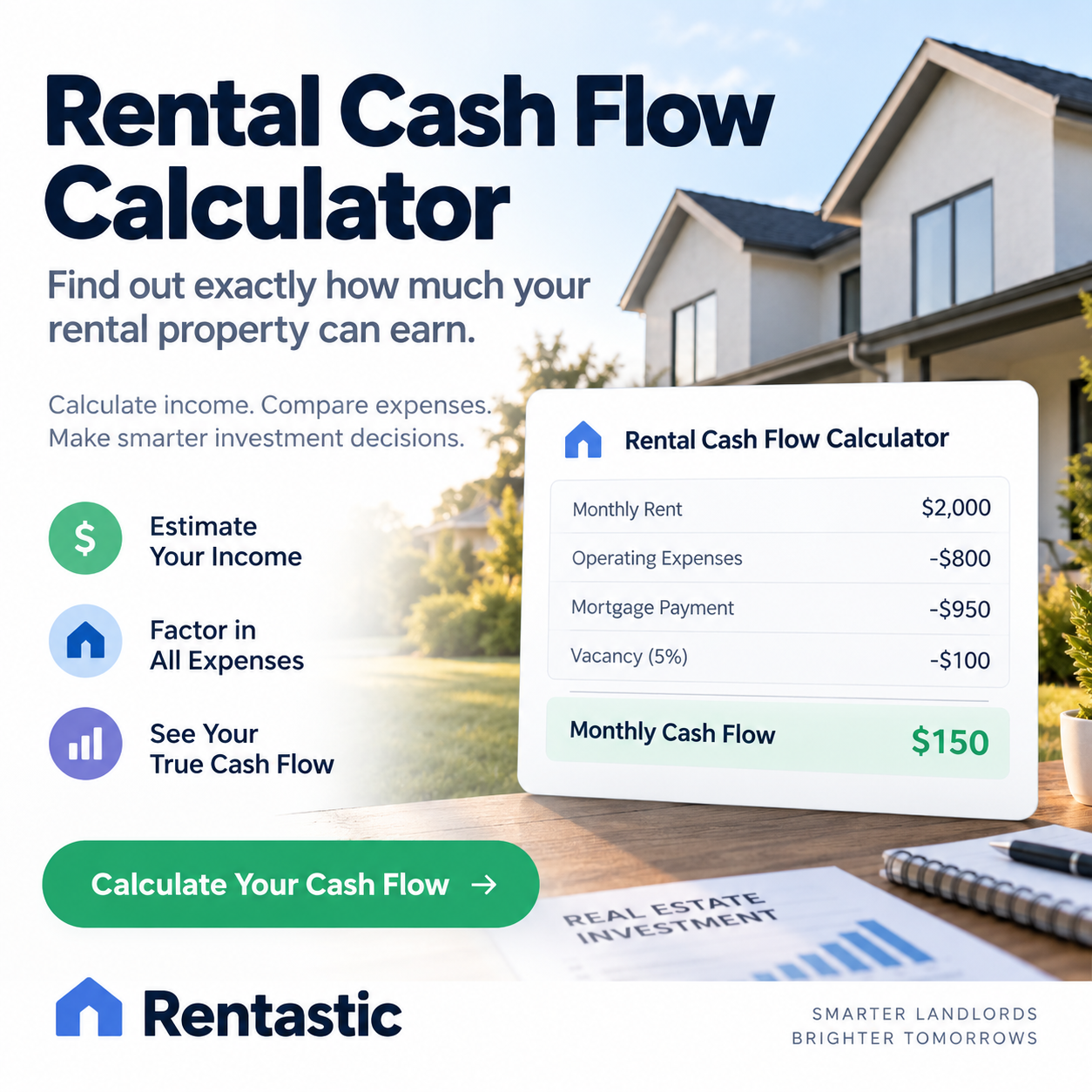
Monthly rent: $2,000
Monthly operating and financing costs: $1,850
Remaining cash flow: $150
A relatively small increase in insurance, taxes, or maintenance could eliminate that cash flow entirely.
Track your property's expense-to-income ratio over time rather than looking only at rent increases. Rising rent doesn't necessarily mean profitability is improving.
Every rental property eventually requires significant capital expenditures.
These might include:
Suppose your property produces $4,000 in annual cash flow but needs a $25,000 roof replacement soon.
That's more than six years of current cash flow.
Before automatically selling, compare the repair cost with the property's expected future performance and potential increase in value. Sometimes making the repair is still the stronger long-term financial decision.
But when major capital expenditures combine with weak cash flow and limited appreciation potential, selling may become more attractive.
Occasional vacancies are part of owning rental property.
Persistent vacancies are different.
If you're repeatedly struggling to attract qualified tenants, investigate why.
Possible causes include excessive rent, outdated property features, poor marketing, increased competition, neighborhood changes, or weakening rental demand.
Start by determining whether the problem can reasonably be corrected.
You might improve the property, adjust rent, offer better amenities, or change your marketing strategy.
If vacancies continue despite reasonable improvements, the property's underlying market may no longer fit your investment strategy.
This is one of the easiest metrics for landlords to overlook.
Imagine you purchased a property for $180,000 years ago. Today, it's worth approximately $350,000 and you owe only $100,000.
You now have roughly:
$350,000 − $100,000 = $250,000 in equity
If the property generates $6,000 in annual cash flow, that's roughly a 2.4% annual cash return on your current equity before considering transaction costs, appreciation, taxes, and other benefits.
The property may still be profitable.
But the better question becomes:
Is keeping $250,000 tied up in this property still consistent with my investment goals?
Investors can compare that return with realistic alternatives while accounting for differences in risk, liquidity, taxes, and management requirements.
Real estate performance depends heavily on location.
A property that performed well five years ago may operate in a very different environment today.
Watch for longer vacancy periods, declining population or employment, increasing rental supply, weakening rents, higher property taxes, insurance challenges, or major changes in the neighborhood.
One indicator shouldn't determine your decision.
Instead, look for a consistent trend across several factors.
Temporary market weakness may reward patience. Long-term structural changes may justify reconsidering whether you want to continue owning the property.
Financial performance isn't the only consideration.
A property might generate positive cash flow while requiring disproportionate amounts of your time.
Frequent repairs, difficult tenant turnover, long-distance management, contractor coordination, and recurring maintenance problems all create a management burden.
Calculate the value of your time as part of the property's overall performance.
If one property consumes significantly more attention than the rest of your portfolio while producing weaker returns, selling it could simplify your portfolio.
Sometimes the property itself isn't necessarily bad.
You simply have a better opportunity for the capital.
Selling could potentially allow you to use the proceeds to:
However, compare the alternatives carefully. Selling involves transaction costs and potentially significant tax consequences.
Before selling an investment property, estimate your after-tax proceeds, not simply the sale price minus the mortgage.
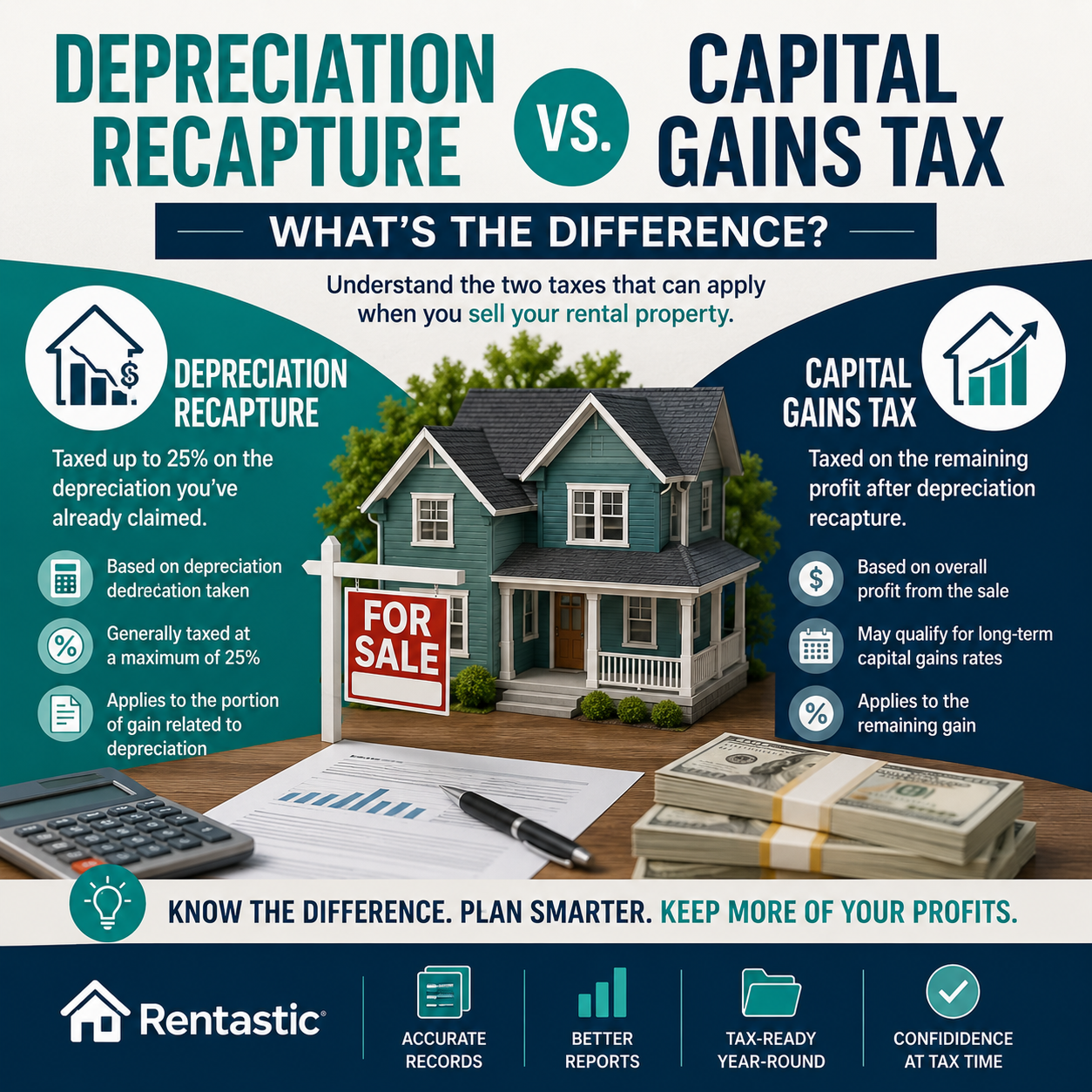
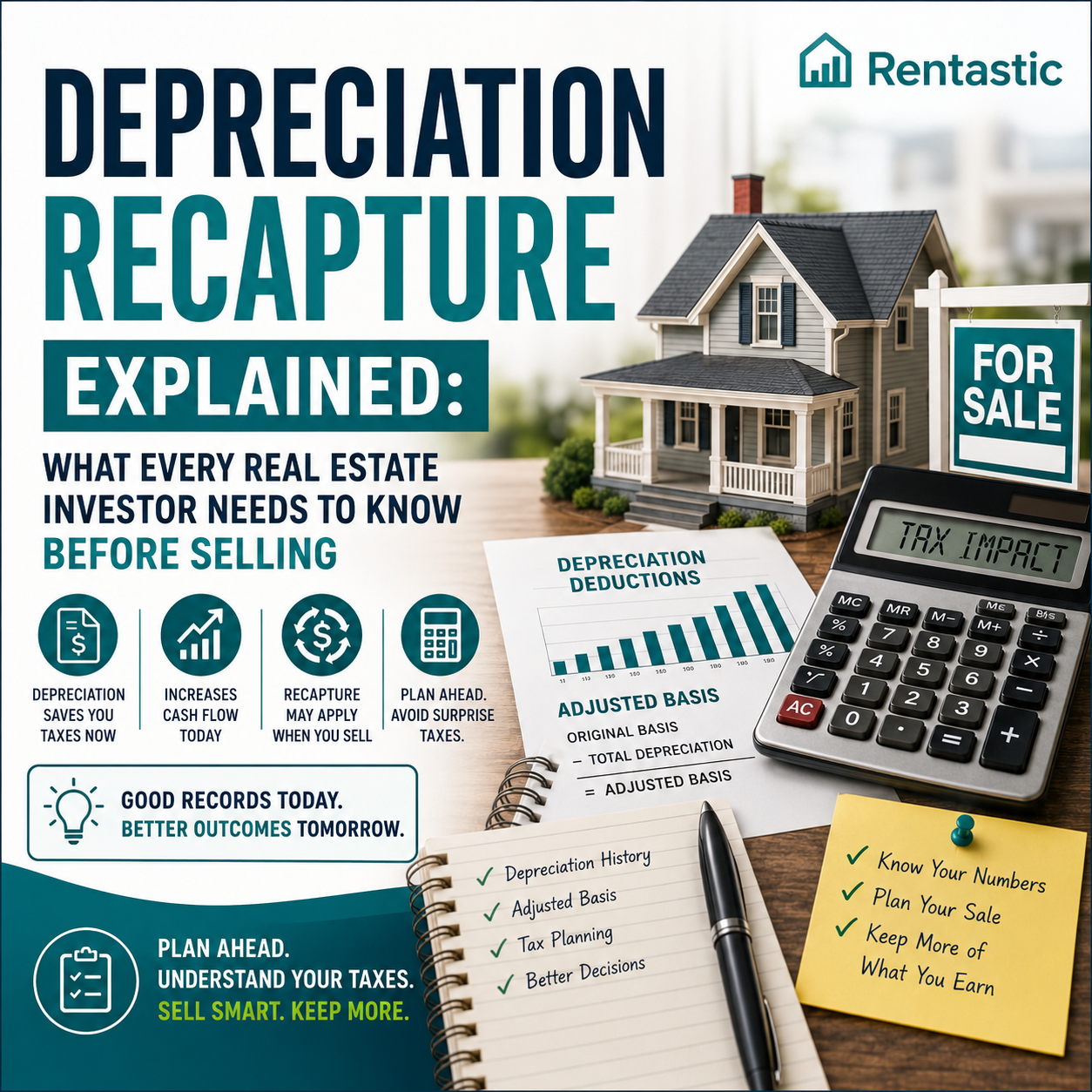
Depending on your situation, selling may involve capital gains taxes, depreciation recapture, state taxes, closing costs, agent commissions, and other expenses.
For example:
Expected sale price
− Remaining mortgage
− Selling and closing costs
− Estimated taxes
= Estimated net proceeds
That final number is much more useful when comparing selling with continuing to hold the property.
A tax professional can help you understand how a sale could affect your specific situation.
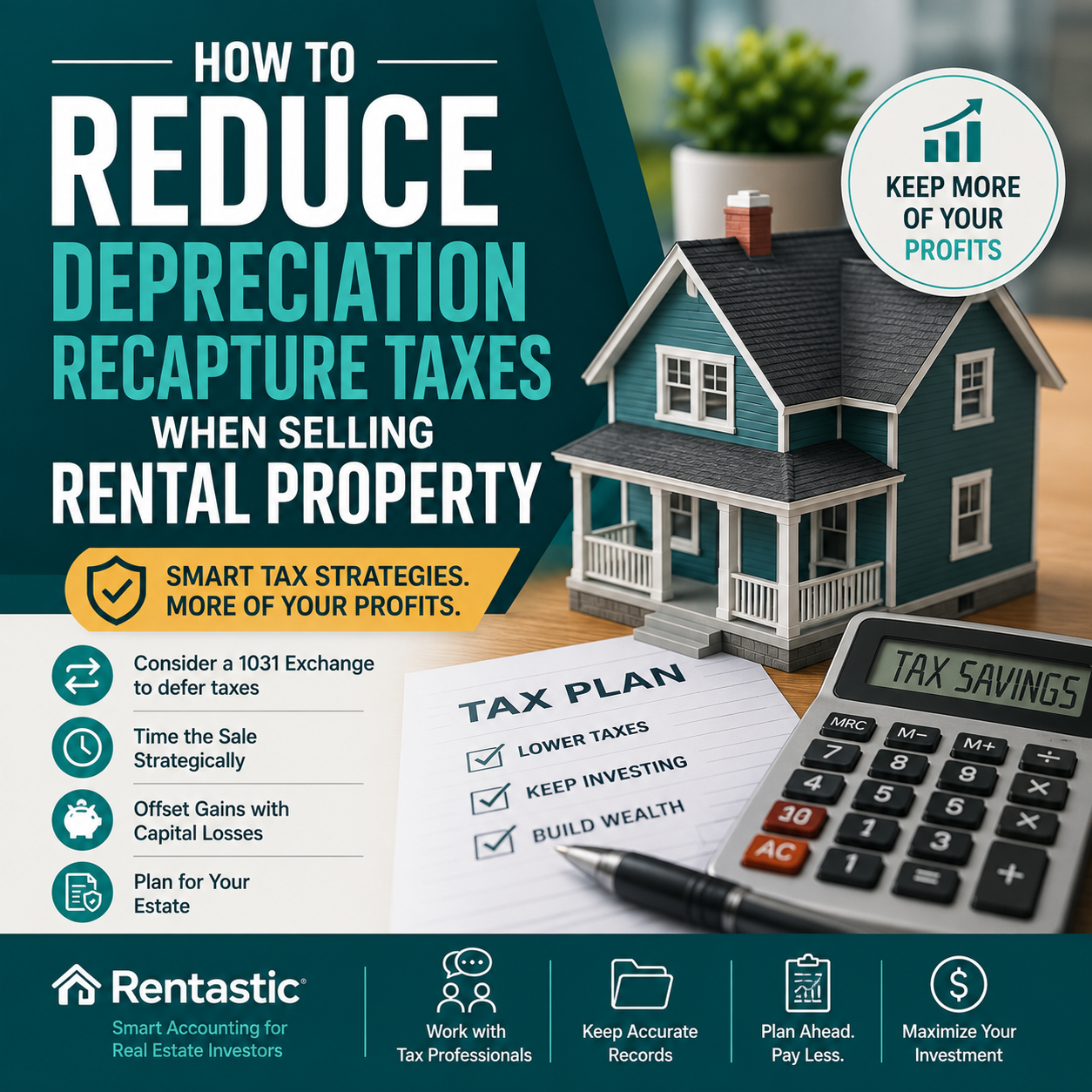
Some U.S. real estate investors may be able to use a 1031 exchange when selling qualifying investment real estate and purchasing another qualifying property.
When structured correctly, a 1031 exchange can defer certain taxes that would otherwise be triggered by the sale.
However, 1031 exchanges have strict requirements and deadlines, so investors considering one should plan before completing the sale and work with qualified tax and exchange professionals.
Before putting an underperforming rental property on the market, evaluate:
These questions help turn an emotional decision into a financial one.
Think of the decision as three possibilities.
Hold: The property remains fundamentally strong, and the current weakness appears temporary.
Improve: The property could perform significantly better after adjusting rent, reducing expenses, renovating, refinancing, or improving management.
Sell: Persistent weak cash flow, large upcoming expenses, poor return on equity, unfavorable market trends, or a better use for the capital make continued ownership less attractive.
There is no single metric that tells every landlord when to sell.
The goal is to evaluate the entire investment.
Selling a rental property is a major financial decision, and accurate records make that decision much easier.
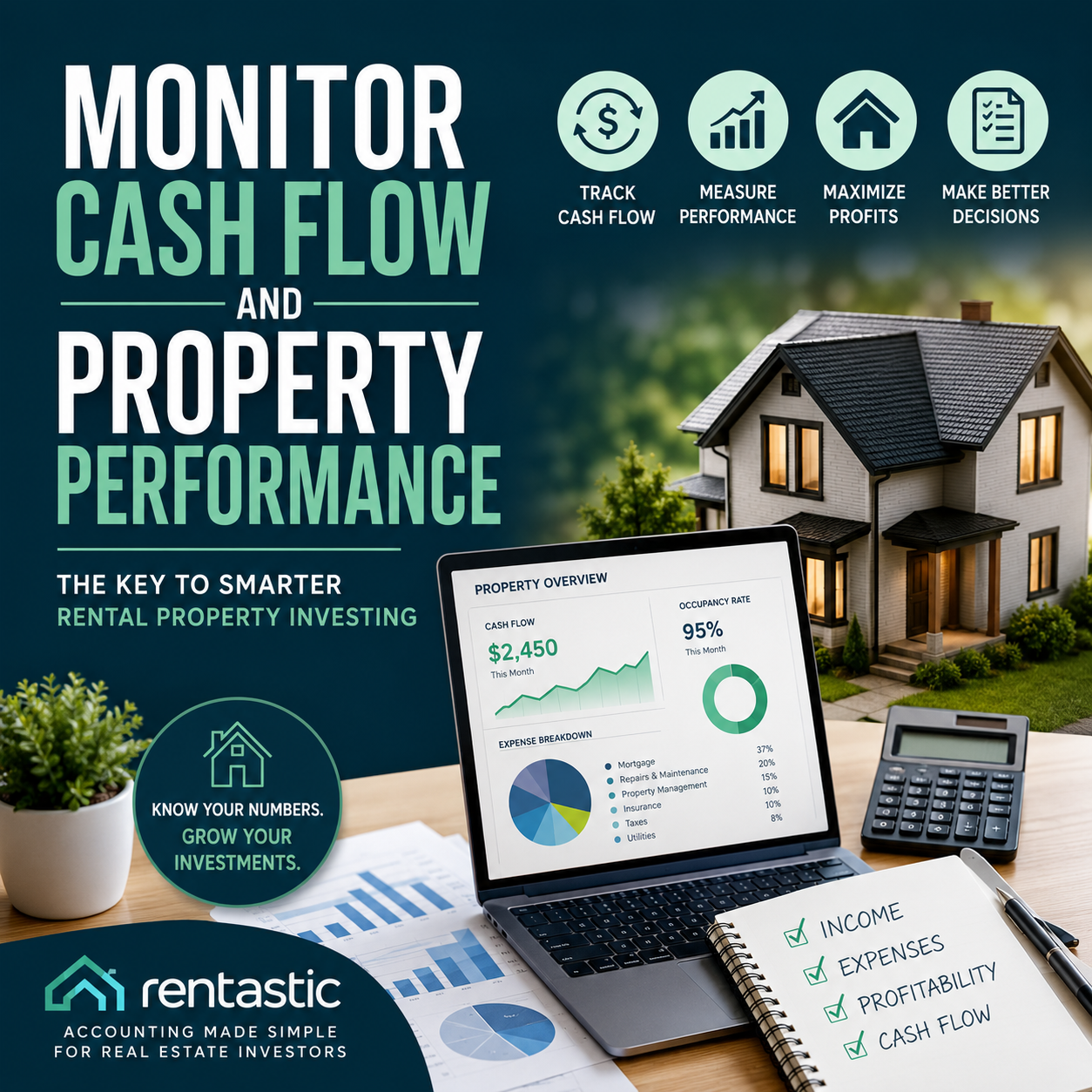
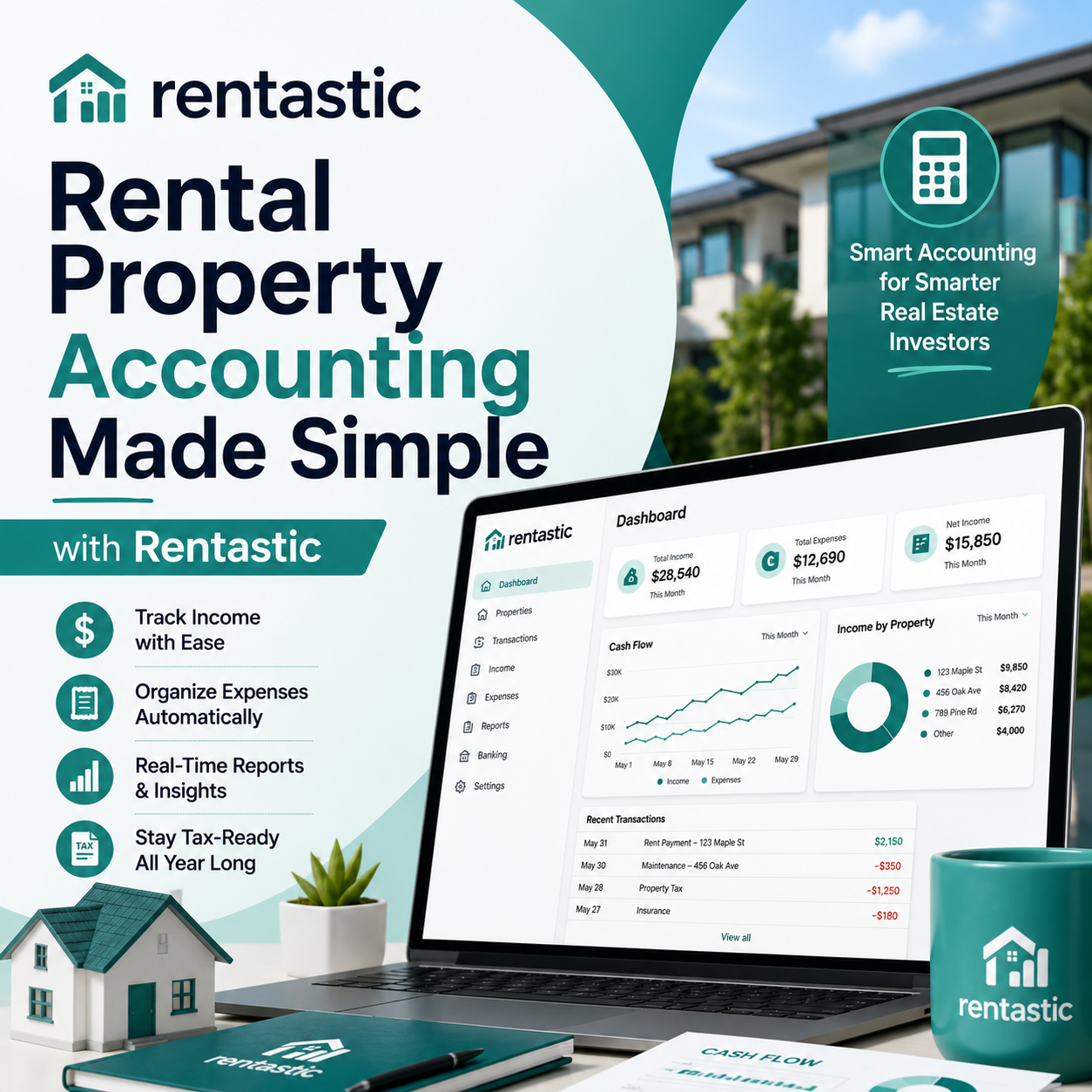
With Rentastic, landlords and real estate investors can organize rental income and expenses, monitor cash flow, review property performance, and keep financial records organized across their portfolio.
Instead of relying on assumptions about whether a property is performing well, you can use your actual financial data to evaluate it.
When the numbers are organized, it becomes easier to answer the question that really matters:
Is this property still helping me reach my investment goals—or is my capital better used somewhere else?


© 2025 Rentastic
Rentastic is registered as a trademark. Terms and conditions, features, support, pricing, and service options subject to change without notice.








.png)




















.png)












Comments