
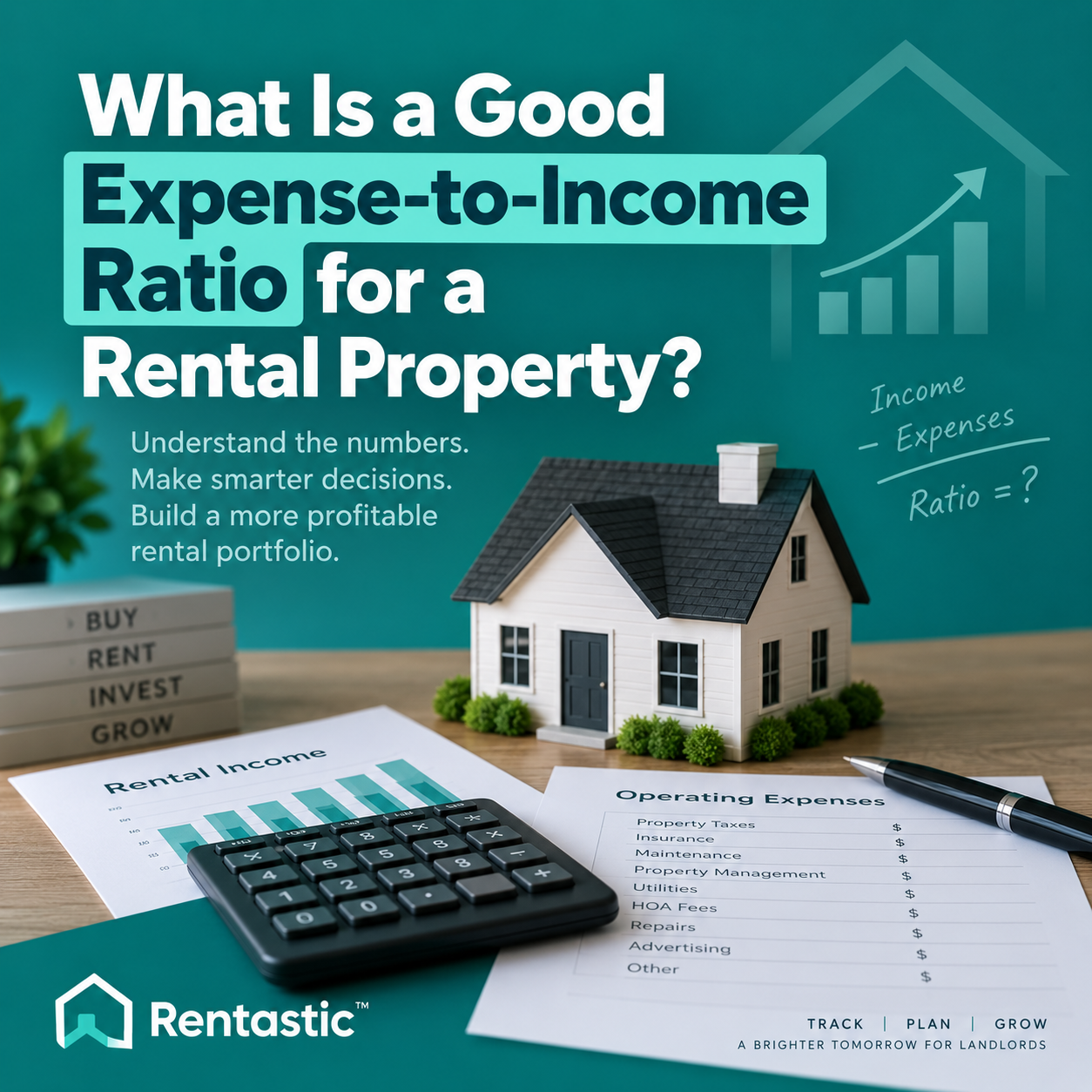
Owning a rental property isn't just about collecting rent. What matters is how much of that rental income remains after paying the expenses required to operate the property.
One useful way to measure this is the expense-to-income ratio.
This simple metric shows what percentage of your rental income is being consumed by operating expenses. Tracking it can help you identify rising costs, compare properties, and understand whether your rental is operating efficiently.
The expense-to-income ratio compares a rental property's operating expenses with the income it generates.
The basic formula is:
Expense-to-Income Ratio = Total Operating Expenses ÷ Gross Rental Income × 100
For example, suppose a rental property generates $30,000 in annual rental income and has $12,000 in operating expenses.
$12,000 ÷ $30,000 × 100 = 40%
That means 40% of the property's rental income is being used to cover operating expenses, leaving 60% before expenses that are excluded from the calculation, such as debt service and income taxes.
There isn't one percentage that works for every rental property. Expense ratios vary depending on the property's location, age, type, management structure, utilities, insurance costs, taxes, and maintenance requirements.
As a general screening guideline, many real estate investors use the 50% rule. This rule assumes that approximately half of a property's gross rental income may eventually go toward operating expenses, excluding mortgage principal and interest.
However, the 50% rule is an estimate—not a target and not a substitute for analyzing the property's actual expenses.
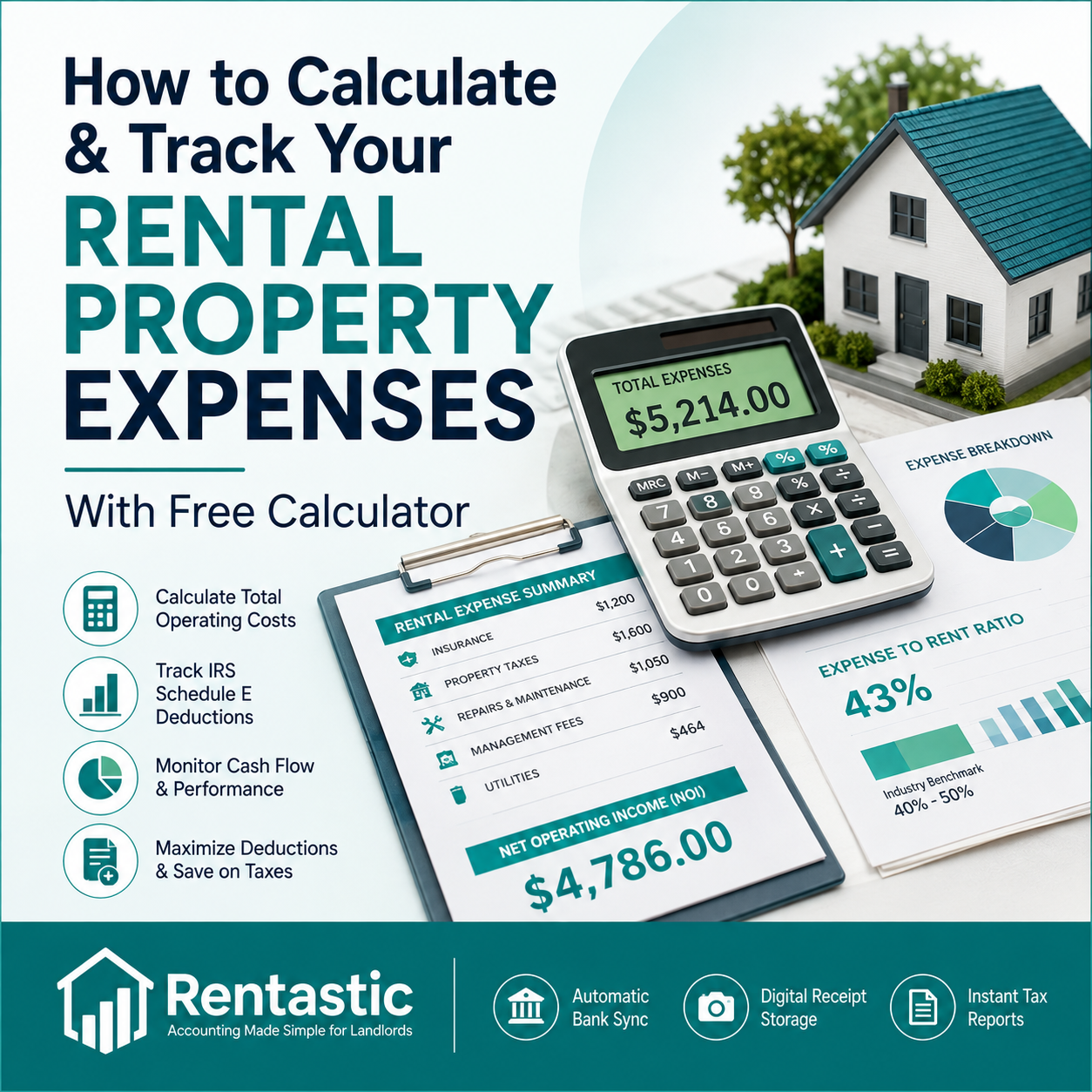
A property with an expense-to-income ratio below 50% may have relatively low operating expenses, while a ratio consistently above 50% means a larger portion of rental income is being consumed by operating costs.
The important question is why the ratio is at its current level.
For the ratio to be useful, landlords need to consistently categorize their expenses.
Common operating expenses can include:
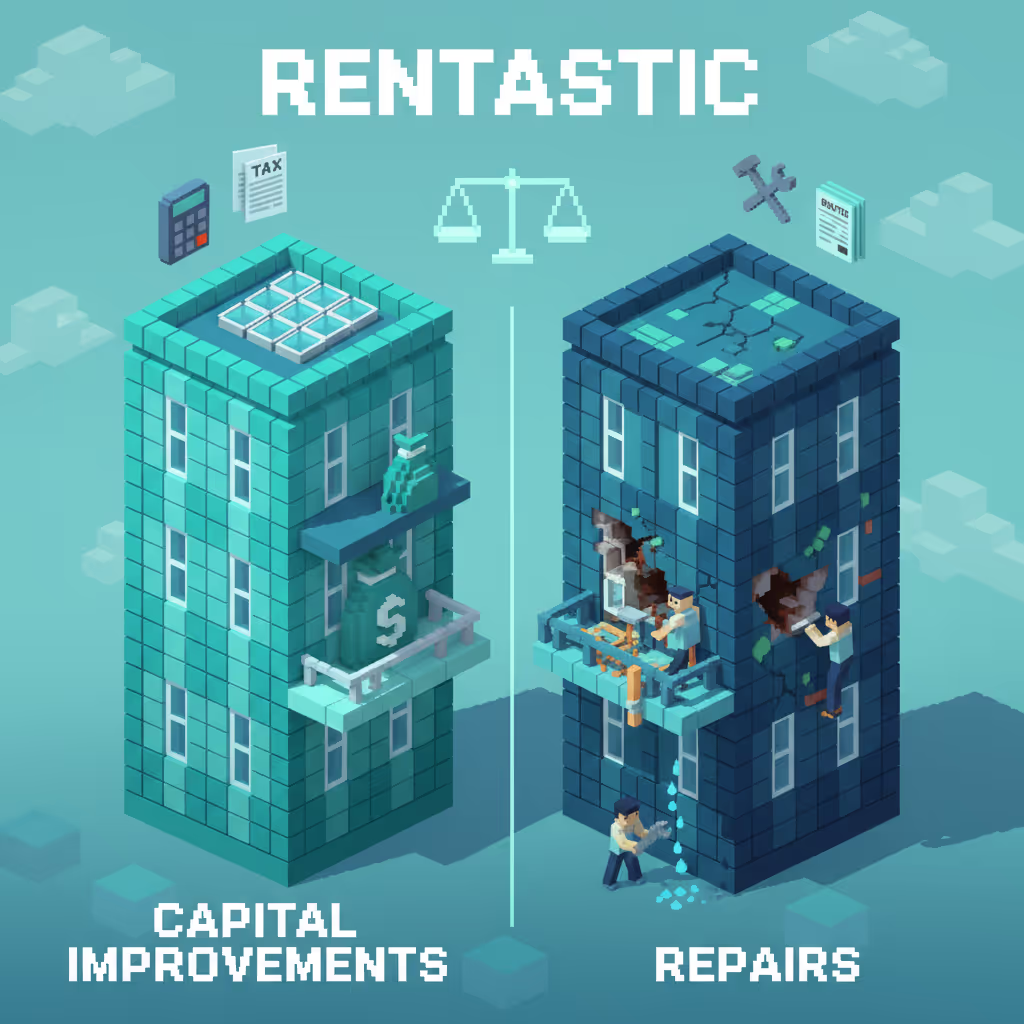
Mortgage payments are generally treated separately when evaluating operating performance. Major capital improvements may also be analyzed separately rather than treated like routine operating expenses.
Keeping these categories consistent makes it easier to compare performance from one year to another.
It may seem that the lowest possible expense ratio is automatically best, but that isn't necessarily true.
Imagine two properties.
Property A has a 25% expense-to-income ratio but has significant maintenance that the owner has postponed.
Property B has a 40% ratio because the owner regularly performs preventive maintenance and professionally manages the property.
Property A appears more efficient based solely on the ratio, but deferred repairs could result in much larger costs later.
Expense ratios should therefore be considered alongside the property's condition, vacancy history, cash flow, and long-term maintenance requirements.
A high or increasing ratio deserves investigation.
It could indicate that:
One unusually expensive repair doesn't necessarily mean the property is performing poorly. That's why comparing several months or years of financial data can provide a clearer picture.
The expense-to-income ratio and cash flow measure different things.
The expense ratio tells you how much of your income is being consumed by operating expenses.
Cash flow tells you how much money remains after paying the property's applicable cash expenses, including financing costs.
For example, a rental could have reasonable operating expenses but still produce weak cash flow because its mortgage payment is high.
That's why landlords shouldn't rely on a single metric when evaluating a rental property.
You may also hear the term Operating Expense Ratio (OER).
The concepts are closely related. OER is commonly calculated by dividing operating expenses by a property's gross operating income or effective gross income, depending on the analysis being performed.
Because definitions can vary, the most important thing is to use the same formula consistently when comparing properties or tracking performance over time.
If your operating expenses are consuming too much of your rental income, start by identifying which categories are increasing.
Review recurring costs such as insurance, utilities, maintenance contracts, property management fees, and other services. Preventive maintenance can also help reduce the risk of larger emergency repairs.
At the same time, review rental income and vacancy. A property's expense ratio can increase even when expenses remain unchanged if rental income falls.
Most importantly, avoid cutting necessary expenses simply to improve the percentage. The goal is sustainable profitability, not the lowest possible ratio.
Calculating an expense-to-income ratio is easy when your rental finances are organized.
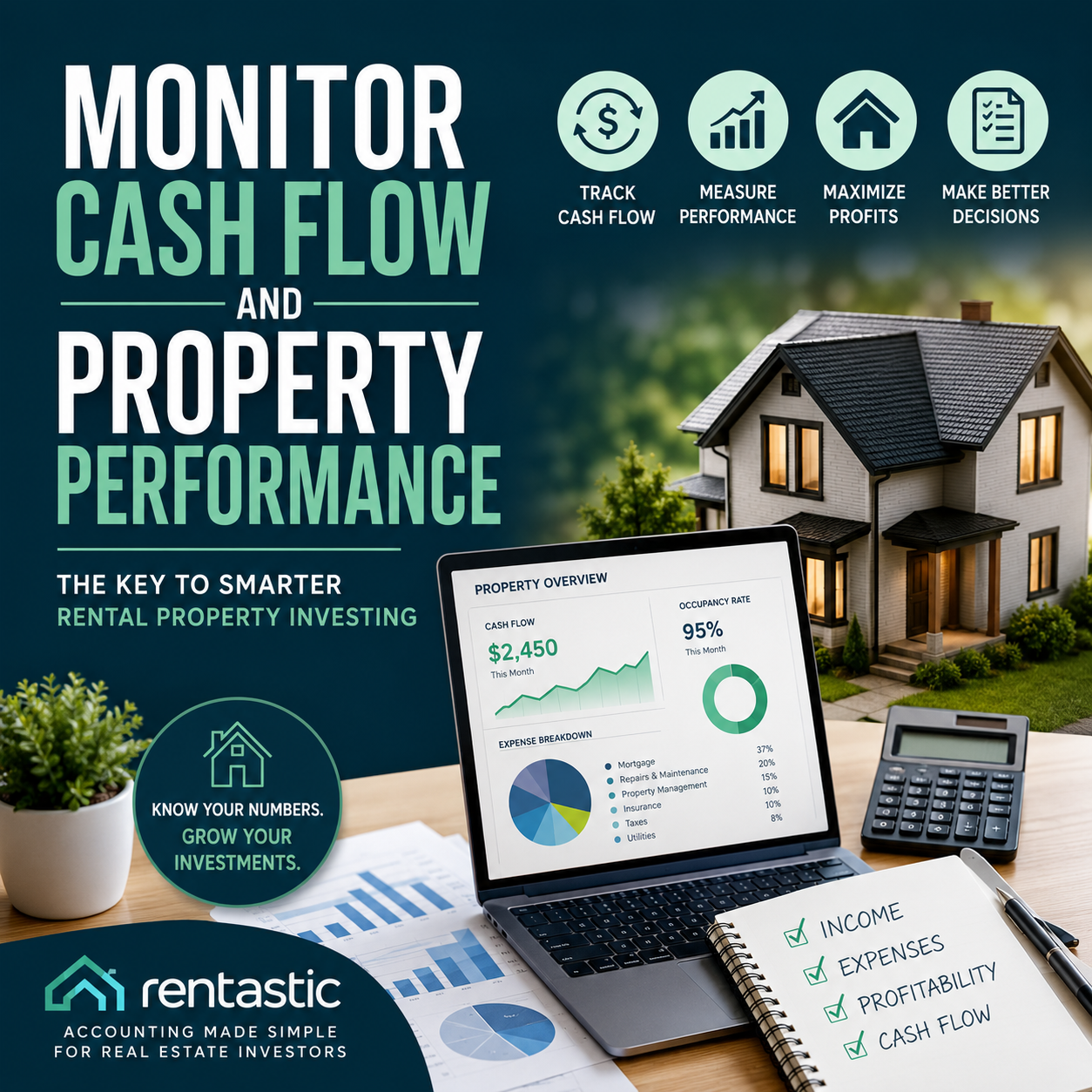
Rentastic helps landlords and real estate investors track rental income and expenses, categorize transactions, and monitor property performance in one place.
Instead of sorting through spreadsheets or bank statements every time you want to evaluate a property, keeping accurate financial records gives you a clearer picture of where your rental income is going.
With better records, you can identify rising expenses earlier and make more informed decisions about your rental portfolio.
There is no universal "perfect" expense-to-income ratio for a rental property.
The 50% rule can provide a quick starting estimate, but actual expenses can be significantly higher or lower depending on the property.
Rather than focusing on reaching one specific percentage, track your ratio consistently and compare it with your property's historical performance.
If expenses are rising faster than rental income, investigate what's driving the change. If your ratio remains stable while your cash flow improves, that's generally a sign that the property's financial position is moving in a favorable direction.
Ultimately, understanding where every rental dollar goes can help you make better decisions, protect your cash flow, and build a more financially sustainable rental portfolio.


© 2025 Rentastic
Rentastic is registered as a trademark. Terms and conditions, features, support, pricing, and service options subject to change without notice.




























.png)






























.png)















Comments