
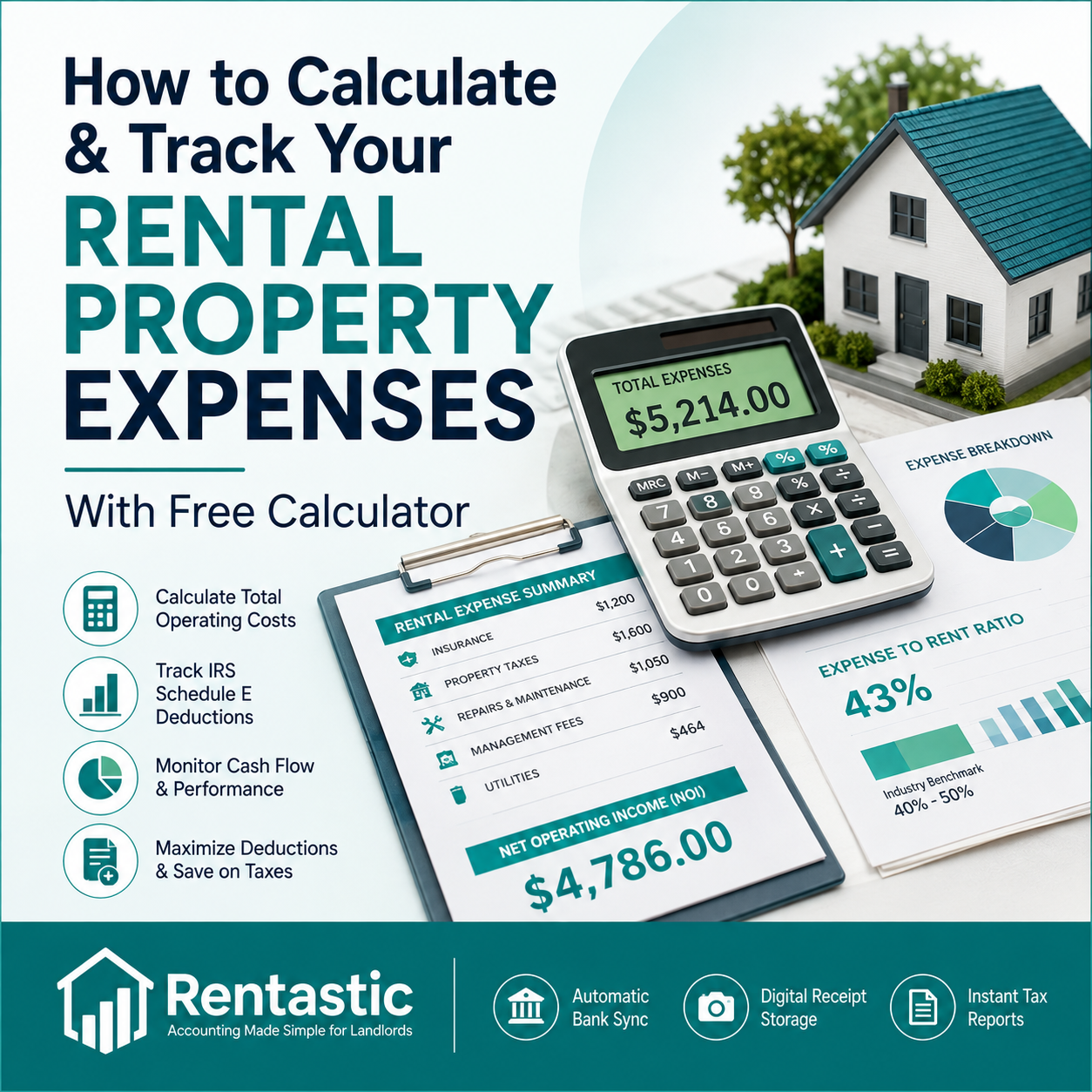
What is a rental expense calculator?
A rental expense calculator is a tool used by landlords and real estate investors to organize, estimate, and categorize their property’s operating costs. It helps ensure that all allowable IRS Schedule E tax deductions are accounted for, allowing investors to accurately calculate their Net Operating Income (NOI).
Many new landlords focus purely on gross rental income, but your Net Operating Income (NOI)—what is left over after paying your operating expenses—is what actually determines your property's profitability.
If you don't aggressively track your expenses, two things happen:
Using a rental expense calculator helps you establish a baseline budget, track where your money is going, and benchmark your property’s performance against industry standards.
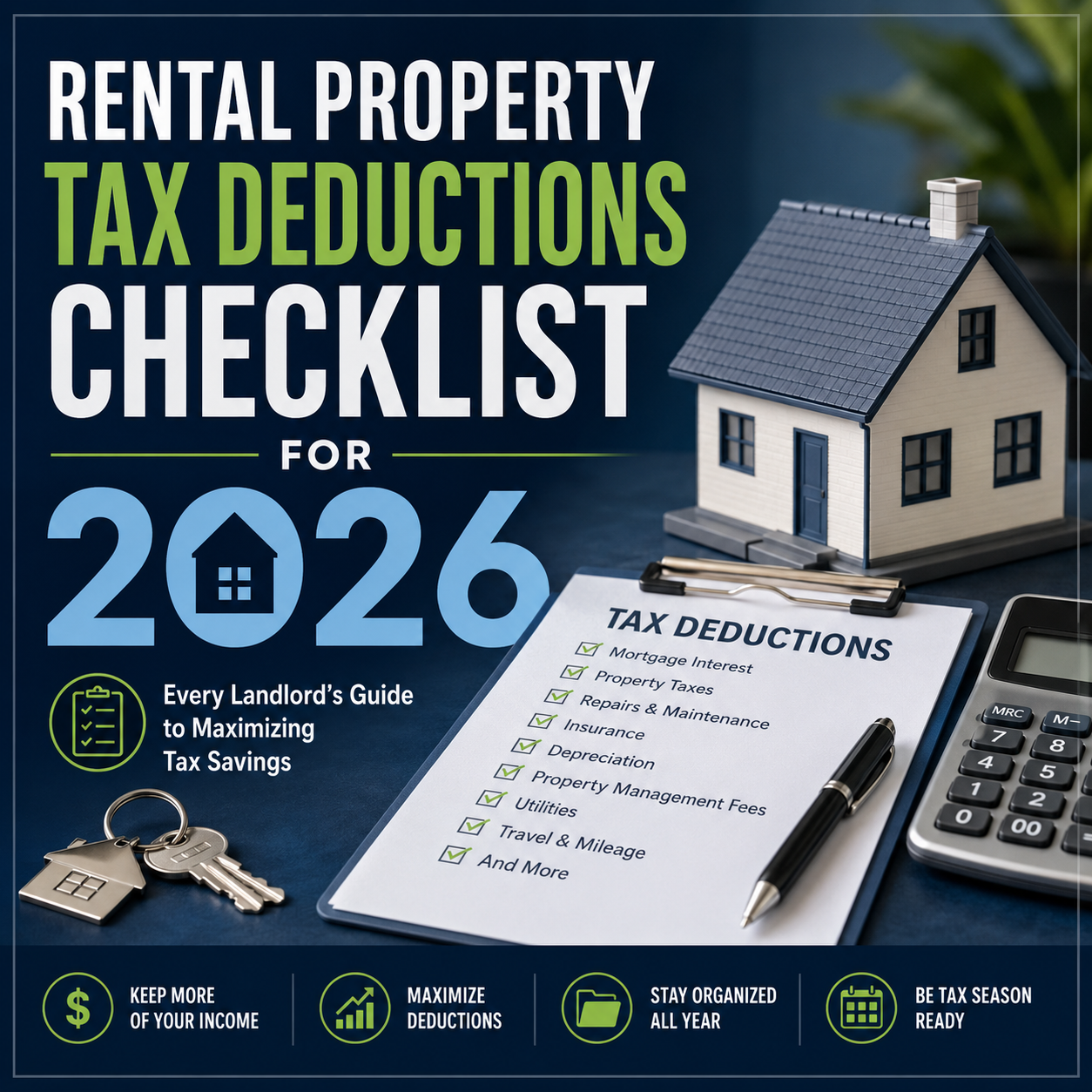
When tracking your expenses, it is highly recommended to group them into the exact categories used by the IRS on Schedule E. Here are the most common deductible expenses:
This covers recurring upkeep that keeps the property in a rentable condition. Examples include landscaping, pool maintenance, pest control, and professional cleaning between tenants.
The premiums you pay for landlord hazard insurance, liability insurance, or flood insurance are fully deductible.
If you hire a professional property manager to handle tenant placement, rent collection, and maintenance coordination, their fees are considered a standard operating expense.
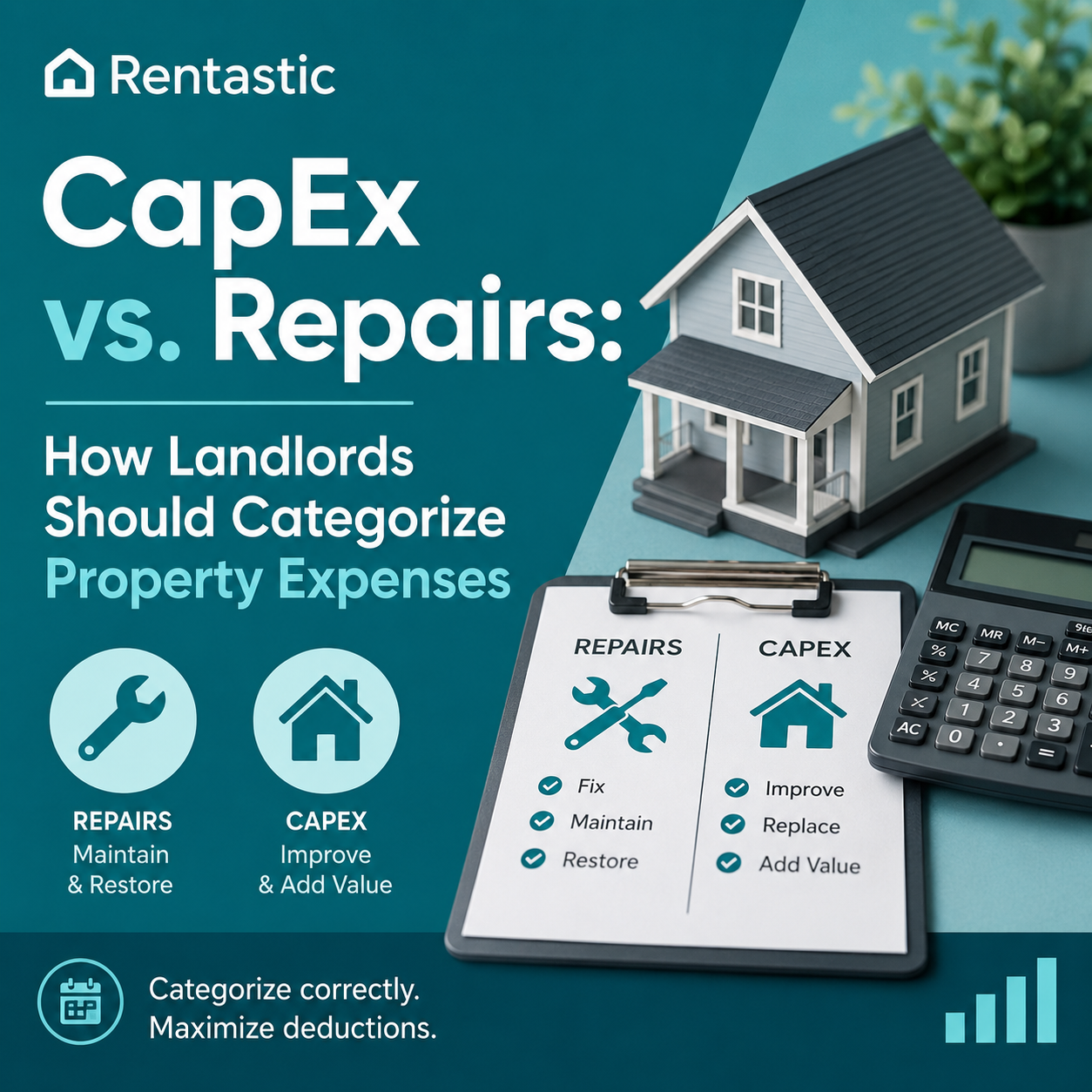
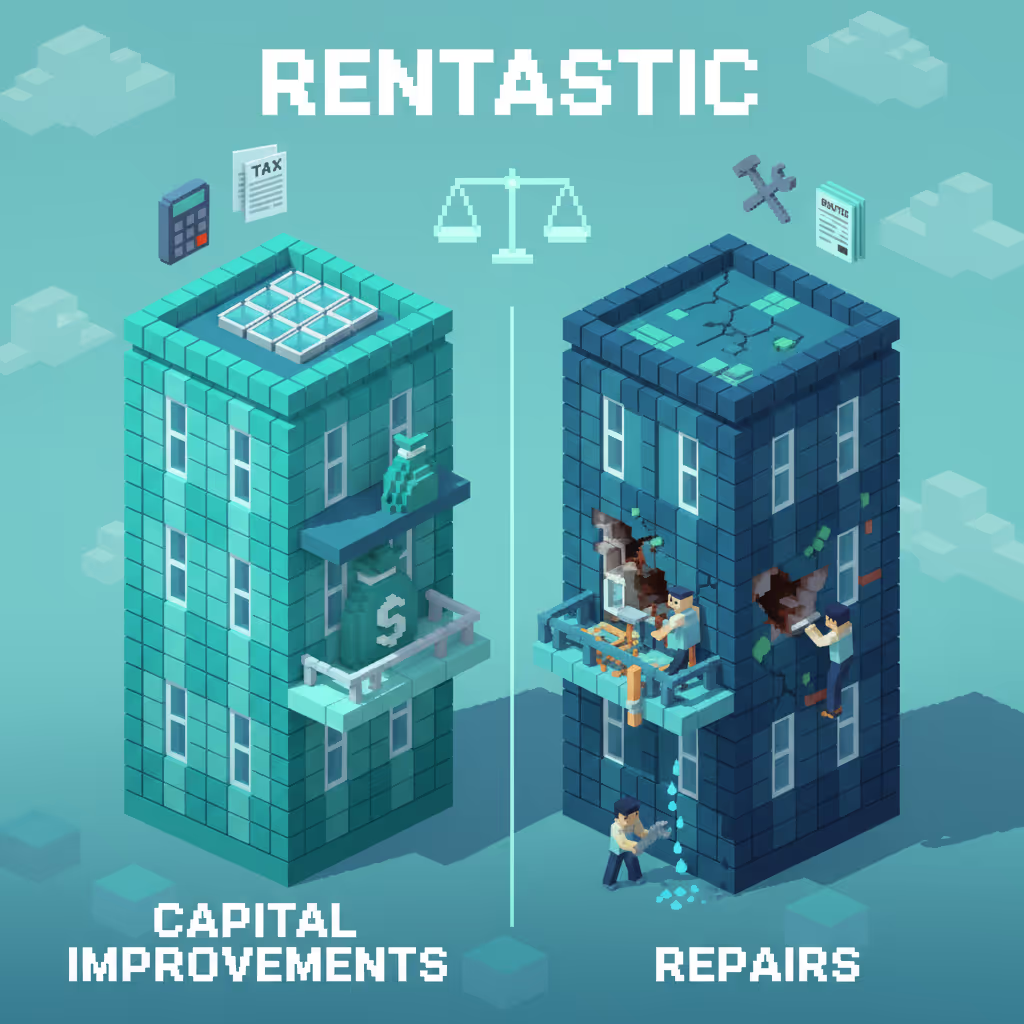
Unlike capital improvements (which must be depreciated), repairs are immediately deductible. This includes fixing a broken appliance, patching drywall, or repairing a leaky roof.
This category includes your annual local and state property taxes, as well as any specific local rental licenses or occupancy taxes.
If you pay for the water, sewer, trash, gas, or electricity on behalf of your tenants, these are fully deductible operating expenses.
We created the Free Rental Expense Calculator to help you quickly estimate your property's operating costs.
If your Expense-to-Rent ratio is above 50%, you may need to evaluate where you can cut costs or whether you need to raise the rent.
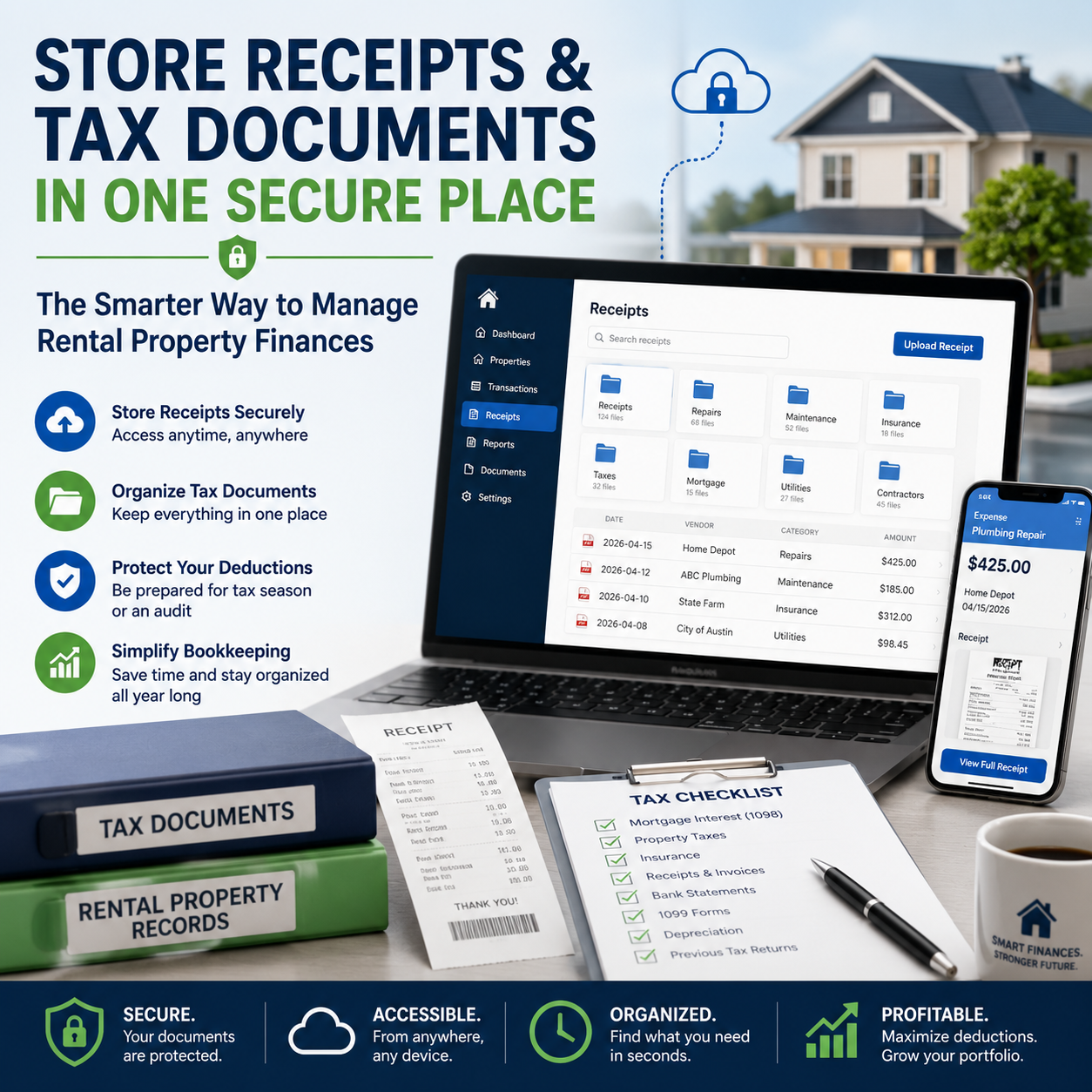
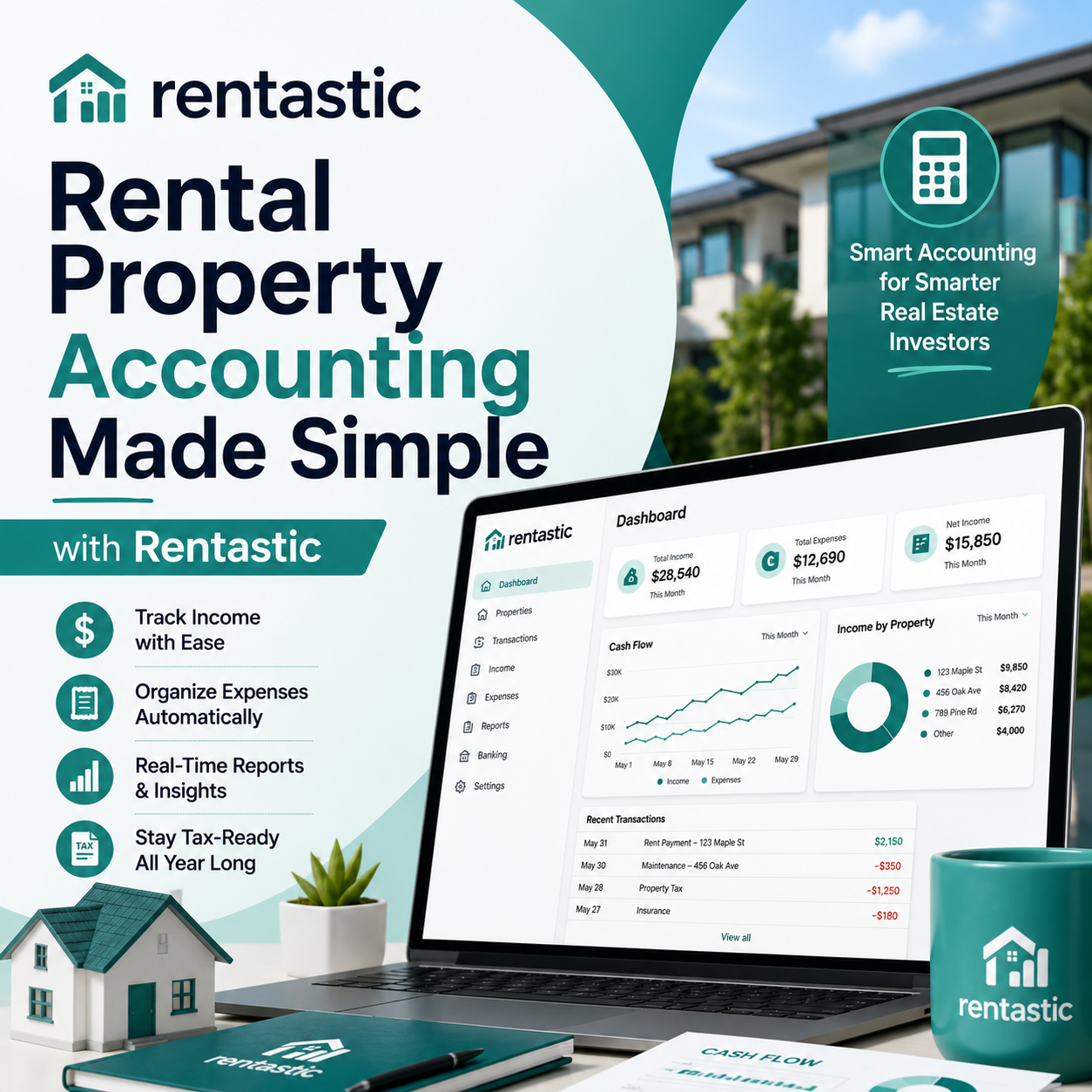
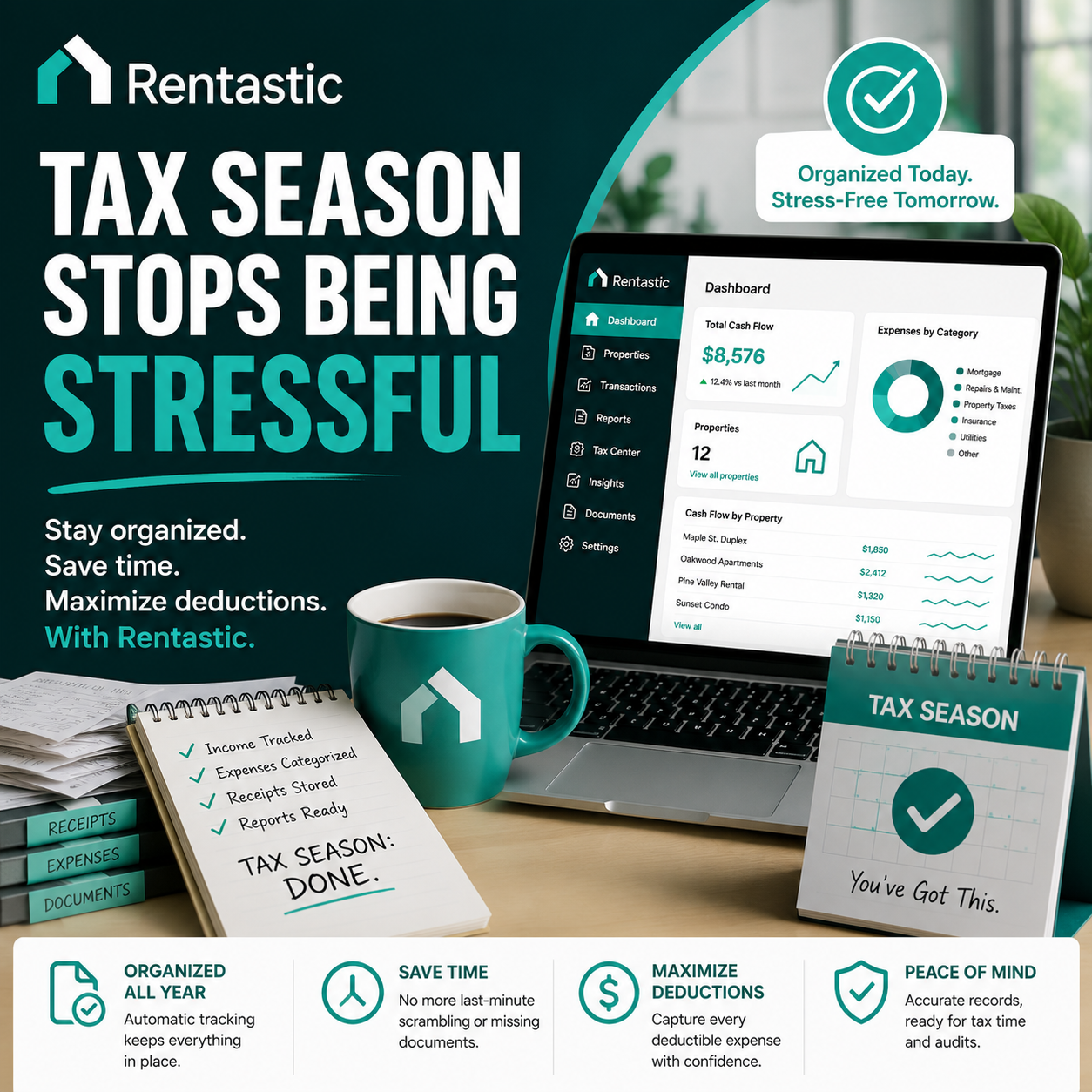
A calculator is great for estimating your costs, but you still need a system to track your actual expenses throughout the year. Spreadsheets and paper receipts take hours of manual work and leave you vulnerable to errors and audits.
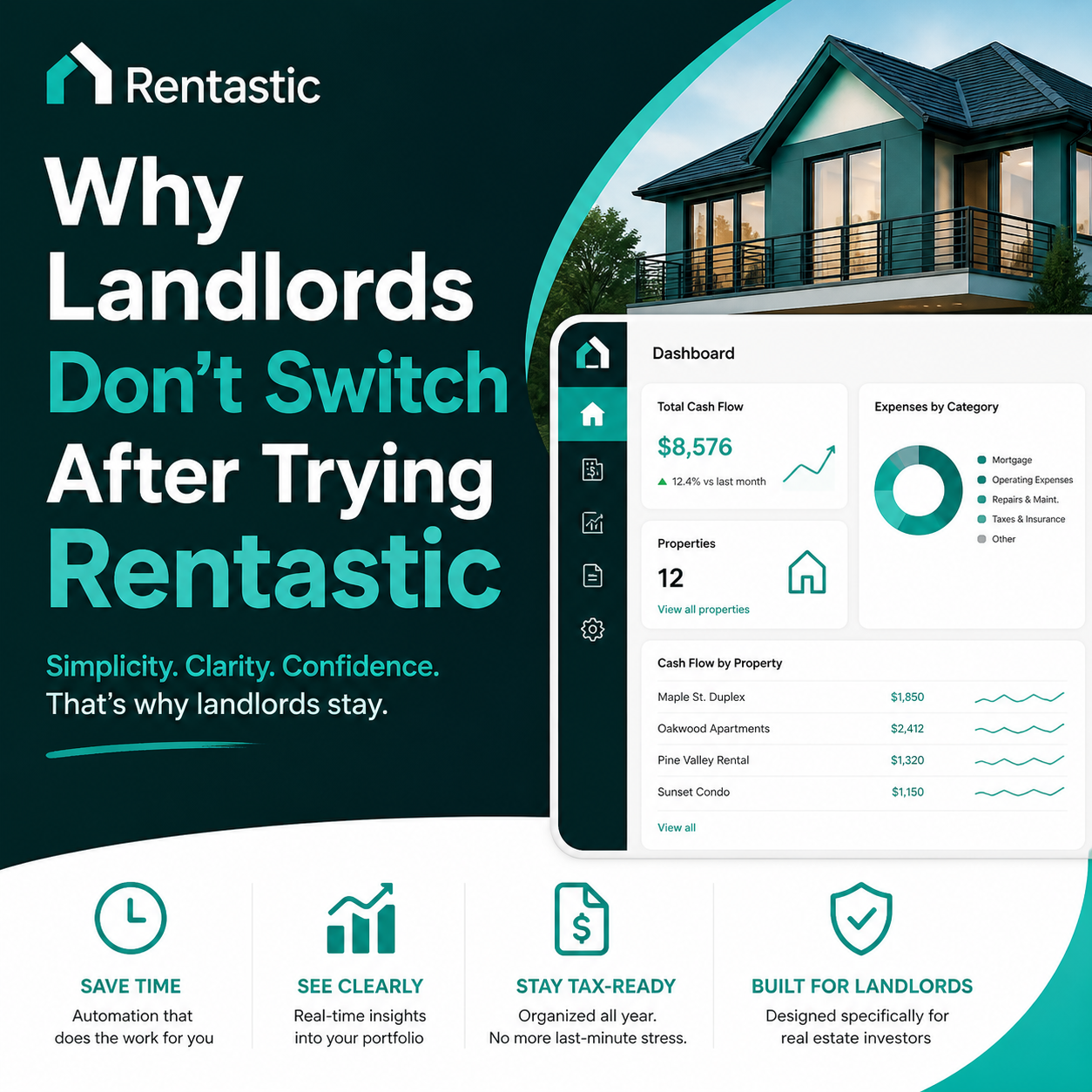
Rentastic takes the pain out of landlord bookkeeping:


© 2025 Rentastic
Rentastic is registered as a trademark. Terms and conditions, features, support, pricing, and service options subject to change without notice.























.png)































.png)















Comments