

Owning rental properties isn't just about collecting rent and paying bills. To build a profitable rental business, landlords need to understand how their properties are performing financially.
The problem? Many landlords only review their finances during tax season or when something goes wrong.
By then, small issues like rising maintenance costs, declining cash flow, or unexpected vacancies may have already affected profitability.
The good news is that you don't need to spend hours reviewing complicated financial reports. Tracking a few important numbers every month can help you identify problems early, make smarter decisions, and keep your rental investments on track.
Here are the key financial metrics every landlord should review monthly.
The first number to review is how much rental income your properties actually generated.
While your lease agreements tell you how much rent you should collect, your financial records show how much money you actually received.
For example, if you own three rental properties generating $1,500 each per month, your expected monthly rental income is $4,500.
But what if one tenant only paid $1,000?
Your actual rental income would be $4,000, creating a $500 shortfall.
What to review:
Tracking rental income consistently helps you identify collection issues before they become larger financial problems.
Rental income tells you how much money comes in. Operating expenses reveal how much it costs to keep your properties running.
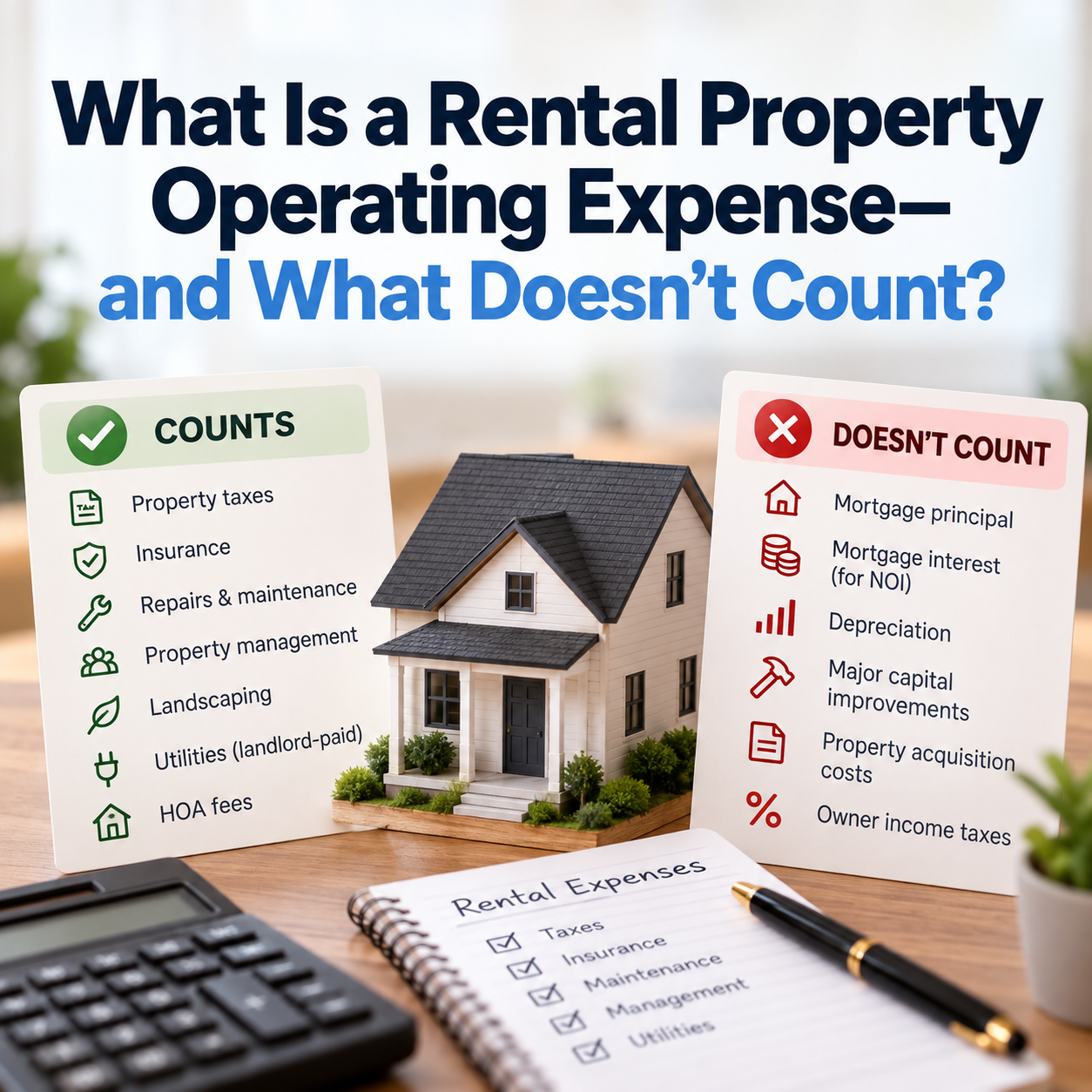
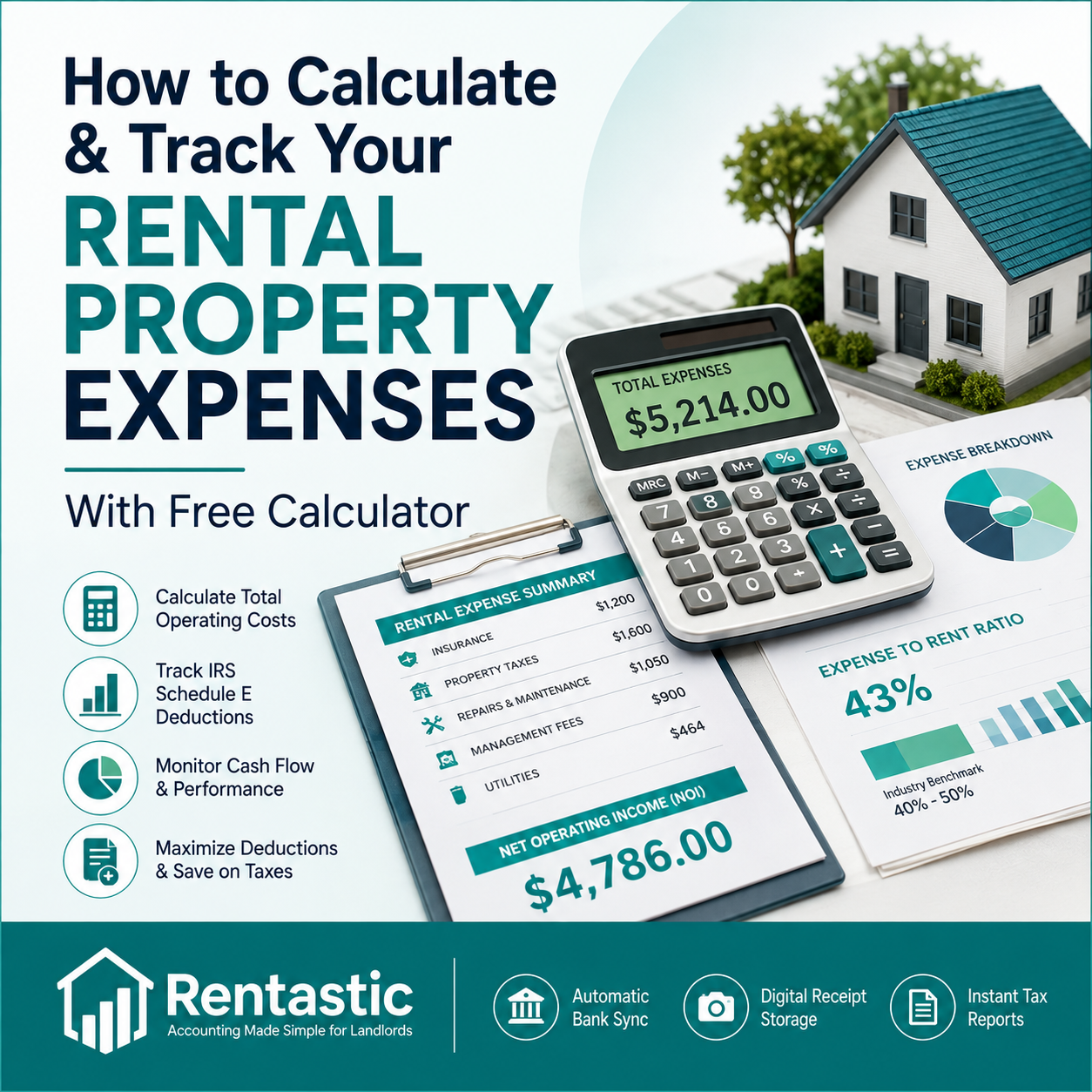
Common rental property operating expenses include maintenance, property management fees, insurance, property taxes, utilities, and HOA fees.
For example, your property might generate $2,000 in monthly rent while operating expenses total $700.
That means you're spending 35% of your rental income on operating expenses.
Monthly operating expense ratio:
Operating Expense Ratio = (Operating Expenses ÷ Rental Income) × 100
There's no single ideal expense ratio for every rental property. Property age, location, services, and management structure all influence costs.
What's more important is monitoring whether your expenses are increasing faster than your rental income.
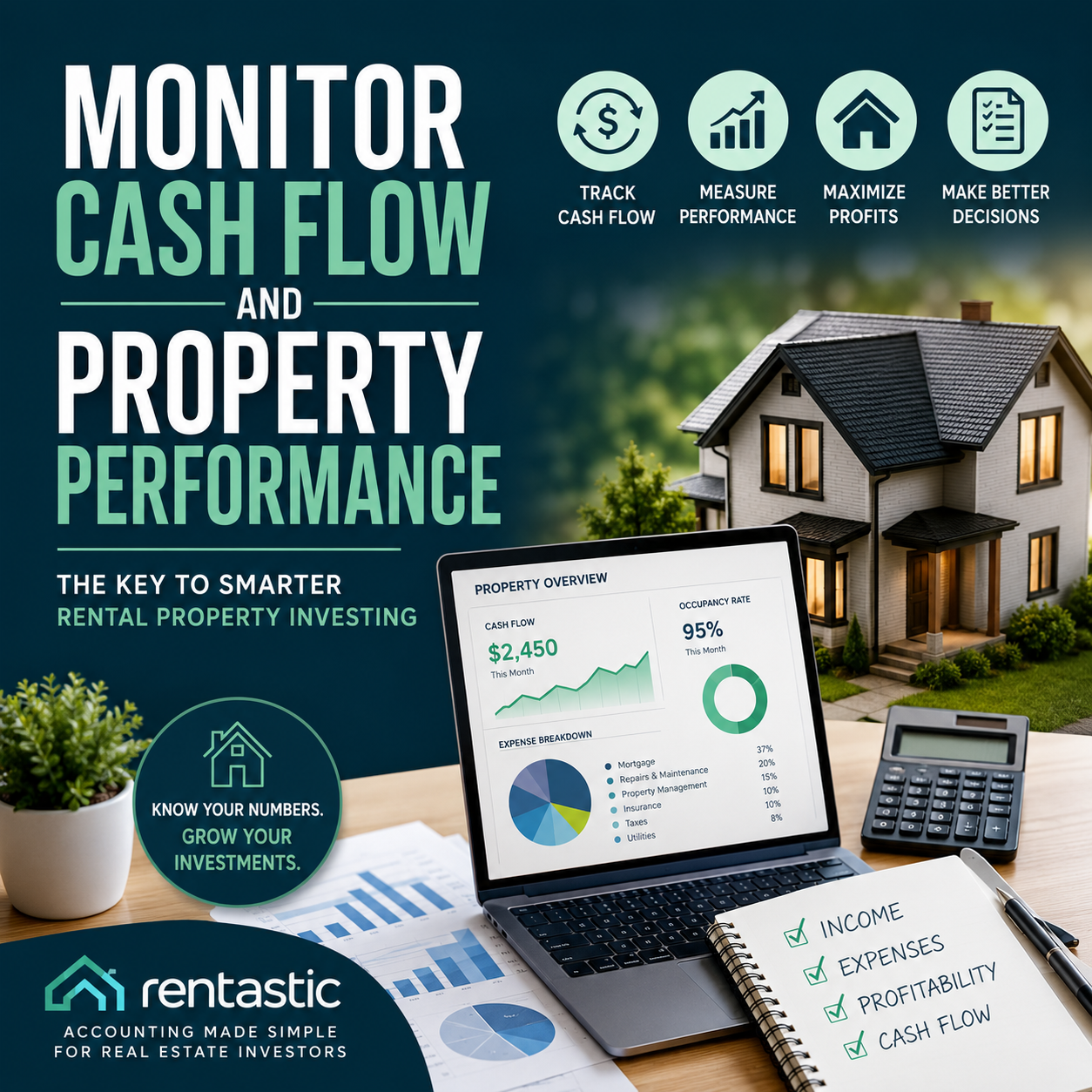
Cash flow is one of the most important numbers landlords should review.
It represents the money remaining after paying operating expenses and mortgage payments.
A property can generate strong rental income but still struggle financially if its monthly expenses and debt payments are too high.
For example, suppose a property generates $2,000 in monthly rent. After paying $600 in operating expenses and $1,000 toward the mortgage, the property produces $400 in positive monthly cash flow.
However, if expenses increase by $200, cash flow drops to $200 even though rental income remains unchanged.
Monthly Cash Flow = Rental Income − Operating Expenses − Mortgage Payments
This simplified calculation doesn't include every possible cash outflow, such as major capital improvements.
Monitoring cash flow monthly helps landlords understand whether their investments are generating enough money to support ongoing expenses and unexpected repairs.
Net Operating Income measures a rental property's profitability before financing costs and income taxes.
Unlike cash flow, NOI excludes mortgage payments, making it useful for comparing properties with different financing arrangements.
NOI = Operating Income − Operating Expenses
Suppose a property generates $2,500 in monthly operating income and incurs $900 in operating expenses.
Its monthly NOI would be $1,600.
Reviewing NOI helps landlords determine whether a property is becoming more or less profitable based on its operations.
If NOI declines over several months, it could indicate rising expenses, reduced collections, or other operational issues.
An empty rental property can quickly reduce profitability.
Even when a property is vacant, landlords may still need to pay the mortgage, insurance, taxes, utilities, and maintenance costs.
That's why vacancy should be reviewed regularly.
Vacancy Rate = (Vacant Units ÷ Total Units) × 100
If you own 10 rental units and one remains vacant, your vacancy rate is 10% at that point in time.
For a more accurate monthly view, especially when tenants move in or out during the month, landlords can track vacant unit-days.
Reviewing vacancy trends helps identify properties that may need better pricing, marketing, or tenant retention strategies.
Maintenance expenses can quietly eat into rental profits.
A few minor repairs might not seem significant individually, but they can add up over time.
For example, spending $150 on plumbing, $200 on electrical repairs, and $250 on appliance maintenance creates $600 in monthly repair expenses.
If your property generates $1,800 in rent, those repairs consume one-third of that month's rental income.
Landlords should monitor both routine maintenance costs and unexpected repairs.
Pay particular attention to properties with consistently high repair expenses. Repeated maintenance issues may indicate aging systems, deferred maintenance, or the need for larger improvements.
Tracking these costs monthly also makes it easier to plan future maintenance budgets.
Positive cash flow doesn't necessarily mean your rental business is financially prepared.
Unexpected expenses can arise at any time, including HVAC replacements, plumbing emergencies, extended vacancies, or insurance deductibles.
That's why landlords should review their available cash reserves every month.
A common planning starting point is maintaining approximately three to six months of essential property expenses, although older properties, unstable rental income, or larger anticipated repairs may justify more.
For example, if a rental property requires $1,500 per month to cover essential expenses and debt payments, a three-month reserve would equal $4,500.
Monitoring reserves helps ensure that unexpected expenses don't immediately create financial stress.
If you own multiple rental properties, reviewing your portfolio's total income isn't enough.
One highly profitable property could be covering losses from another.
For example, imagine three properties generating monthly cash flow of:
Your portfolio generates $700 in positive monthly cash flow overall.
However, Property C is losing money.
Without reviewing each property separately, you might overlook the problem because your overall portfolio remains profitable.
Tracking property-level performance helps you identify which investments are performing well and which need attention.
It can also guide decisions about rent adjustments, renovations, refinancing, or selling an underperforming property.
Reviewing these numbers doesn't need to become another complicated task.
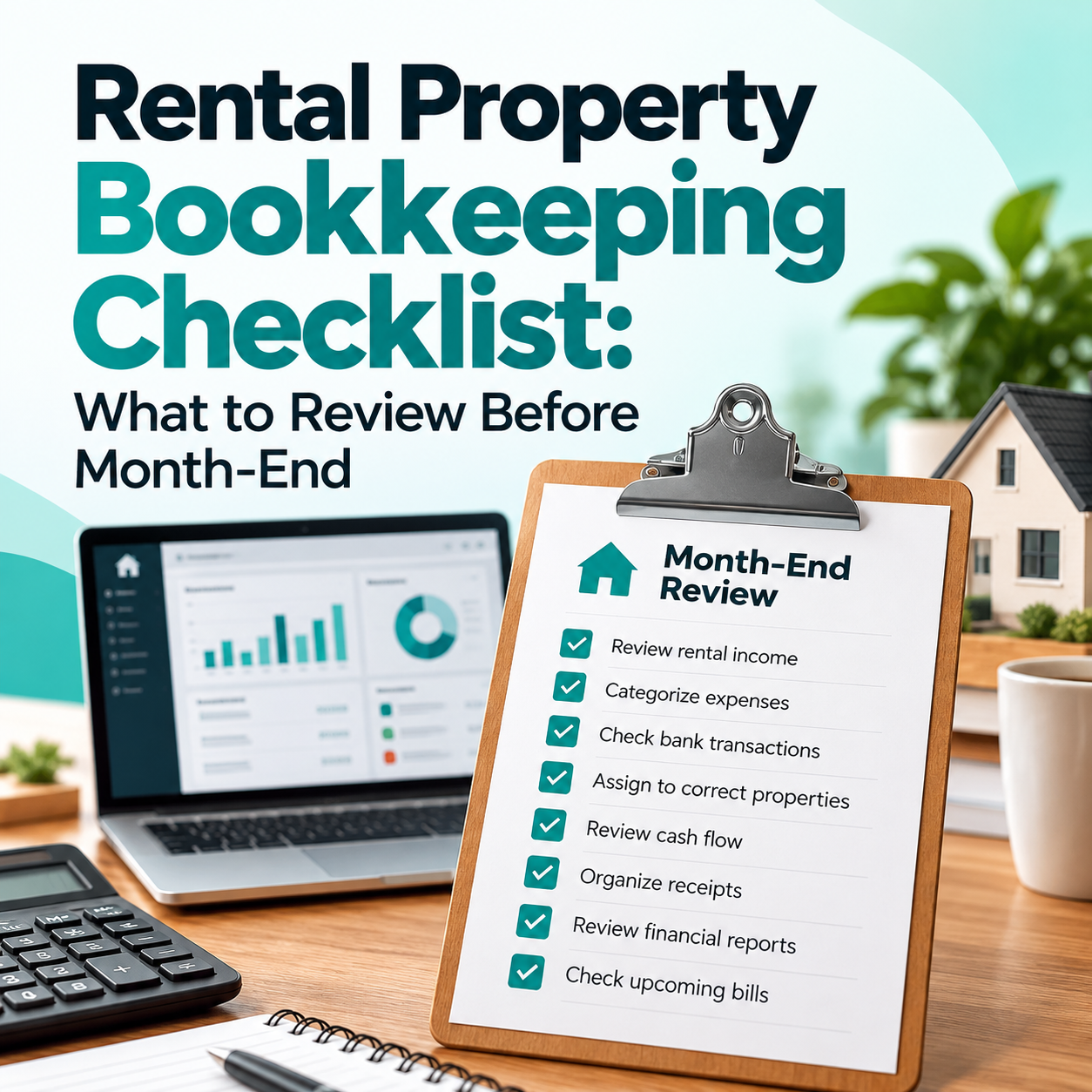
A simple monthly routine can help landlords stay organized and make better financial decisions.
Start by reviewing rental income and confirming that payments have been recorded correctly. Next, examine operating expenses and identify unusual increases.
Then evaluate cash flow, NOI, vacancies, and maintenance costs. Finally, review cash reserves and compare the performance of individual properties.
The key is consistency.
Reviewing your rental finances for even 20–30 minutes each month can reveal issues that might otherwise go unnoticed for months.
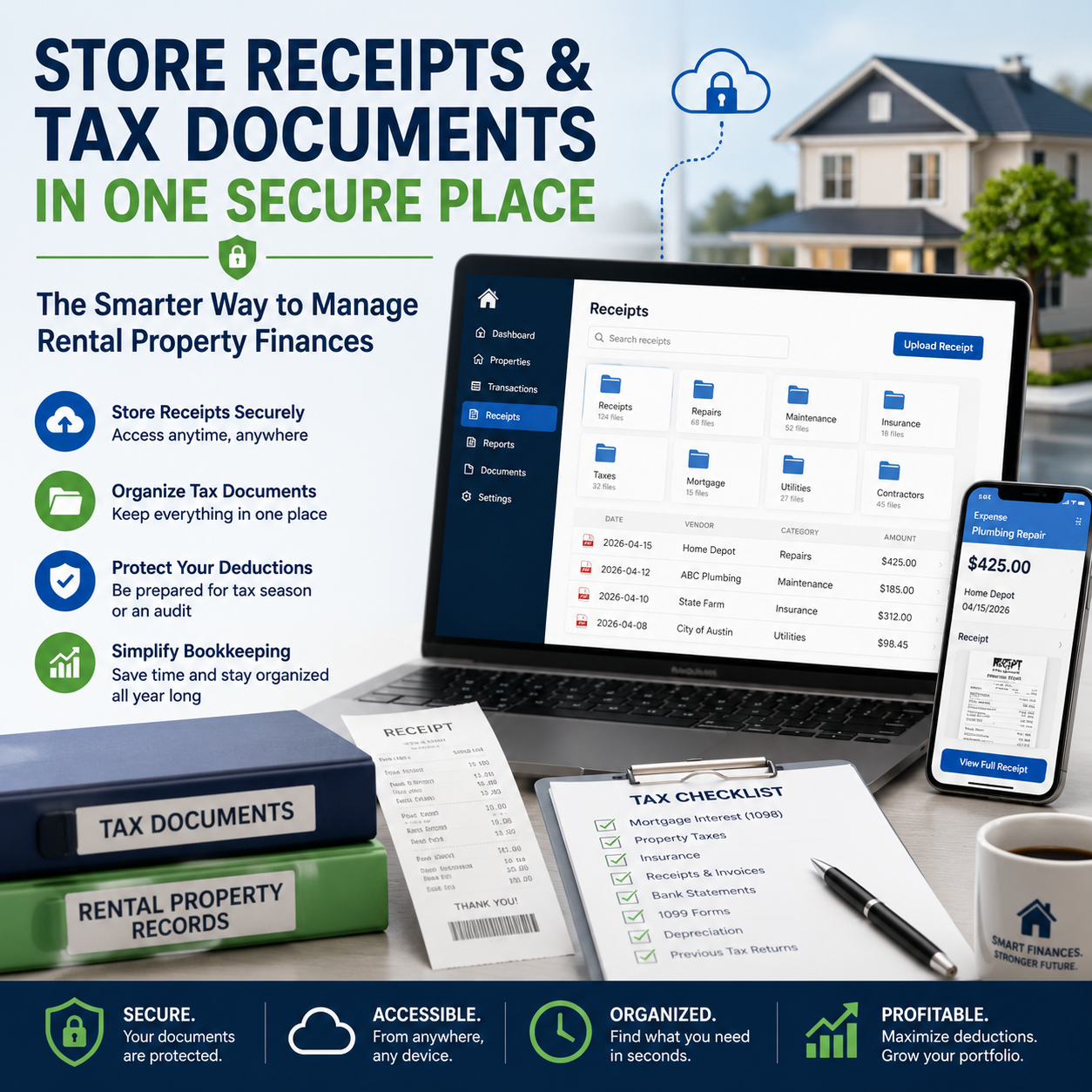
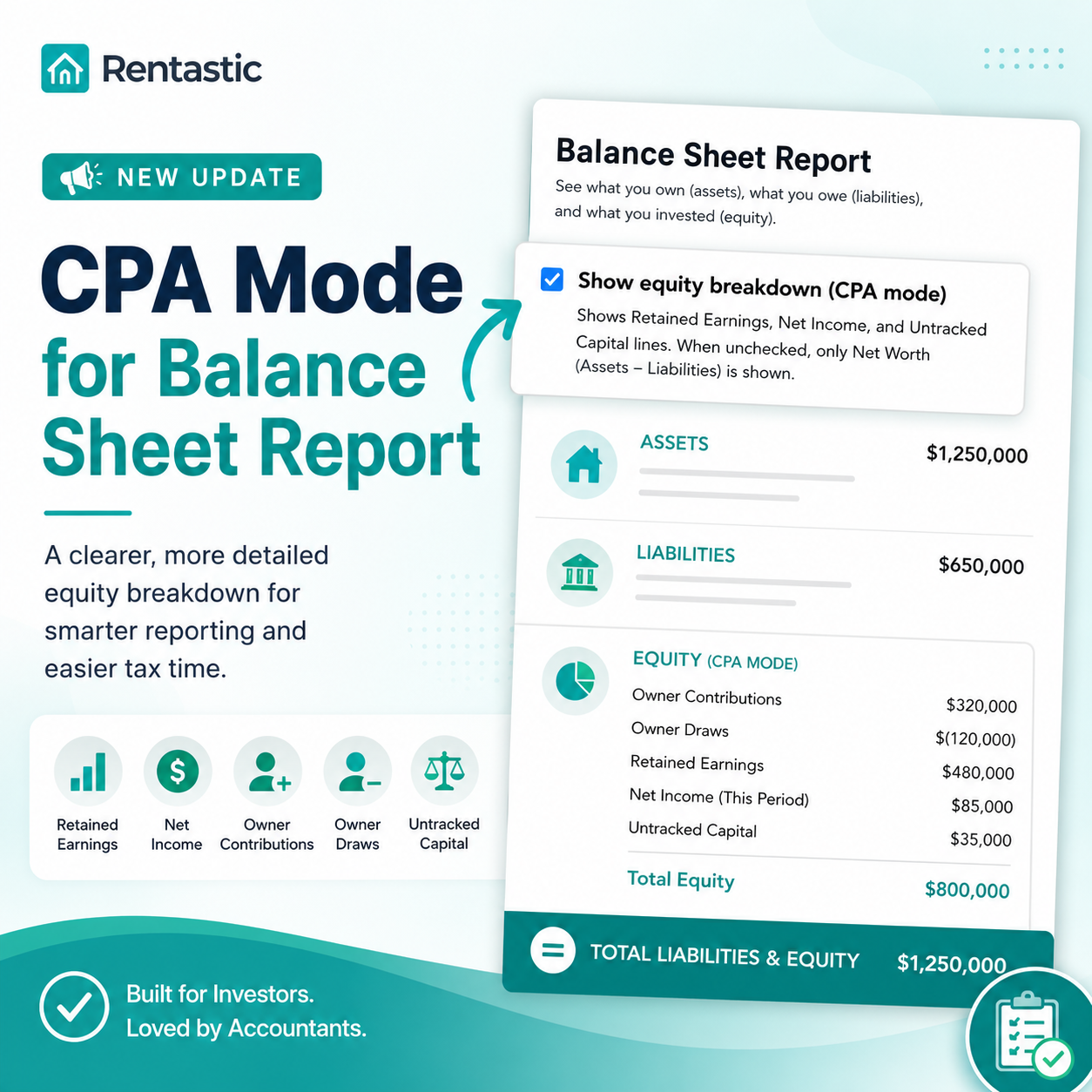
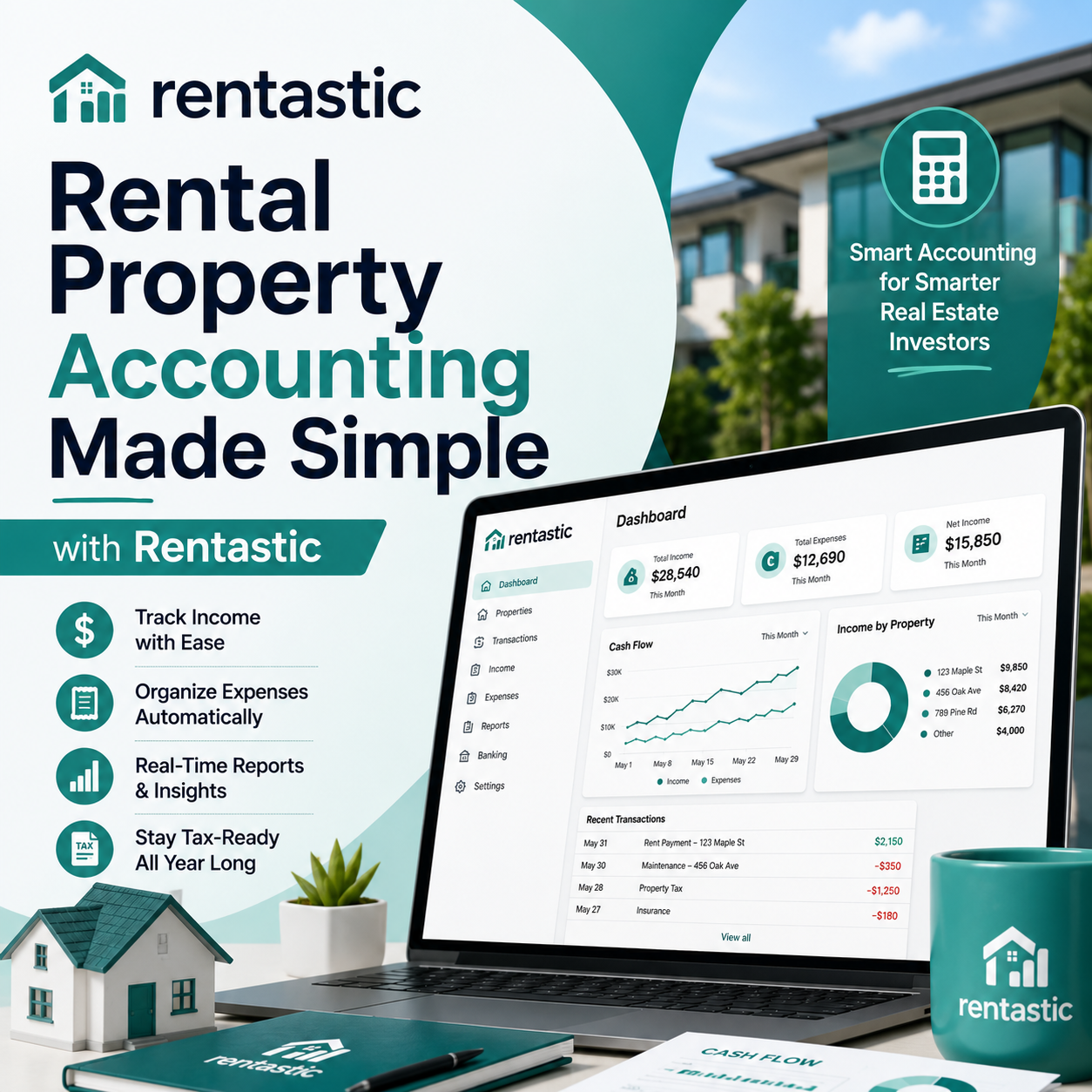
Using rental property accounting software like Rentastic can simplify the process by helping landlords organize income and expenses, track property-level finances, and review financial reports without relying entirely on spreadsheets.
Successful rental property investing requires more than knowing how much rent you collect.
Landlords need to understand where their money goes, how much profit their properties generate, and whether their investments are improving or declining over time.
By reviewing rental income, operating expenses, cash flow, NOI, vacancy rates, maintenance costs, cash reserves, and property-level profitability every month, you can make more informed decisions and avoid unnecessary financial surprises.
The goal isn't to track every possible number. It's to consistently monitor the numbers that matter most.
With better financial visibility, landlords can protect their cash flow, control expenses, and build a healthier rental property portfolio.
Keeping track of multiple rental properties doesn't have to mean juggling spreadsheets and financial records.
Rentastic helps landlords organize rental income and expenses, monitor property-level performance, and gain better visibility into their rental finances.
Instead of waiting until tax season to understand your numbers, make financial reviews part of your monthly routine.
Start tracking your rental property finances with Rentastic today.
RECENT POSTS


© 2025 Rentastic
Rentastic is registered as a trademark. Terms and conditions, features, support, pricing, and service options subject to change without notice.












































































Comments