

Managing a rental property comes with plenty of financial responsibilities. Even with careful planning, expenses can sometimes exceed your expectations.
Maybe your property taxes increased, an unexpected repair drained your reserves, or maintenance costs have gradually climbed without you noticing.
Whatever the reason, higher rental property expenses don't automatically mean your investment is failing. What matters is how quickly you identify the problem and what steps you take to correct it.
In this guide, we'll explore why rental property expenses go over budget, how to respond, and what you can do to protect your rental income moving forward.
Before making changes, it's important to understand what's causing your expenses to increase.
Here are some of the most common reasons landlords spend more than expected.
A leaking roof, broken HVAC system, or plumbing emergency can quickly turn a profitable month into an expensive one.
While routine maintenance is predictable to some extent, major repairs often happen without warning.
For example, you might budget $200 per month for maintenance but suddenly face a $2,500 plumbing repair.
That's why having a dedicated maintenance reserve is essential.
Property taxes and insurance premiums can increase even when your rental income stays the same.
These increases may result from property reassessments, changes in local tax rates, higher rebuilding costs, or adjustments in insurance coverage.
Because these expenses are often unavoidable, landlords should review them regularly and account for potential increases in their annual budgets.
If you cover utilities, landscaping, pest control, or other services, rising prices can reduce your rental property's profitability.
Even relatively small increases can add up.
For example, an additional $40 per month in landscaping and $35 in utilities means you're spending $900 more annually.
Vacancies don't just reduce rental income. They can also create additional expenses.
Cleaning, repainting, advertising, repairs, and tenant screening can make turnover more expensive than expected.
A property that appears profitable during full occupancy may perform very differently when these costs are included.
Sometimes expenses aren't actually unusual. The original budget may simply have been too optimistic.
If you underestimated maintenance, insurance, or turnover costs, your actual expenses will consistently exceed your projections.
This is why landlords should build budgets around real historical spending rather than assumptions alone.
The first thing to do when expenses exceed expectations is identify exactly where the extra money went.
Review your property's financial records and compare your actual spending with your original budget.
Here's a simple example:
In this example, monthly expenses exceeded the budget by $360, or approximately 38%.
However, the biggest problem isn't necessarily every expense category. Maintenance alone accounts for $250 of the increase.
The goal is to identify which expenses are responsible for the largest differences.
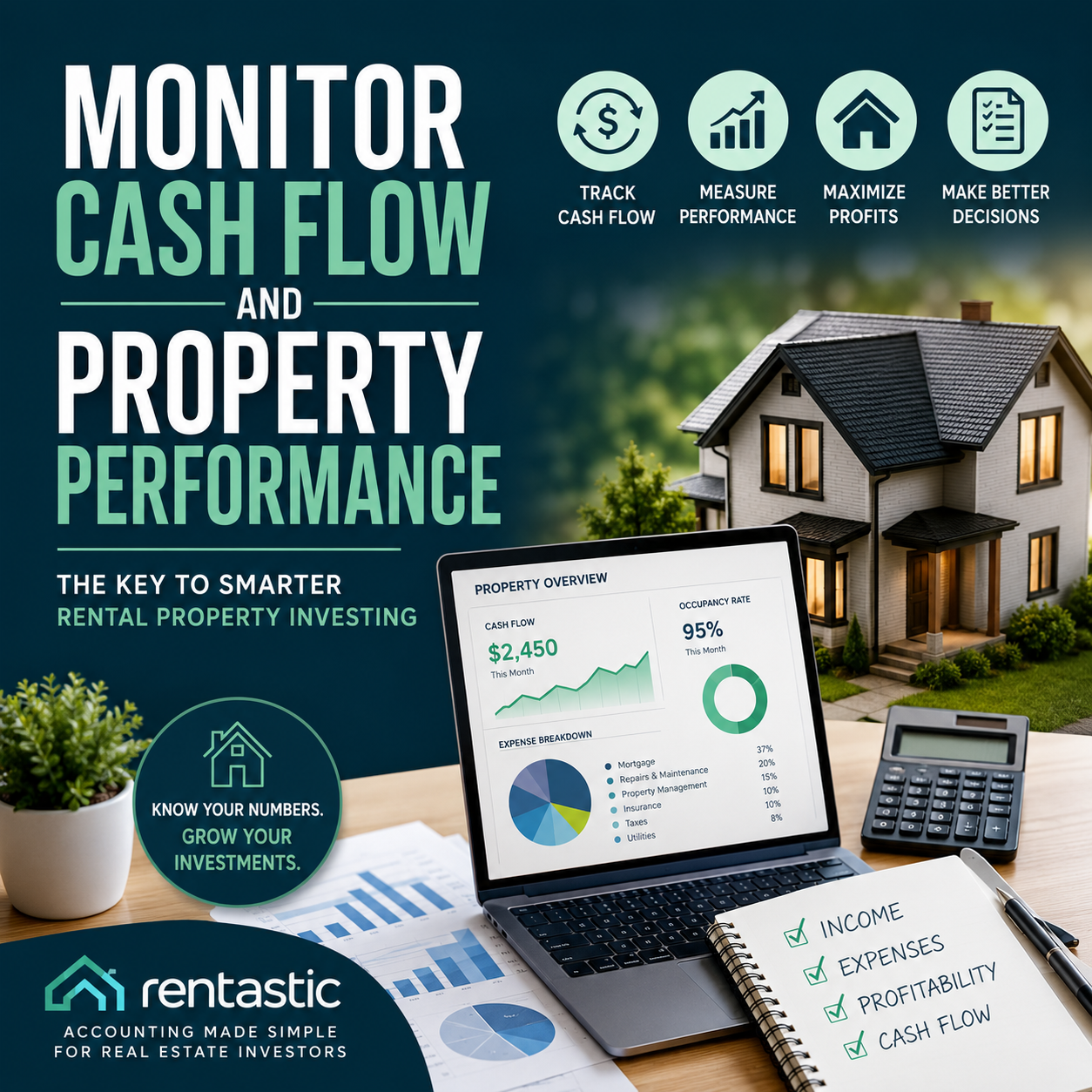
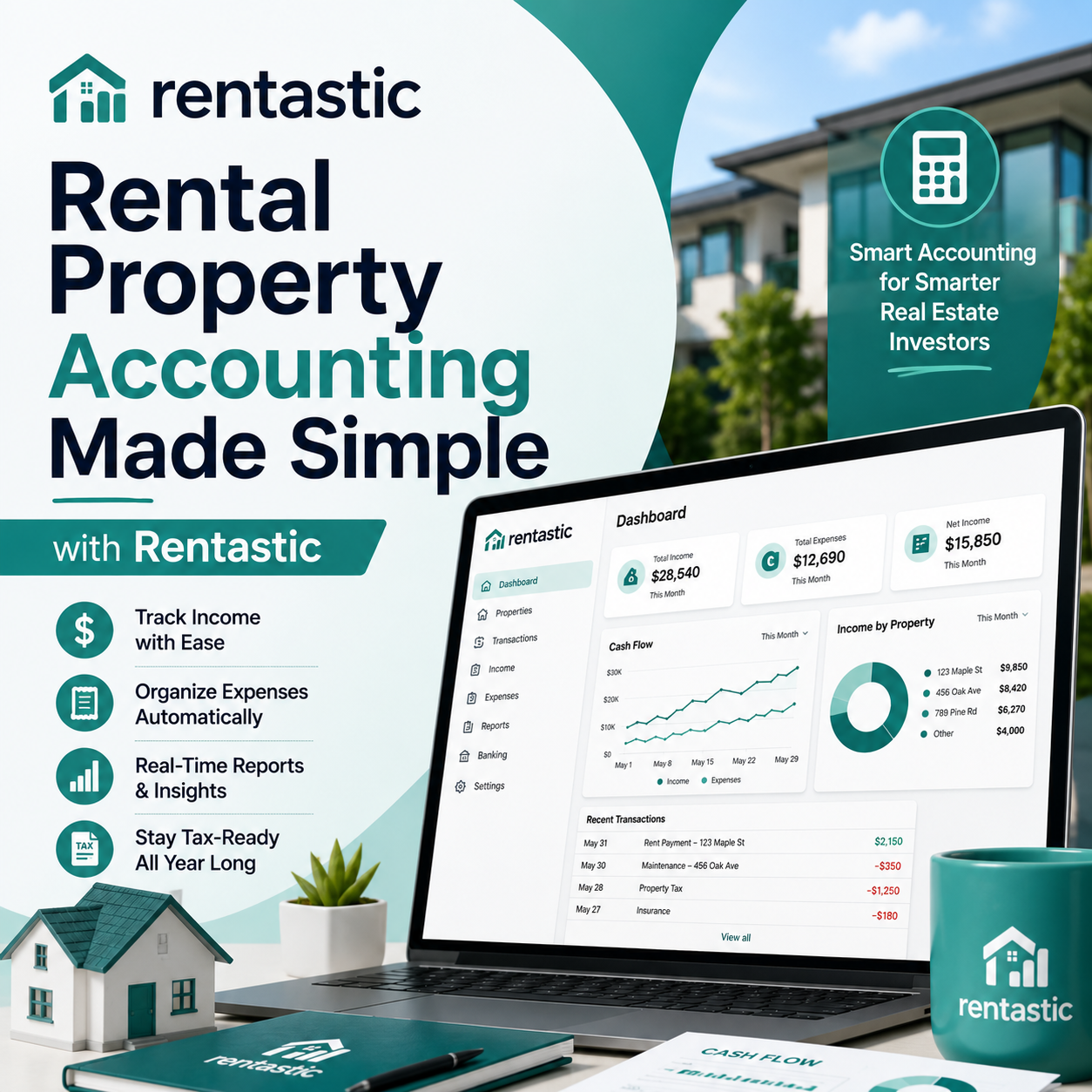
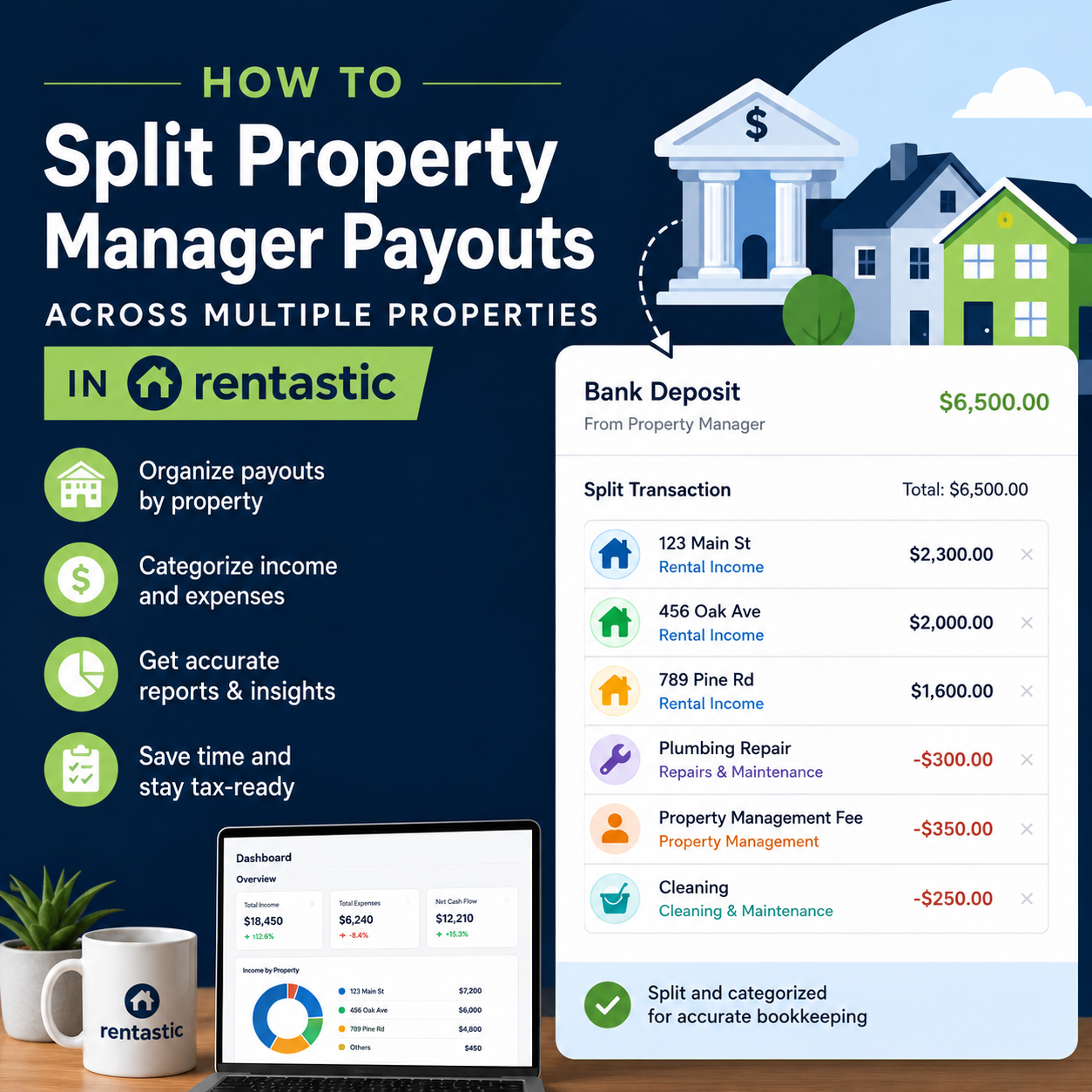
With Rentastic, landlords can organize transactions by property and category, making it easier to review spending and identify where costs are increasing.
Not every expense increase requires the same response.
Some costs happen once, while others permanently affect your property's financial performance.
One-time expenses might include replacing a water heater, repairing storm damage, or preparing a unit for a new tenant.
Recurring expenses include insurance premiums, property taxes, management fees, and ongoing maintenance contracts.
This distinction matters because a one-time repair may temporarily reduce cash flow without changing the property's long-term profitability.
Recurring increases, however, may require permanent budget adjustments.
For example, a $3,000 roof repair is a significant immediate expense. But a $100 monthly insurance increase adds $1,200 to your annual operating costs every year unless the premium changes.
Understanding the difference helps you decide whether to use reserves, reduce spending, or adjust your financial strategy.
Higher expenses directly affect how much cash your rental property generates.
To understand the impact, calculate your monthly cash flow:
Monthly Cash Flow = Rental Income − Operating Expenses − Mortgage Payments − Other Cash Outflows
Suppose your rental property generates $2,500 in monthly rent.
Your original monthly cash flow might look like this:
Now imagine operating expenses increase to $1,200.
Your monthly cash flow drops to just $200.
That's a 60% reduction in cash flow, even though your rental income hasn't changed.
This example shows why monitoring expenses is just as important as tracking rental income.
If your cash flow is shrinking, you'll want to understand whether the change is temporary or likely to continue.
Once you've identified the source of your higher costs, look for opportunities to reduce unnecessary spending.
You may not be able to control property taxes or emergency repairs, but certain operating expenses can be managed more efficiently.
Consider reviewing your service contracts, comparing insurance quotes, evaluating property management fees, and scheduling preventive maintenance to avoid more expensive repairs.
You can also look for opportunities to improve energy efficiency if you pay for utilities.
However, cutting expenses shouldn't come at the cost of maintaining your property.
Delaying necessary repairs may save money today but lead to much larger expenses later.
The objective is to eliminate waste, not sacrifice the property's condition or tenant satisfaction.
If expenses consistently exceed your expectations, your budget needs to reflect reality.
A rental property budget shouldn't remain unchanged year after year.
Instead, use actual spending data to create more realistic projections.
For example, if your maintenance expenses averaged $300 per month over the past year but you only budgeted $150, consider increasing your maintenance allocation.
You should also account for potential increases in insurance, property taxes, and other recurring expenses.
When reviewing your budget, consider setting aside separate reserves for routine maintenance, major capital replacements, and unexpected emergencies.
This approach helps you prepare for future costs rather than reacting to every financial surprise.
When operating expenses rise, increasing rent may help restore profitability.
However, raising rent isn't always the right immediate solution.
Before making changes, consider your local rental market, comparable properties, current tenant agreements, and applicable rent regulations.
For example, if your property rents for $1,800 but comparable rentals in your area are leasing for $1,950, you may have room to adjust your pricing when legally permitted.
On the other hand, increasing rent beyond market rates could result in longer vacancies, potentially costing more than the additional income you'd collect.
The best rent increase is one that supports profitability while keeping your property competitive.
Unexpected expenses are part of owning rental property.
Without adequate cash reserves, even a profitable rental can experience financial stress when a major repair occurs.
A common starting point is to set aside approximately three to six months of essential property expenses, although older properties, variable income, and major upcoming repairs may justify larger reserves.
Your reserve should account for expenses such as mortgage payments, insurance, property taxes, utilities, and essential maintenance.
For instance, if your property requires $1,800 per month to cover essential obligations, a three-month reserve would be $5,400.
Having this money available can help you handle unexpected costs without relying immediately on credit cards or personal savings.
One of the biggest mistakes landlords make is waiting until tax season to review their financial performance.
By then, small increases may have accumulated into thousands of dollars in additional expenses.
Instead, make expense tracking part of your monthly property management routine.
Review how much each property earned, how much you spent, which categories exceeded your budget, and whether your cash flow improved or declined.
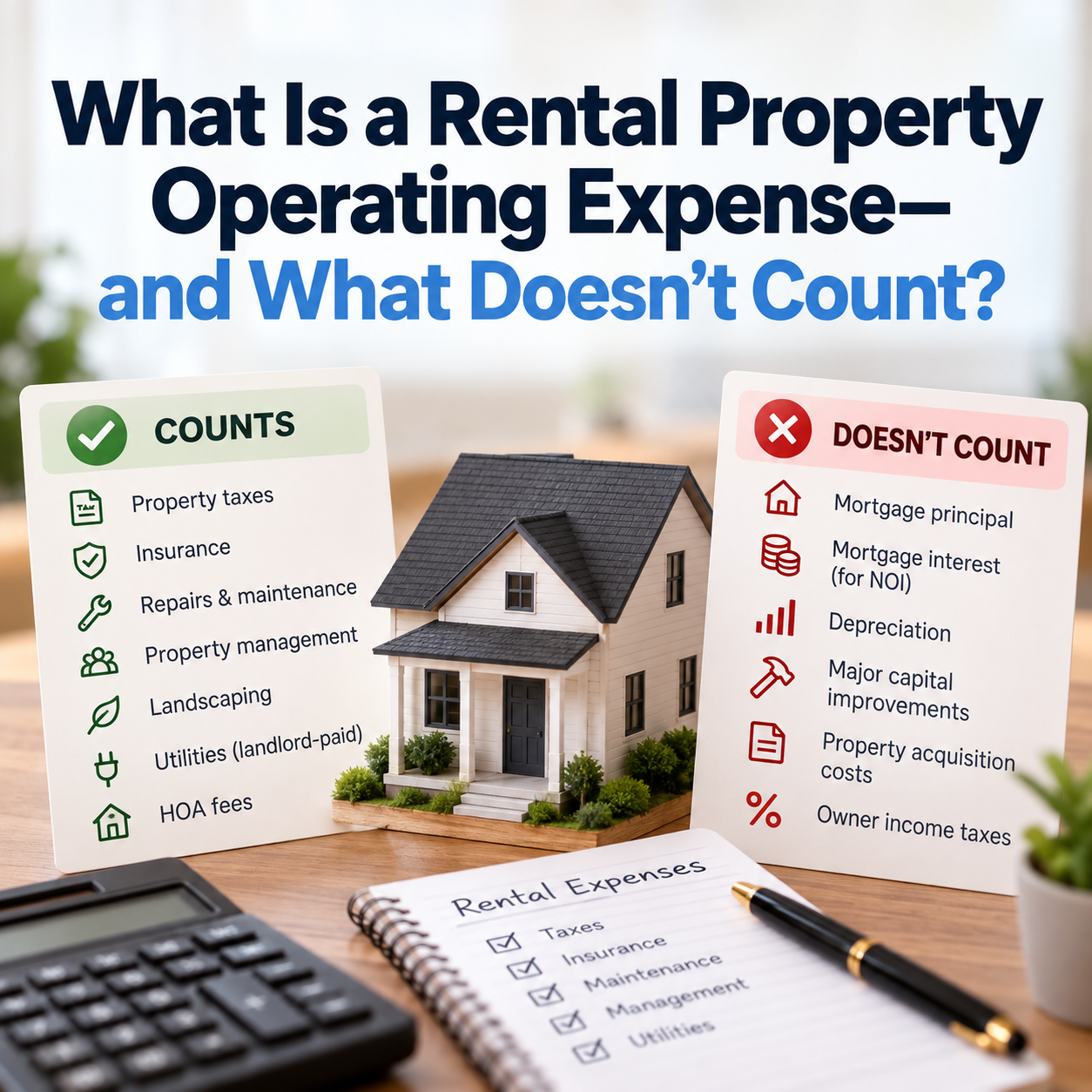
It's also important to confirm that transactions are categorized correctly. A transfer, loan principal payment, or major capital improvement should not automatically be treated the same as a routine operating expense.
Accurate bookkeeping gives you a clearer understanding of your property's actual financial performance.
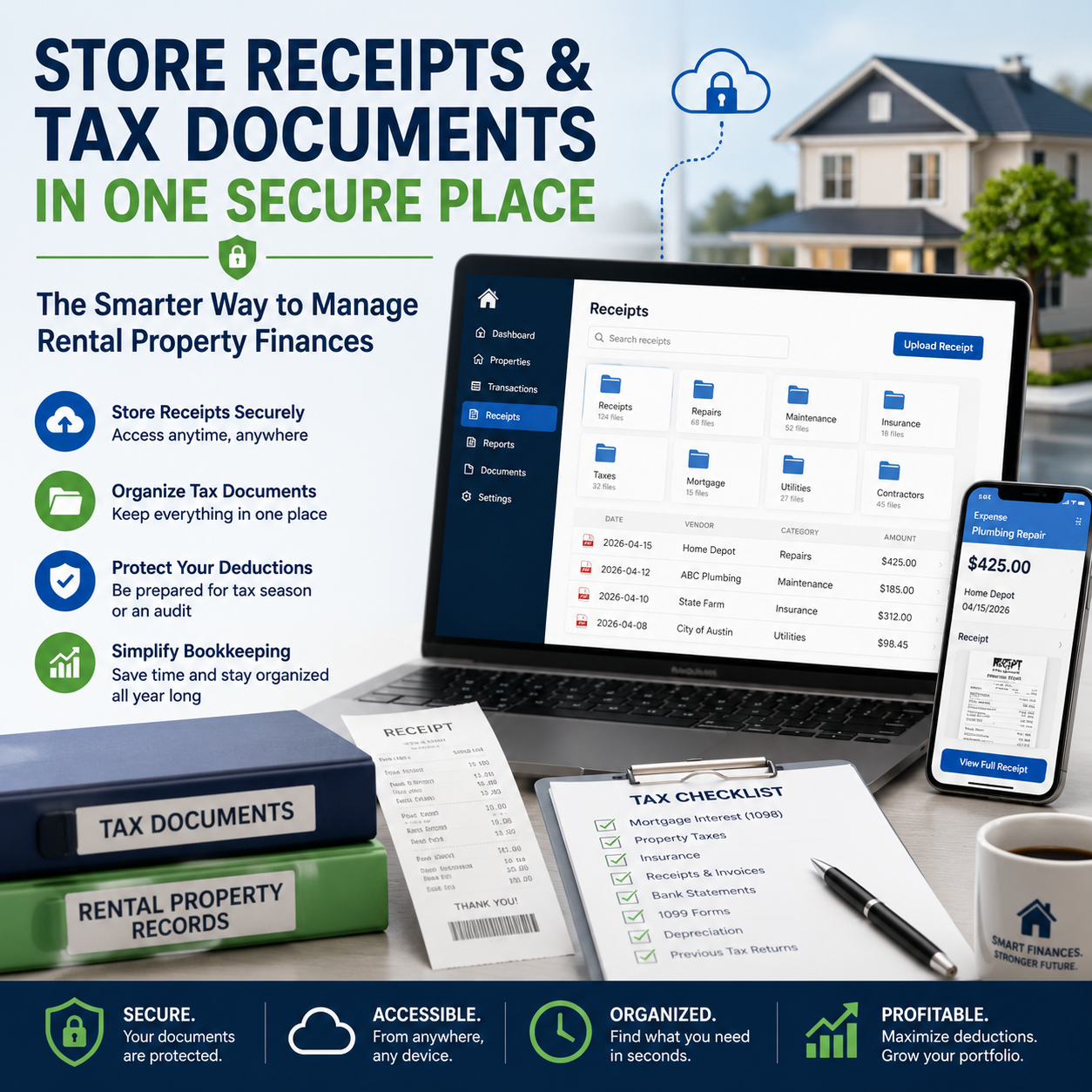
Using Rentastic can simplify this process by helping you track rental income, categorize expenses, and review property-level financial reports in one place.
An occasional expensive month isn't necessarily a warning sign.
However, certain patterns deserve closer attention.
If your expenses consistently increase faster than rental income, your cash flow remains negative for several months, or your property regularly requires additional personal funds, it may be time to reevaluate your investment.
You should also investigate repeated repairs involving the same systems, unusually high tenant turnover costs, and major upcoming capital expenses that aren't covered by your reserves.
These situations may indicate a larger financial issue rather than a temporary setback.
In some cases, improving operations or adjusting rent may be enough. In others, you may need to reconsider your financing, renovation plans, or long-term ownership strategy.
Managing rental expenses becomes much easier when you have accurate financial information available.
Instead of relying on spreadsheets or manually reviewing months of bank statements, Rentastic helps landlords organize their rental property finances.
With Rentastic, you can:
Having a clearer view of your rental property finances makes it easier to identify spending patterns and make informed decisions before expenses become a bigger problem.
Rental property expenses won't always go according to plan.
Unexpected repairs, rising insurance premiums, and increasing operating costs are normal challenges for real estate investors.
What separates financially prepared landlords from those constantly struggling with cash flow is how they respond.
By reviewing your expenses, identifying the causes of budget overruns, adjusting your projections, and maintaining adequate reserves, you can make better decisions about your rental property's financial future.
Most importantly, remember that you can't control every expense, but you can control how closely you monitor and manage your property's finances.
Ready to take control of your rental property expenses?
Start tracking your rental income, expenses, and financial performance with Rentastic and make more informed decisions about your investments.
RECENT POSTS


© 2025 Rentastic
Rentastic is registered as a trademark. Terms and conditions, features, support, pricing, and service options subject to change without notice.



























































Comments