

Setting the right rental price is one of the most important decisions a landlord can make. Charge too much, and you risk longer vacancies. Charge too little, and you could be losing hundreds or even thousands of dollars in potential rental income every year.
Many landlords set their rental rates when a tenant first moves in and rarely revisit them. Meanwhile, property taxes, insurance premiums, maintenance costs, and market rents continue to change.
The question is: Are you charging what your rental property is actually worth?
In this guide, we'll explore how to recognize an underpriced rental, calculate how much income you might be missing, and determine when a rent increase makes financial sense.
A rental property is underpriced when its monthly rent is significantly lower than what comparable properties in the same market can reasonably command.
For example, imagine you own a three-bedroom rental property that currently generates $1,500 per month. Similar properties nearby, with comparable features and conditions, are renting for approximately $1,800.
That means your property may be underpriced by $300 per month.
Although $300 might not seem like a major difference, the impact becomes more significant when multiplied across several rental properties.
However, charging below the market average doesn't automatically mean your property is underpriced. Property condition, tenant stability, location, amenities, and local rental demand all influence what constitutes a reasonable rental rate.
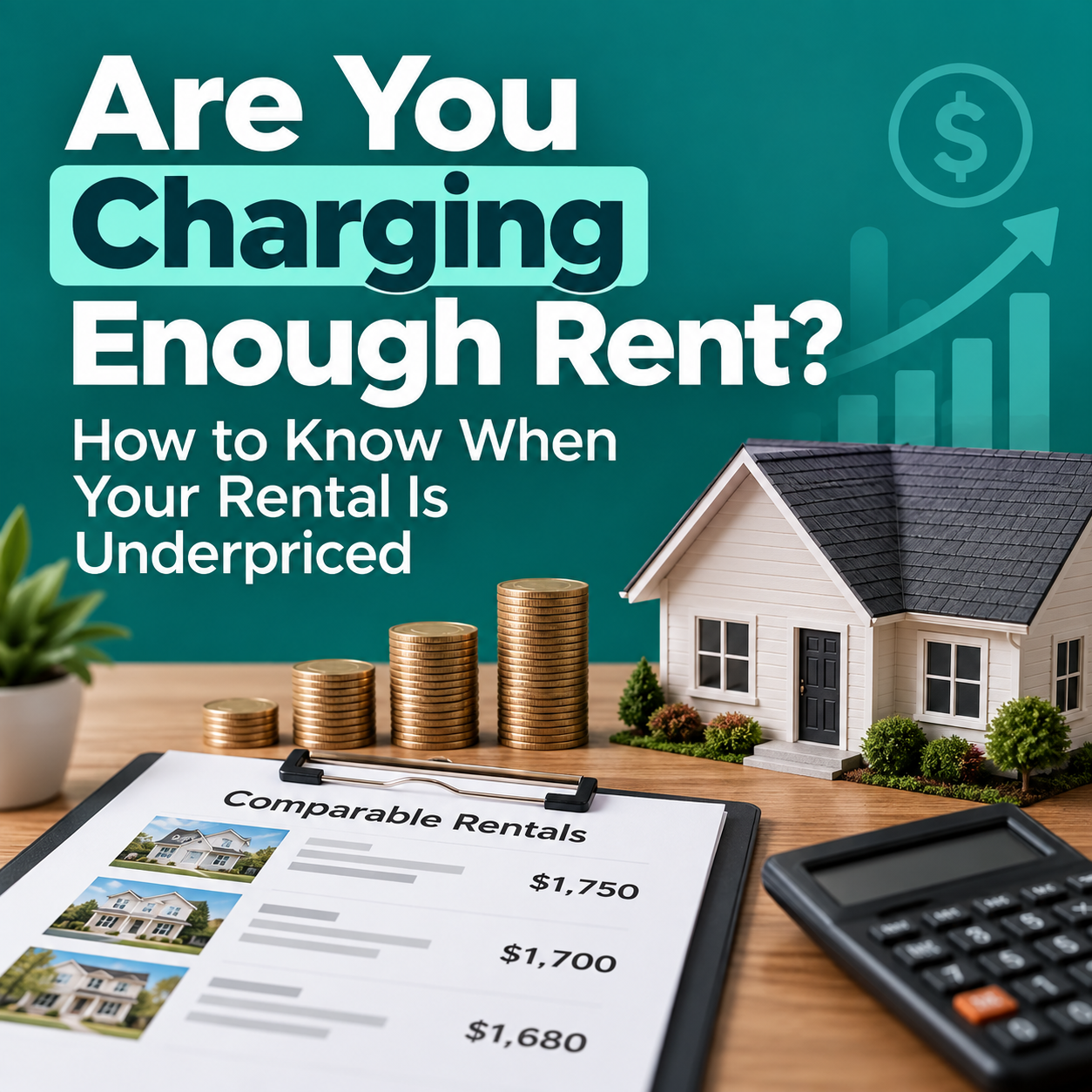
One of the clearest signs of an underpriced rental is a noticeable difference between your rent and comparable listings.
Look for rental properties with similar:
Websites such as Zillow, Apartments.com, and Rentometer can help you research asking rents in your area.
Remember that advertised rent isn't always the same as the amount tenants ultimately pay. Whenever possible, compare recently leased properties rather than relying exclusively on active listings.
If your property consistently attracts a large number of qualified applicants immediately after being listed, your asking rent may be below what the market supports.
Strong demand is generally positive, but unusually high interest can sometimes indicate that your property is priced lower than competing rentals.
However, high demand alone doesn't prove that a property is underpriced. Seasonal trends, limited housing supply, and attractive property features can also generate significant interest.
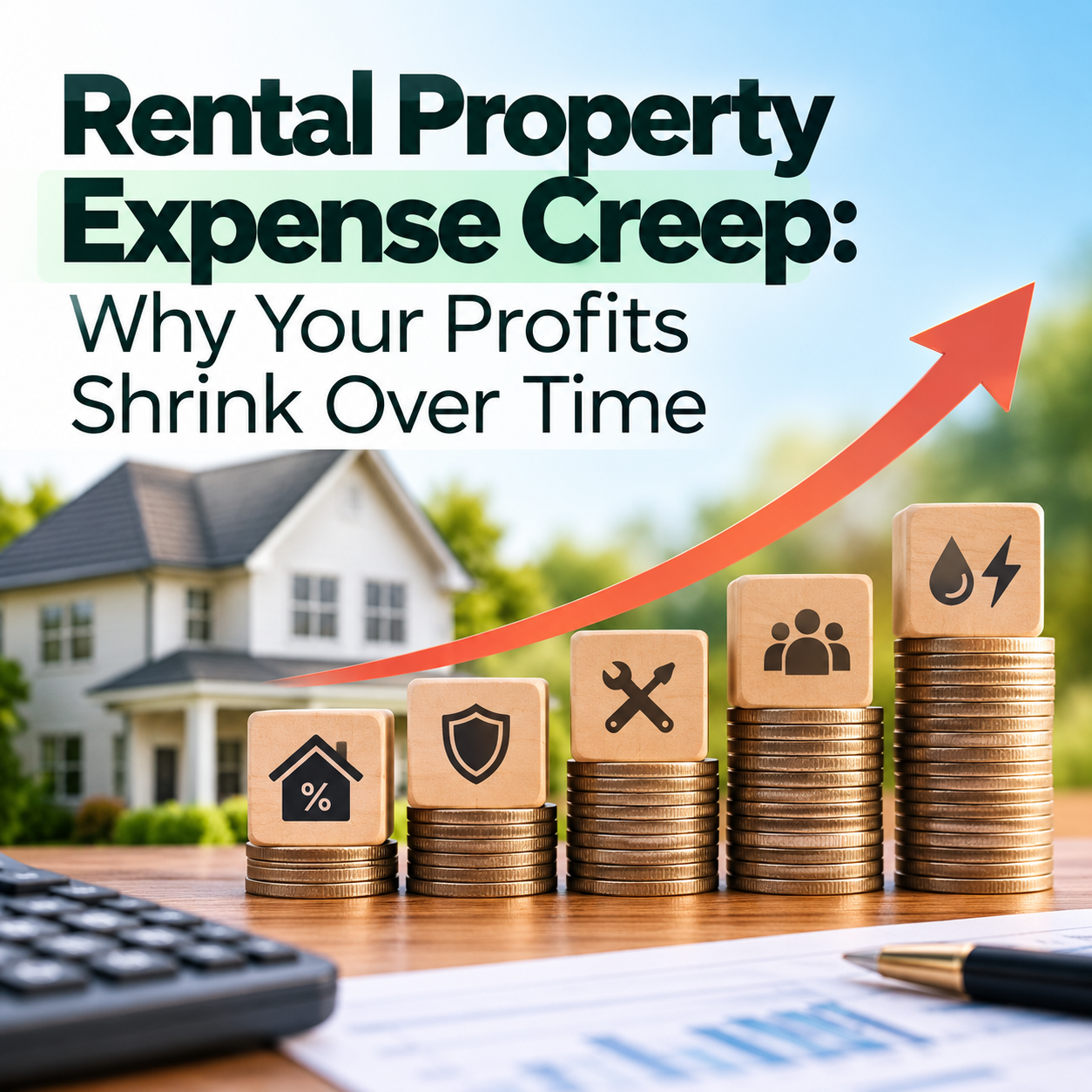
Rental expenses rarely stay the same.
Over time, landlords may face higher property taxes, insurance premiums, maintenance expenses, and contractor fees.
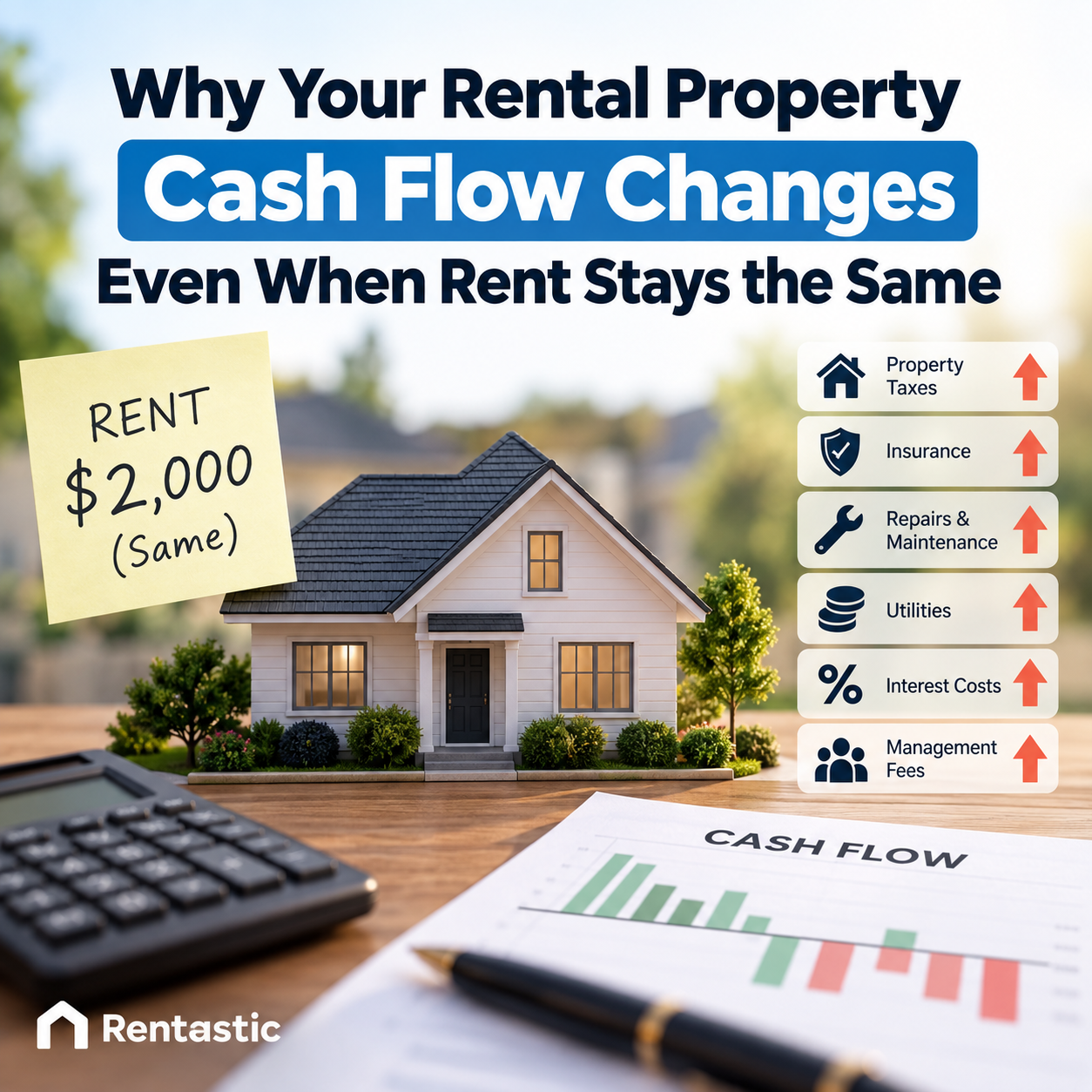
If your rental income remains unchanged while operating costs increase, your profit margin may gradually shrink.
This doesn't mean you should automatically increase rent every year. Instead, review your rental rate periodically to determine whether it still aligns with local market conditions and the property's financial performance.
A property that once generated healthy cash flow may eventually struggle to cover its operating costs.
For example:
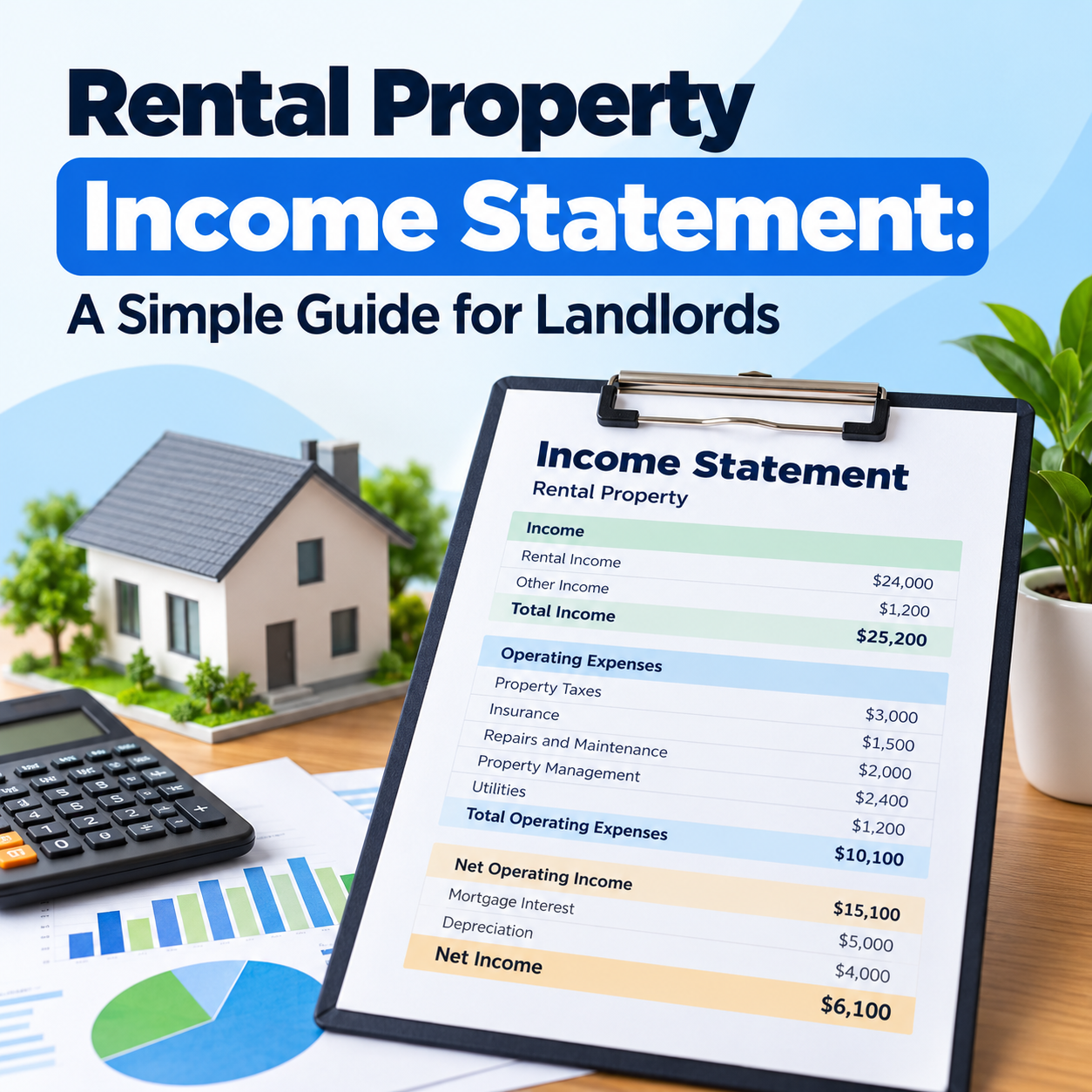
In this example, the property generates only $90 in monthly cash flow before other potential expenses.
Increasing rent could improve the property's financial performance, but only if the market supports the higher price.
A property's expenses do not determine its market rental value. If costs are unusually high, the landlord may need to review financing, maintenance, or other expenses instead.
If nearby landlords are renewing leases at significantly higher rates for similar properties, your current rent may deserve another look.
Still, tenant retention has financial value.
A reliable long-term tenant who pays consistently and takes care of the property may be worth keeping at a slightly below-market rental rate.
The goal isn't necessarily to charge the highest possible rent. It's to find a balance between rental income, occupancy, and long-term profitability.
You don't need a complicated financial model to estimate whether your property is underpriced.
Start by gathering several comparable rental listings and identifying a reasonable market rent range.
Then use this formula:
Not necessarily.
While maximizing rental income is important, increasing rent can also introduce risks.
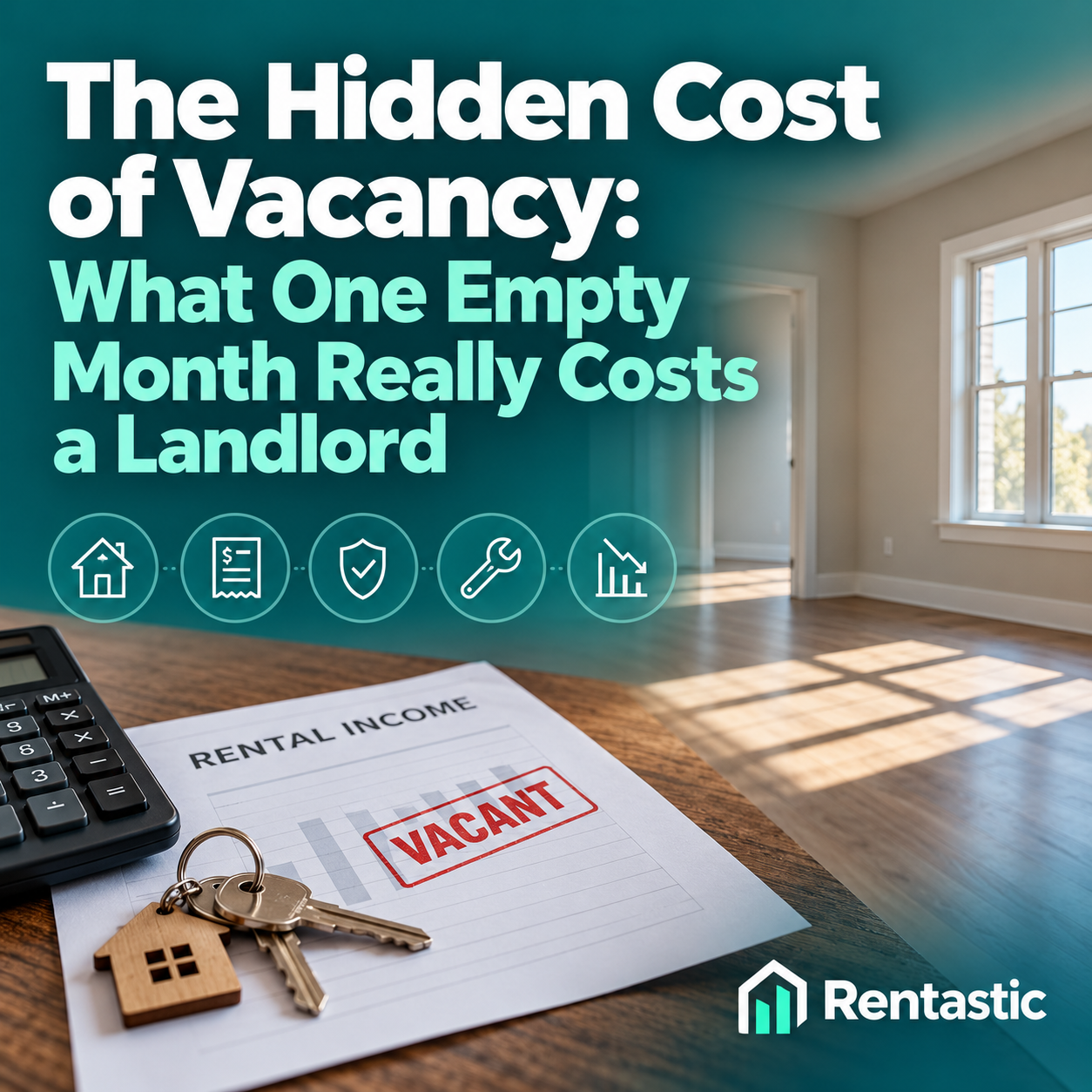
For example, suppose increasing your monthly rent by $200 causes a good tenant to move out.
You might experience:
A single vacant month can offset several months of additional rental income.
Before increasing rent, compare the potential financial benefit against the cost of losing an existing tenant.
You should also review applicable rent-control rules, lease provisions, notice requirements, and other local or state restrictions before making any changes.
A good practice is to review your rental property's market value at least once a year, ideally before the current lease approaches renewal.
During this review, consider current market rent, operating expense changes, vacancy trends, property improvements, and tenant retention.
Even if you decide not to increase rent, the review gives you a clearer understanding of your property's financial position.
Determining whether your rent is competitive is only one part of managing a profitable rental property.
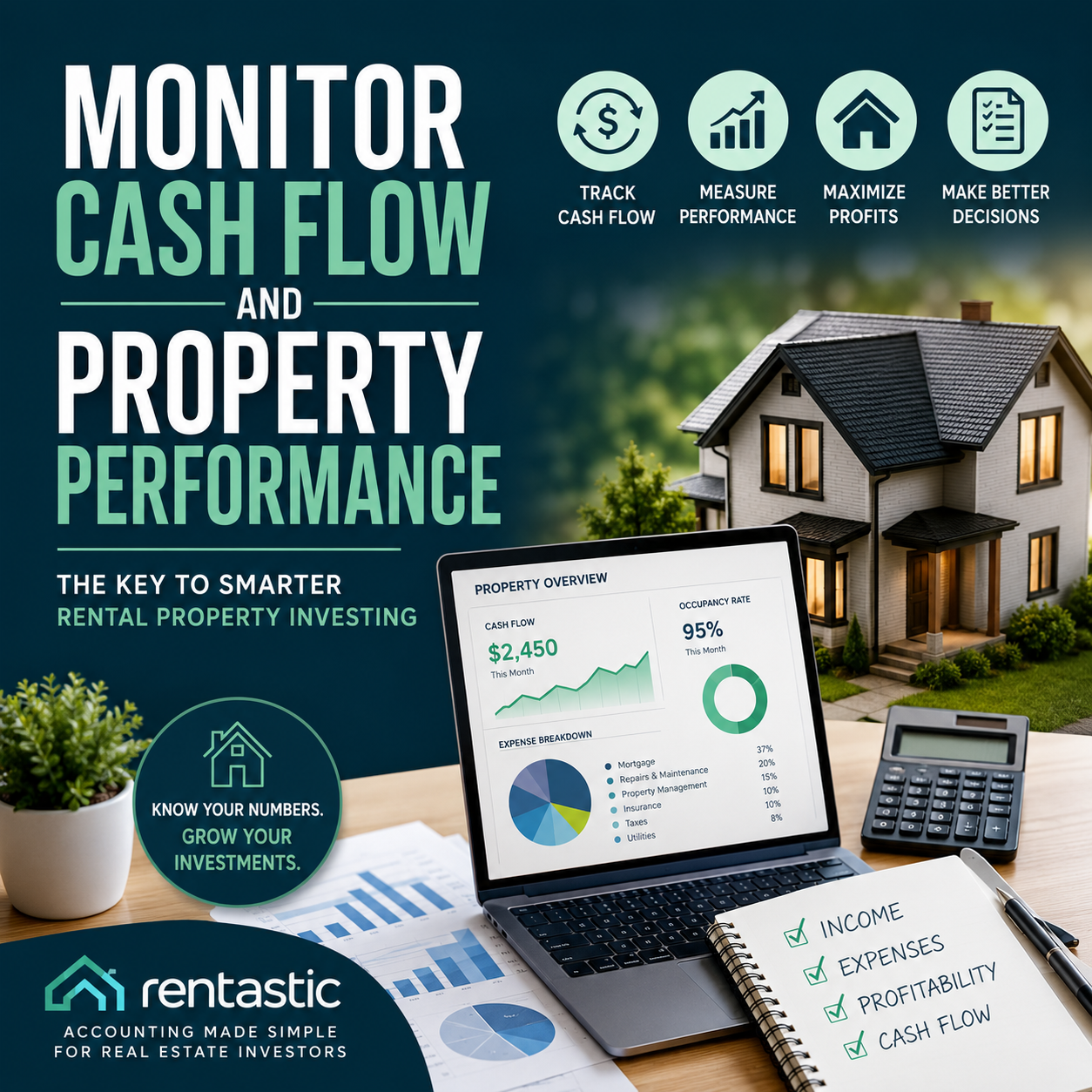
You also need to understand how much money your property actually earns after expenses.
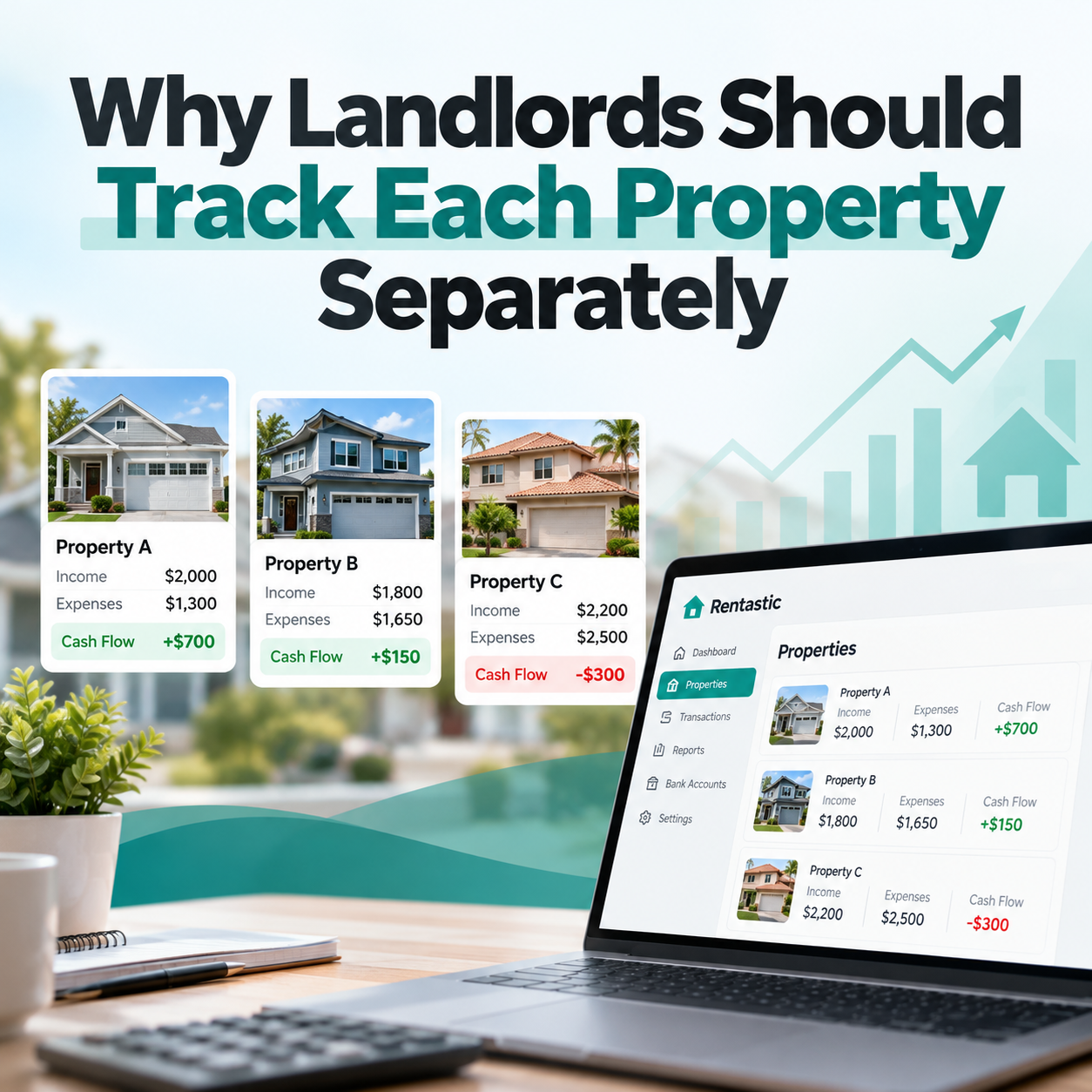
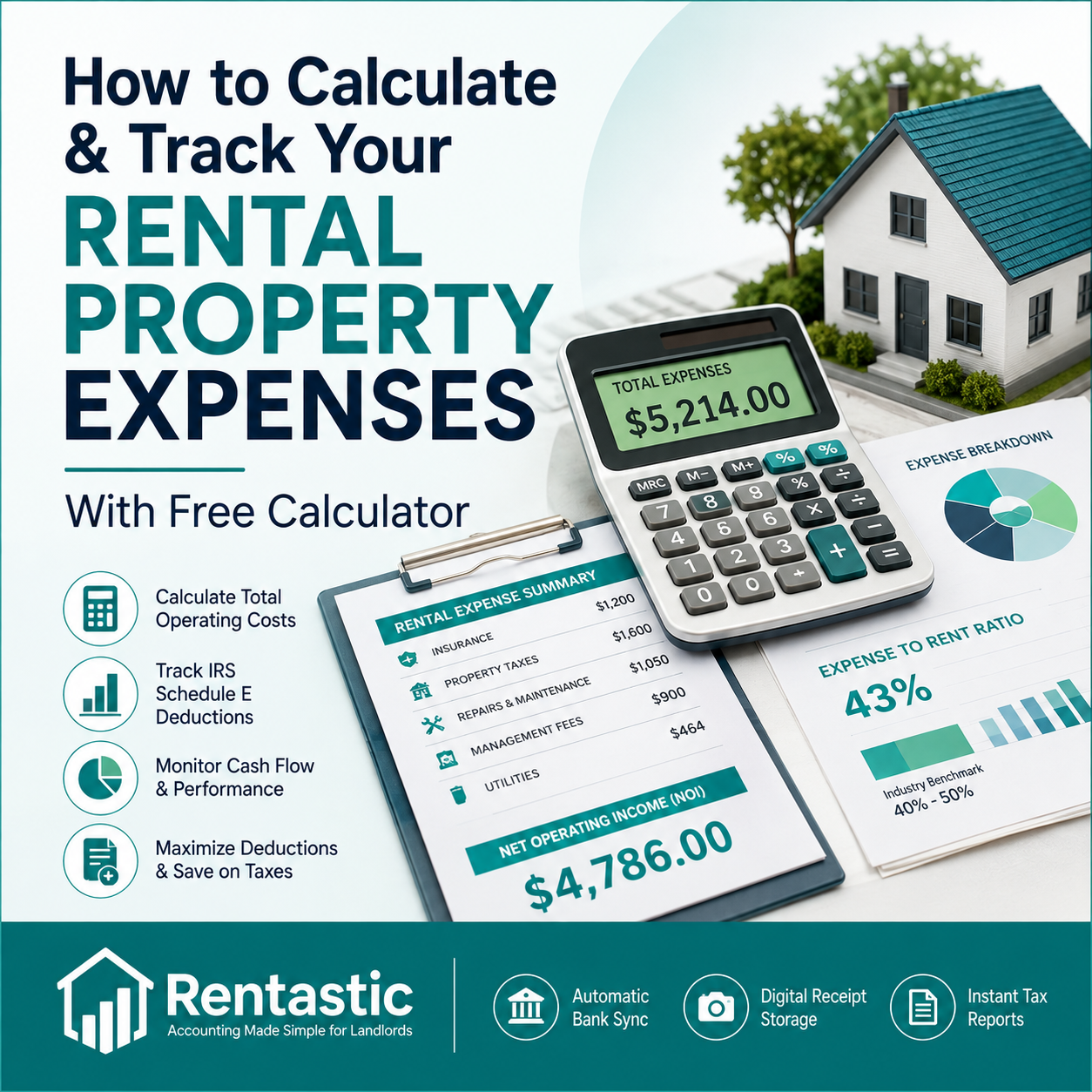
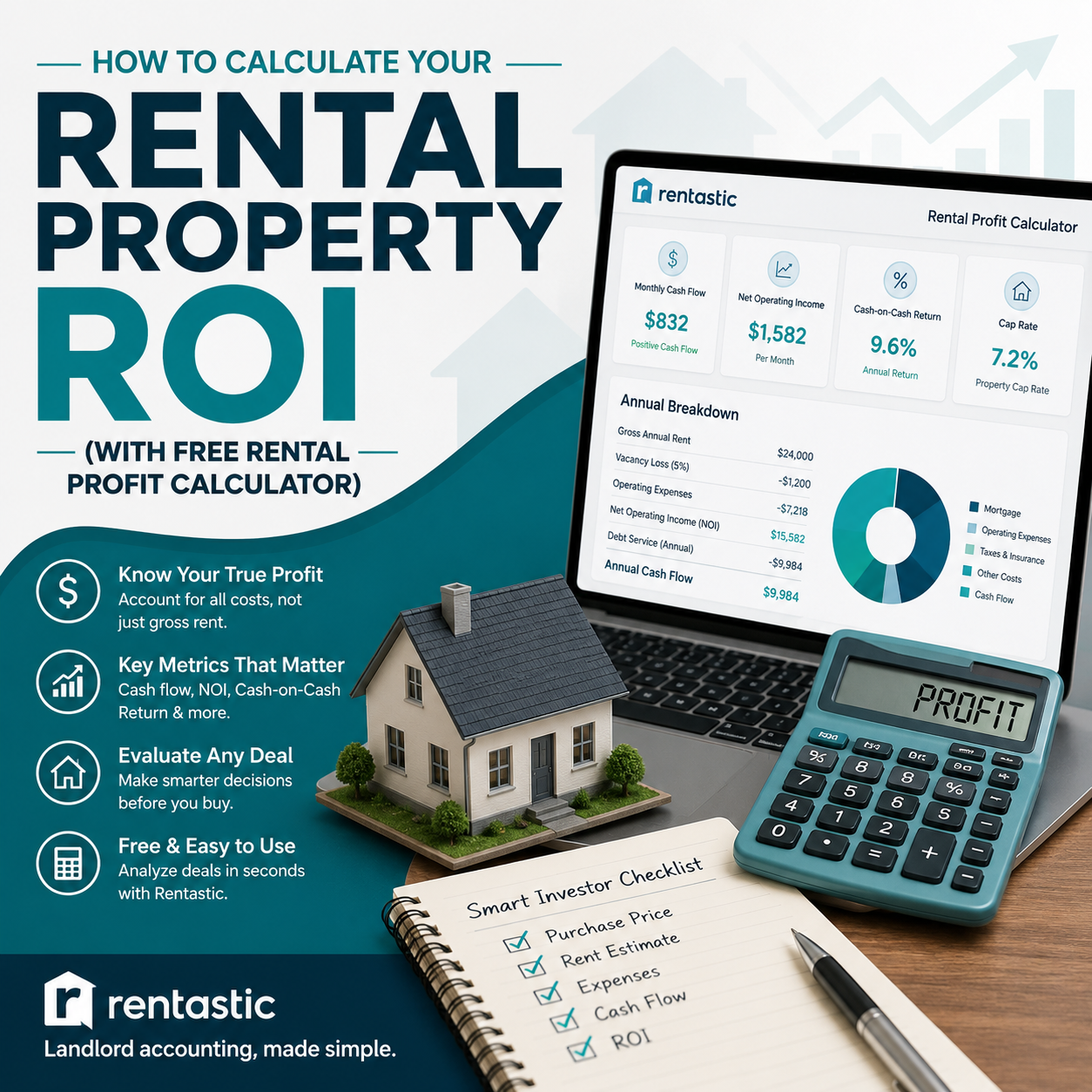
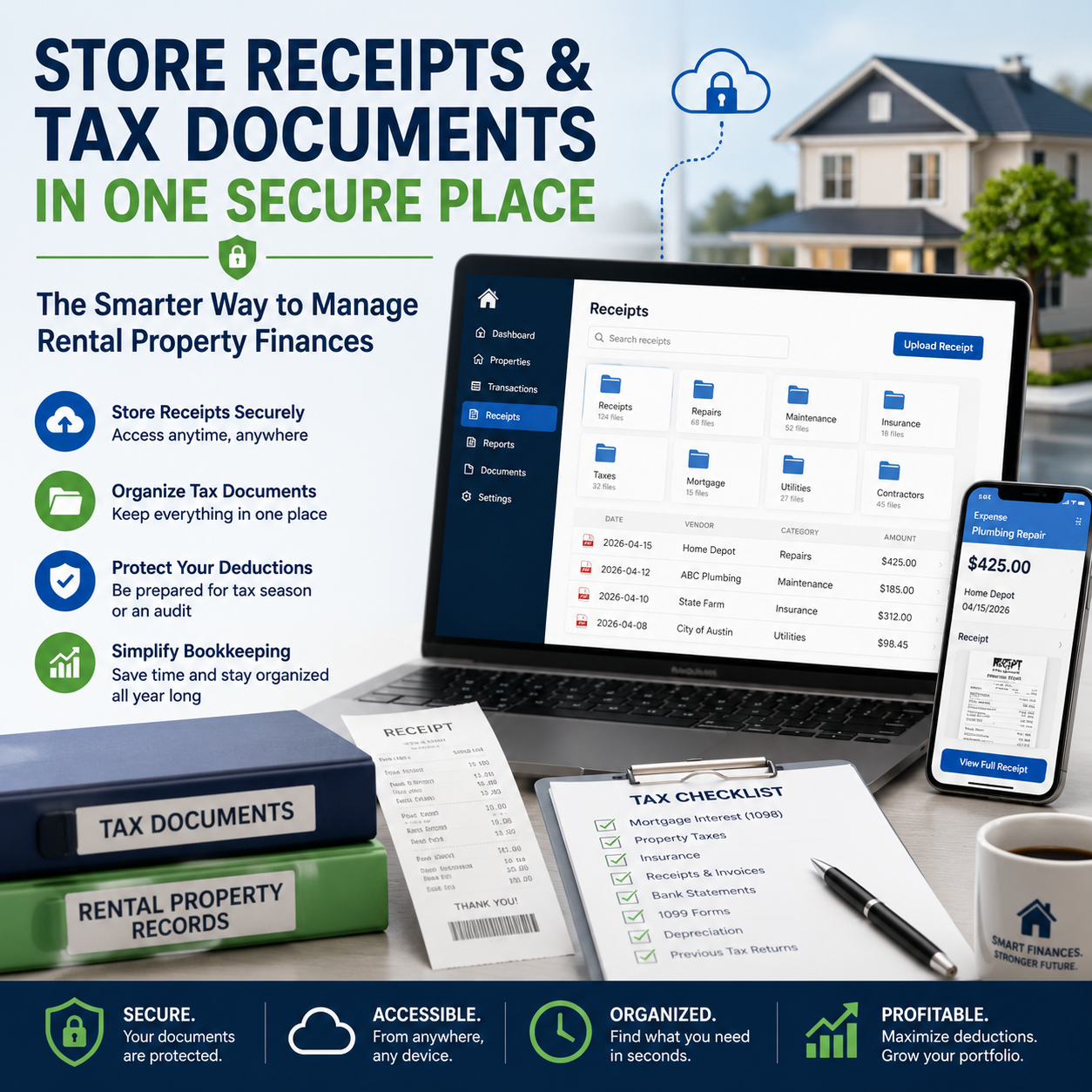
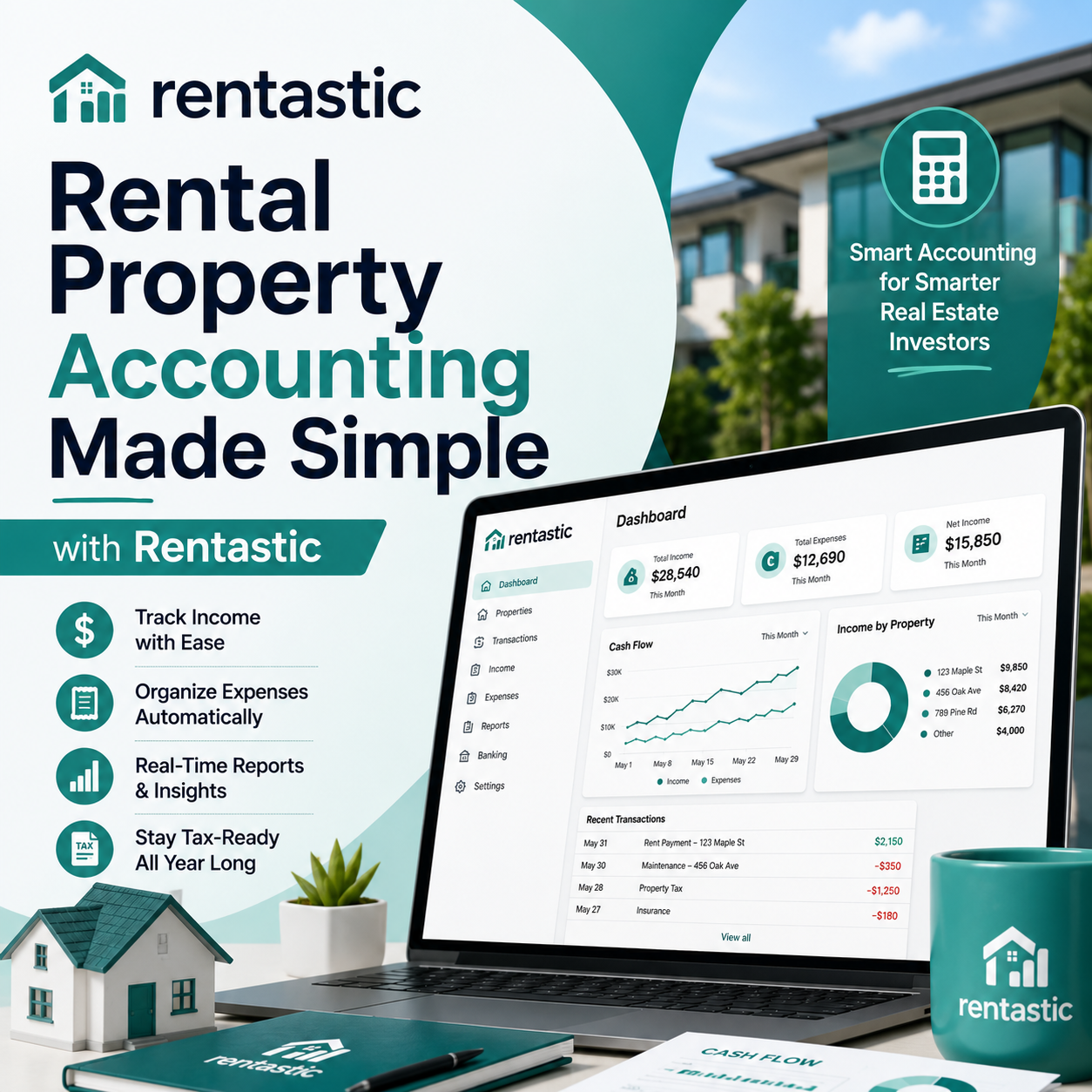
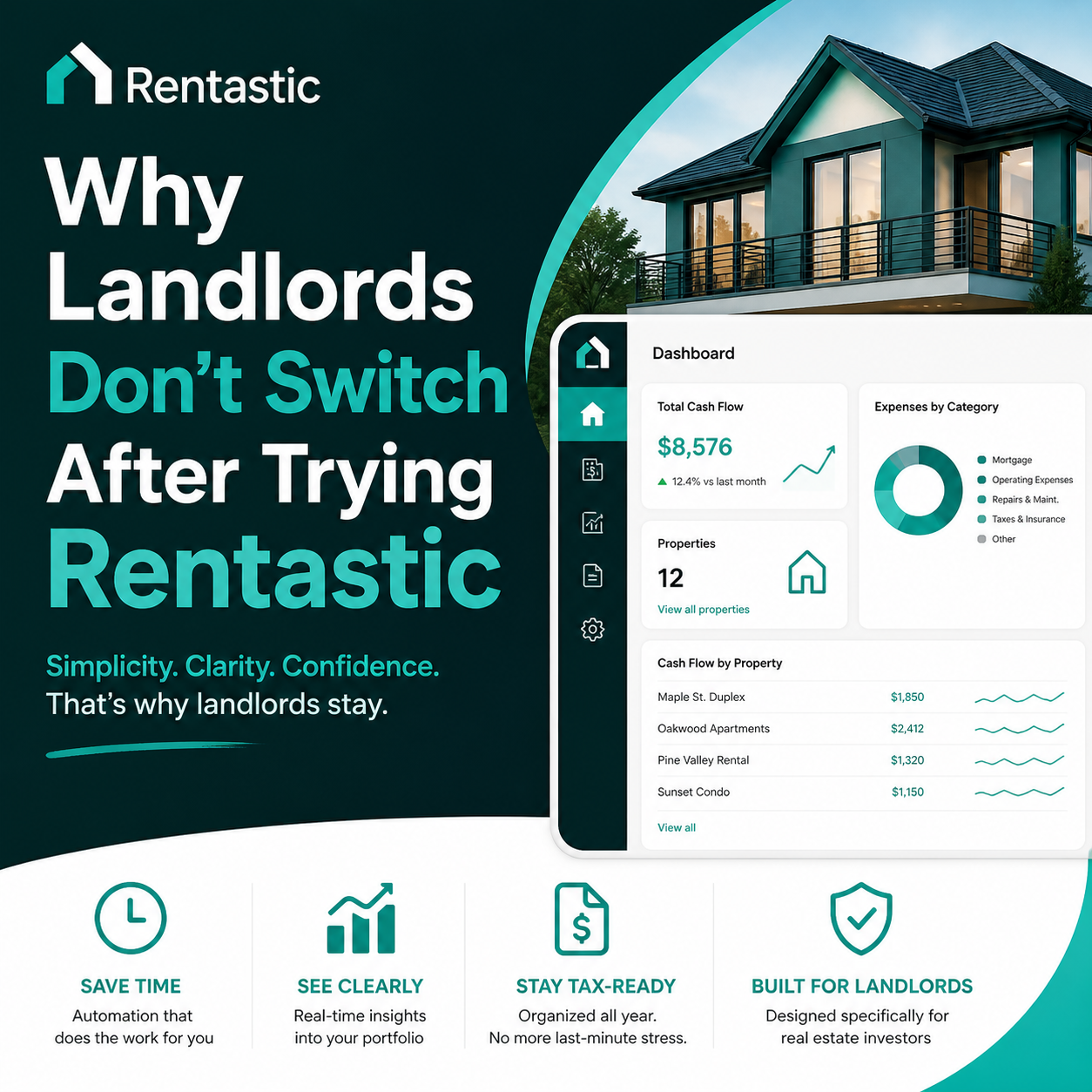
With Rentastic, landlords can organize rental income and expenses, monitor cash flow, and review financial performance for individual properties.
Instead of relying on scattered spreadsheets or bank statements, you can use your financial records to answer important questions:
Rentastic helps you understand the financial side of rental ownership, while market research helps you determine whether your rental rate is competitive.
Explore Rentastic to simplify your rental property accounting.
An underpriced rental property can quietly reduce your investment returns year after year.
However, raising rent without considering market conditions, tenant stability, and vacancy risks can create new financial challenges.
The best approach is to review comparable properties, calculate your potential income gap, and evaluate how a rent adjustment could affect your overall cash flow.
Remember: The goal isn't simply to charge more rent. It's to make sure your rental property generates sustainable, competitive returns.
When you understand both your market rental value and your actual property expenses, you can make more informed decisions about pricing, renewals, and long-term profitability.
RECENT POSTS


© 2025 Rentastic
Rentastic is registered as a trademark. Terms and conditions, features, support, pricing, and service options subject to change without notice.















































Comments