

Managing rental property finances becomes more complicated when your transactions are spread across multiple bank accounts. One account might collect rent, another might cover repairs, and a third might handle mortgage payments or property-related expenses.
Without a clear system, tracking your rental income and expenses can quickly become confusing. You may accidentally record duplicate transactions, overlook important expenses, or struggle to determine how much each rental property is actually earning.
The good news? You don't need to consolidate all your money into one bank account to keep your rental property finances organized.
With the right bookkeeping practices and rental property accounting software, you can manage transactions across multiple accounts while maintaining accurate financial records.
In this guide, we'll explain how to organize rental property transactions across multiple bank accounts, avoid common accounting mistakes, and simplify your financial tracking.
There are several reasons why rental property owners maintain more than one bank account.
Some landlords prefer to separate finances by property, while others use different accounts for rental income, operating expenses, and reserves.
For example, you might have:
Landlords who own multiple properties may also maintain separate accounts for each rental.
While this arrangement can improve financial organization, it also creates a challenge: How do you track everything accurately when your money is moving between different accounts?
The answer starts with a consistent transaction management system.
Before organizing your transactions, create a complete list of the bank accounts involved in your rental property operations.
Include accounts that receive rental income, pay property expenses, or hold rental-related funds.
For each account, identify its primary purpose and the properties associated with it.
For example:
This simple overview helps you understand where your rental money comes from and where it goes.
Tip: Use clear account nicknames, such as "Oak Street – Operating" or "Main Street – Rent Collection," to make transactions easier to identify.
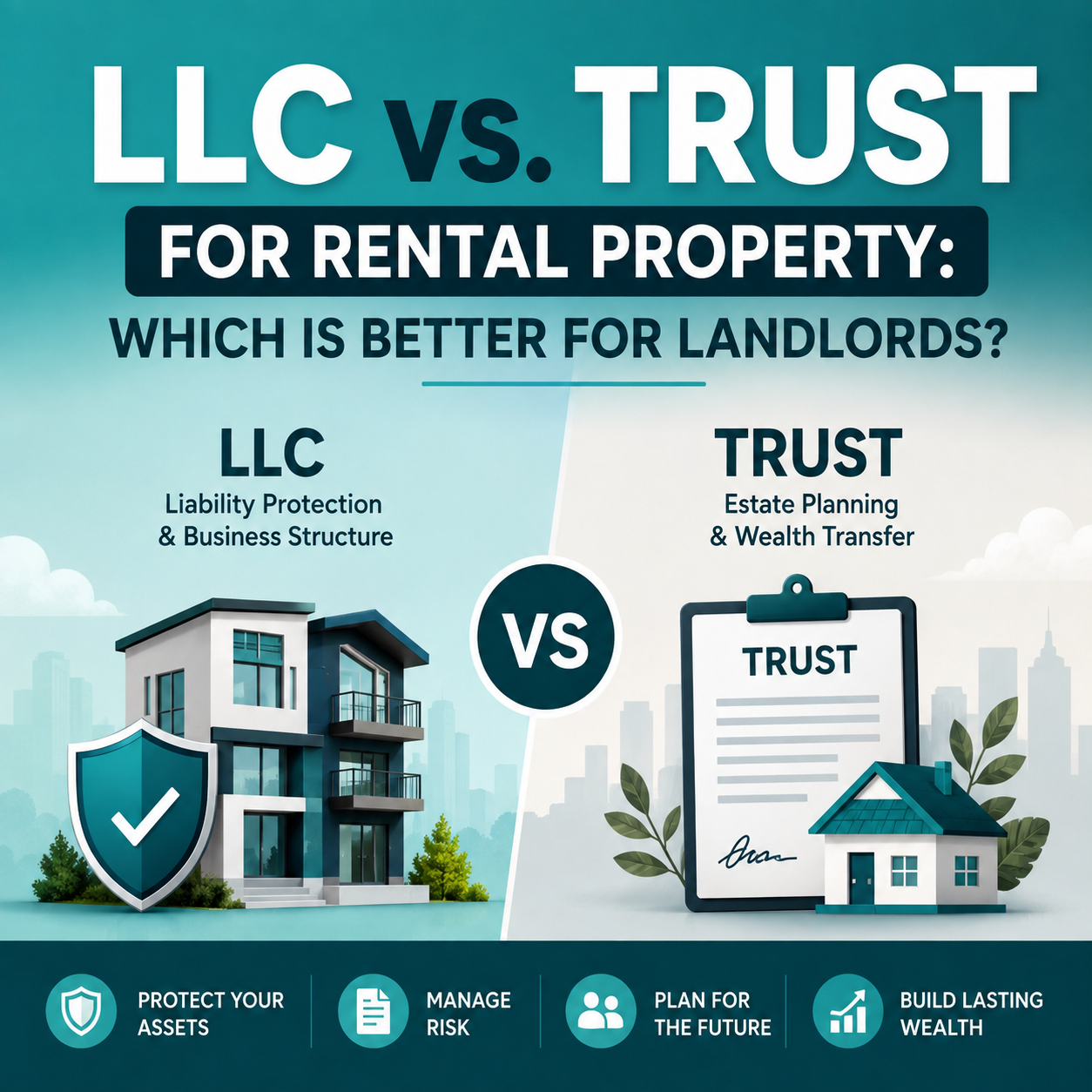
If you manage properties under separate LLCs, keep each entity's financial records and bank accounts appropriately separated. Using the same bookkeeping system does not eliminate the need for entity-level accounting.
One of the biggest bookkeeping mistakes landlords make is assuming that the bank account automatically identifies which property a transaction belongs to.
However, that's not always the case.
Imagine you own three rental properties and pay their maintenance expenses from one business checking account.
Your bank statement might show:
Although these transactions came from the same bank account, they belong to different properties.
If you fail to assign them correctly, your property-level financial reports may become inaccurate.
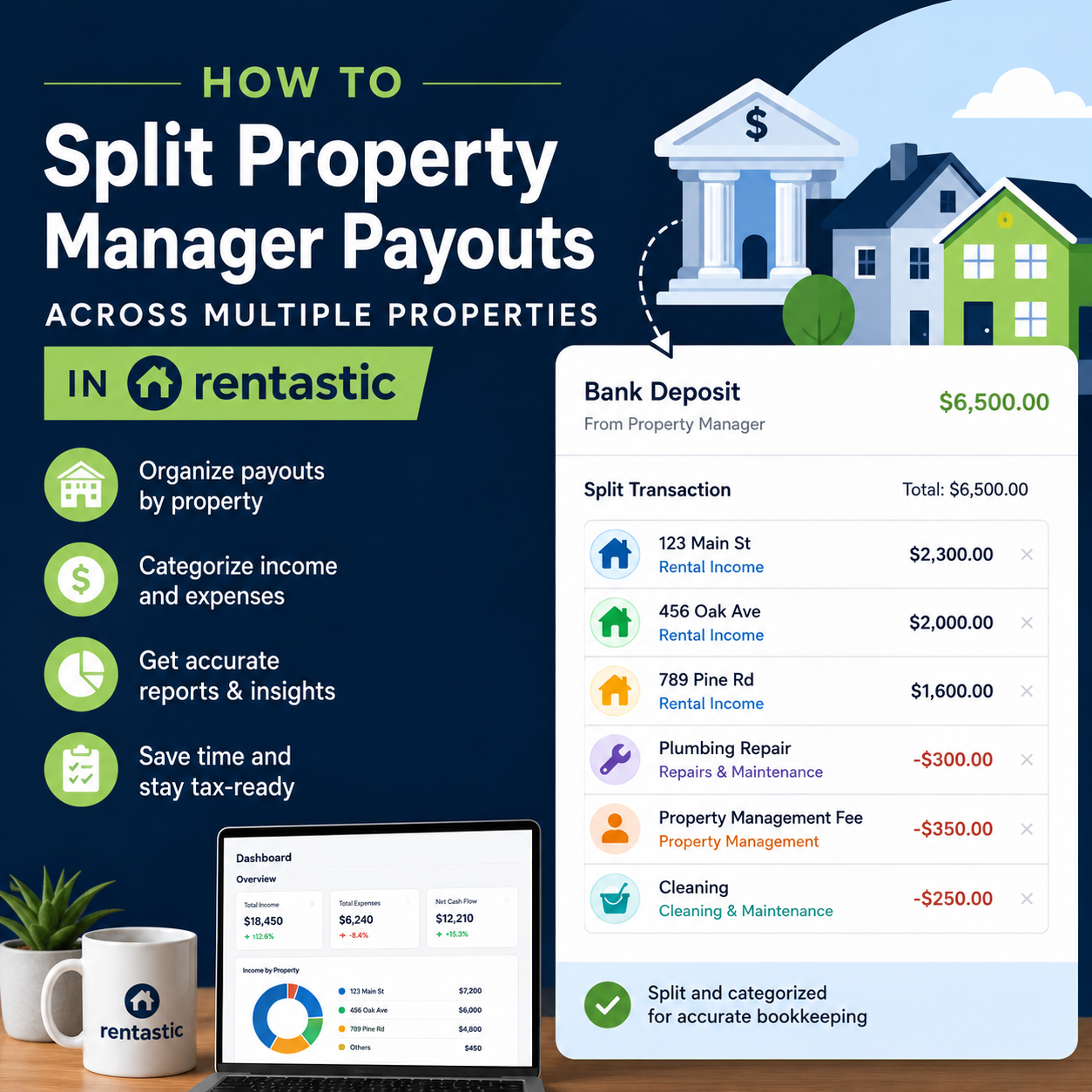
Every rental transaction should include three important details:
Using Rentastic can help simplify this process by allowing landlords to organize transactions by property and expense category.
This makes it easier to review each property's financial performance, even when multiple properties share a bank account.
Transferring money between your own bank accounts is a normal part of managing rental property finances.
For example, you might transfer $1,500 from your rental income account to your operating account to cover upcoming expenses.
However, a transfer between your own accounts is not automatically a rental expense.
Consider this example:
If you incorrectly categorize the transfer as an expense, your rental property's profitability could appear lower than it actually is.
To prevent this issue, categorize transfers appropriately and distinguish them from actual operating expenses.
The same principle applies when moving money into an emergency reserve account. Setting aside cash doesn't automatically create a deductible expense.
When managing multiple bank accounts, duplicate transactions can become a serious bookkeeping problem.
This is especially common when:
For example, a $300 repair expense might appear twice in your records, making your total expenses look $300 higher than they actually are.
Regularly review your transactions and compare them with your bank statements.
Pay particular attention to transactions with identical dates, amounts, and descriptions.
Before importing a CSV file, check whether those transactions already exist in your accounting system.
If you're using Rentastic, reviewing your imported transactions and existing bank connections can help prevent unnecessary duplication.
Important: Not every transaction with the same amount is a duplicate. Two legitimate expenses may happen to have identical values, so always verify before deleting a record.
When expenses come from different bank accounts, inconsistent categorization can make financial reporting difficult.
For example, you might record a plumbing repair as "Maintenance" in one account and "Repairs" in another.
Although both transactions represent similar expenses, inconsistent categories can make it harder to compare spending.
A better approach is to establish a standard list of categories for all rental transactions.
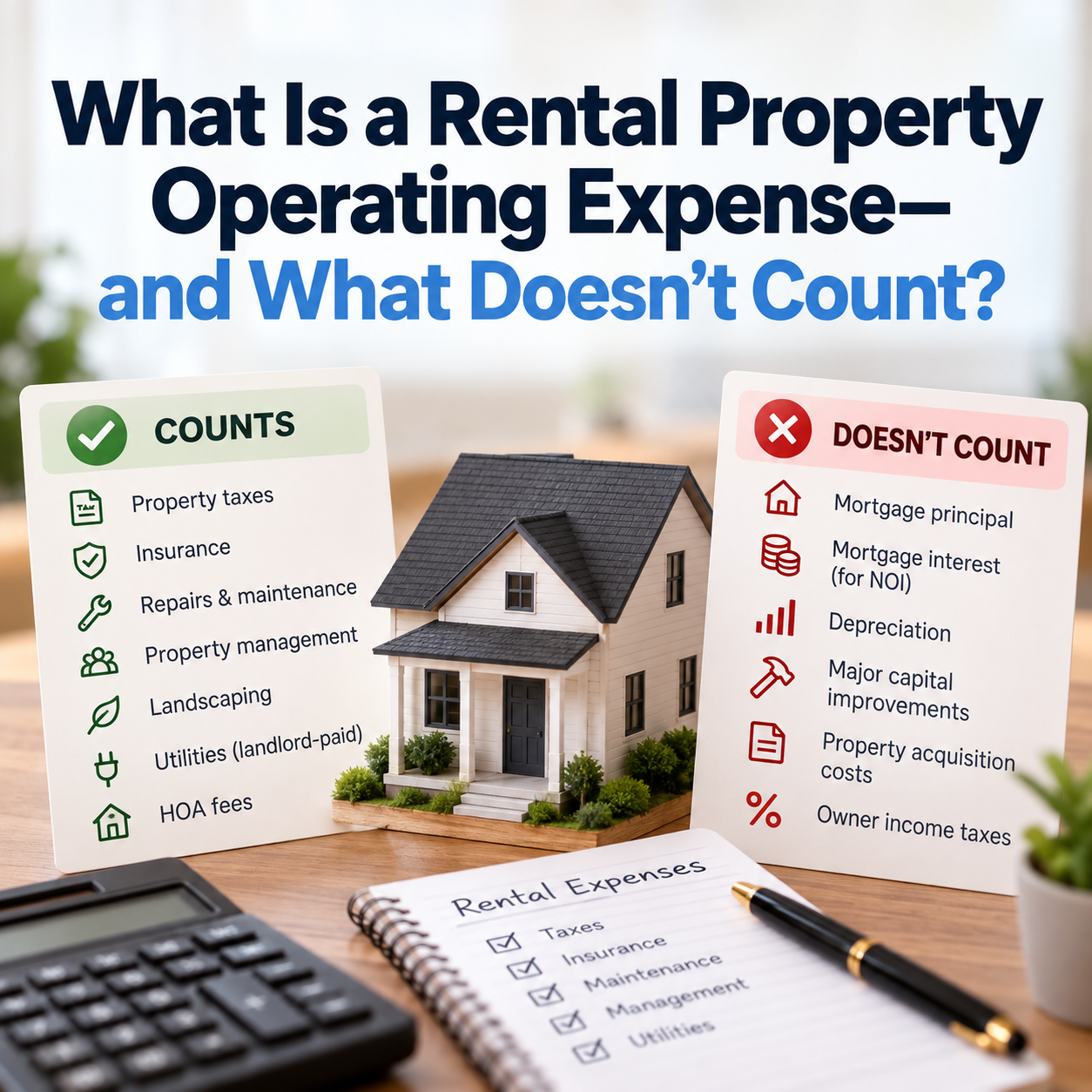
Common categories include:
Consistency makes it easier to analyze expenses across your rental portfolio and prepare financial records for tax season.
It also helps you identify unusual spending patterns.
For example, if maintenance expenses increase significantly across several properties, you can investigate the cause instead of searching through multiple bank statements.
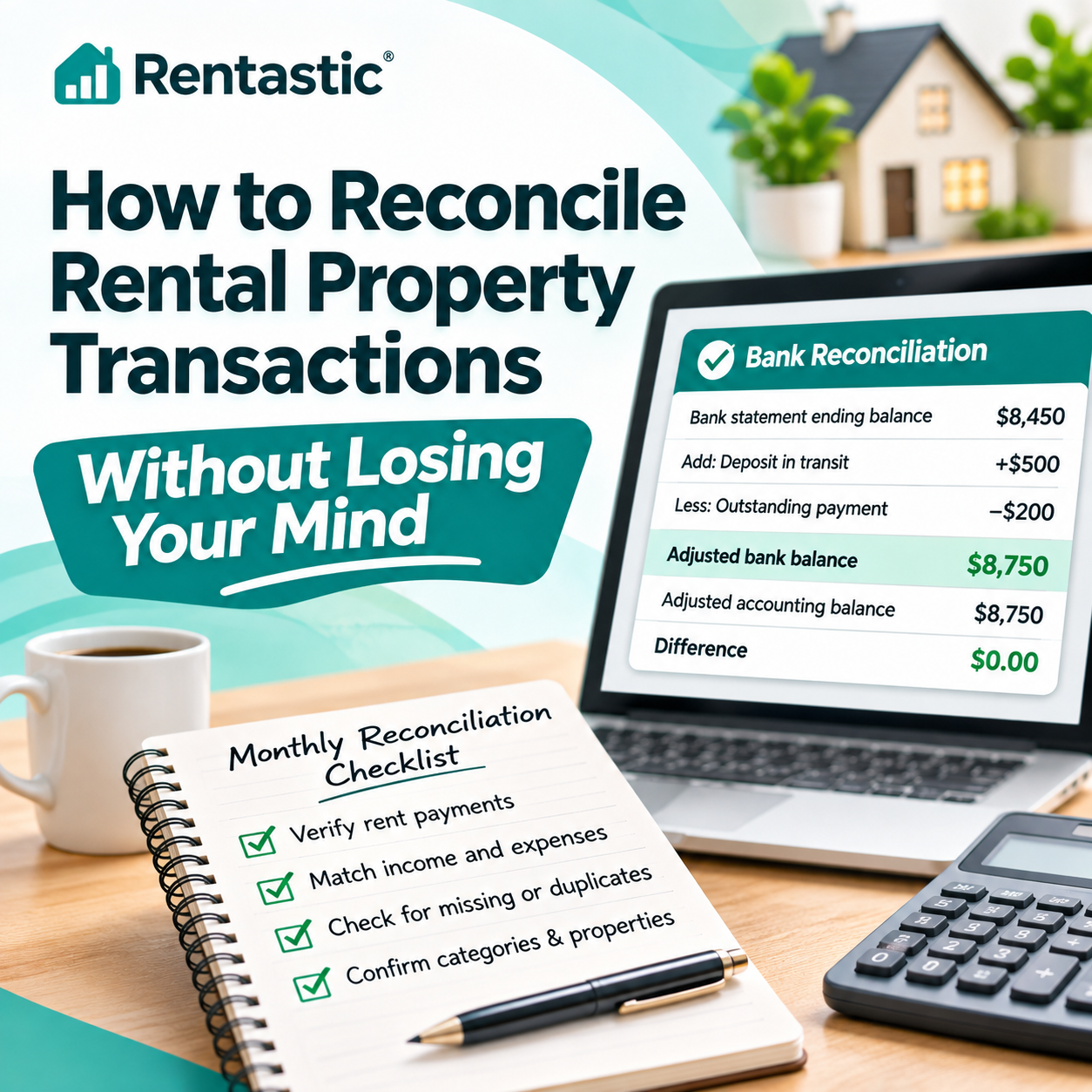
Even with automated transaction tracking, landlords should regularly compare their accounting records with actual bank statements.
This process is called bank reconciliation.
Reconciliation helps identify missing transactions, duplicate entries, incorrect amounts, and other bookkeeping discrepancies.
For example, if your bank statement shows 45 transactions but your accounting software only displays 42, you'll need to investigate the three missing entries.
These might be pending bank transactions, failed imports, or transactions that haven't synced yet.
By reconciling each account monthly, you can catch problems early instead of discovering them during tax season.
Mixing personal and rental finances is another common challenge, especially for landlords who are just starting out.
You might occasionally use your personal checking account to pay for a rental property repair or purchase supplies.
While this can happen, it creates additional bookkeeping work.
For example, suppose you pay $200 for a rental property's plumbing repair using your personal debit card.
That expense still needs to be documented and associated with the correct property.
Record the transaction accurately and retain the receipt, even though the payment didn't come from your rental bank account.
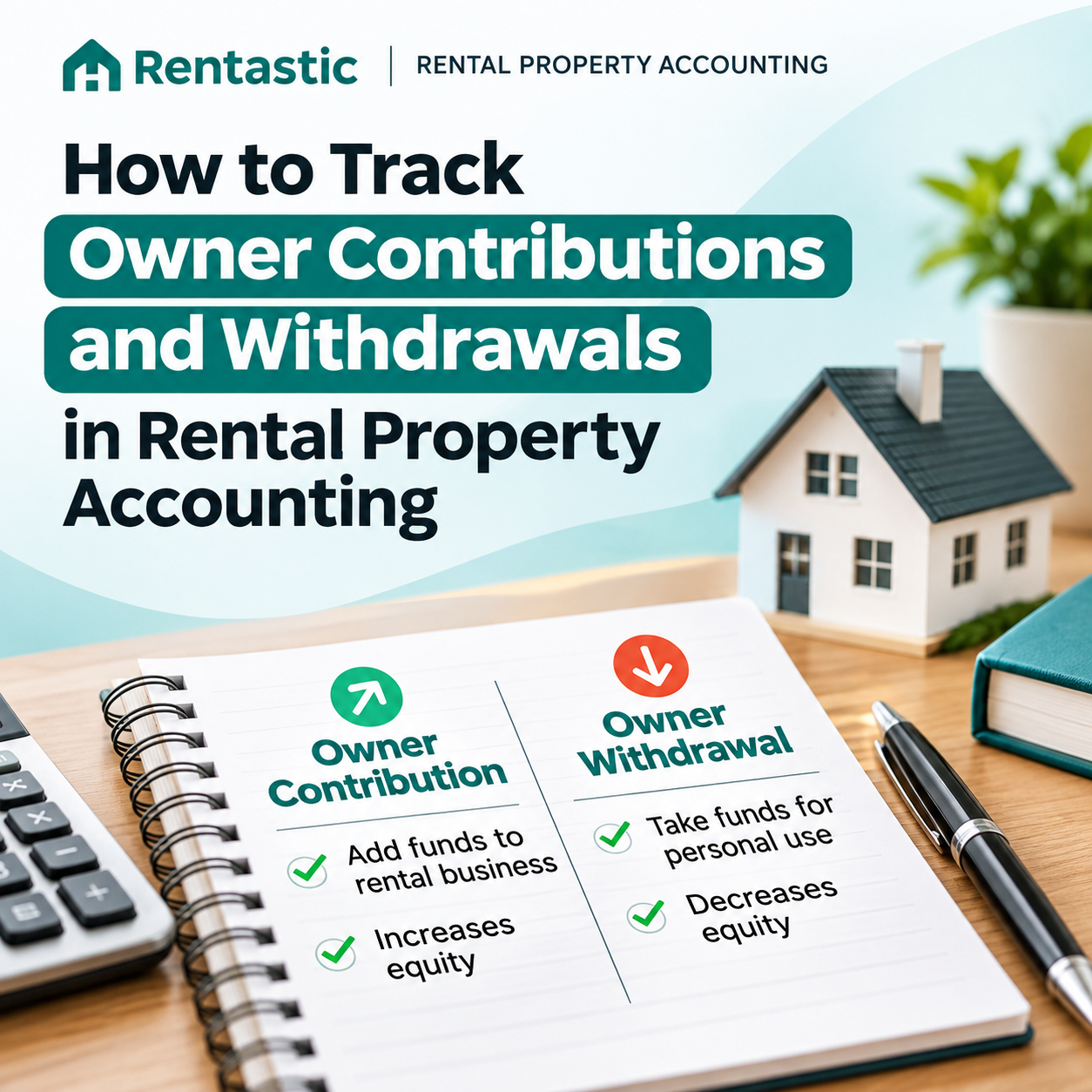
Depending on how the property is owned, the payment may also need to be recorded as an owner contribution, reimbursement payable, or another appropriate entry.
Best practice: Use dedicated business or rental-related bank accounts whenever practical, and maintain clear records of any personal funds used for rental expenses.
A common mistake is using the balance of a rental bank account to determine whether a property is profitable.
However, your bank balance doesn't necessarily reflect your actual rental profit.
For example, a bank account might contain $10,000, but some of that money could include security deposits, owner contributions, loan proceeds, or funds reserved for future expenses.
Likewise, a property could generate positive operating income while experiencing negative cash flow due to mortgage principal payments or major capital expenditures.
That's why landlords should review financial reports rather than relying solely on bank balances.
Useful reports include:
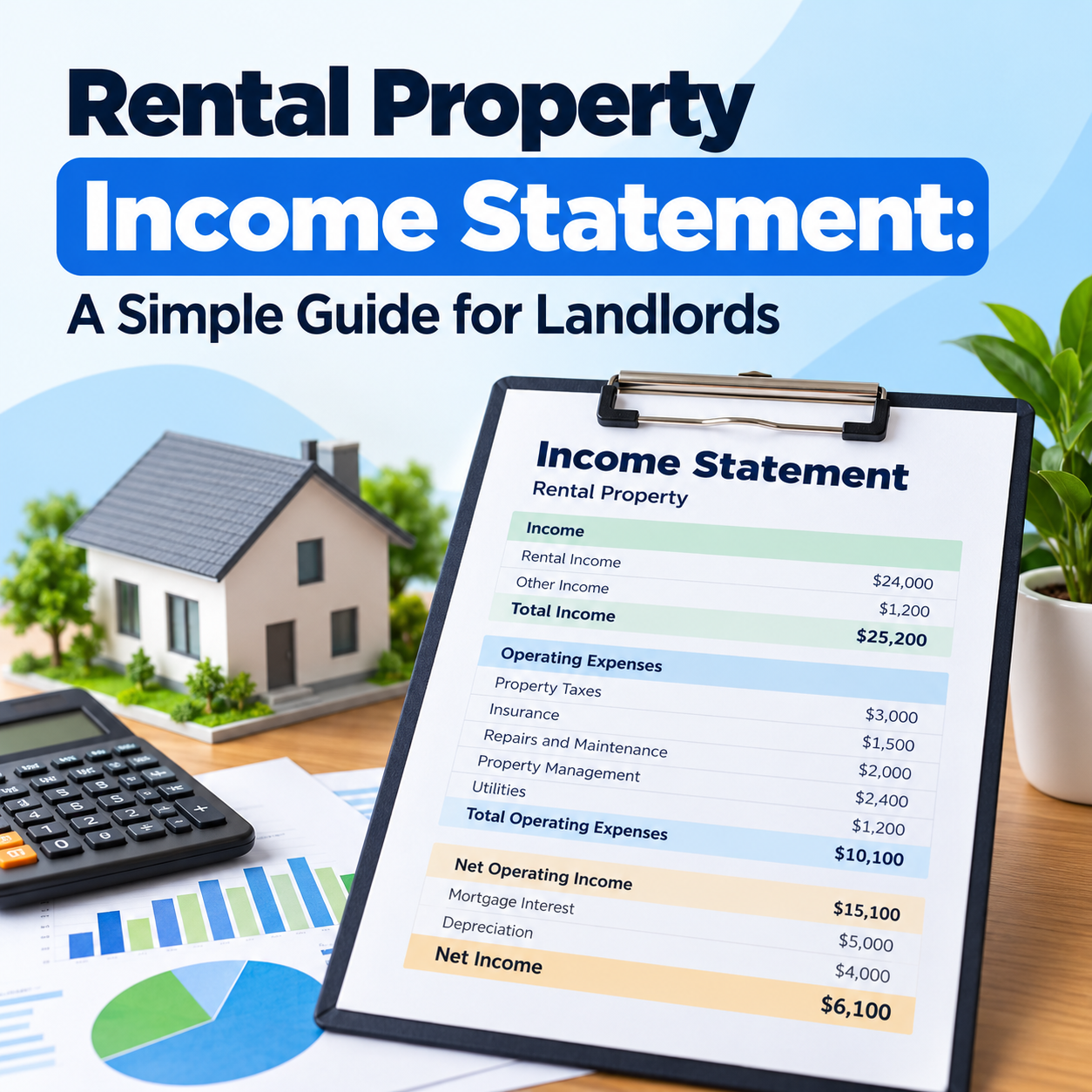
Profit and Loss Statement: Shows rental income and expenses over a selected period.
Cash Flow Report: Helps you understand money coming in and going out, including items that may not appear as operating expenses.
Property-Level Performance Reports: Allow you to compare the financial performance of individual rental properties.
When your transactions are assigned to the correct properties, these reports provide a clearer picture of your investments.
Managing rental transactions across multiple bank accounts doesn't have to mean maintaining several spreadsheets or manually sorting through every bank statement.
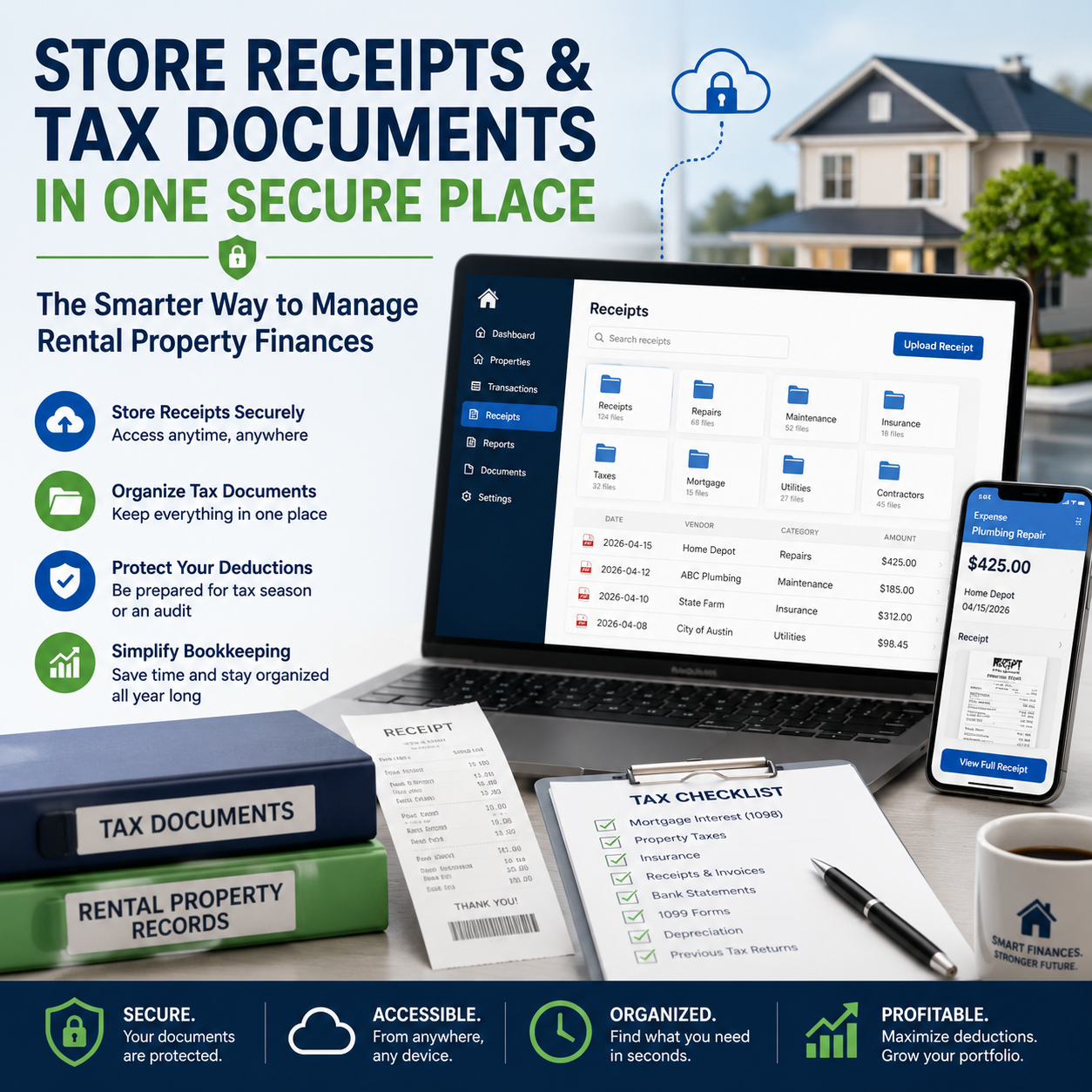
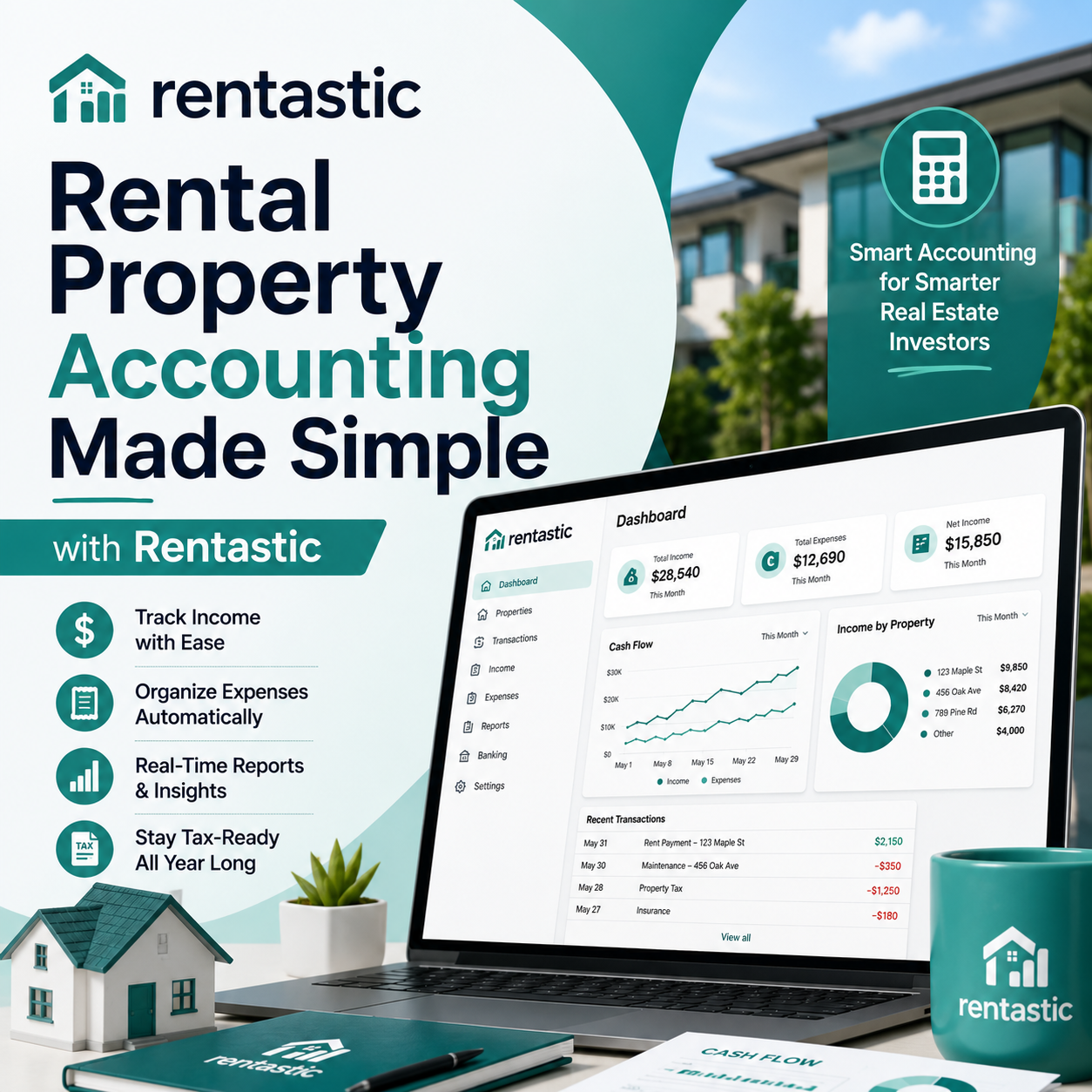
Rentastic is designed to help rental property owners organize their finances in one place.
With Rentastic, you can:
Instead of switching between bank accounts and spreadsheets, you can review your rental financial activity through one centralized dashboard.
For landlords with multiple rental properties, this can significantly reduce the time spent organizing transactions and preparing financial reports.
Note: Bank connectivity depends on financial institution support, and Rentastic currently supports one LLC per account. Separate legal entities may require separate accounts.
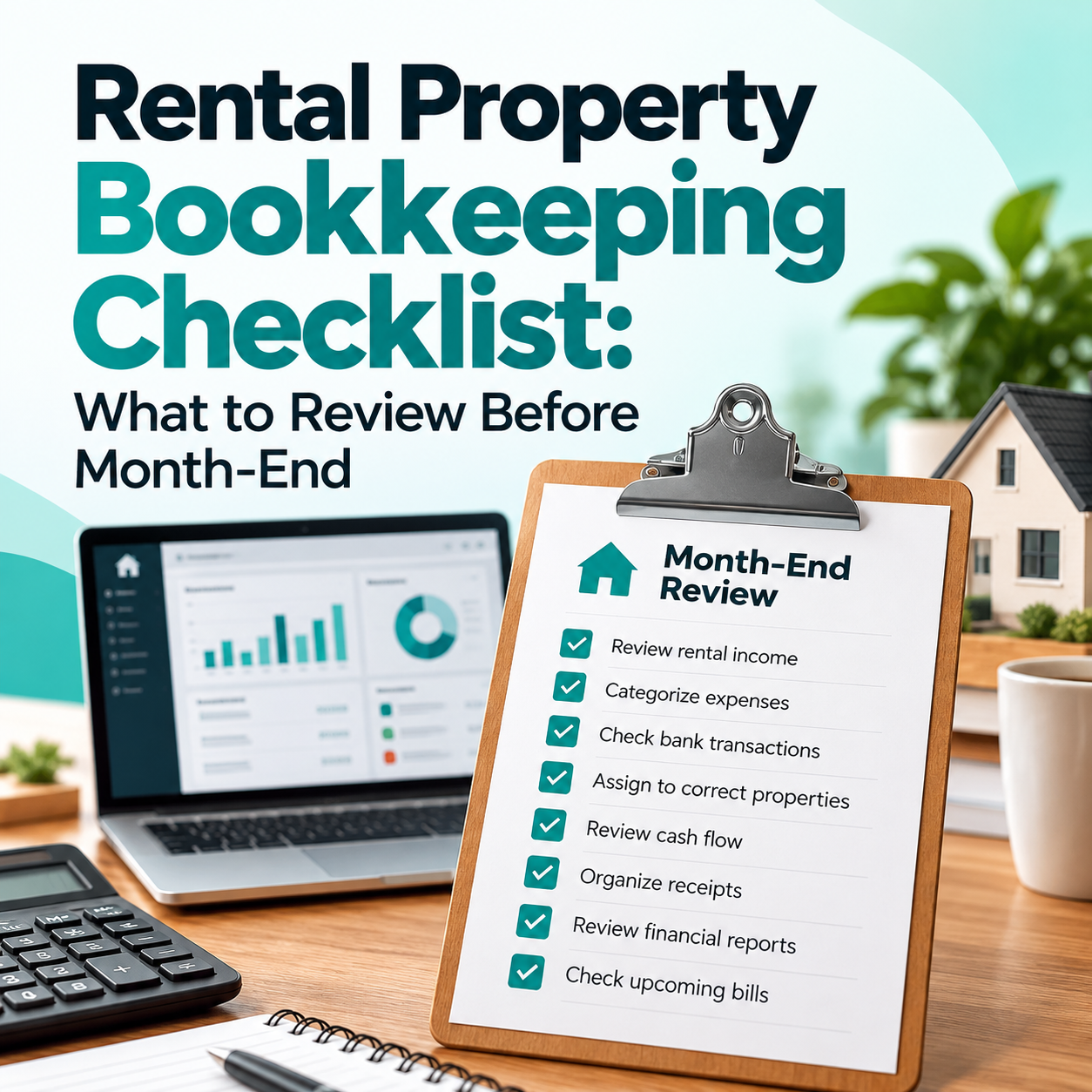
The most effective way to stay organized is to create a repeatable bookkeeping routine.
You don't need to review every bank account daily, but you should establish a consistent schedule.
Here's an example:
Weekly: Review newly imported transactions, assign properties, and categorize expenses.
Monthly: Reconcile each bank account, review transfers, and investigate missing or duplicate transactions.
Quarterly: Compare property-level expenses, identify unusual spending trends, and evaluate cash flow.
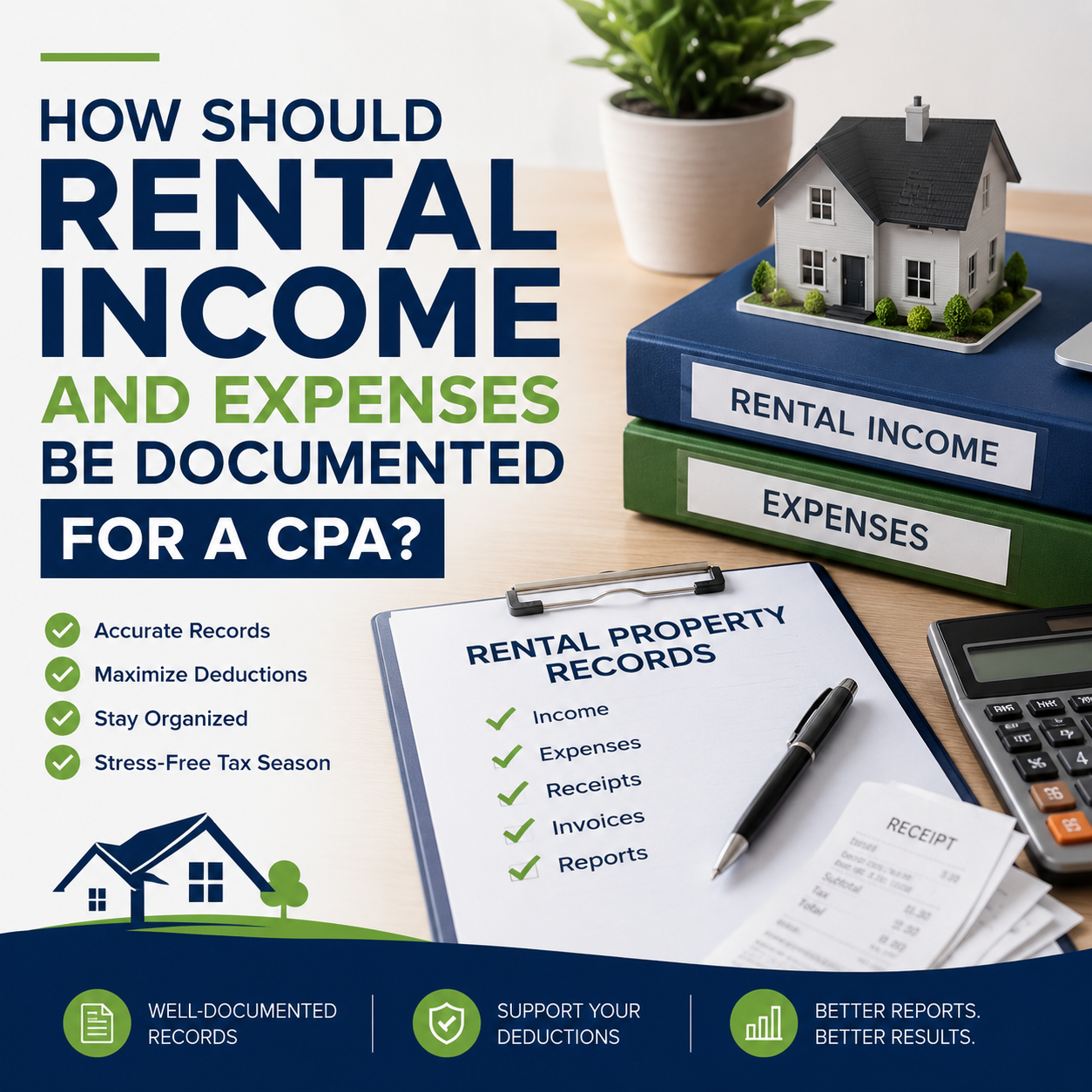
Annually: Review your complete transaction history, organize supporting documents, and prepare financial records for your tax professional.
Following this routine can help prevent small bookkeeping mistakes from becoming larger financial problems.
Using multiple bank accounts can be a smart way to organize rental property finances, especially when managing several properties.
However, the benefits depend on how accurately you track the transactions moving through those accounts.
The key is to maintain consistent categories, assign transactions to the correct properties, identify transfers properly, and reconcile your records regularly.
With a clear bookkeeping process, you can understand your rental income and expenses without constantly switching between bank statements.
And with rental property accounting software like Rentastic, organizing transactions across multiple accounts becomes easier and more manageable.
Stop juggling spreadsheets and bank statements just to understand where your rental money is going.
Rentastic helps you organize rental income, track expenses, and monitor individual property performance from one convenient platform.
Whether you're managing one rental property or a growing portfolio, keeping your transactions organized can help you make more informed financial decisions.
Start simplifying your rental property bookkeeping with Rentastic today.
RECENT POSTS


© 2025 Rentastic
Rentastic is registered as a trademark. Terms and conditions, features, support, pricing, and service options subject to change without notice.





































































Comments