
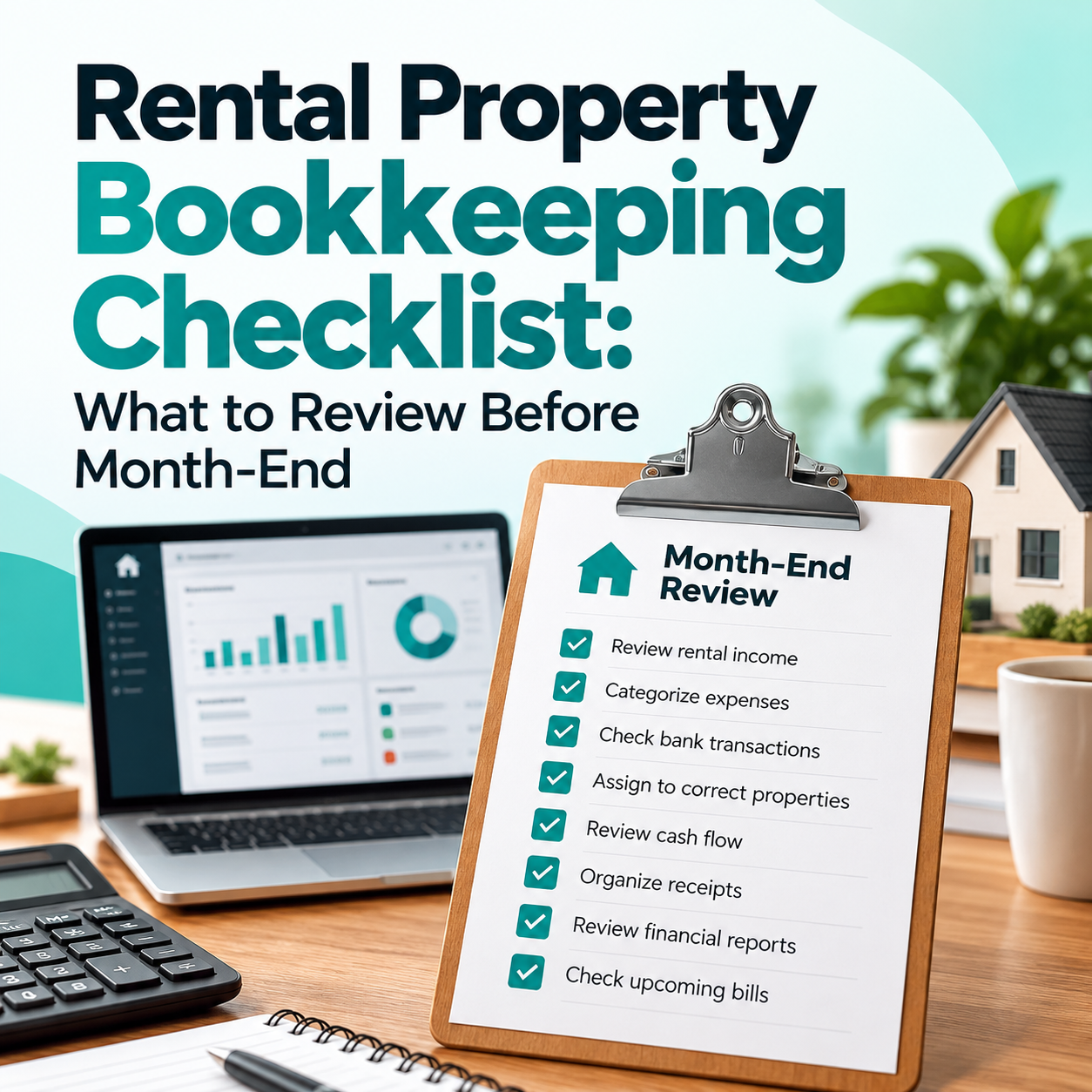
Managing rental properties isn't just about collecting rent and paying bills. It's also about keeping your financial records accurate, organized, and up to date.
For landlords, the end of each month is an opportunity to review rental income, track expenses, identify missing transactions, and understand how each property is performing.
Without a consistent bookkeeping routine, small mistakes can quickly turn into bigger problems. Missing expenses, uncategorized transactions, and inaccurate financial reports can make it difficult to determine whether your rental properties are actually profitable.
The good news? You don't need to spend hours reviewing your books.
With a simple rental property bookkeeping checklist, you can stay organized, reduce accounting errors, and make better financial decisions.
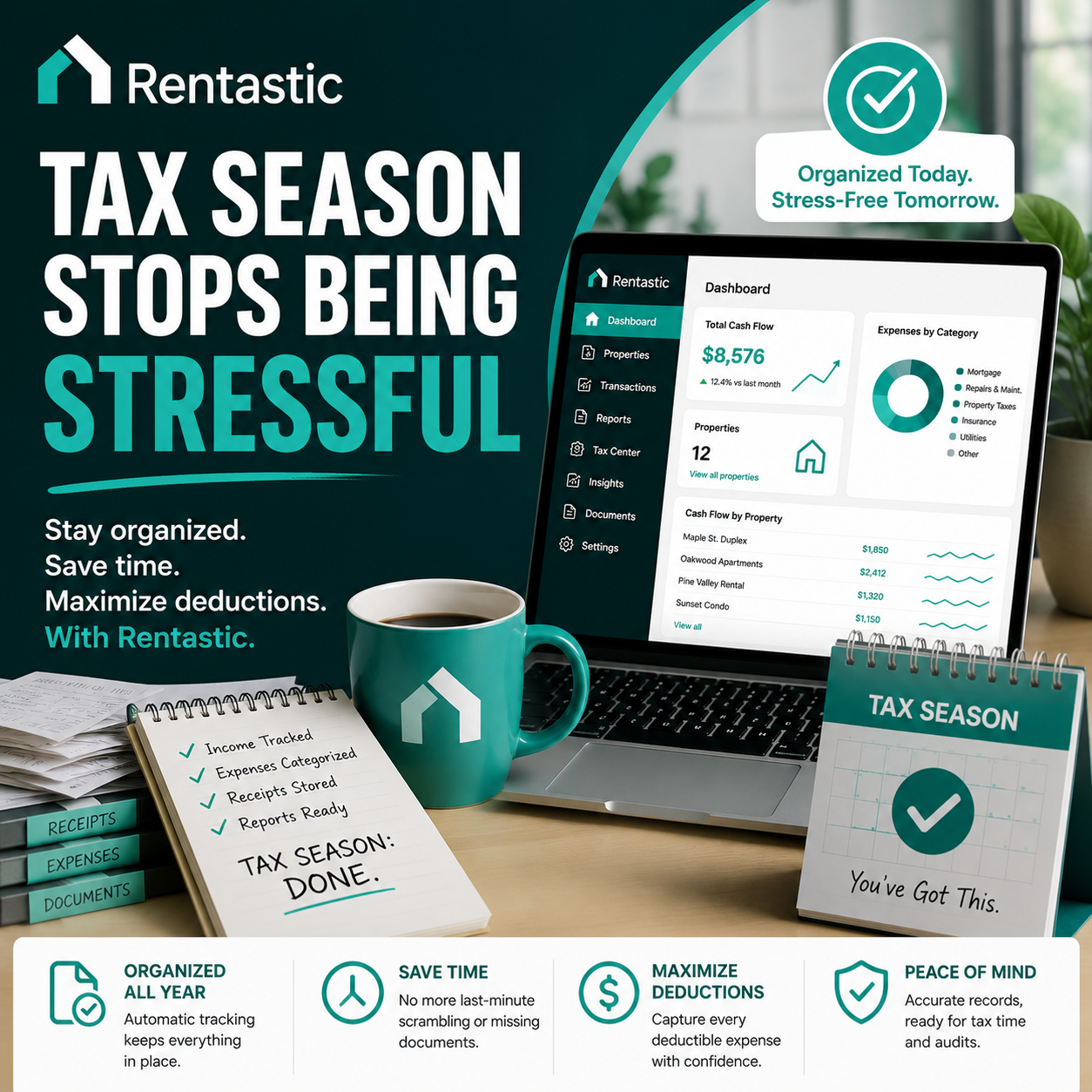
Waiting until tax season to organize rental property finances can lead to unnecessary stress.
By reviewing your books every month, you can:
A consistent monthly routine also helps you understand where your money is going and whether your investments are meeting your financial goals.
Start by reviewing the income collected during the month.
Check that every rent payment has been recorded correctly, including any additional income your rental properties generate.
This may include monthly rent, late fees, parking fees, pet rent, laundry income, and other rental-related charges.
What to review:
For example, if a property generates $1,800 in monthly rent but your bookkeeping records show only $1,500, investigate the $300 difference before closing the month.
It could be a missing transaction, a partial payment, or an incorrectly categorized deposit.
Identifying these discrepancies early helps prevent inaccurate income reports.
Recording expenses is only half the job. You also need to make sure they're categorized correctly.
Proper expense categorization helps landlords understand operating costs and prepare accurate financial reports.
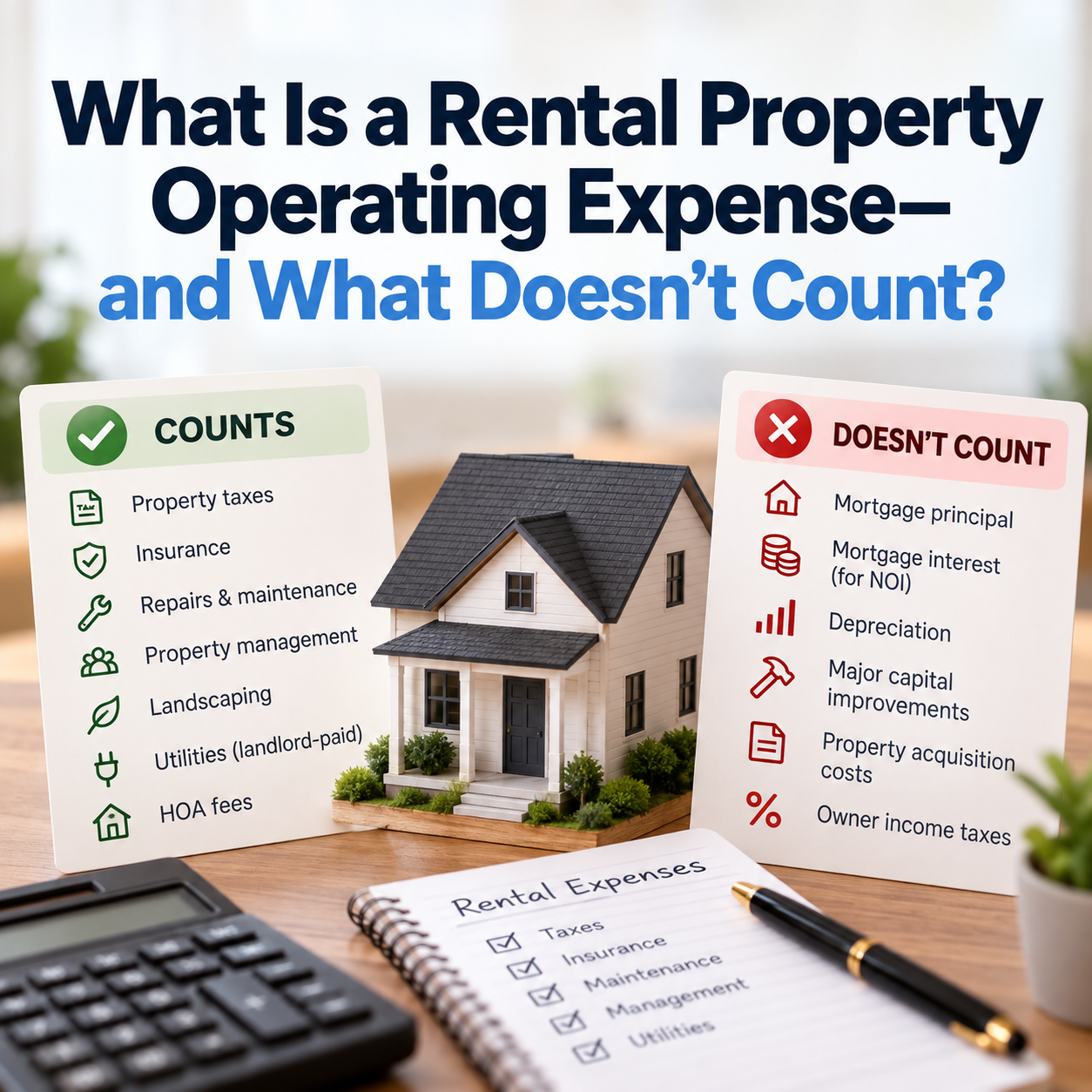
Common rental property expenses include:
Review any transactions labeled as uncategorized and assign them to the appropriate expense categories.
Important: Not every payment is an operating expense. Mortgage principal payments, for example, reduce your loan balance rather than count as an operating expense. Capital improvements may also require different accounting treatment than ordinary repairs.
Accurate categorization makes your financial reports more useful and helps simplify tax preparation.
Bank transaction errors can affect your rental property's financial picture.
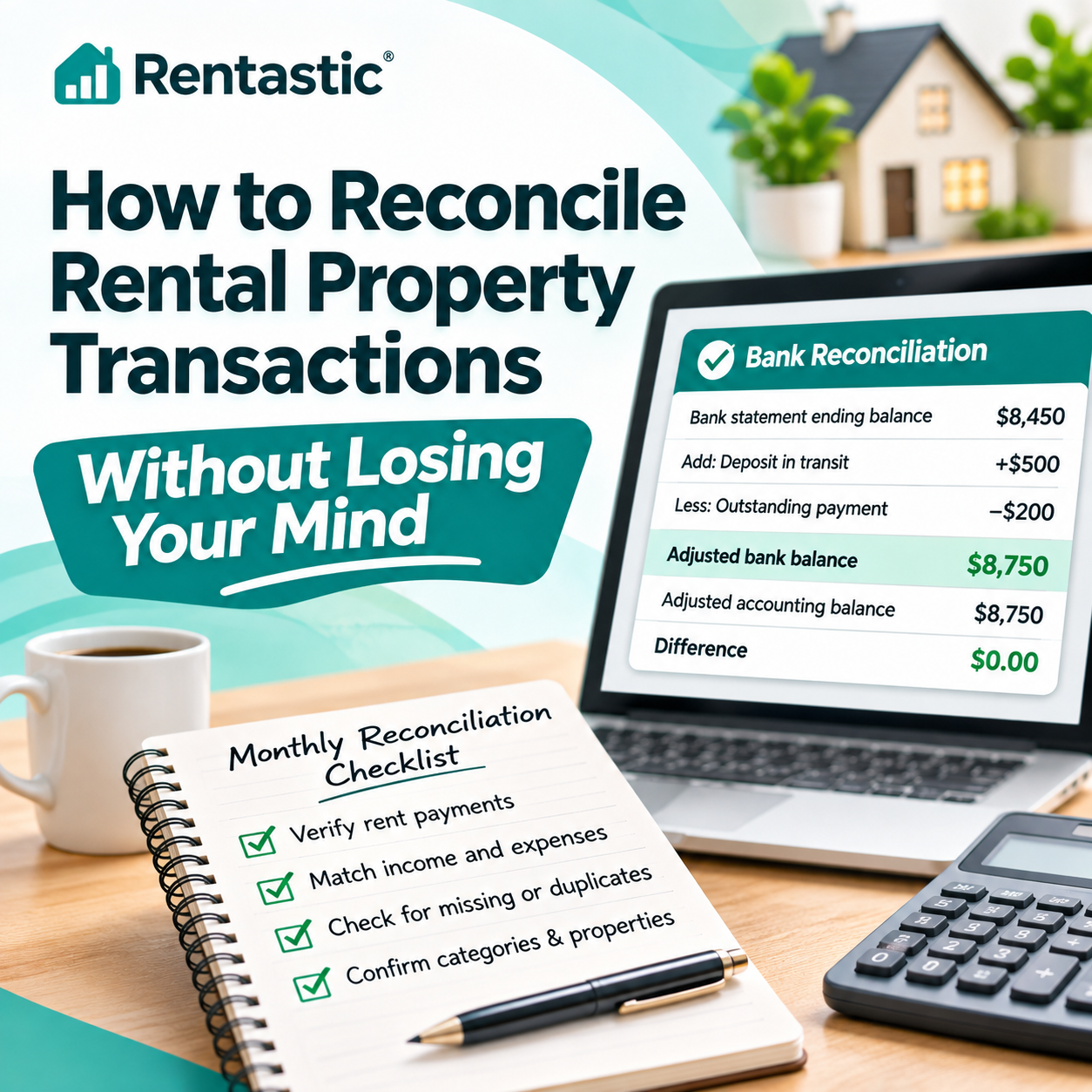
Before month-end, compare your bookkeeping records with your bank statements or available transaction history.
Look for missing deposits, unrecorded expenses, duplicate transactions, and incorrect amounts.
If you use accounting software that automatically imports bank transactions, confirm that your connected accounts are syncing properly.
Sometimes, transactions may be delayed or fail to import because of connection issues.
With Rentastic, landlords can connect supported bank accounts to automatically import transactions, helping reduce manual data entry.
However, it's still important to review imported transactions regularly to ensure your records remain complete and accurate.
One of the most common bookkeeping mistakes landlords make is mixing expenses between properties.
For example, a $450 plumbing repair for Property A should not appear under Property B.
When transactions are assigned incorrectly, your property-level financial reports can become misleading.
A profitable rental may appear to be losing money, while an underperforming property may look healthier than it actually is.
Before month-end, review your transactions and verify that each one belongs to the correct property.
This is especially important for landlords managing multiple rentals.
Tip: Tracking finances separately for each property makes it easier to compare performance, identify costly rentals, and determine where improvements are needed.
Your rental property might generate consistent income, but that doesn't automatically mean it's producing positive cash flow.
Cash flow measures the money remaining after paying actual cash expenses and obligations associated with the property.
A simplified calculation is:
Monthly Cash Flow = Rental Income Collected − Total Cash Outflows
For example:
In this example, the property generates $500 in positive monthly cash flow before any additional cash outflows, such as capital improvements or reserve contributions.
Reviewing this number every month helps you understand whether your rental income is sufficient to support your property's financial obligations.
Rental property expenses can gradually increase without landlords noticing.
Insurance premiums may rise, maintenance costs can become more frequent, and property taxes may increase.
Before month-end, compare your current expenses with previous months.
Ask yourself:
For example, if a property's monthly maintenance spending increases from $150 to $400, investigate the reason.
It could be a one-time repair or an early sign of a larger maintenance problem.
Tracking these changes helps landlords control expenses before they significantly affect profitability.
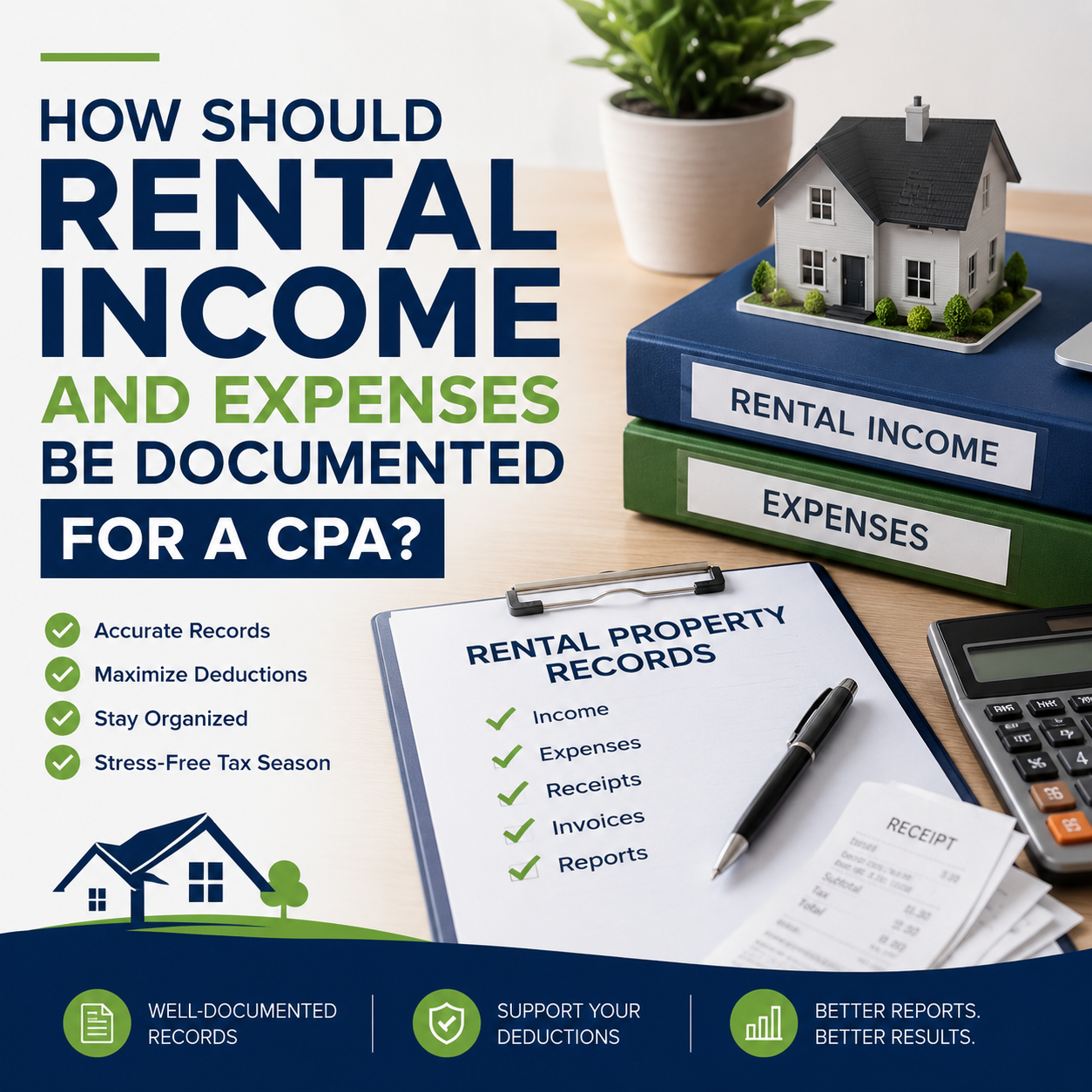
Keeping accurate transaction records is important, but supporting documentation matters too.
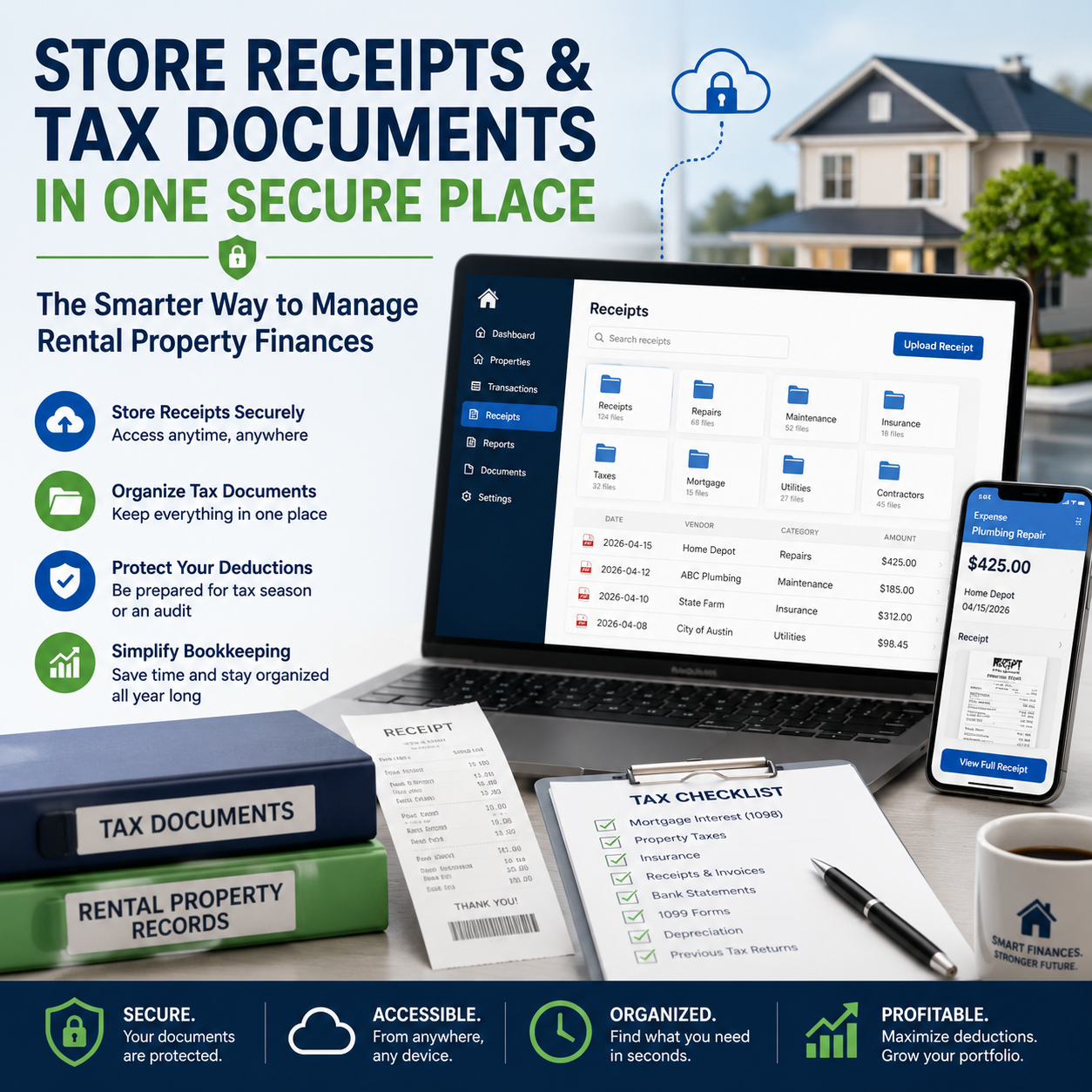
Receipts, invoices, and payment confirmations help verify expenses and support your records during tax preparation.
Before the month ends, make sure important documents are organized and associated with the appropriate transactions.
Pay particular attention to repairs, contractor payments, property improvements, insurance, and other significant expenses.
Using digital receipt storage can make this process easier.
Rentastic offers an AI Receipt Scanner that can help landlords capture receipt information and organize expense records without manually entering every detail.
Keeping documentation updated throughout the year is much easier than trying to locate missing receipts during tax season.
Once you've reviewed your transactions, take a few minutes to examine your financial reports.
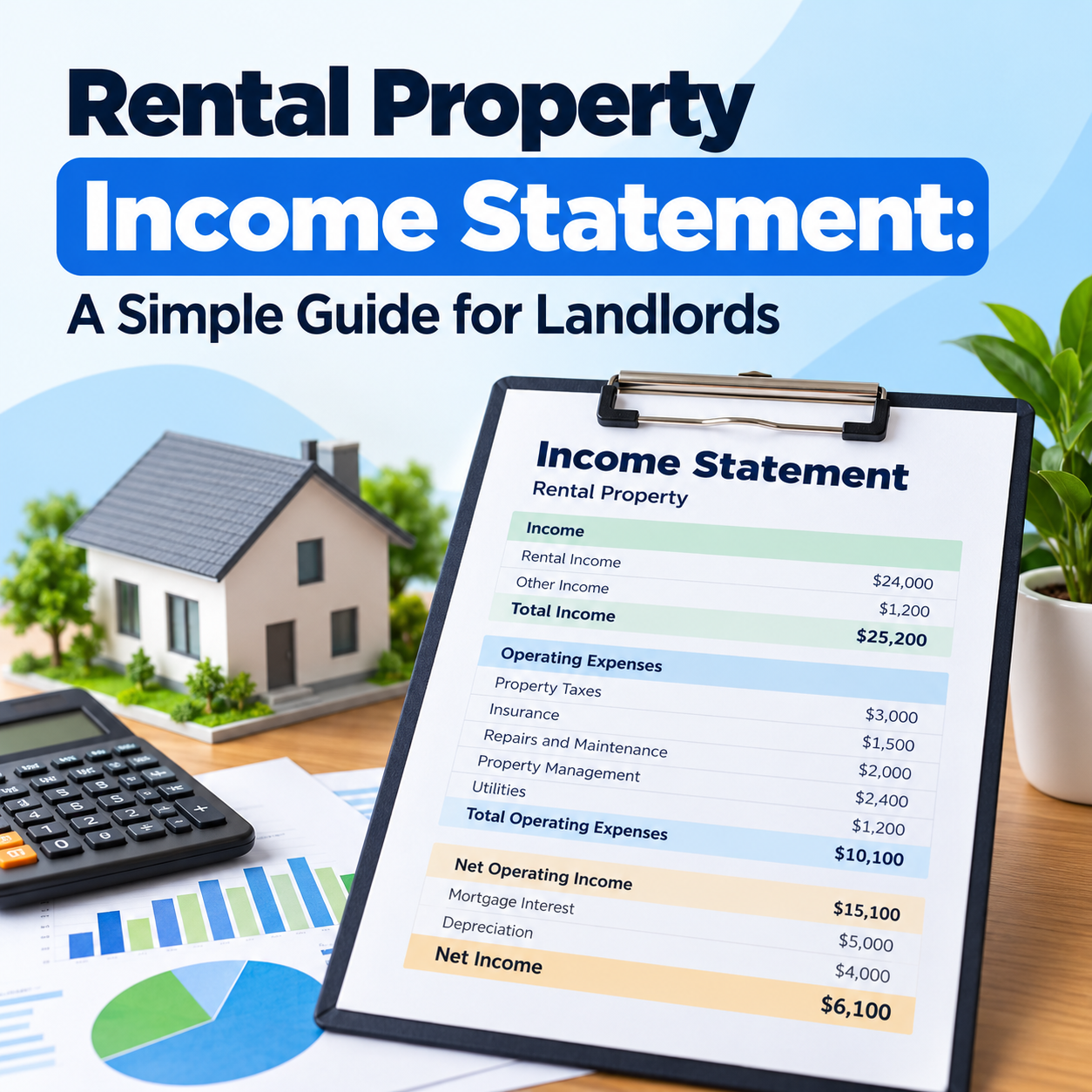
Your income statement or profit and loss report can help you understand how much revenue each property generated and how much it cost to operate.
Focus on three important numbers:
Total Rental Income: How much revenue did the property generate during the month?
Total Operating Expenses: How much did it cost to operate and maintain the property?
Net Operating Income (NOI): How much income remains after operating expenses, but before mortgage payments, income taxes, depreciation, and capital expenditures?
Reviewing these figures helps landlords determine which properties are performing well and which may require closer attention.
It also provides a clearer foundation for evaluating long-term investment performance.
Monthly bookkeeping isn't only about reviewing past transactions. It's also about preparing for upcoming expenses.
Before the month ends, look ahead to bills and obligations due in the following month.
These may include mortgage payments, property taxes, insurance renewals, HOA fees, scheduled repairs, and property management charges.
Also consider whether your rental property has enough cash reserves to handle unexpected expenses.
Planning ahead helps prevent cash shortages and reduces the risk of being caught off guard by major payments.
After completing your review, make sure your records are organized and ready for the next accounting period.
Confirm that transactions are recorded, categories are accurate, bank balances have been reconciled, and supporting documents are saved.
If there are unresolved discrepancies, document them and follow up rather than ignoring them.
This final review creates a cleaner starting point for the next month and helps keep your financial records consistent throughout the year.
Use this checklist before wrapping up each month.
Managing rental property finances doesn't have to involve complicated spreadsheets or hours of manual bookkeeping.
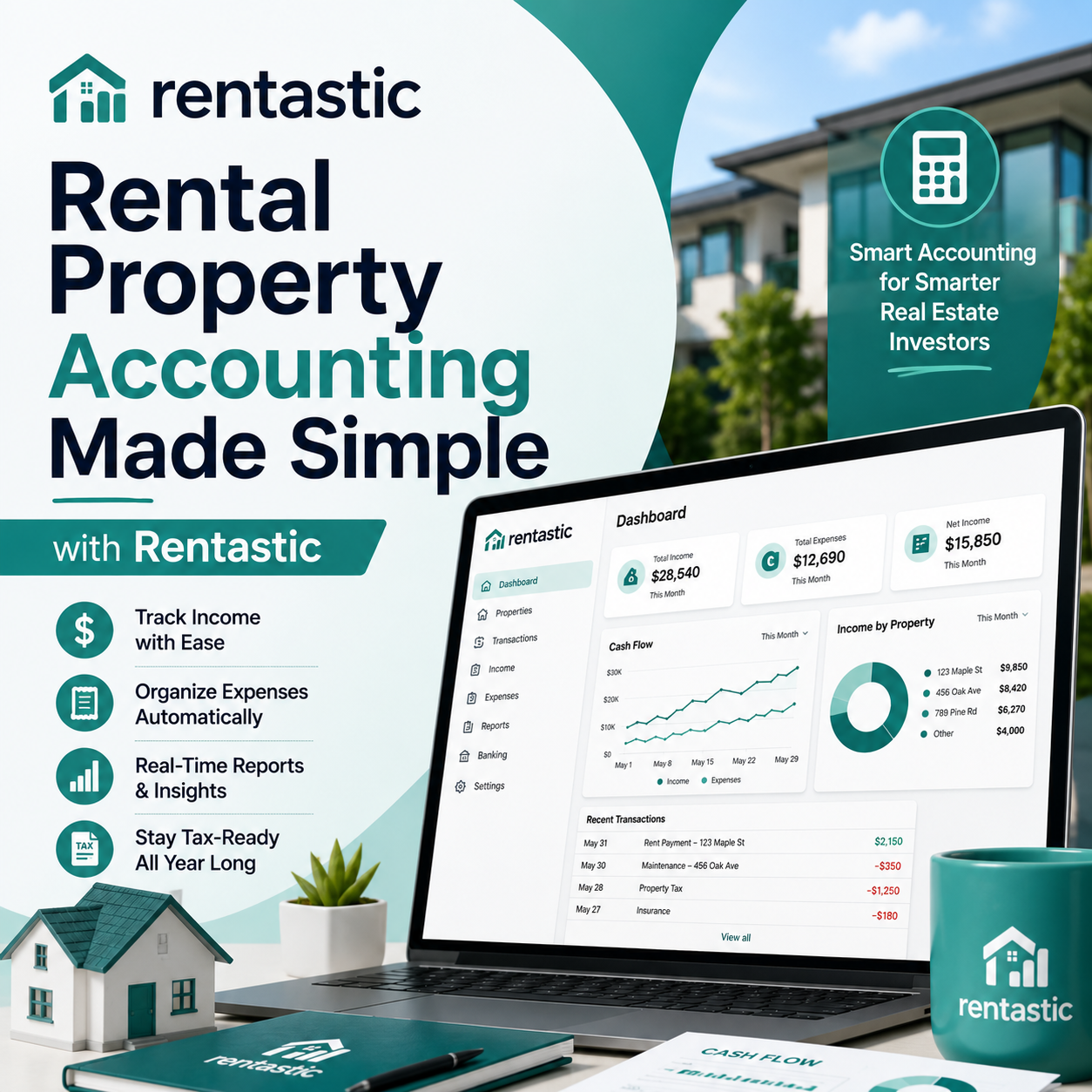
With Rentastic, landlords can simplify financial tracking and spend less time organizing transactions.
Rentastic helps rental property owners:
Instead of scrambling to update your records at the end of every month, you can maintain a more consistent view of your rental property's finances.
Monthly bookkeeping is one of the simplest habits landlords can develop to improve their financial management.
By reviewing rental income, categorizing expenses, checking bank transactions, and monitoring property-level performance, you can catch errors early and make more informed investment decisions.
You don't need a complicated accounting process. You just need a consistent routine.
A few minutes of regular bookkeeping can save hours of frustration later—and give you a clearer understanding of how your rental properties are performing.
Ready to simplify your rental property bookkeeping?
Visit Rentastic.io and discover how easier financial tracking can help you stay organized, monitor your properties, and prepare for tax season with greater confidence.
RECENT POSTS


© 2025 Rentastic
Rentastic is registered as a trademark. Terms and conditions, features, support, pricing, and service options subject to change without notice.














































































Comments