

Owning multiple rental properties can create a sense of financial security. When your portfolio generates positive cash flow and your rental income continues to grow, it's easy to assume that every property is contributing to your success.
But what if one of your rentals is quietly losing money?
A profitable rental portfolio doesn't necessarily mean every property is performing well. Sometimes, strong-performing properties cover the losses of weaker investments, making it difficult to identify financial problems.
Understanding how one underperforming rental can hide inside a profitable portfolio is essential for protecting your cash flow and making smarter investment decisions.
Many landlords focus on their total rental income, expenses, and cash flow when evaluating their investments.
For example, imagine you own five rental properties generating a combined monthly cash flow of $2,000.
At first glance, the portfolio looks healthy. However, Property E is losing $400 every month.
That's $4,800 in annual negative cash flow being absorbed by the other properties.
Without reviewing individual property performance, this problem could continue for years.
When several properties generate consistent income, their profits can offset losses from another rental.
This creates a misleading picture of overall performance.
Your portfolio may still be profitable, but you could be earning significantly more if the underperforming property were improved.
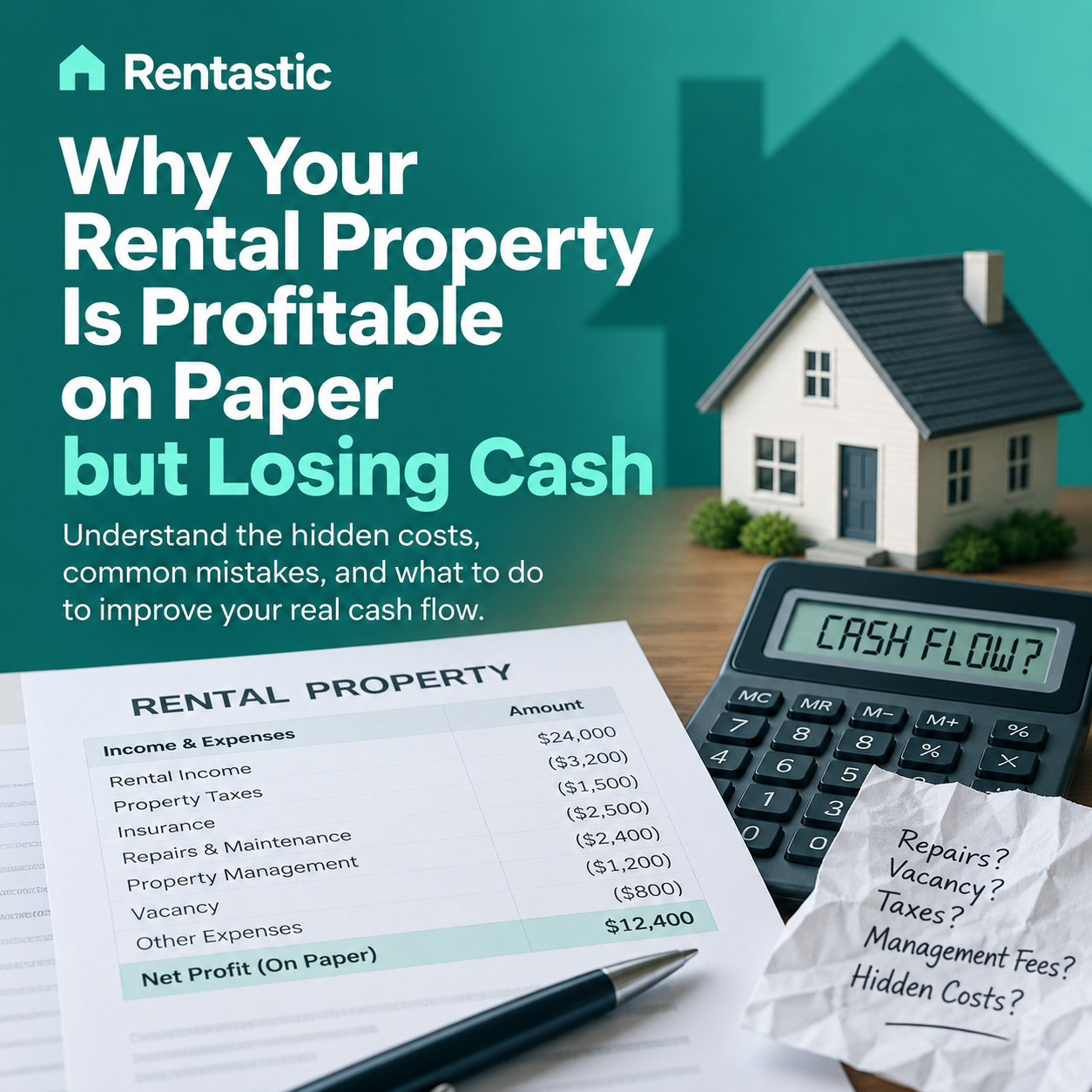
One of the biggest mistakes landlords make is combining rental expenses without assigning them to specific properties.
Maintenance, insurance, property taxes, and management fees can quickly add up.
If these expenses aren't properly categorized by property, identifying which rental is costing you the most becomes difficult.
A property collecting $2,000 in monthly rent may appear successful.
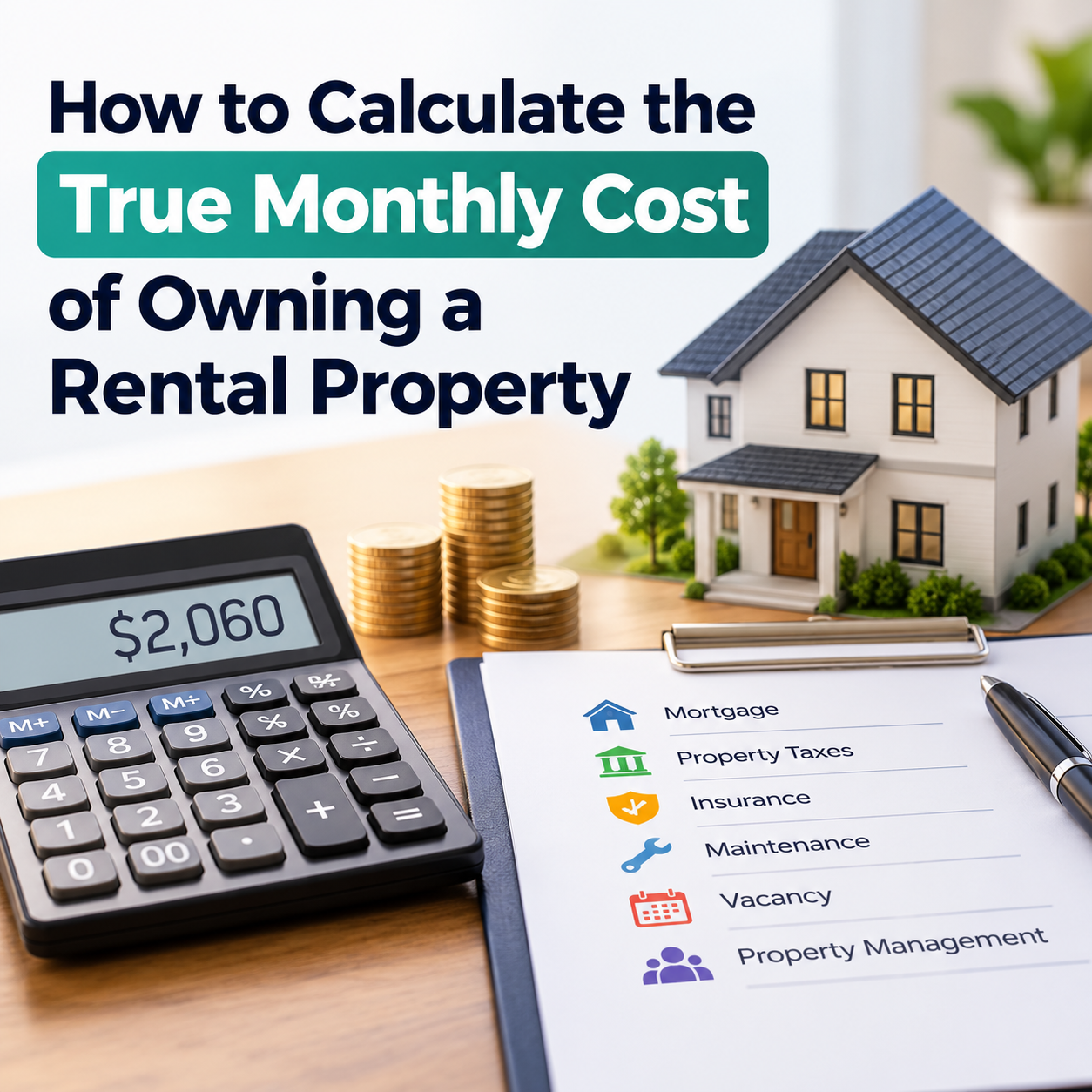
However, consider its actual expenses:
The total monthly cost is $2,150, leaving the property with a projected cash flow deficit of $150.
Even though rent arrives consistently, the property isn't generating positive cash flow under these assumptions.
An underperforming rental doesn't just reduce your monthly profits. It can also limit your ability to grow your portfolio.
Reduced cash reserves: Money earned from stronger properties may be used to cover another property's expenses instead of building emergency reserves.
Missed investment opportunities: Capital tied up in an underperforming property could potentially be invested in a more profitable opportunity.
Increased financial risk: Unexpected repairs, extended vacancies, or rising interest rates could turn a manageable loss into a larger financial problem.
Lower overall returns: Even if your portfolio generates positive cash flow, one poorly performing property can reduce your total return on invested capital.
The longer these problems remain unnoticed, the more difficult they may become to address.
The best way to uncover an underperforming rental is to evaluate each property individually.
Every rental should have its own financial records.
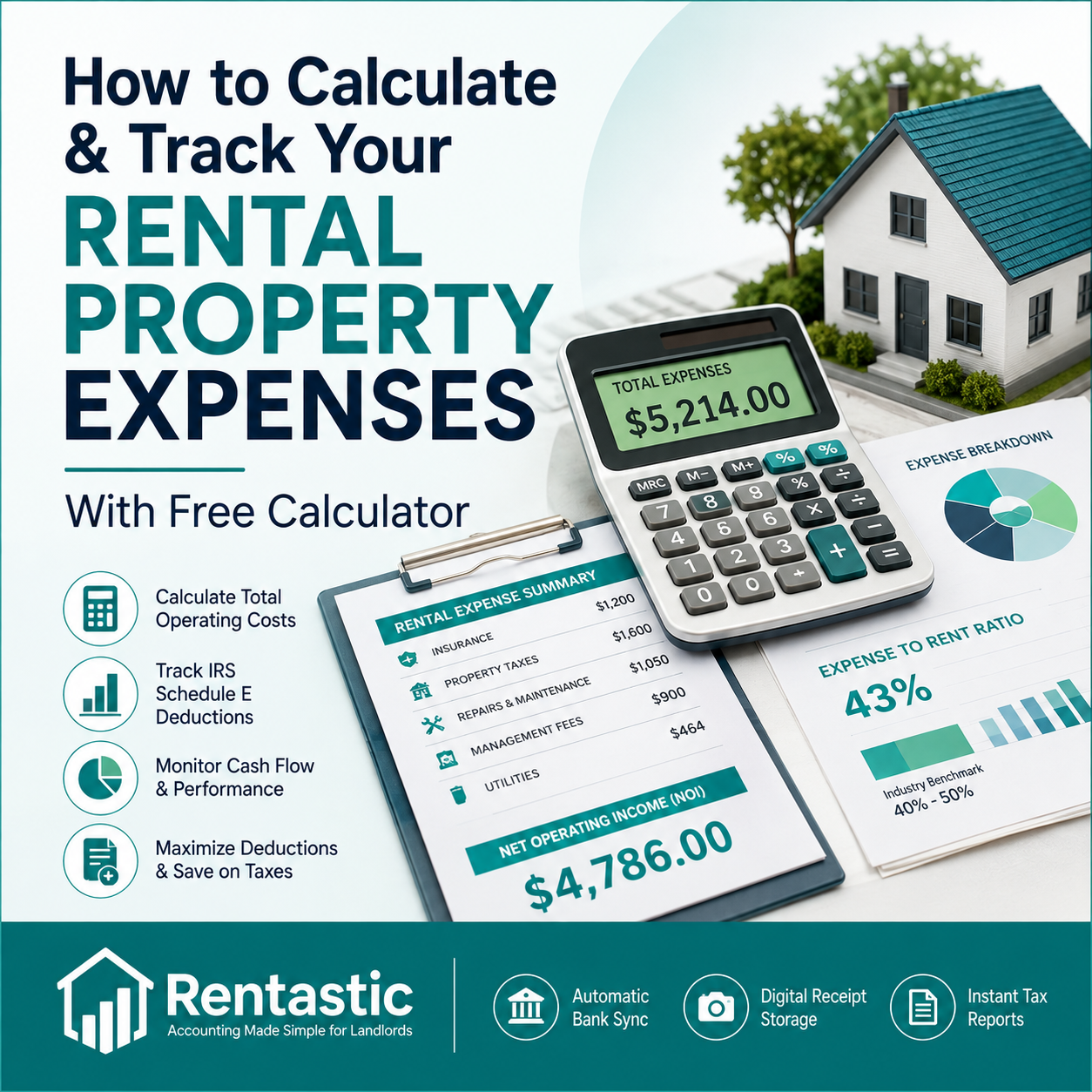
Monitor rent payments, repairs, maintenance, insurance, property taxes, management fees, and other operating costs.
This allows you to understand exactly how much each property earns and spends.
Calculate monthly cash flow for each rental using:
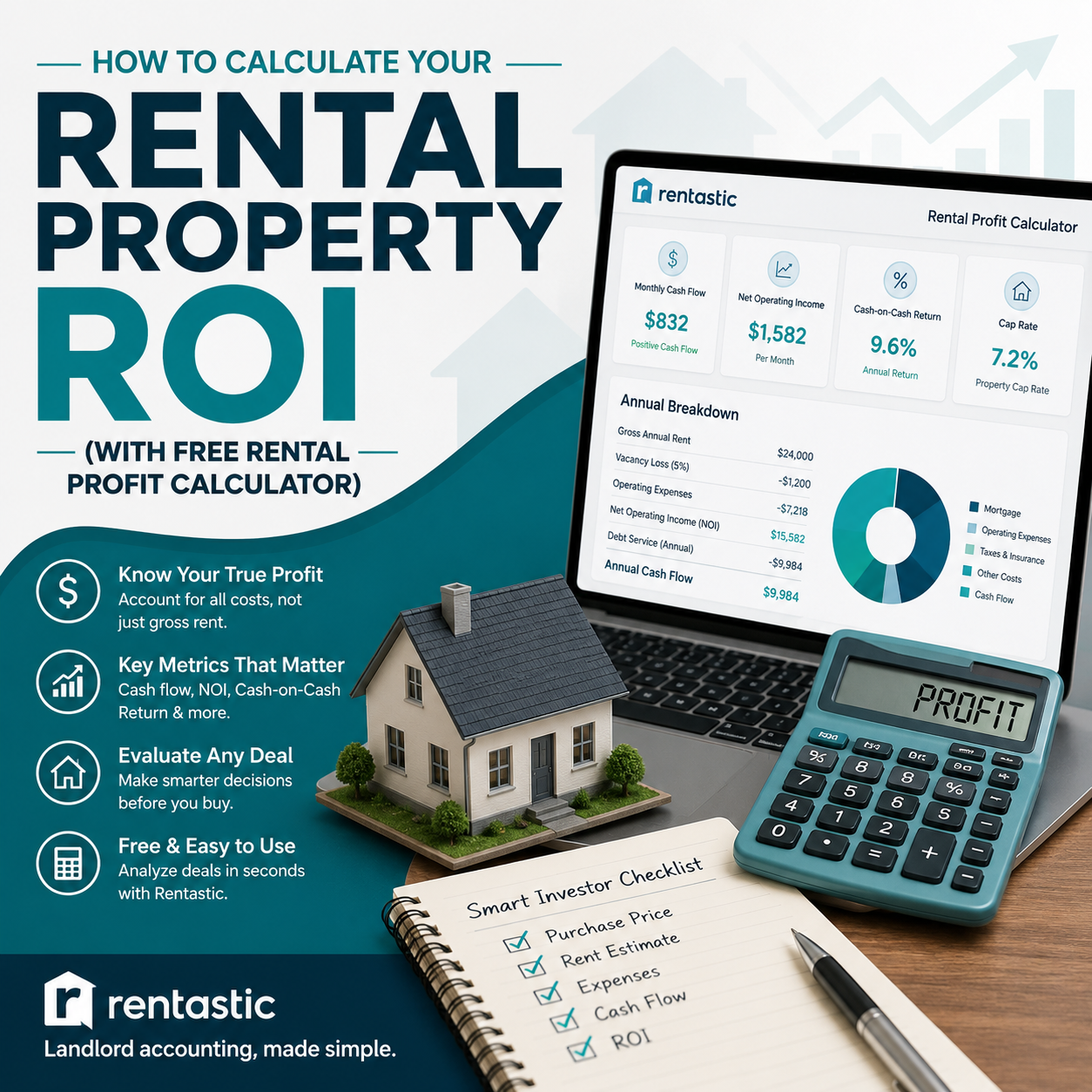
Cash Flow = Rental Income − Operating Expenses − Debt Payments − Capital Expenditures
For a more realistic forecast, also account for expected vacancy and future major repairs. Avoid subtracting reserves twice if those costs are already included.
A property consistently producing negative cash flow deserves closer attention.
Cash flow is important, but it shouldn't be the only measure of performance.
Consider additional metrics such as:
Comparing these metrics can reveal which rentals are performing below expectations.
Not every property with negative cash flow needs to be sold.
Some rentals experience temporary financial challenges due to major repairs, vacancies, or short-term market conditions.
Others may have strong long-term appreciation potential or benefit from mortgage principal reduction, even while producing limited cash flow.
Before making a decision, consider whether you can:
If a property continues to underperform despite reasonable improvements, selling may be worth considering. Compare the expected benefits of keeping it against selling costs, potential taxes, and alternative uses for the equity.
The goal isn't necessarily to eliminate every property with negative cash flow. It's to ensure each investment supports your long-term financial strategy.
Managing multiple rental properties becomes more complicated as your portfolio grows.
When income and expenses are scattered across spreadsheets, bank statements, and receipts, identifying financial problems can take considerable time.
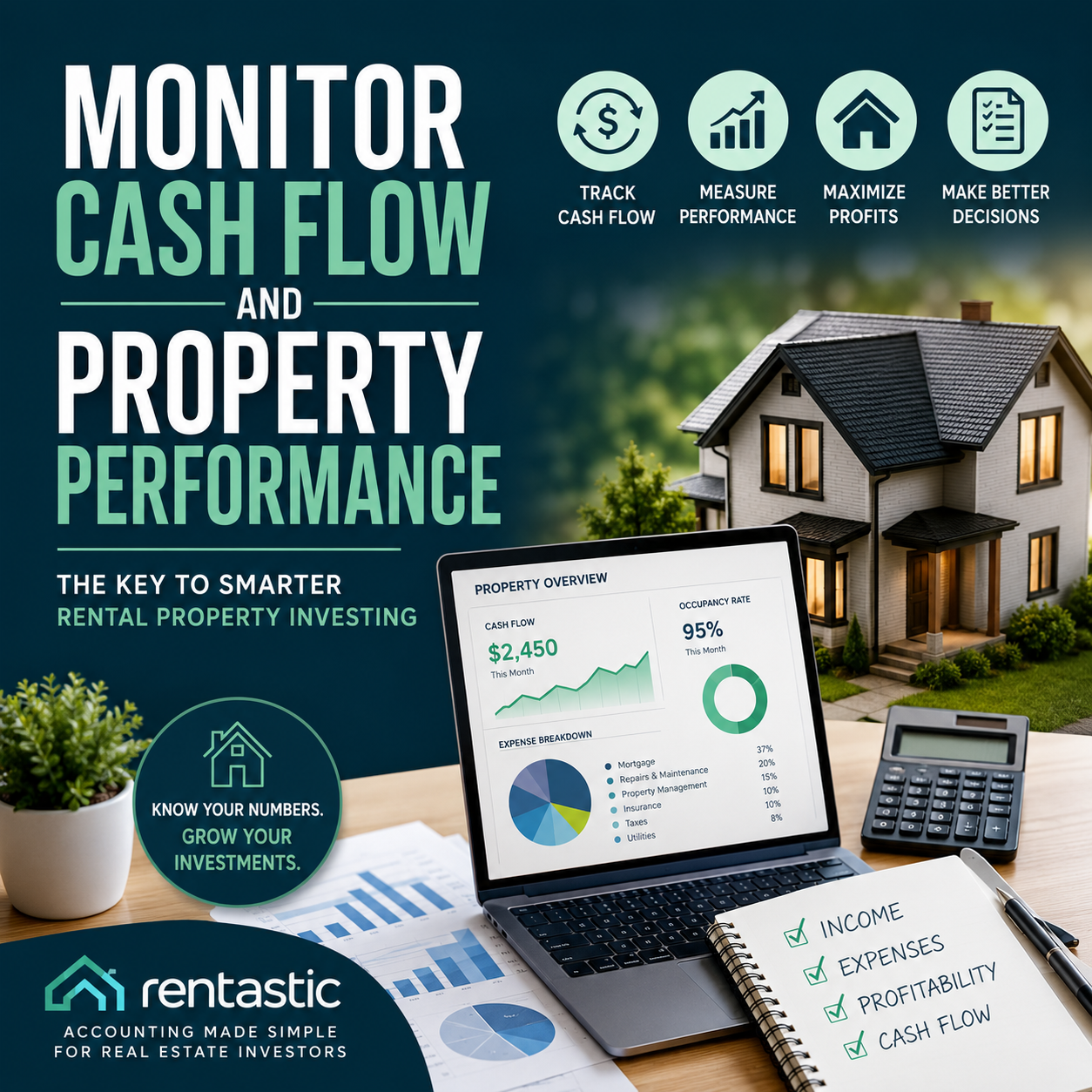
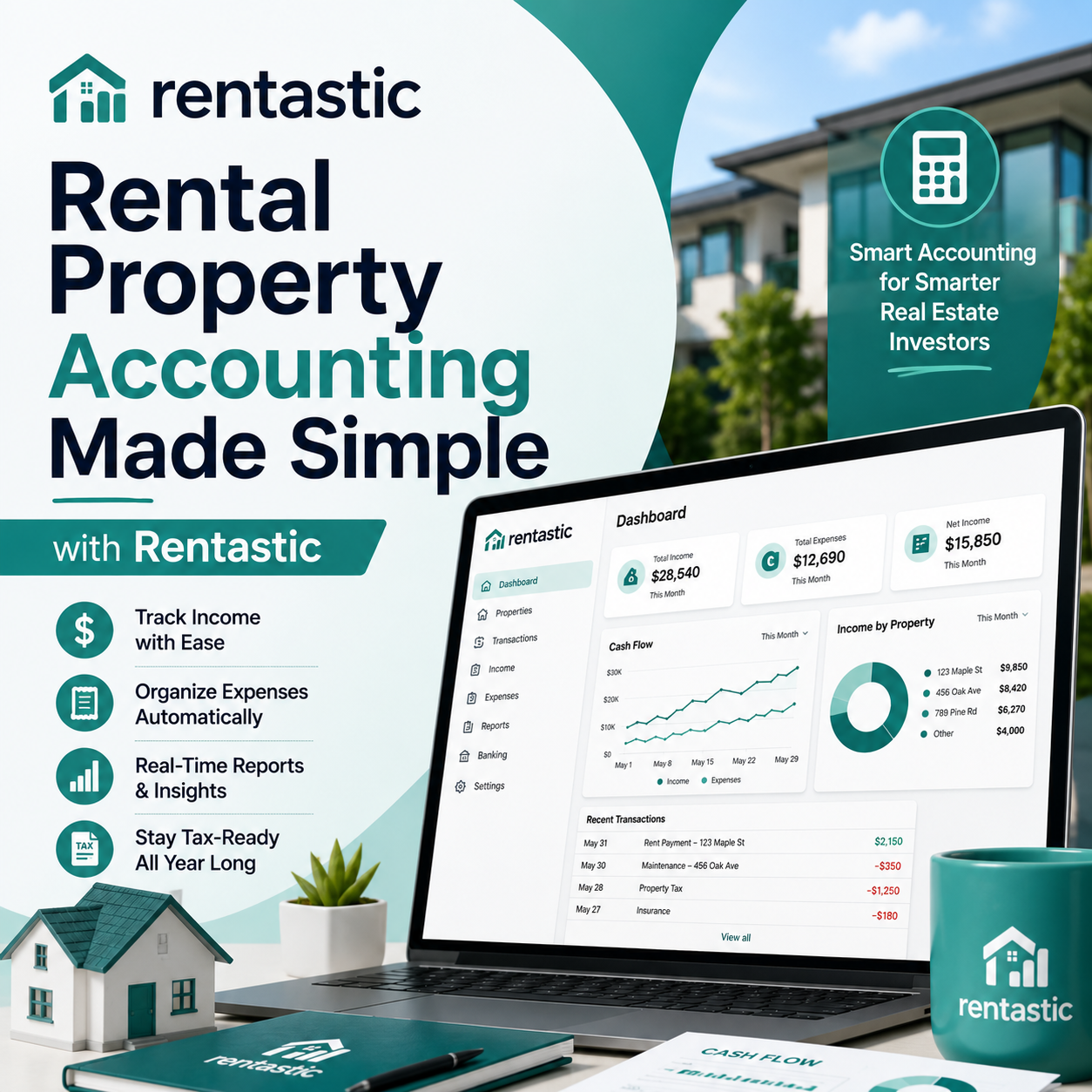
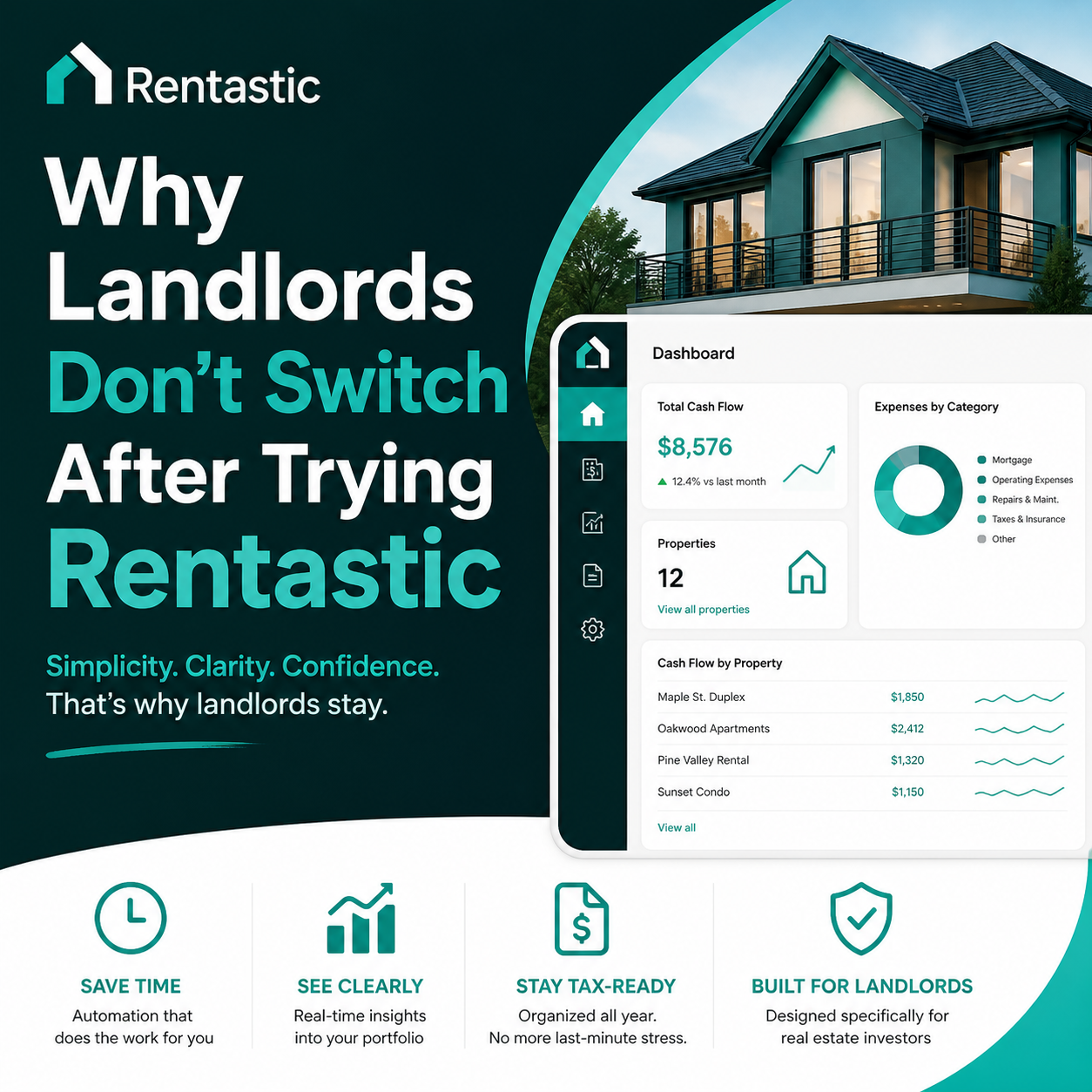
Rentastic helps landlords organize rental property finances and monitor individual property performance.
With Rentastic, you can:
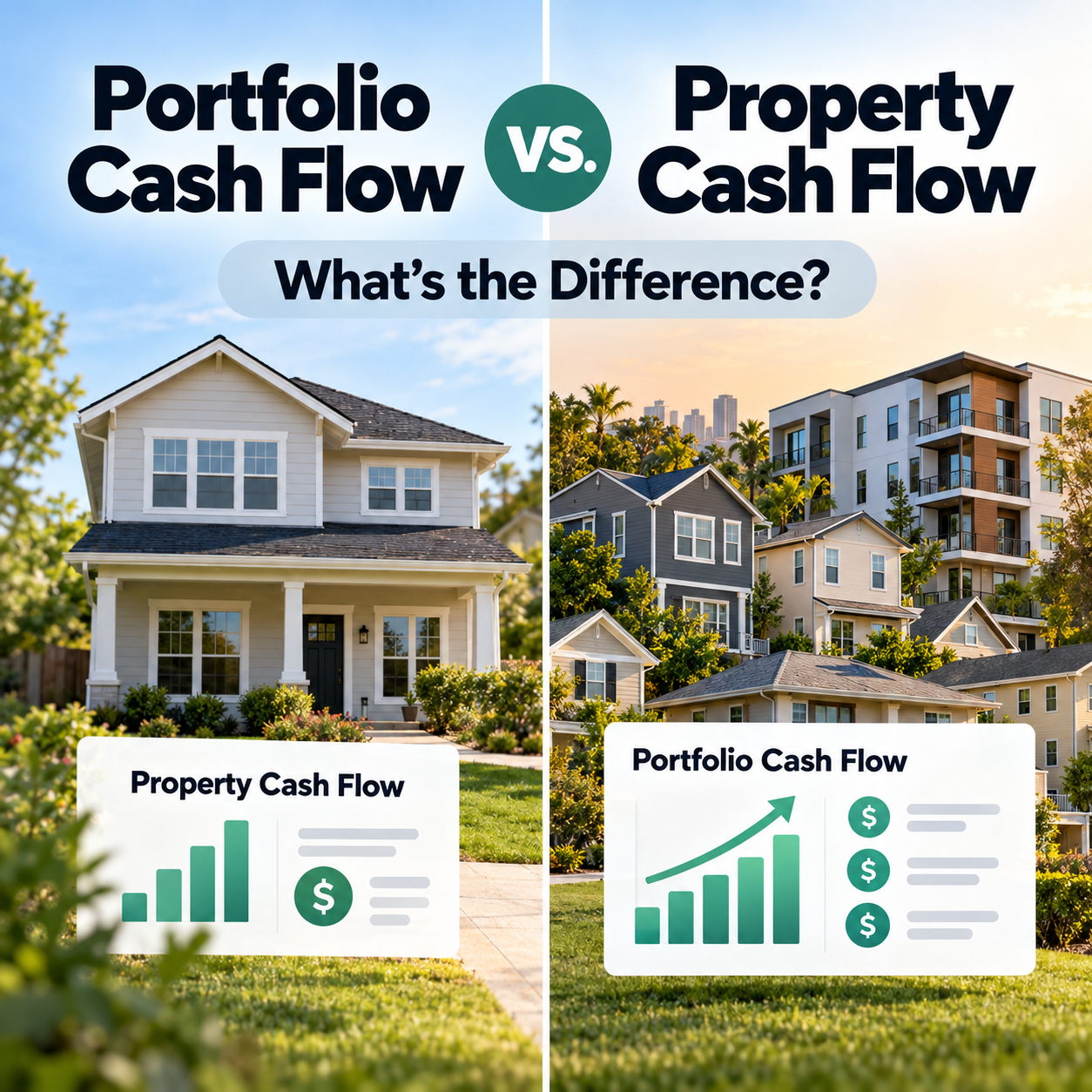
By reviewing both individual properties and your portfolio as a whole, you can identify potential financial problems before they become more expensive.
A profitable rental portfolio can still contain investments that are quietly draining your returns.
When you only look at total income and expenses, it's easy to overlook properties that consistently lose money.
The key is to track each rental separately, compare financial performance, and regularly evaluate whether every property is contributing to your investment goals.
Remember: A healthy portfolio isn't just about how much money you make overall. It's about understanding where that money comes from—and where it's being lost.
Ready to gain better visibility into your rental property finances?
Start tracking your rental portfolio with Rentastic and make more informed investment decisions.
RECENT POSTS


© 2025 Rentastic
Rentastic is registered as a trademark. Terms and conditions, features, support, pricing, and service options subject to change without notice.























































Comments