
Managing rental properties comes with plenty of responsibilities, but keeping your financial records accurate shouldn't be the most stressful part of being a landlord.
Between rent payments, mortgage withdrawals, maintenance expenses, and unexpected repairs, it's easy for transactions to pile up. Before you know it, your accounting records no longer match your bank statements, and you're left wondering where the difference came from.
The good news? Rental property reconciliation doesn't have to be complicated.
With a simple monthly routine and the right tools, you can keep your financial records organized, catch mistakes early, and spend less time worrying about bookkeeping.
Rental property transaction reconciliation is the process of comparing your financial records against your actual bank and credit card statements to make sure everything matches.
Essentially, you're verifying that every dollar coming in and going out of your rental business has been recorded correctly.
For example, suppose your bank statement shows:
Your rental property accounting records should reflect those same transactions, with the correct amounts, dates, and categories.
If something doesn't match, reconciliation helps you identify the problem before it affects your financial reports.
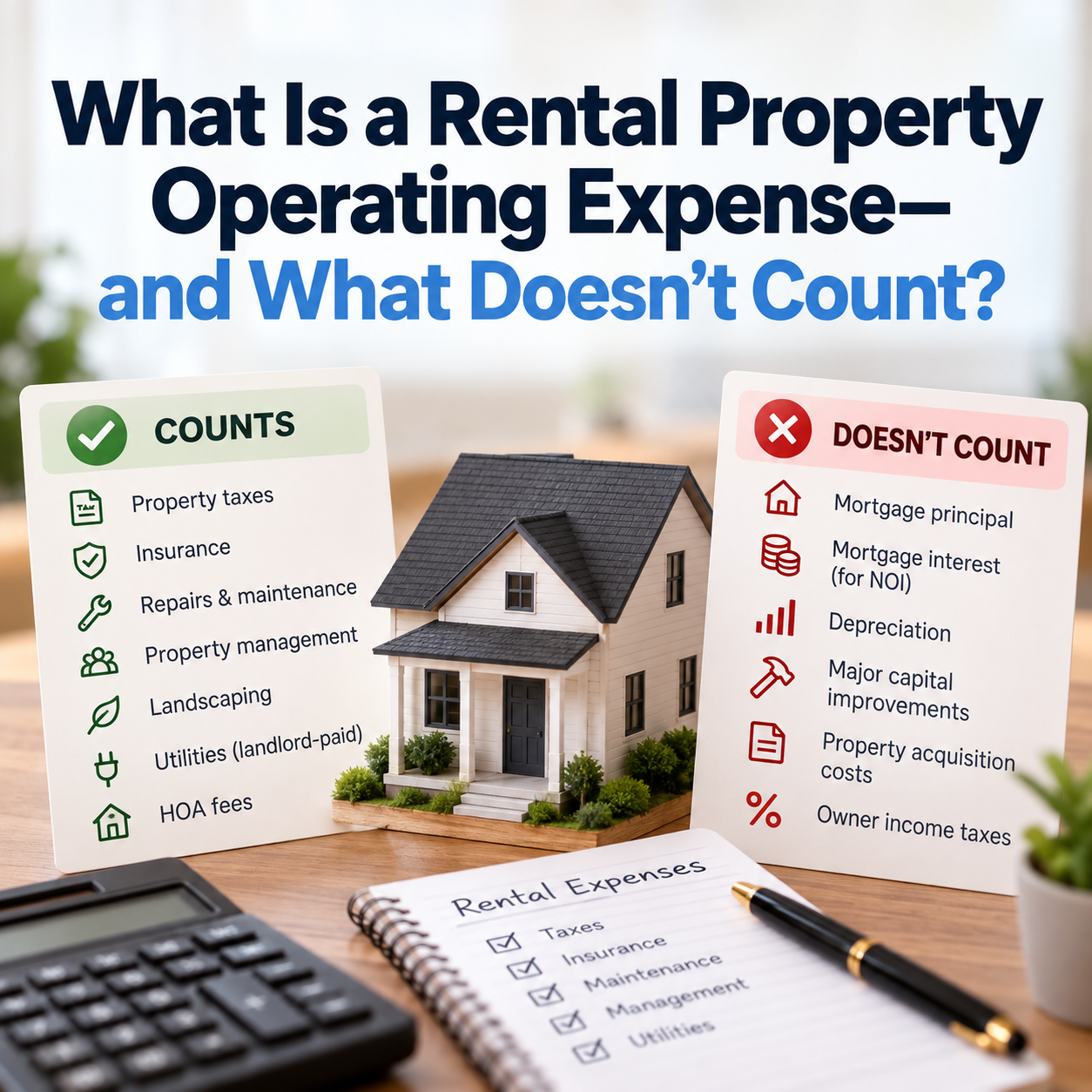
Keep in mind that mortgage principal payments aren't operating expenses, while mortgage interest generally is. Proper categorization matters just as much as matching the amounts.
It's tempting to assume that everything is fine as long as your bank account has money in it.
Unfortunately, your bank balance doesn't tell the whole story.
Without regular reconciliation, small bookkeeping mistakes can accumulate and create bigger problems.
Bank connections don't always update immediately, and manually entered transactions can sometimes be recorded twice.
Reconciliation helps you identify missing rent payments, duplicate expenses, and transactions that never made it into your accounting records.
Your cash flow reports, profit and loss statements, and expense summaries depend on accurate transaction data.
If your records contain errors, your financial reports could give you a misleading picture of how your properties are performing.
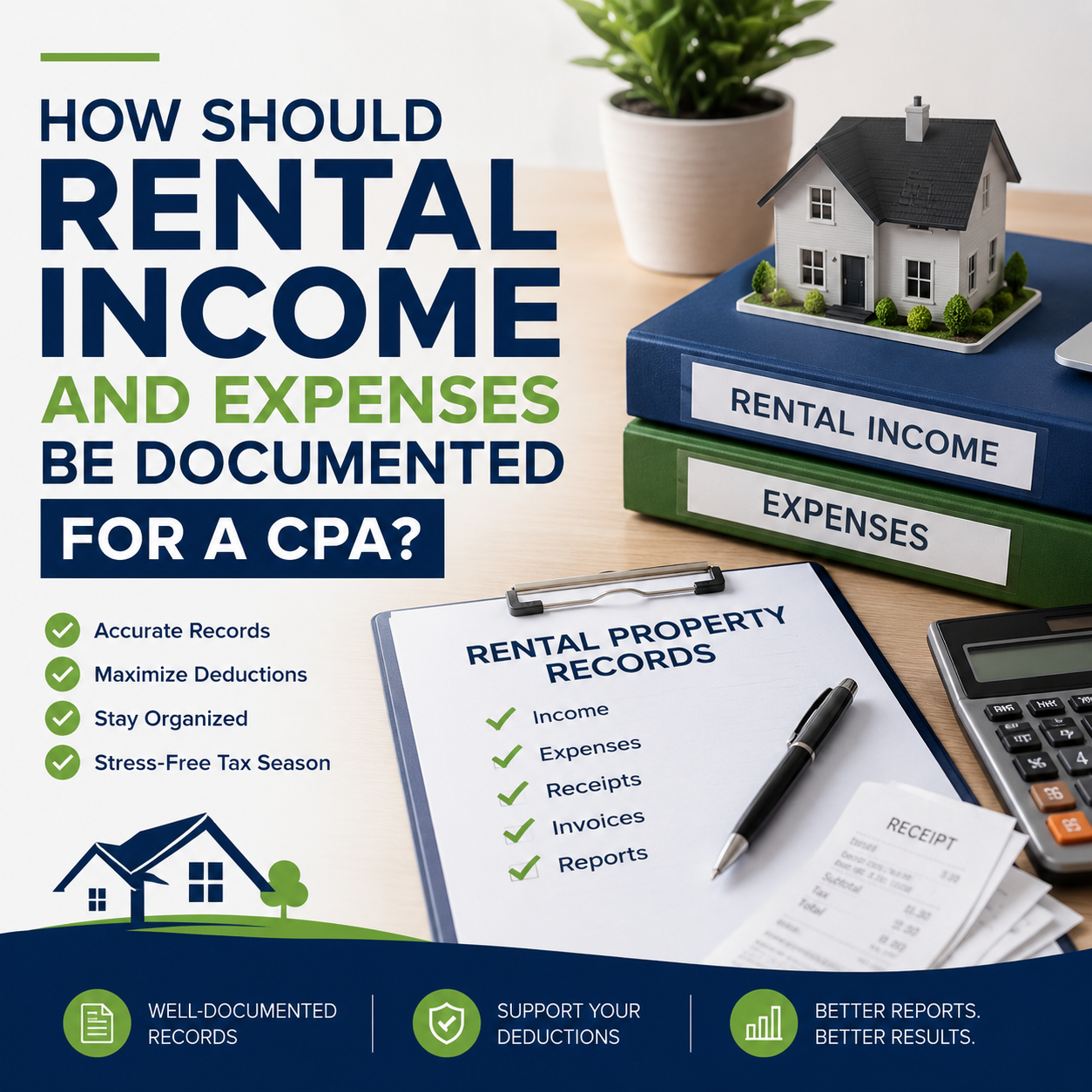
When tax season arrives, the last thing you want is to sort through hundreds of transactions trying to figure out which expenses belong to which property.
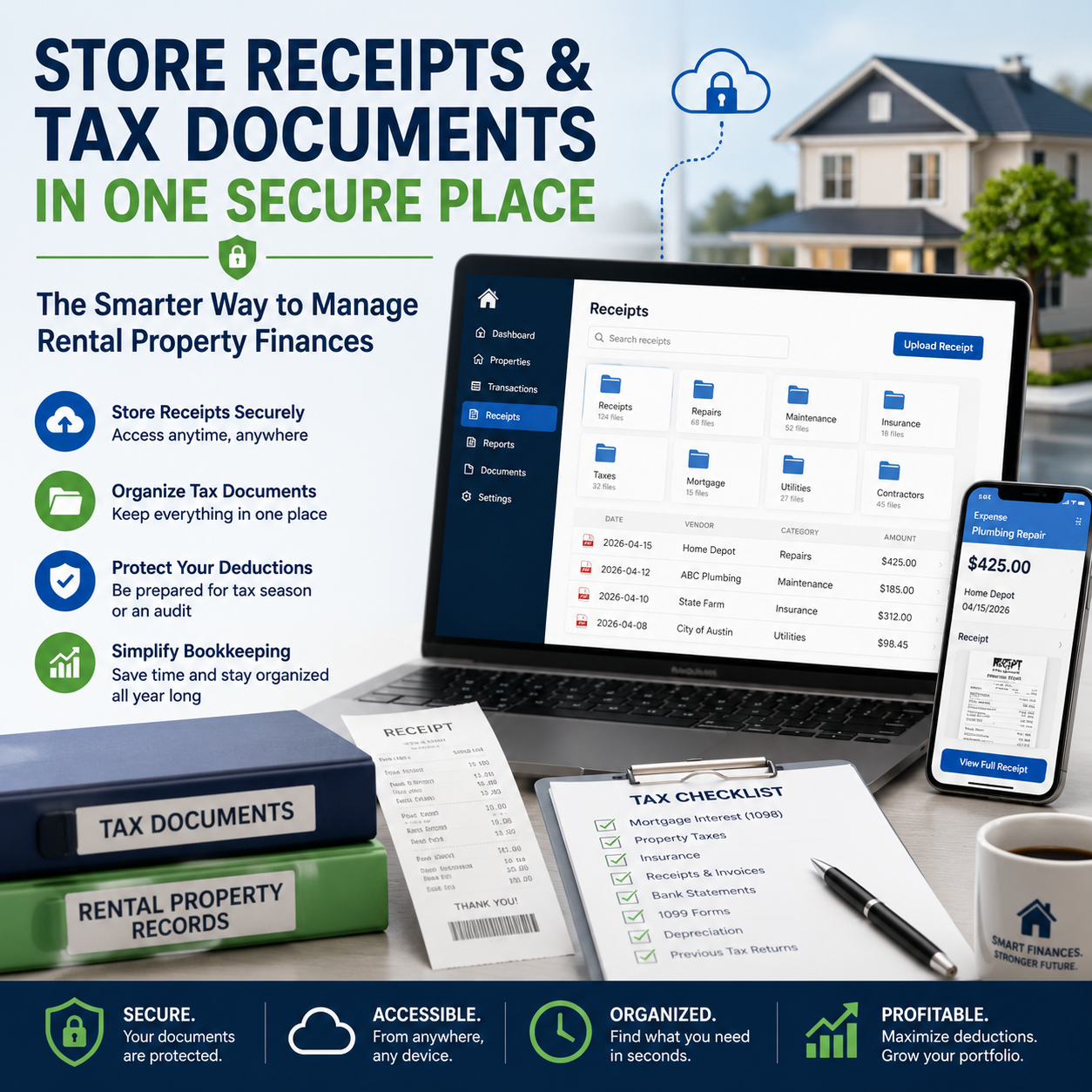
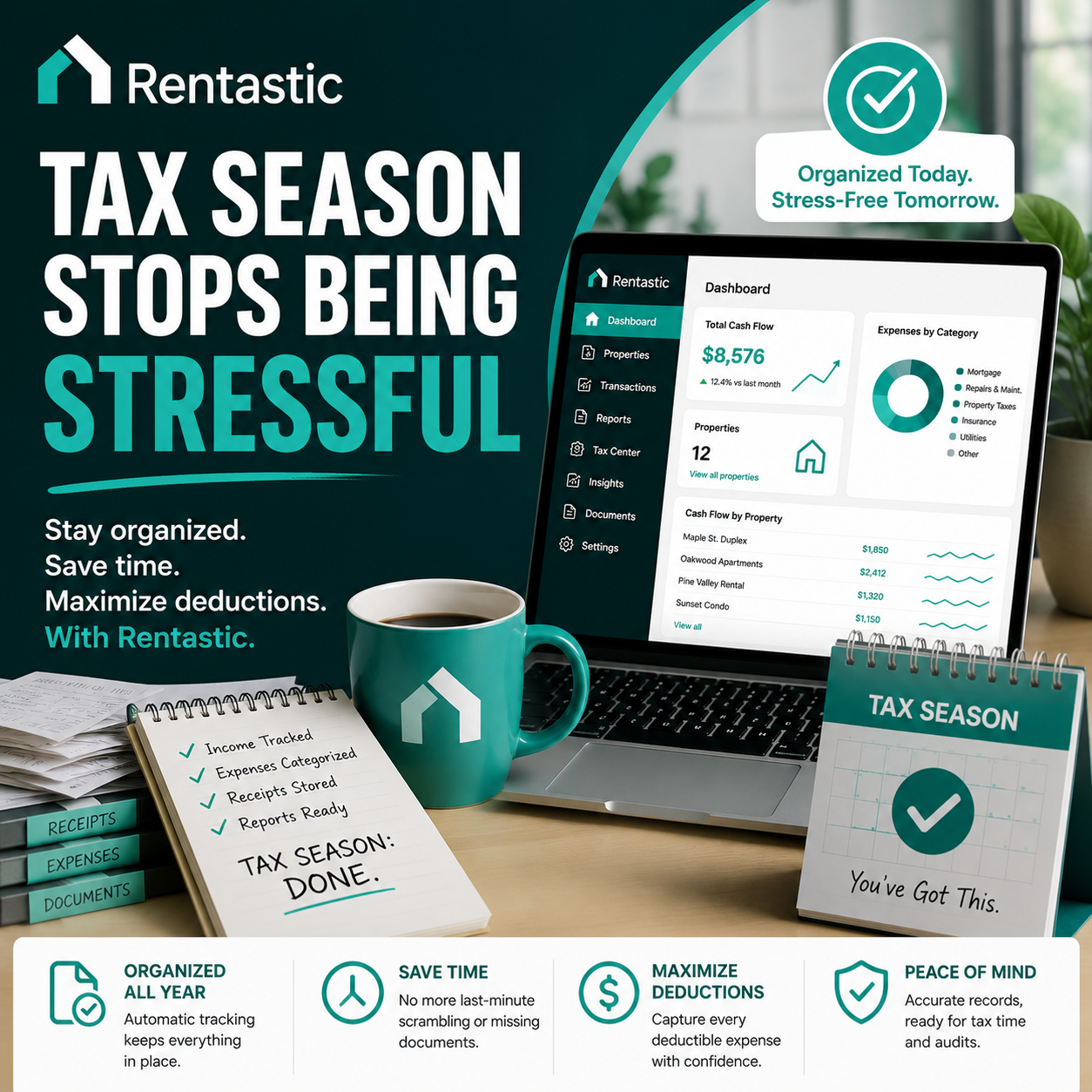
Regular reconciliation helps keep your records organized throughout the year, making it easier to prepare tax information and share records with your accountant.
A property might appear profitable until you discover several expenses that were never recorded.
Reconciling your transactions helps you understand how much money your rental properties are actually generating and spending.
You don't need to be an accountant to establish a reliable reconciliation process.
Here's a straightforward approach you can follow every month.
Start by collecting statements for every account used to manage your rental properties.
This might include your rental business checking account, savings account, mortgage account, and credit cards used for property expenses.
Make sure you're reviewing the same date range across your records.
For example, if you're reconciling October, focus on transactions posted from October 1 through October 31.
Pro tip: If you manage multiple properties, keeping business and personal finances separate can make reconciliation significantly easier.
Next, verify that all rent payments and other income have been recorded.
Look for:
Compare each recorded payment with the corresponding bank deposit.
If a tenant paid $1,500 but your records show $1,400, investigate the difference.
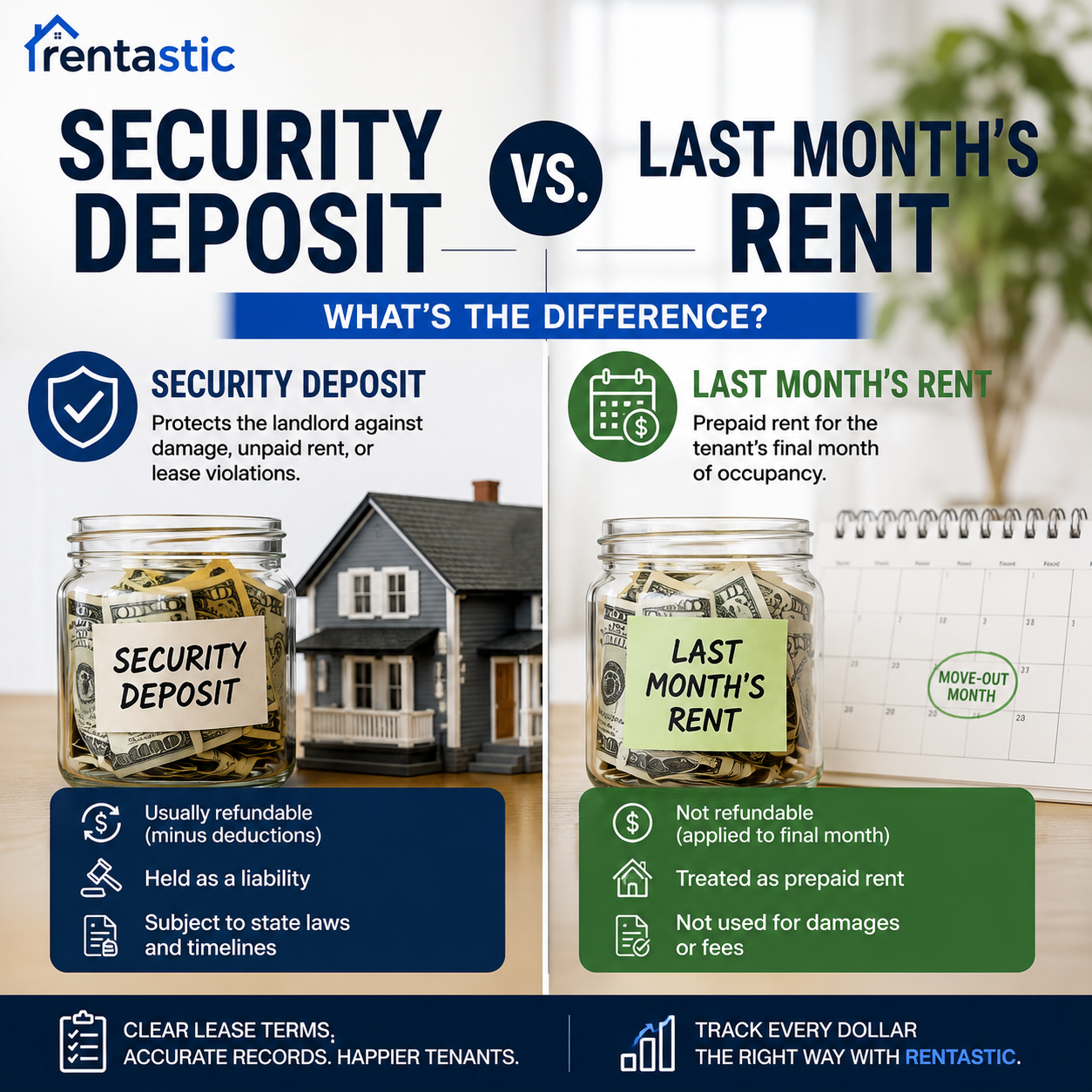
Also, remember that security deposits generally shouldn't be treated as rental income when they're refundable and you intend to return them.
Once you've verified your income, review your expenses.
Common rental property expenses include maintenance, repairs, insurance, property management fees, utilities, property taxes, and mortgage interest.
Check that each expense has the correct amount, category, and property assignment.
For example, if you spent $350 repairing a water heater at Property A, that expense shouldn't accidentally appear under Property B.
Incorrect property assignments can make one rental look more profitable than it actually is.
This is where many landlords discover discrepancies.
A transaction might be missing because a bank connection hasn't updated, or an expense might appear twice because it was manually entered and later imported automatically.
Pay particular attention to transactions with identical amounts, dates, and descriptions.
However, don't automatically delete matching transactions. Two legitimate expenses can sometimes have the same amount.
Verify each suspected duplicate before making changes.
Transfers between your own bank accounts should generally not be categorized as rental income or operating expenses.
Otherwise, your financial reports may overstate how much money your rental business earned or spent.
Mortgage payments also require special attention because they typically include principal and interest, and may include escrow amounts.
The principal portion reduces your loan balance rather than counting as an operating expense. Interest and escrow-funded expenses should be recorded according to their actual nature.
After reviewing your transactions, compare your accounting records against your bank statement.
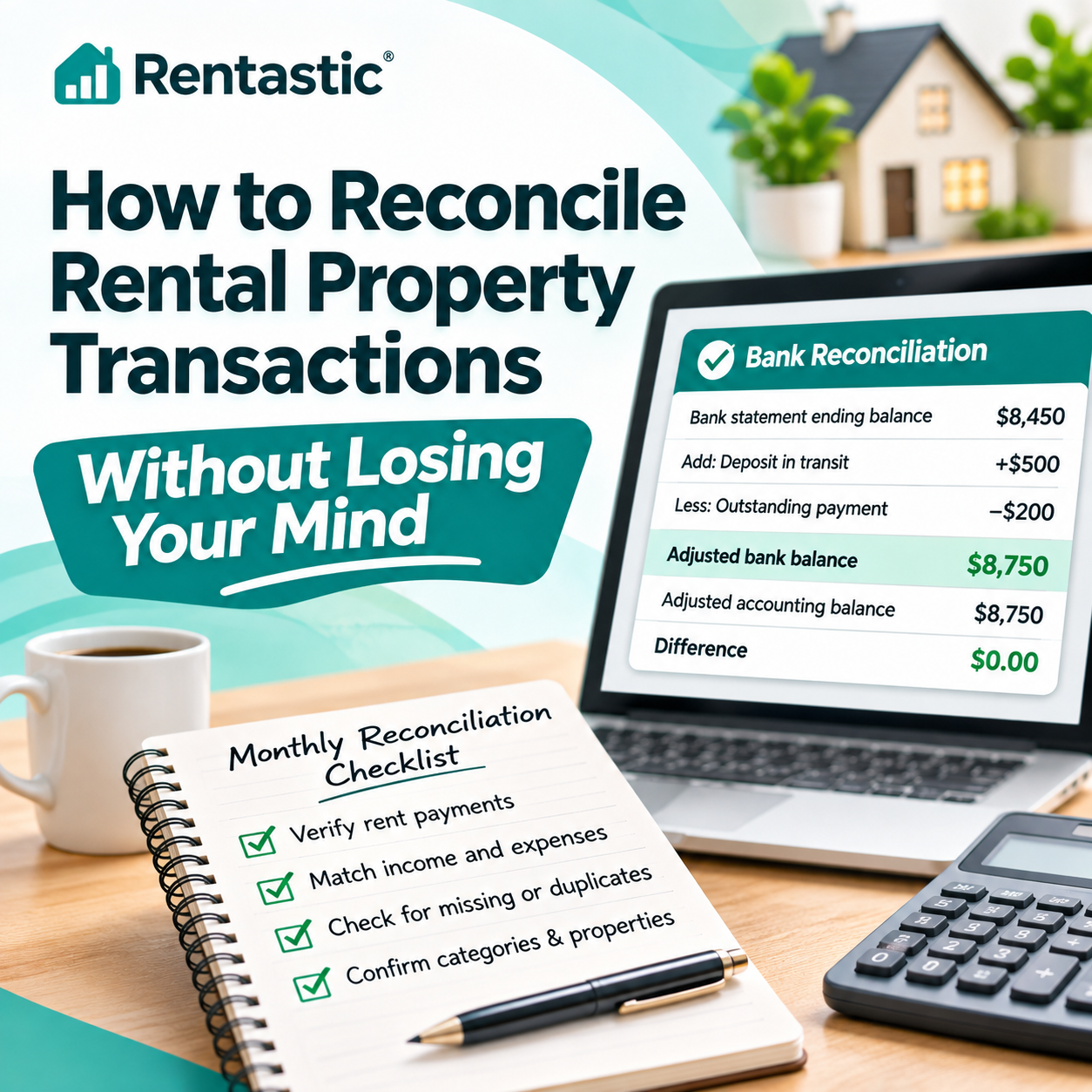
For a properly reconciled account, the adjusted accounting balance should equal the adjusted bank balance.
For example:
If your balances don't match, investigate the difference rather than forcing the numbers to agree.
Some differences are simply timing issues, while others may indicate missing or incorrectly recorded transactions.
Even experienced landlords can make bookkeeping mistakes.
Here are some of the most common ones.
Mixing personal and rental expenses. Using the same account for personal purchases and rental expenses makes it harder to identify which transactions belong to your business.
Ignoring small discrepancies. A $10 difference might not seem important, but multiple small errors can add up over time.
Categorizing every deposit as income. Transfers, loan proceeds, and refundable security deposits aren't necessarily rental income.
Forgetting to assign transactions to properties. If you own several rentals, expenses assigned to the wrong property can distort your property-level financial reports.
Waiting until tax season. Reconciling an entire year's transactions at once is much more difficult than reviewing them monthly.
The easiest way to avoid these problems is to establish a consistent routine.
For most landlords, monthly reconciliation is a practical starting point.
You don't necessarily need to review every transaction daily, but waiting several months can make discrepancies harder to investigate.
Here's a simple routine:
The more properties you manage, the more valuable this routine becomes.
Manually tracking rental property transactions in spreadsheets can become time-consuming, especially when you're managing multiple properties.
That's where Rentastic can help.
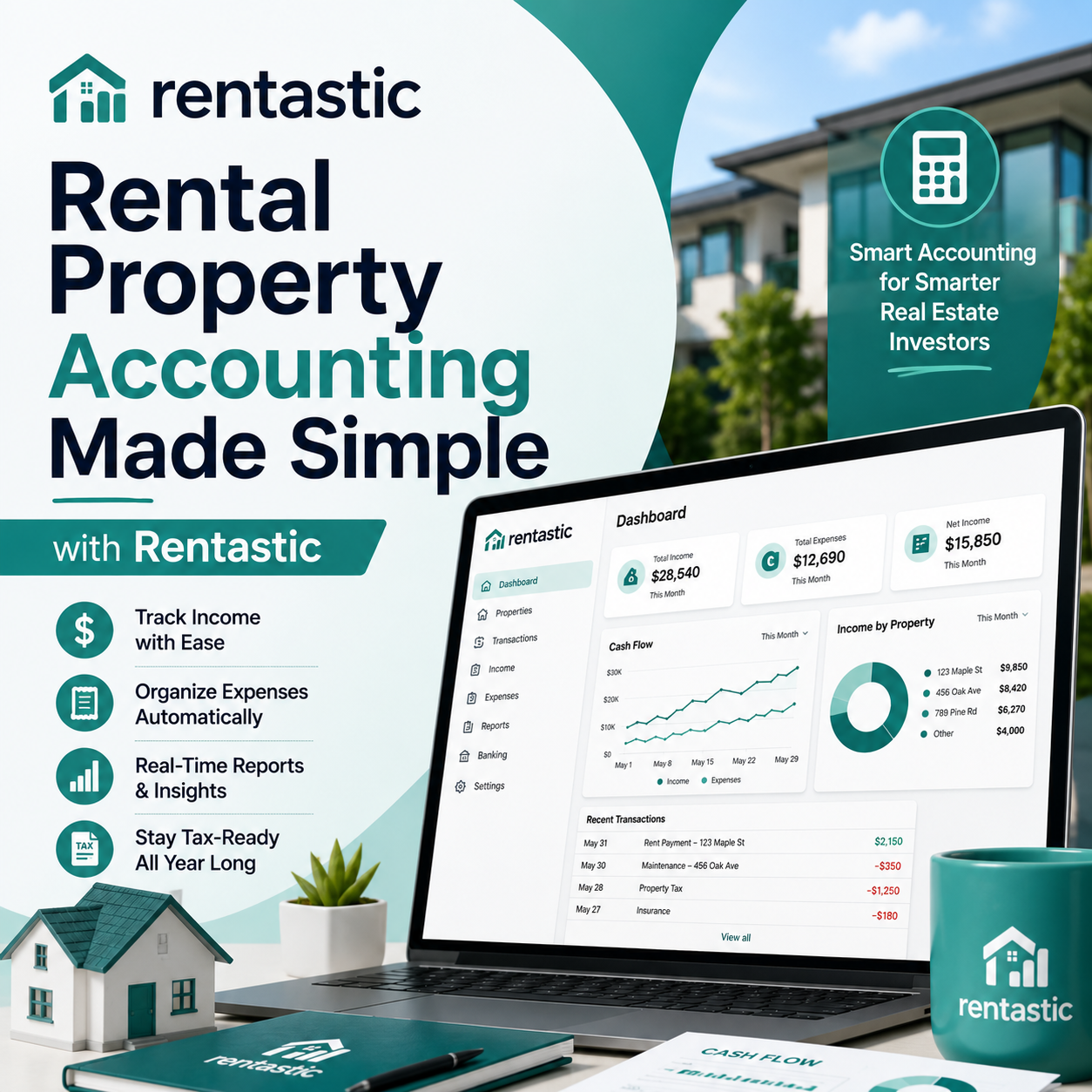
Rentastic is designed specifically for rental property owners who want a simpler way to organize their financial information.
With Rentastic, you can:
Connect your bank accounts. Automatically import supported bank transactions through secure connections, reducing the need for manual data entry.
Categorize rental income and expenses. Keep your transactions organized so you can better understand where your money is going.
Track finances by property. Assign transactions to individual properties and review their financial performance separately.
Identify missing transactions. Use available transaction retrieval tools to help fill gaps in your imported financial history.
Generate financial reports. Review income, expenses, and cash flow without building spreadsheets from scratch.
While Rentastic helps streamline transaction tracking and review, you should still verify transactions against your bank statements and confirm that your balances reconcile.
The goal isn't to eliminate financial oversight. It's to make the process more manageable.
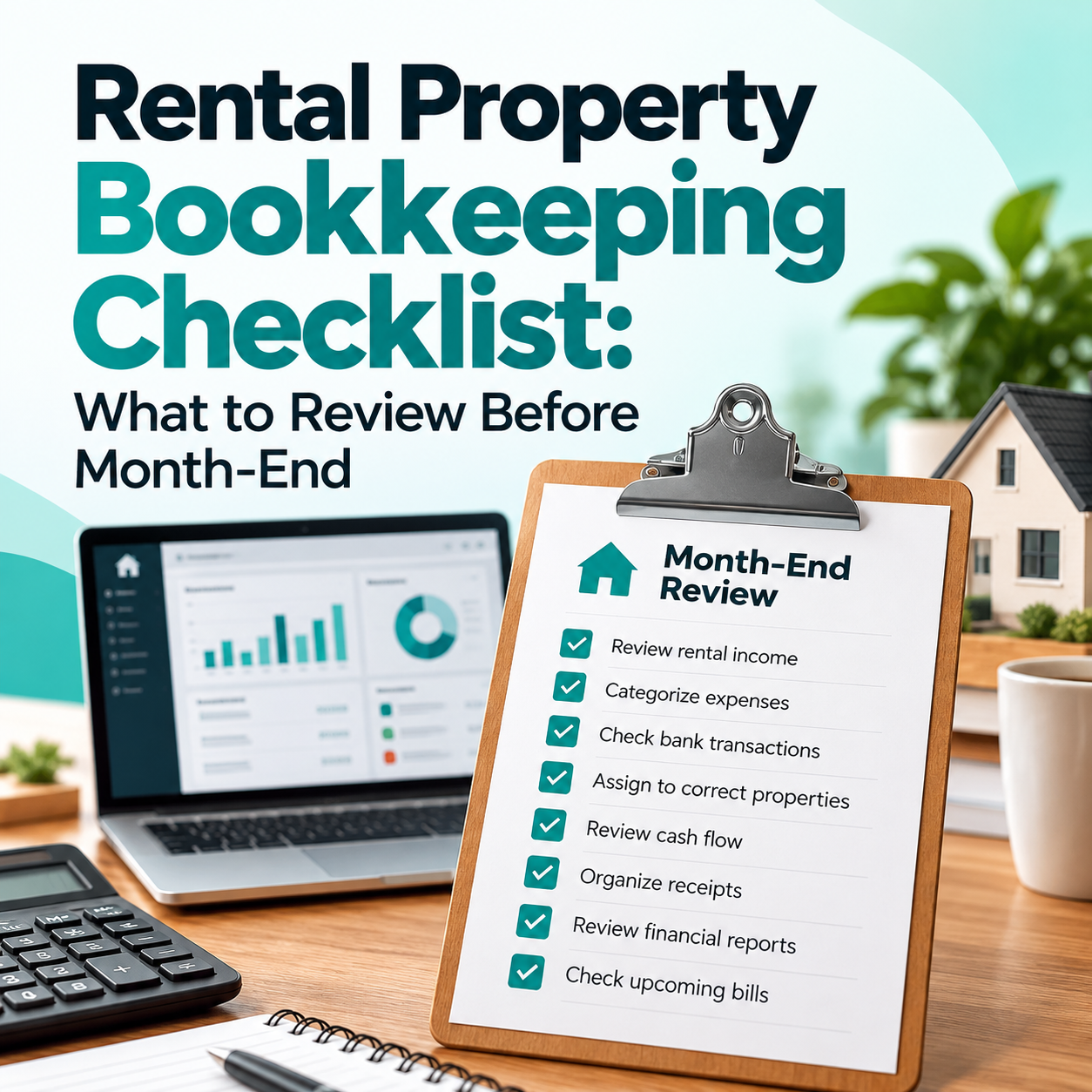
Before closing out your monthly books, make sure you've completed these essential tasks:
Following this checklist each month can help prevent bookkeeping surprises and make year-end financial reporting much easier.
Rental property reconciliation might not be the most exciting part of being a landlord, but it's one of the most important habits for maintaining accurate financial records.
The key is consistency.
Instead of letting transactions accumulate for months, take a little time each month to review your income, expenses, and account balances.
By catching mistakes early, categorizing transactions correctly, and keeping your records organized, you'll have a clearer understanding of how your rental properties are performing.
And with a rental property accounting tool like Rentastic, much of the transaction tracking process becomes easier to manage.
Spend less time sorting through transactions and more time growing your rental portfolio.
Ready to simplify your rental property bookkeeping?
Explore Rentastic and start organizing your rental finances today
RECENT POSTS


© 2025 Rentastic
Rentastic is registered as a trademark. Terms and conditions, features, support, pricing, and service options subject to change without notice.




















































































Comments