
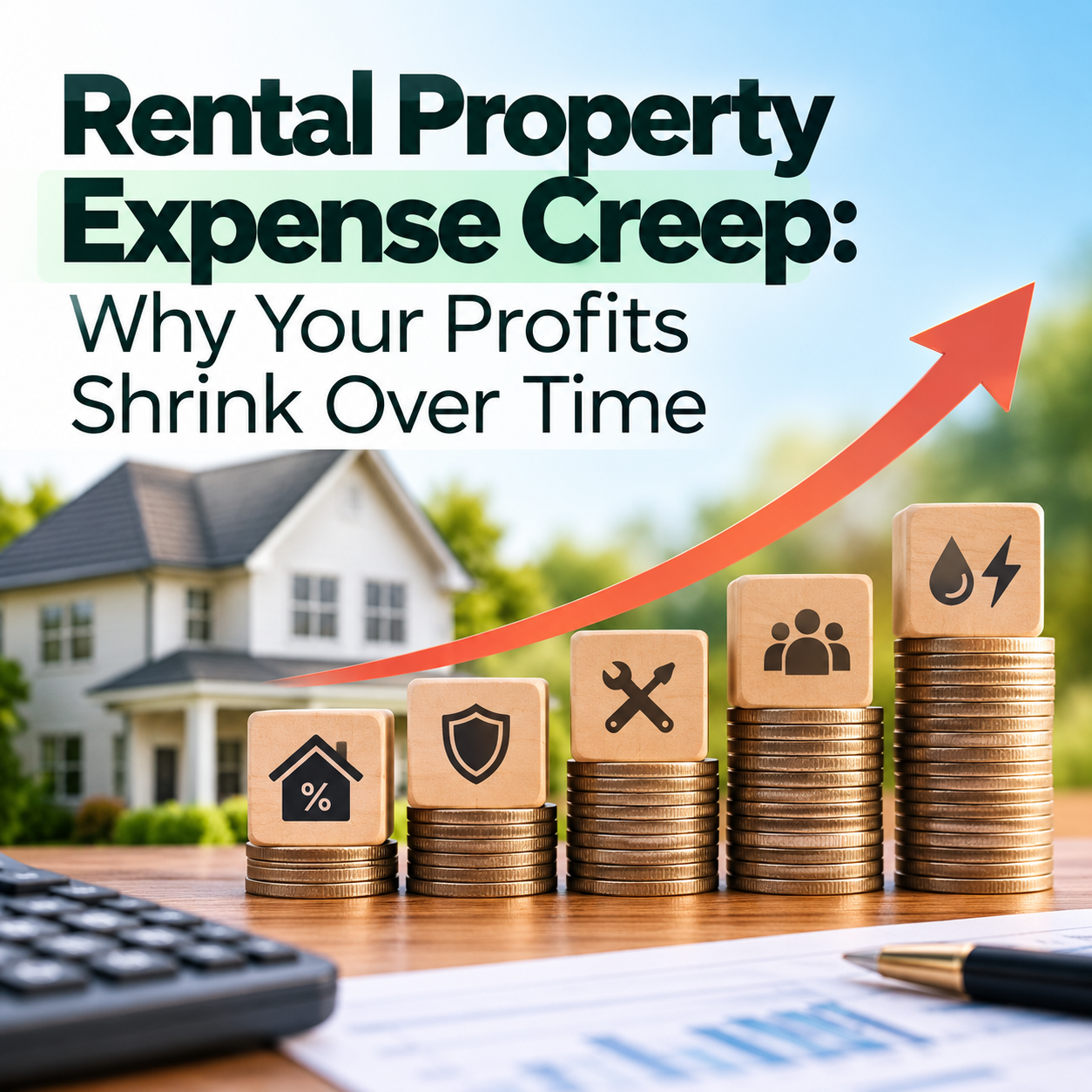
Owning a rental property can be a profitable investment, but have you noticed your rental income staying the same while your profits slowly decrease?
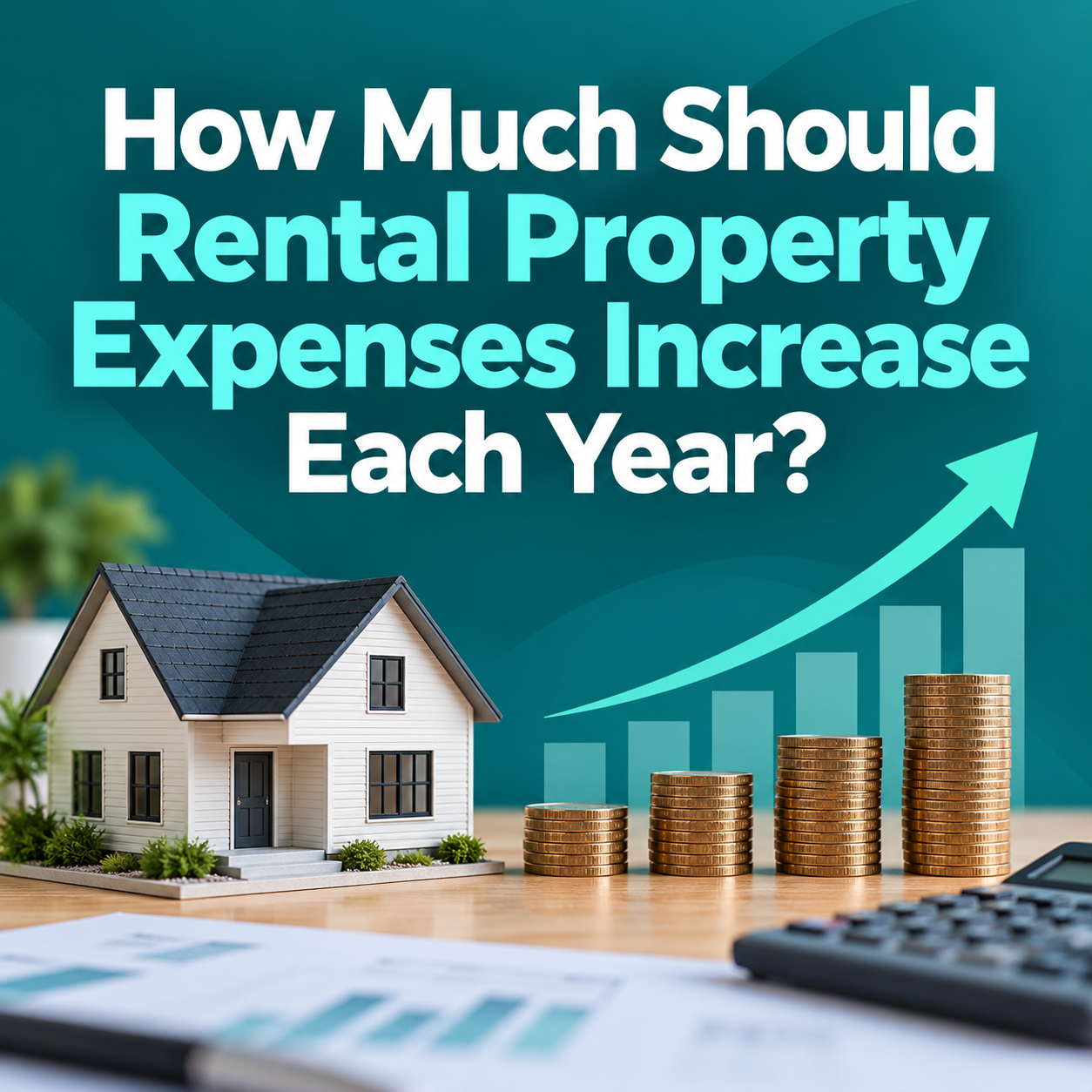
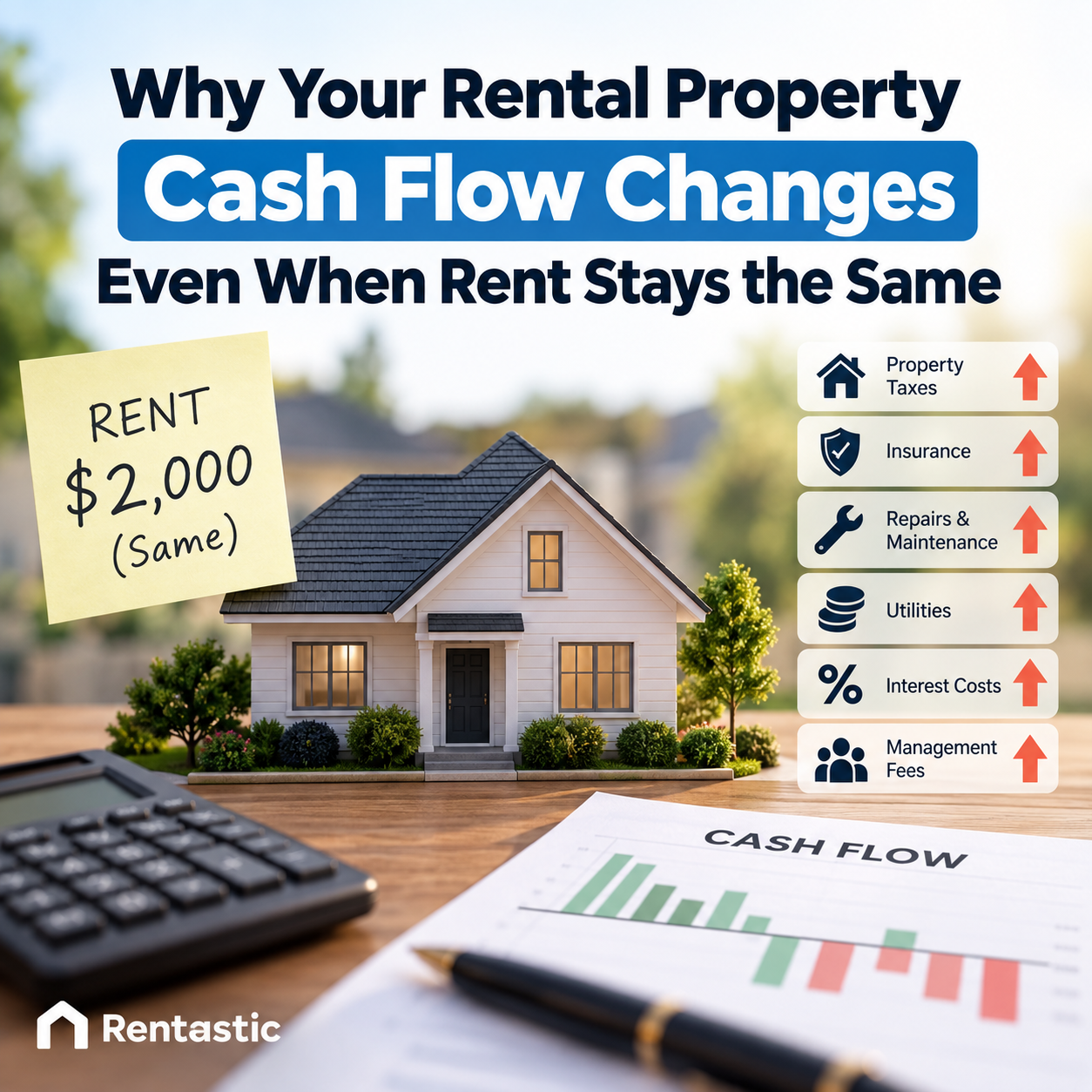
This is often caused by rental property expense creep—the gradual increase in operating costs that quietly eats away at your rental income.
From rising insurance premiums to higher maintenance expenses, small increases can add up over time. Understanding where your money goes is the first step toward protecting your rental property's profitability.
Expense creep happens when the cost of owning and managing a rental property gradually increases, often without the landlord noticing.
Unlike a major unexpected repair, expense creep usually comes from smaller, recurring increases in everyday operating costs.
Common examples include:
Individually, these increases may seem manageable. Combined, they can significantly reduce your rental property's cash flow.
Imagine you own a rental property generating $2,000 in monthly rental income.
Here's how increasing expenses can affect your profitability over three years.
Even though rental income hasn't changed, monthly cash flow has dropped by $180.
That's a 32.7% decrease in monthly cash flow, or $2,160 less annually.
This example shows why tracking expenses is just as important as collecting rent.
Property taxes may increase due to reassessments, changes in local tax rates, or rising property values. Even modest increases can affect your annual returns.
Landlord insurance costs can rise due to inflation, weather-related risks, and changes in the insurance market. Reviewing your coverage and comparing quotes periodically may help control costs.
As rental properties age, appliances, plumbing, HVAC systems, and other components require more attention.
Without proper maintenance planning, repair expenses can gradually consume a larger portion of rental income.
Property management, landscaping, pest control, and cleaning services may increase their rates over time.
Reviewing service contracts regularly helps ensure you're receiving good value.
One of the biggest contributors to shrinking profits is keeping rent unchanged while operating expenses continue to rise.
Although rent increases aren't always possible or appropriate, periodically reviewing comparable rental rates can help you make informed pricing decisions while following local regulations.
The good news is that landlords can take steps to manage rising costs before they become a major financial problem.
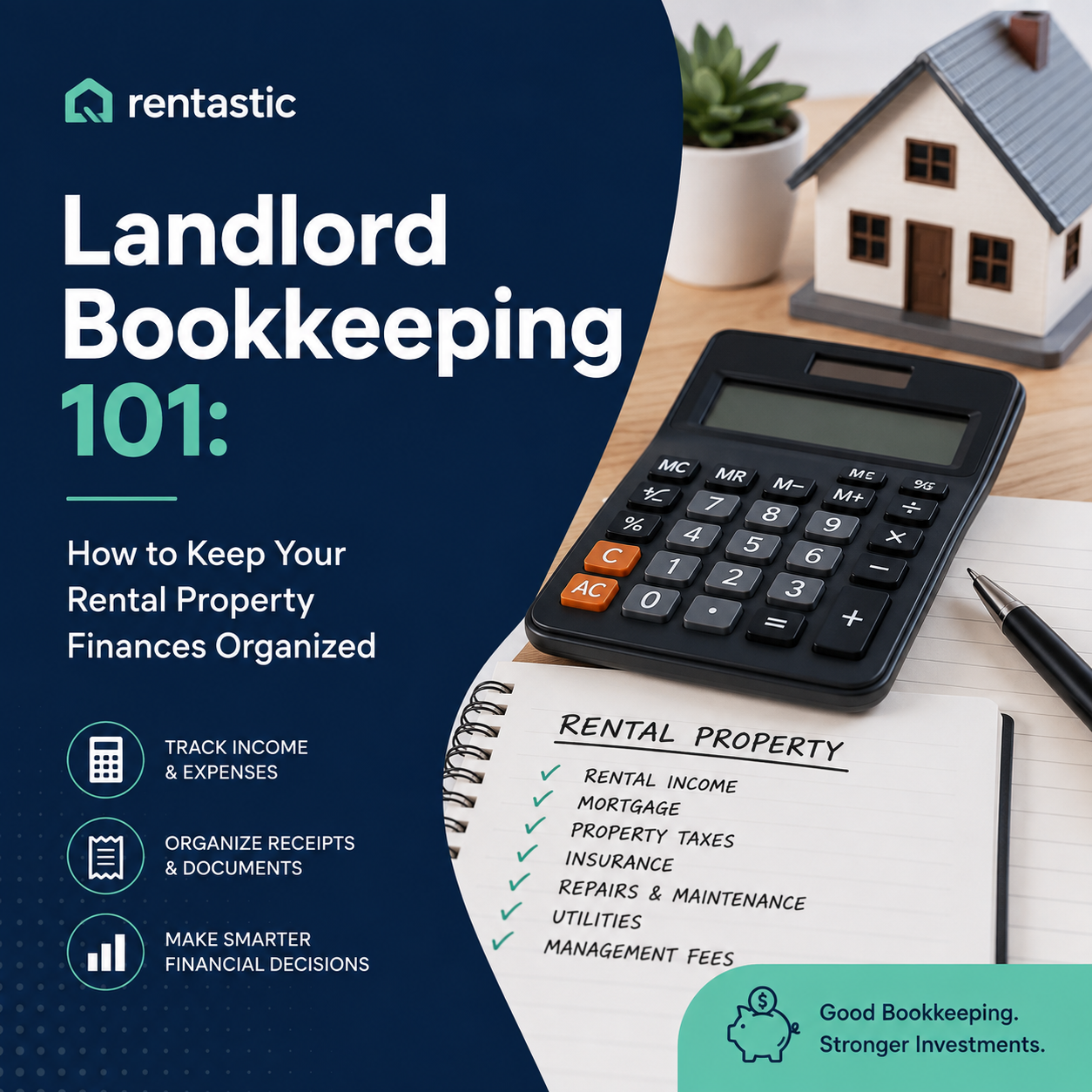
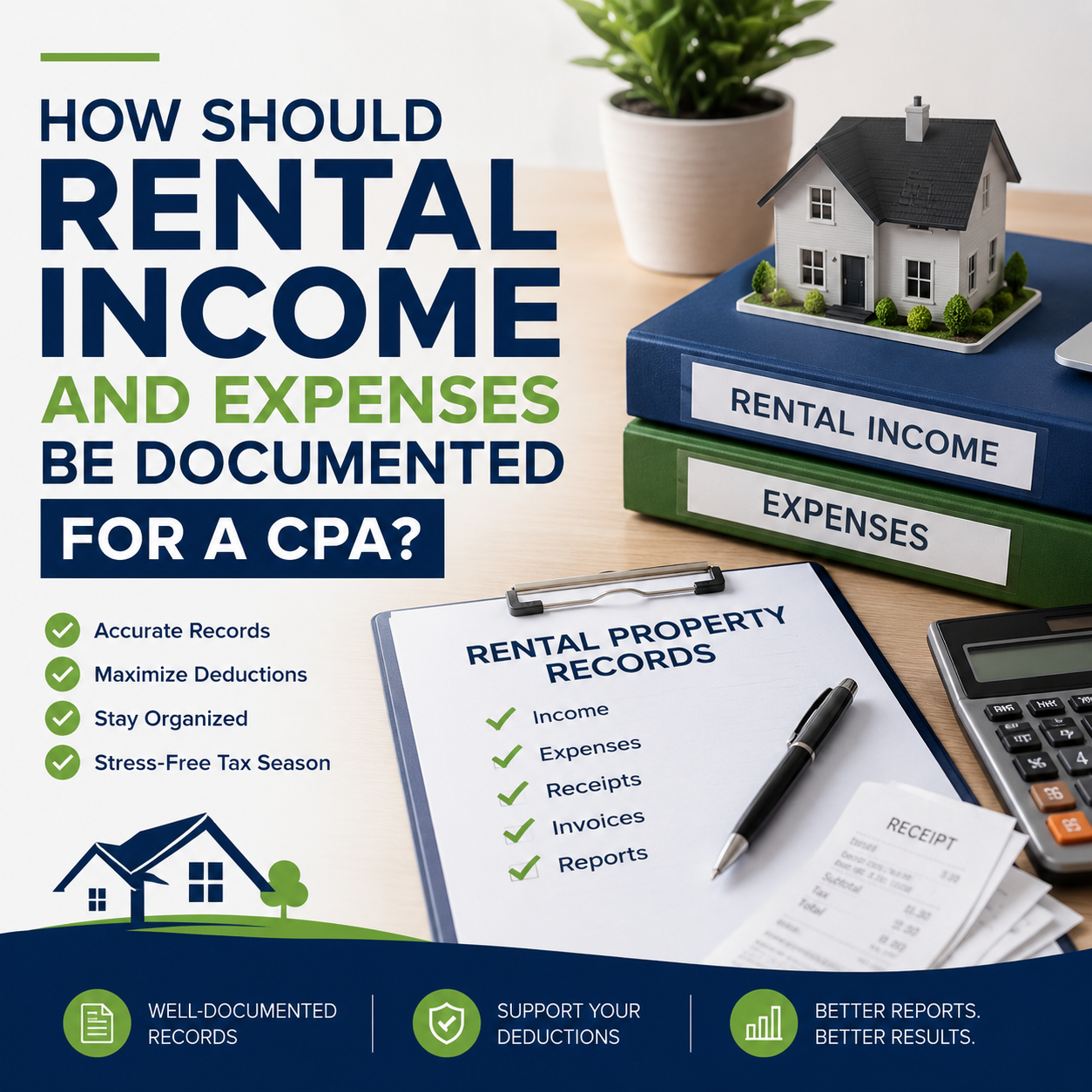
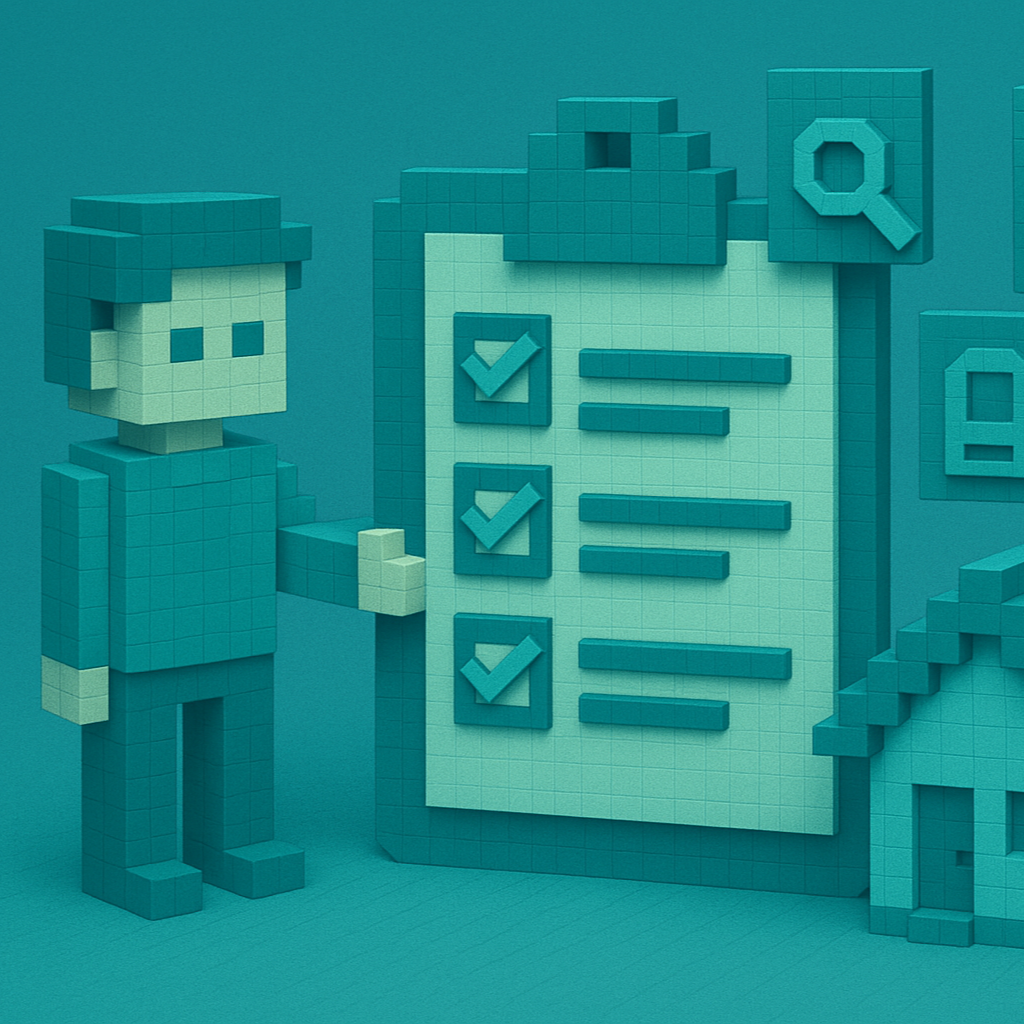
1. Track every rental property expense. Record maintenance, insurance, taxes, utilities, and other operating expenses so you know exactly where your money goes.
2. Compare expenses year over year. Review spending by category to identify costs that are increasing faster than expected.
3. Create an annual rental property budget. Estimate future expenses and set aside reserves for repairs, replacements, and unexpected costs.
4. Review recurring expenses. Compare insurance quotes, evaluate service providers, and eliminate unnecessary expenses without compromising property quality.
5. Monitor cash flow regularly. Don't wait until tax season to discover that your rental property is generating less income than expected.
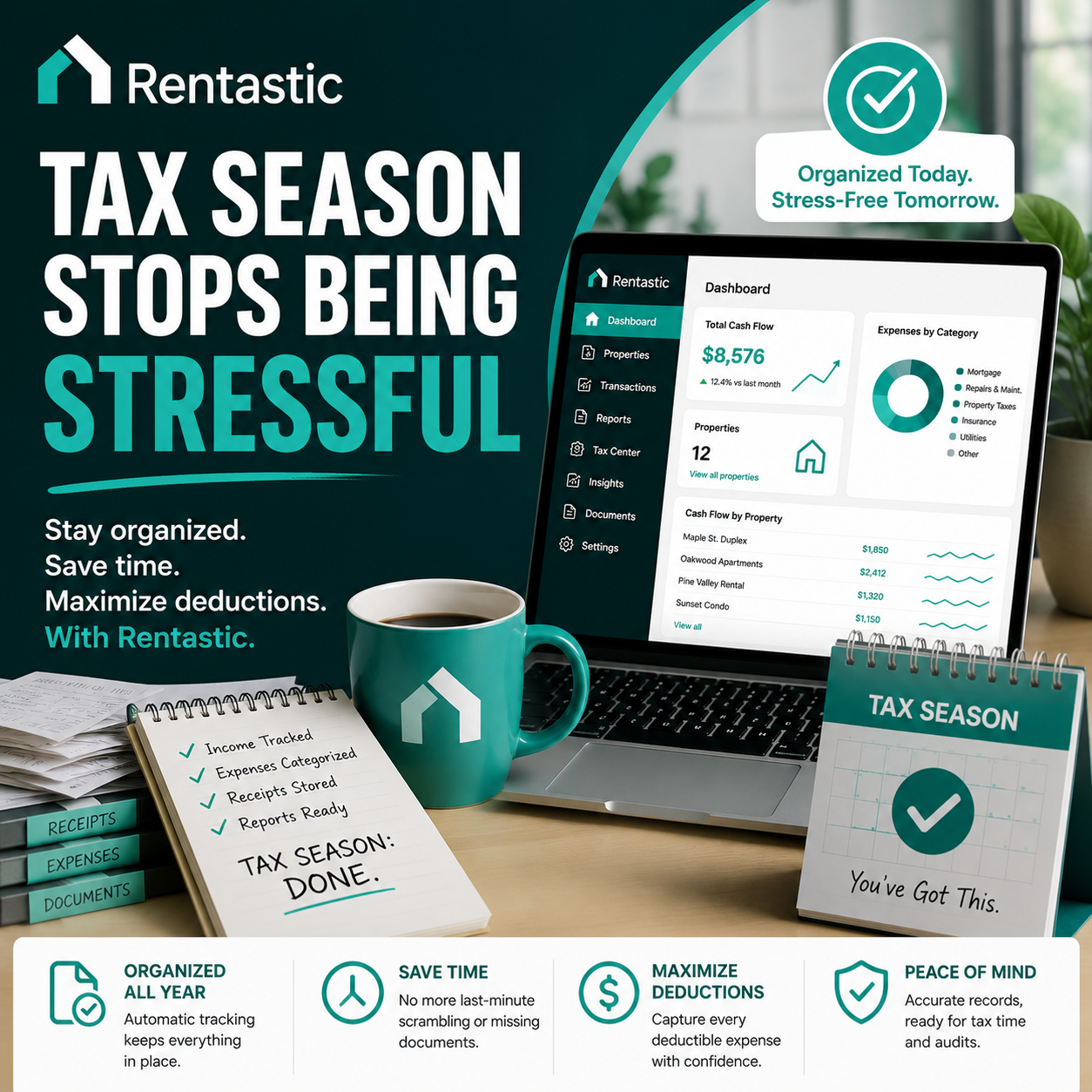
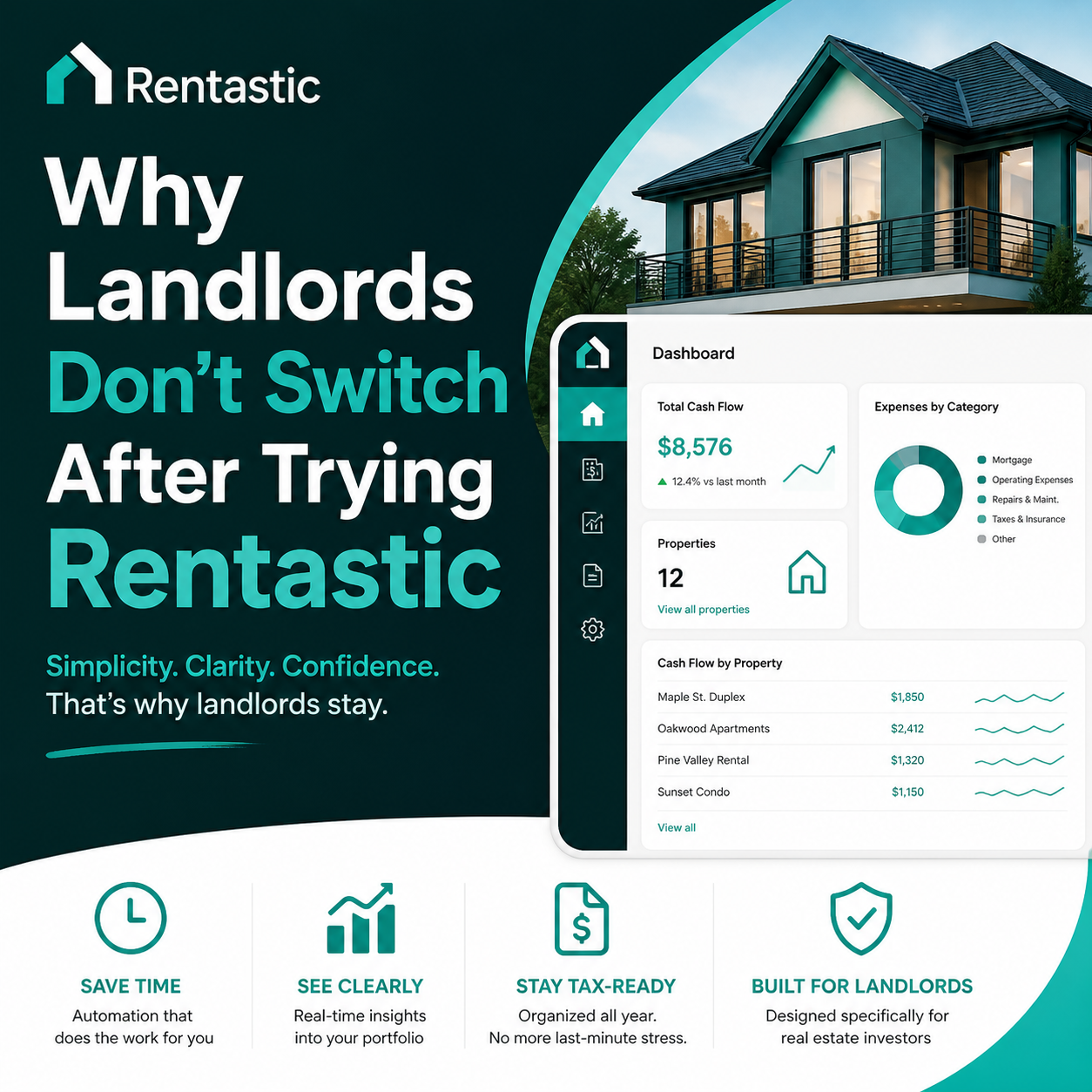
Tracking rental property expenses manually can become overwhelming, especially when managing multiple properties.
That's where Rentastic can help.
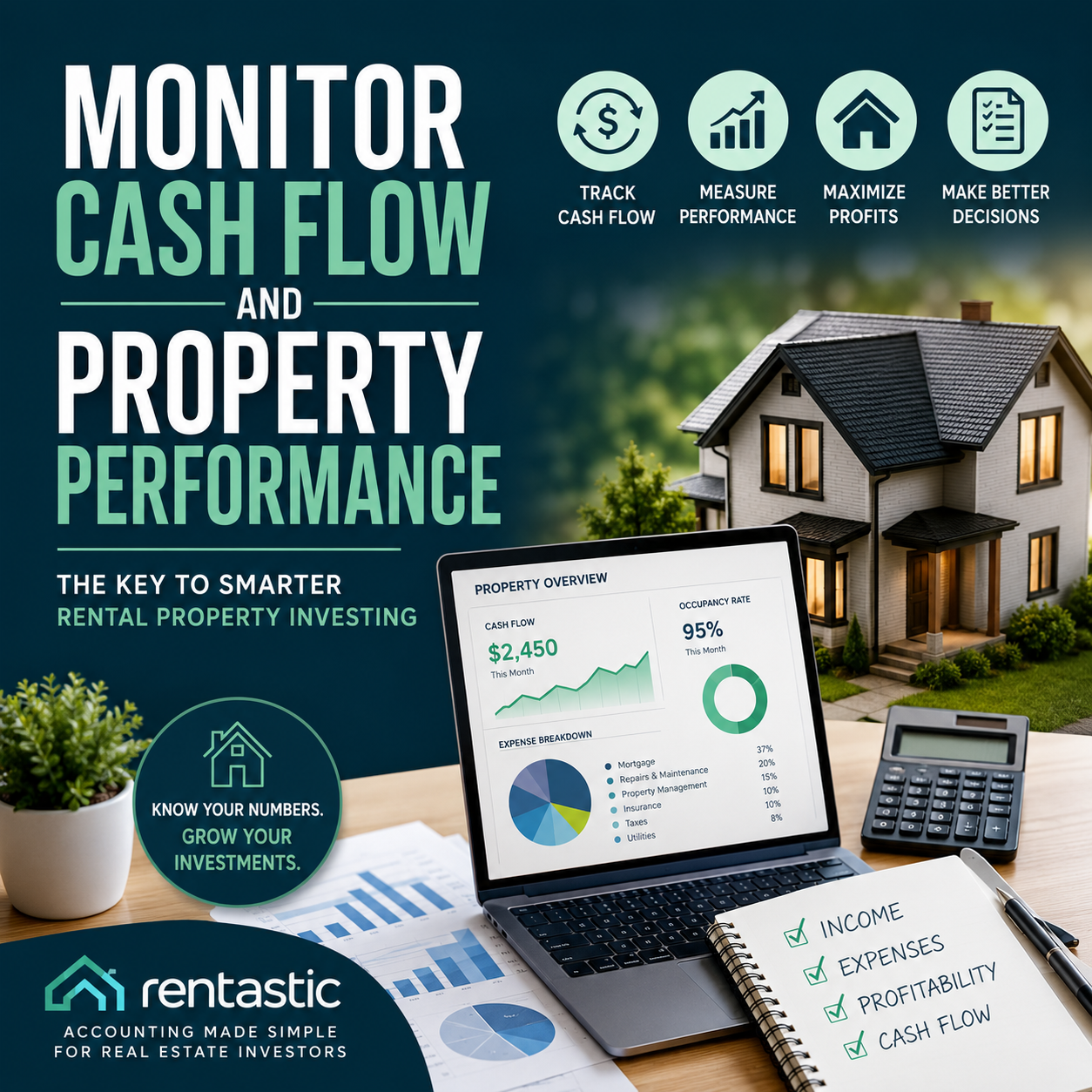
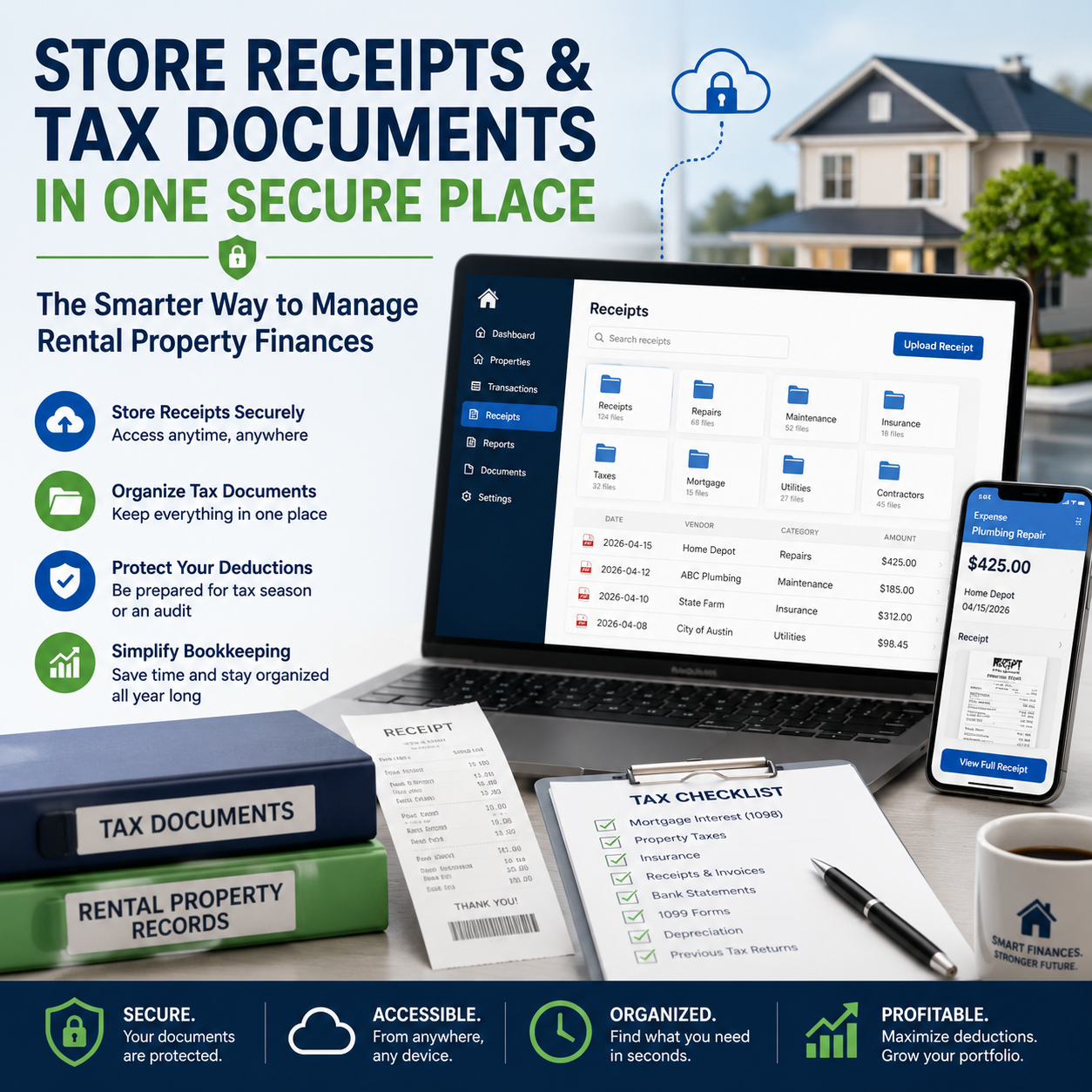
With Rentastic, landlords and real estate investors can:
By keeping your rental property finances organized, you can make better decisions and protect your long-term profitability.
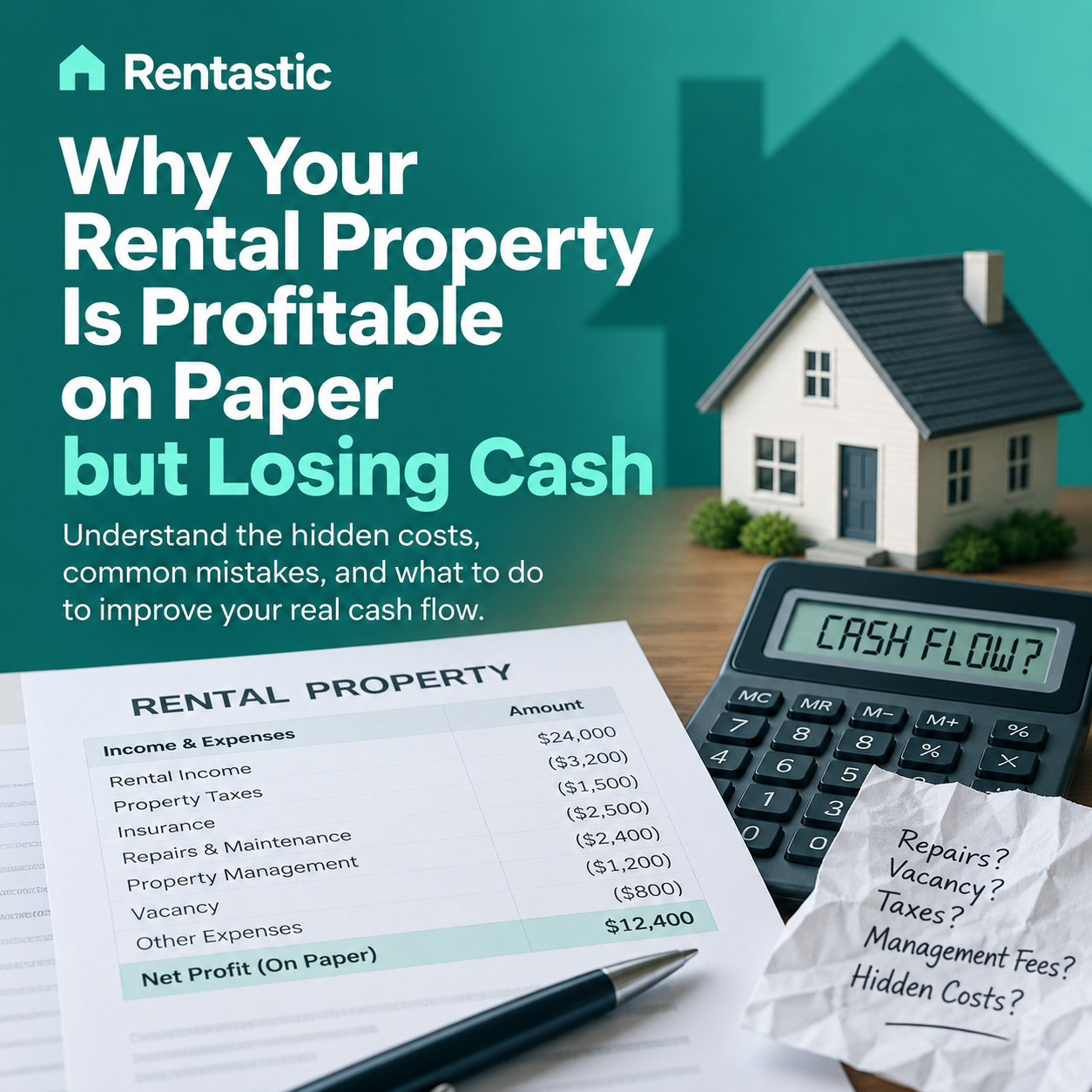
Rental property profits don't always disappear because of vacancies or major repairs. Sometimes, they shrink slowly because everyday expenses keep increasing.
The key to preventing expense creep is knowing your numbers.
Regular expense tracking, realistic budgeting, and proactive property management can help you maintain healthier cash flow and make your rental investments more sustainable.
Don't let rising expenses quietly reduce your returns.
Take control of your rental property finances with Rentastic.
Start tracking your rental income and expenses today →
RECENT POSTS


© 2025 Rentastic
Rentastic is registered as a trademark. Terms and conditions, features, support, pricing, and service options subject to change without notice.















































Comments