

Collecting rent is predictable. Maintenance bills rarely follow the same schedule.
One month, your rental may need nothing more than a replacement air filter. The next, a plumbing leak or appliance failure could absorb a substantial part of your rental income.
A maintenance budget helps you prepare for those uneven costs—and gives you a more realistic picture of your property’s cash flow.
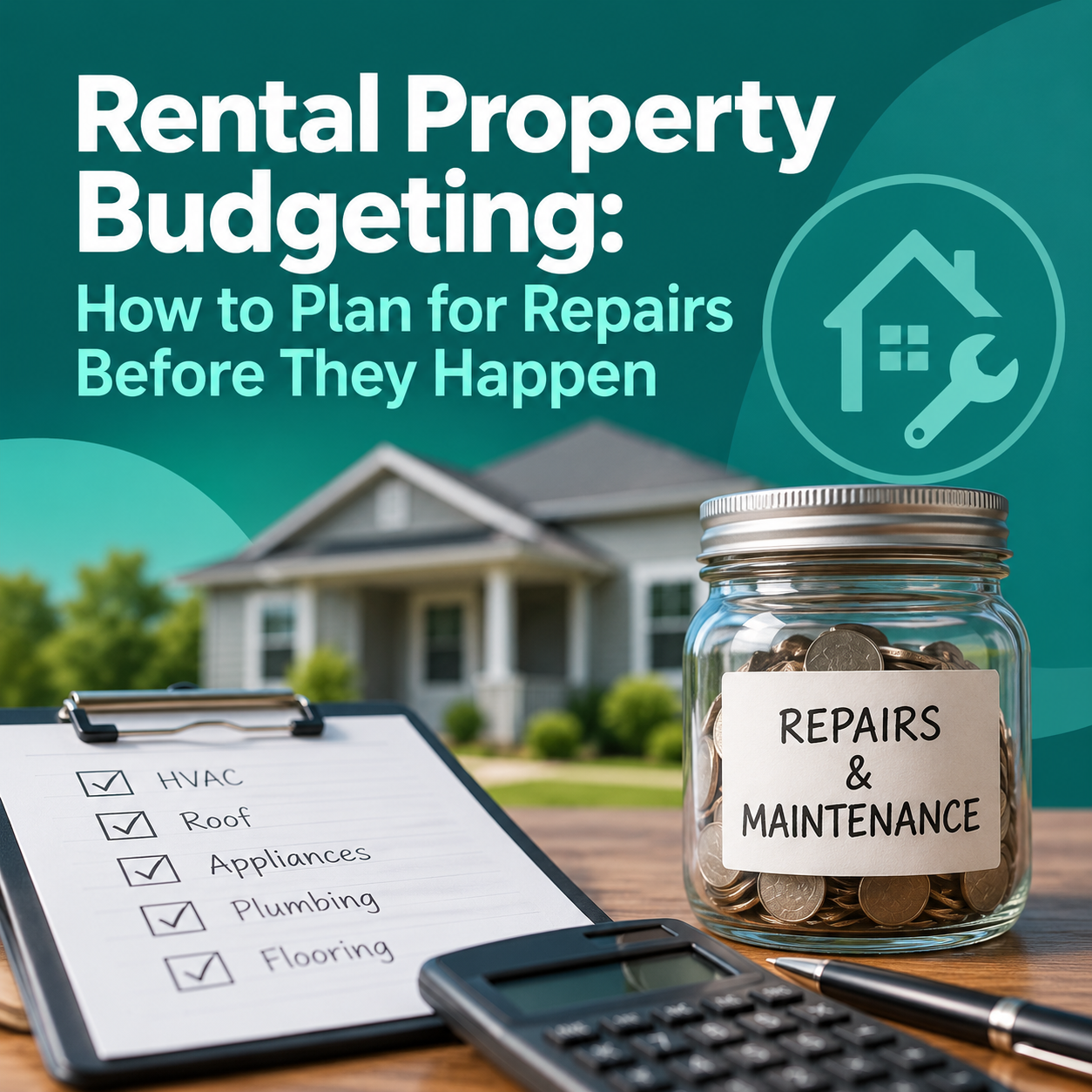
Start with your expected annual upkeep and repair costs, divide that amount by 12, and save separately for major replacements. If you do not have expense history yet, begin with a provisional estimate and refine it using inspections and local contractor quotes.
Routine maintenance keeps your property functioning and addresses everyday wear.
Typical expenses include:
Major replacements need their own savings plan. A new roof or replacement HVAC system can cost far more than your regular monthly maintenance allowance.
Freddie Mac recommends budgeting for ongoing upkeep while also planning ahead for major purchases and replacements. My Home by Freddie Mac
Keeping these amounts separate helps you understand whether your everyday maintenance budget is sufficient.
Without historical records, a rent-based allowance can help you begin planning.
For example, compare what setting aside 5%, 10%, or 15% of collected rent would provide. These are illustrative scenarios, not guaranteed cost ranges or universal landlord standards.
For a property collecting $2,000 monthly:
Illustrative allowanceMonthly contributionAnnual contribution5% of collected rent$100$1,20010% of collected rent$200$2,40015% of collected rent$300$3,600
Compare those amounts with your expected service contracts, minor repairs, and inspection findings.
If scheduled services alone cost $1,800 annually, a $1,200 allowance is already too low before any unexpected repair occurs.
Your property’s needs should determine the budget. The percentage simply helps you test an initial amount.
Remember that maintenance continues during vacancies. You still need available cash when rent stops coming in.
Once you have reliable records, use them to improve your estimate.
Review two or three years of routine maintenance and repair spending where available. Separate major replacements so that one expensive roof project does not distort your estimate of recurring upkeep.
Suppose your property had these costs:
YearMaintenance and minor repairsYear 1$1,800Year 2$2,400Year 3$2,100Annual average$2,100
That average suggests a starting contribution of $175 per month.
Next, adjust for current conditions. Contractor prices may have increased, a service agreement may have changed, or an inspection may reveal developing problems.
For illustration, adding a 20% planning cushion brings this budget to $2,520 annually, or $210 monthly. Choose the cushion based on your property’s condition and uncertainty rather than treating 20% as a fixed rule.
Two rentals collecting the same rent can have very different upkeep costs.
Consider these factors when setting your allowance:
Age and condition: Aging equipment and deferred maintenance can increase the amount you need to set aside.
Size and features: More bathrooms, appliances, outdoor space, or specialized amenities create additional items to maintain.
Local contractor costs: Get estimates from professionals in your market instead of assuming a national figure applies.
Climate: Seasonal heating, cooling, drainage, and weather preparation can affect your maintenance schedule.
Lease and HOA responsibilities: Confirm which services you pay for and what an association covers.
Tenant turnover: Budget for cleaning, repainting, and other work between tenants when those costs are not already included elsewhere.
Avoid counting the same expense in multiple categories.
List the property’s major components, their condition, estimated replacement costs, and likely replacement dates.
Freddie Mac recommends keeping an inventory of appliances and building components, including their age, warranties, and recommended replacement timing. My Home by Freddie Mac
Use this planning formula:
Monthly replacement contribution = (Estimated replacement cost − Savings already allocated) ÷ Months until expected replacement
Suppose you estimate an HVAC replacement at $8,000 in four years and already have $2,000 allocated:
($8,000 − $2,000) ÷ 48 months = $125 per month
These figures are hypothetical. Use an inspection and local quotes to estimate your own costs and timing.
If the property also needs $210 monthly for routine maintenance, your combined contribution would be $335 per month.
Review the plan periodically because replacement costs and equipment condition can change.
A monthly savings plan takes time to build.
Setting aside $210 monthly does not mean you can cover a $1,500 repair immediately after starting. You need both consistent contributions and an available cash balance.
Set your initial cash target using known repair needs, likely urgent expenses, and the condition of the property’s equipment.
If a major repair is already overdue, plan its funding directly. Small monthly deposits may not accumulate quickly enough.
Keep maintenance savings identifiable and replenish them after repairs. Vacancy reserves and money for other operating bills also belong in your broader cash plan.
For budget tracking, avoid counting both a transfer into your reserve account and the eventual repair payment as maintenance spending.
A portfolio-wide total can hide a rental that consistently needs more repairs than expected.
Track expenses by property and compare actual spending with your budget at least quarterly.
Ask:
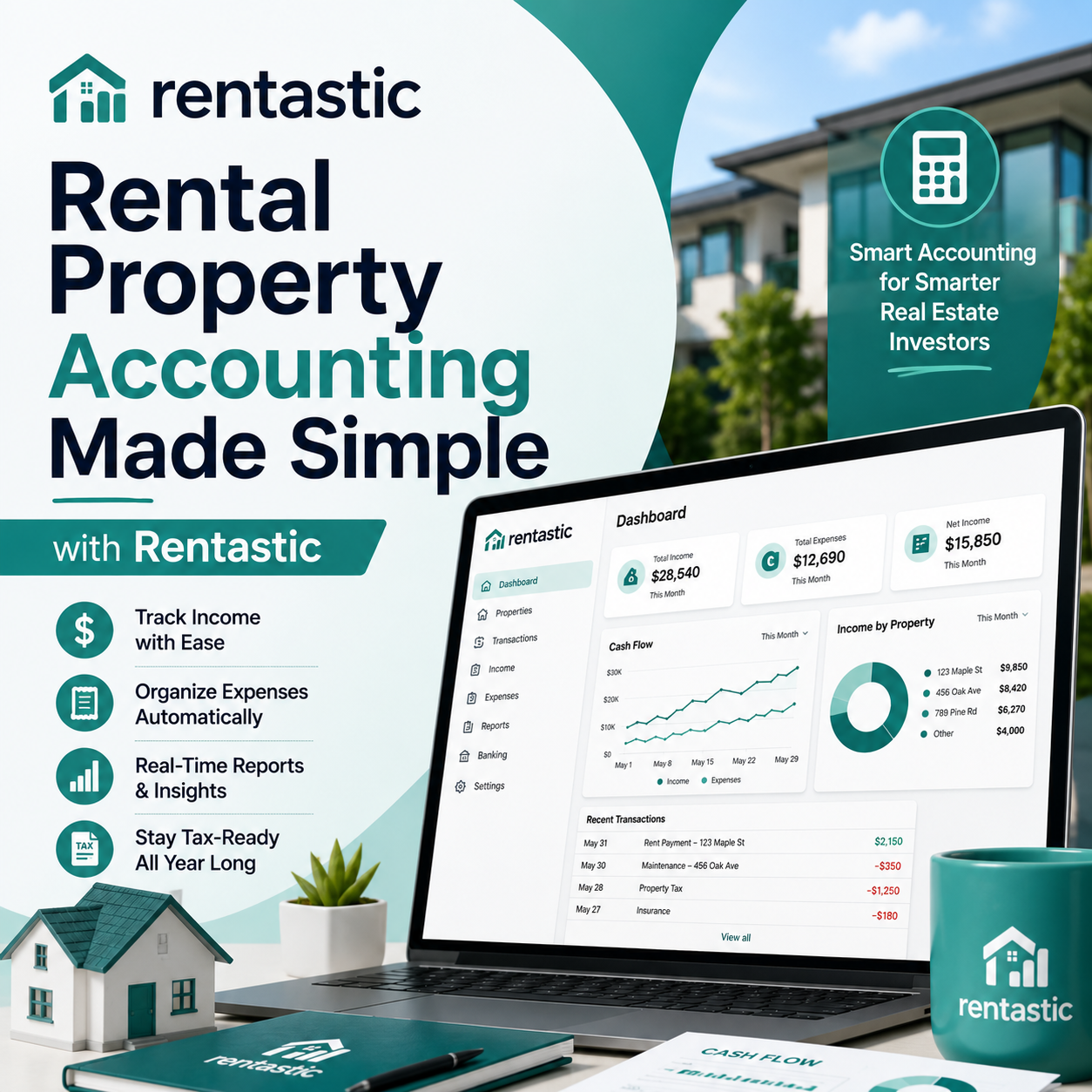
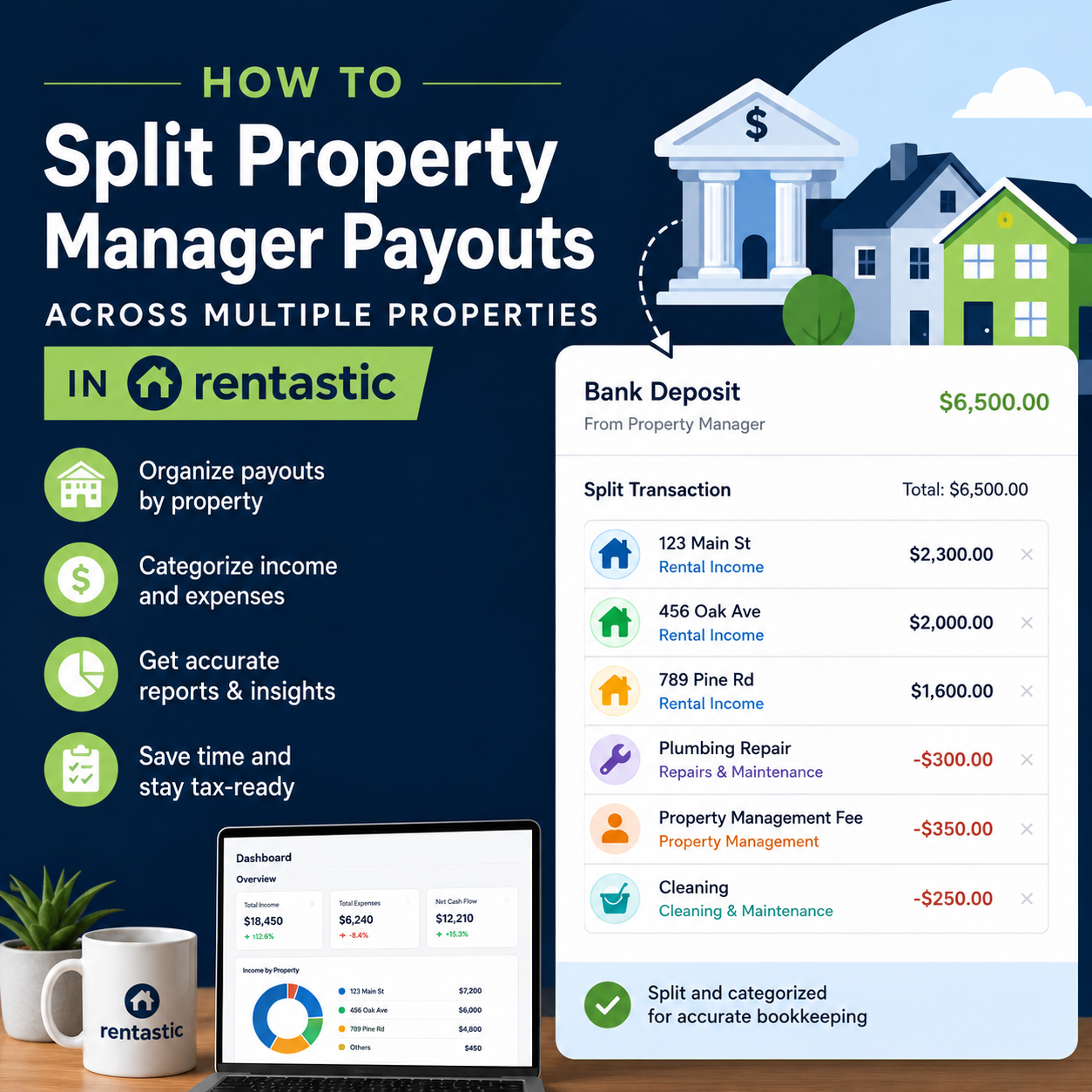
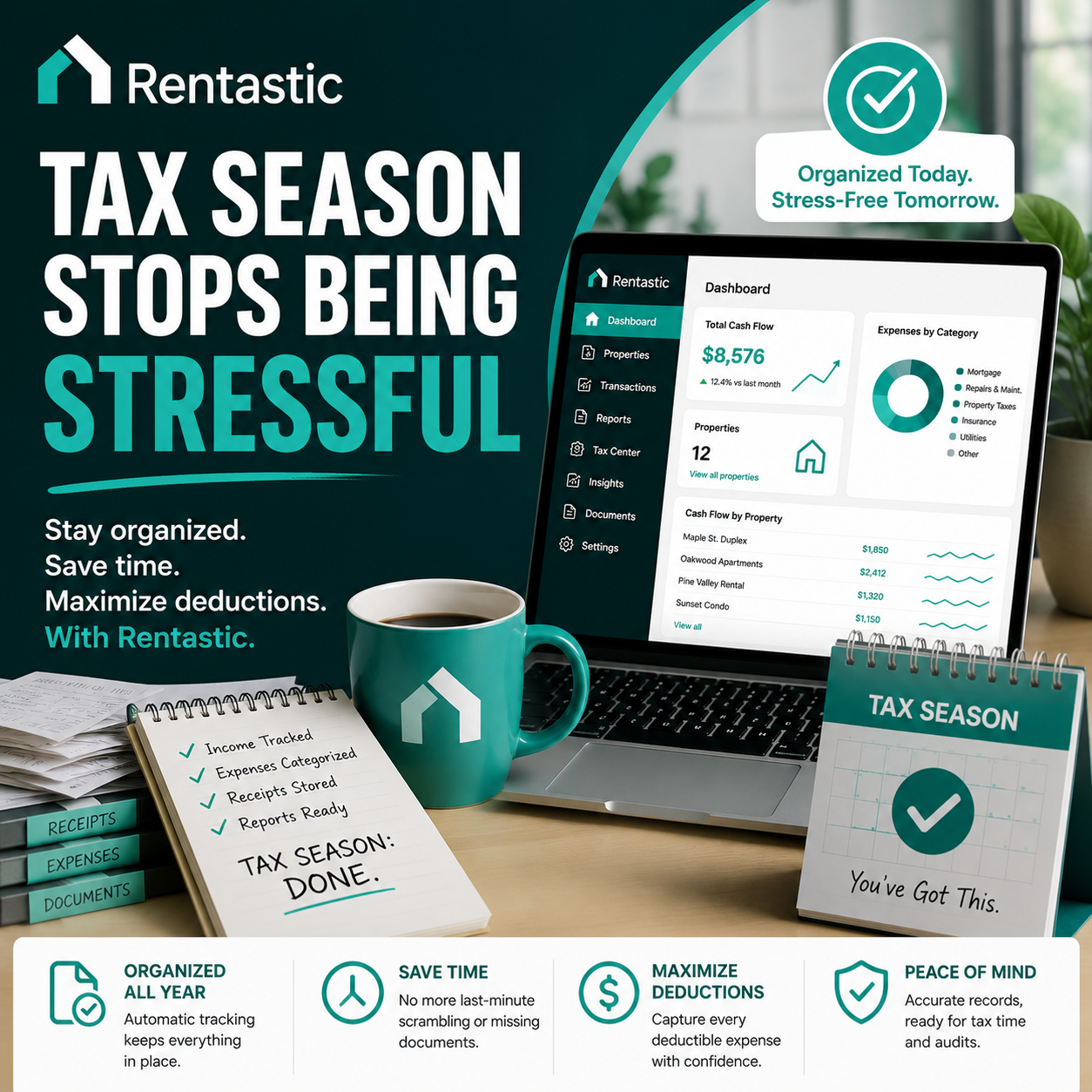
Rentastic helps landlords organize transactions by property and review income and expenses. Those records provide a clearer basis for updating maintenance estimates. Simple accounting for landlords
The amount you should set aside depends on what your property needs to stay in good condition.
Begin with a realistic allowance for routine upkeep, improve it with actual spending records, and fund major replacements separately. Keep enough cash available to handle bills before monthly contributions accumulate.
Planning for maintenance helps you understand how much rental income you can safely use—and how much needs to stay available for the property.
RECENT POSTS


© 2025 Rentastic
Rentastic is registered as a trademark. Terms and conditions, features, support, pricing, and service options subject to change without notice.































































Comments