
Setting the right rent is one of the most important decisions a landlord can make. Charge too much, and you may struggle with longer vacancies and tenant turnover. Charge too little, and your property could stay occupied while quietly earning less than it should.
The tricky part is that an underpriced rental does not always look like a problem. Your tenant may pay on time every month, your property may have almost no vacancy, and your cash flow may still be positive.
But if your expenses are increasing while your rent stays the same, your profit margin can gradually shrink.
So, how do you know whether you're charging enough rent?
A rental property is generally underpriced when its rent is significantly below what comparable properties in the same market can reasonably command.
For example, suppose you're charging $1,500 per month, while similar nearby rentals with comparable size, condition, amenities, and location are renting for around $1,700.
That's a difference of:
$1,700 − $1,500 = $200 per month
Over a full year:
$200 × 12 = $2,400
That means your property could potentially be generating $2,400 less in annual rental income.
For landlords with several properties, even relatively small pricing gaps can add up quickly.
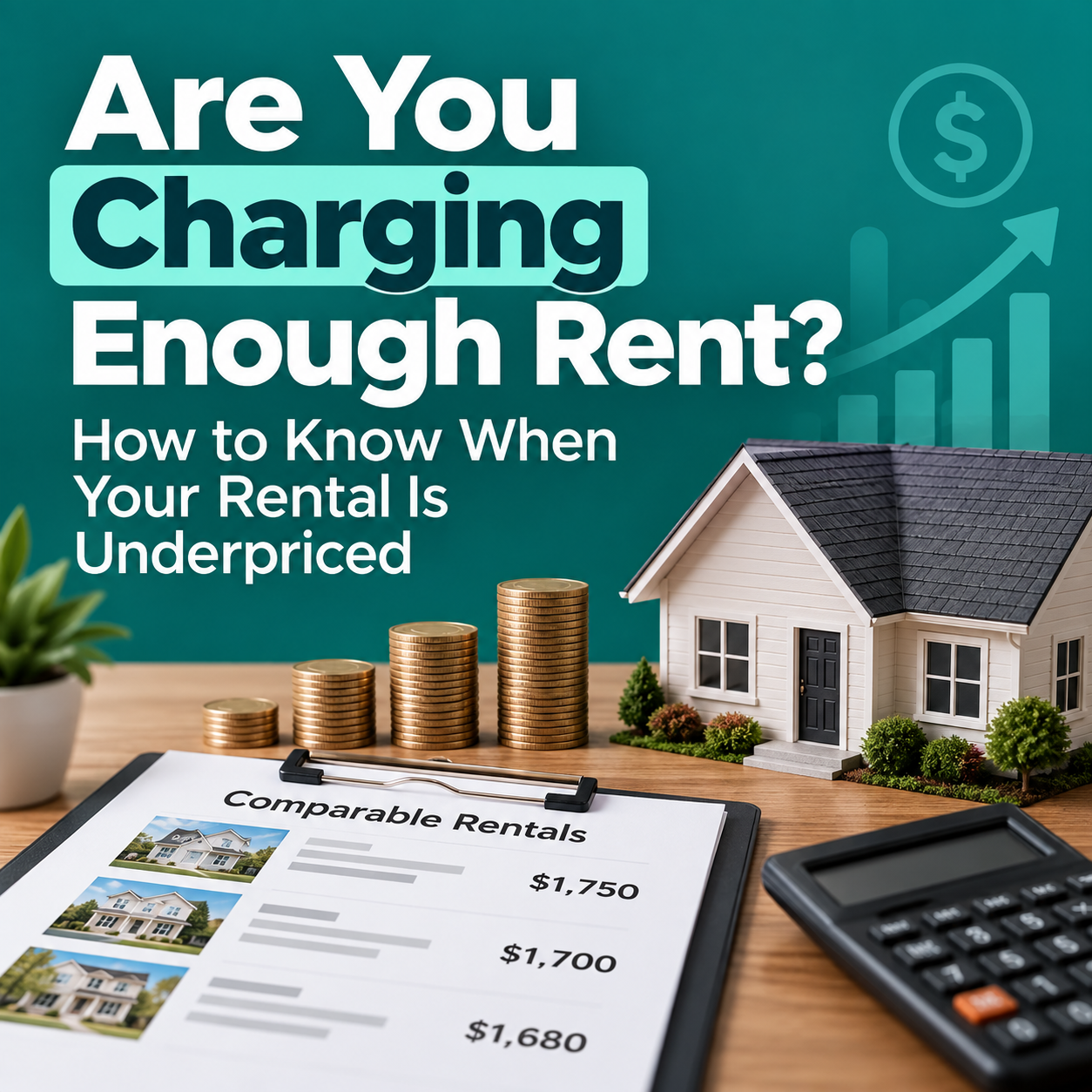
One of the simplest ways to determine whether your rental is underpriced is to look at comparable rentals in your area.
Don't compare your property with just any rental nearby. Look for properties that are reasonably similar in:
If comparable properties consistently rent for more than yours, it may be worth investigating why.
A higher advertised rent does not automatically mean you should match it, however. Listing prices are asking prices, and properties may have different features or remain vacant longer.
The goal is to understand the range your local market supports.
Getting a new tenant immediately can feel like a major win.
Sometimes it is.
But an unusually fast lease-up can also be a sign that your property was priced below the market.
Imagine listing a property for $1,600 per month and receiving a large number of qualified inquiries within the first day. Comparable properties nearby are listed around $1,750.
That doesn't prove your rent is too low, but it is a reason to take another look at your pricing.
Ideally, you want rent that attracts qualified tenants without unnecessarily leaving money on the table.
A difference of $50 or $100 per month may not seem significant.
Over time, it can become substantial.
Suppose market rent is approximately $2,000, but you're charging $1,850.
Your monthly difference is:
$150
Your annual difference is:
$1,800
Over three years, assuming the gap remains unchanged:
$5,400
Now imagine owning five similarly underpriced properties.
That's potentially $27,000 in rental income difference over three years.
This is why landlords should evaluate rental pricing periodically rather than automatically renewing leases at the same rent.
Rent is only one side of the profitability equation.
Landlords also have to consider operating expenses such as:
Suppose your rental generates $24,000 per year in gross rent.
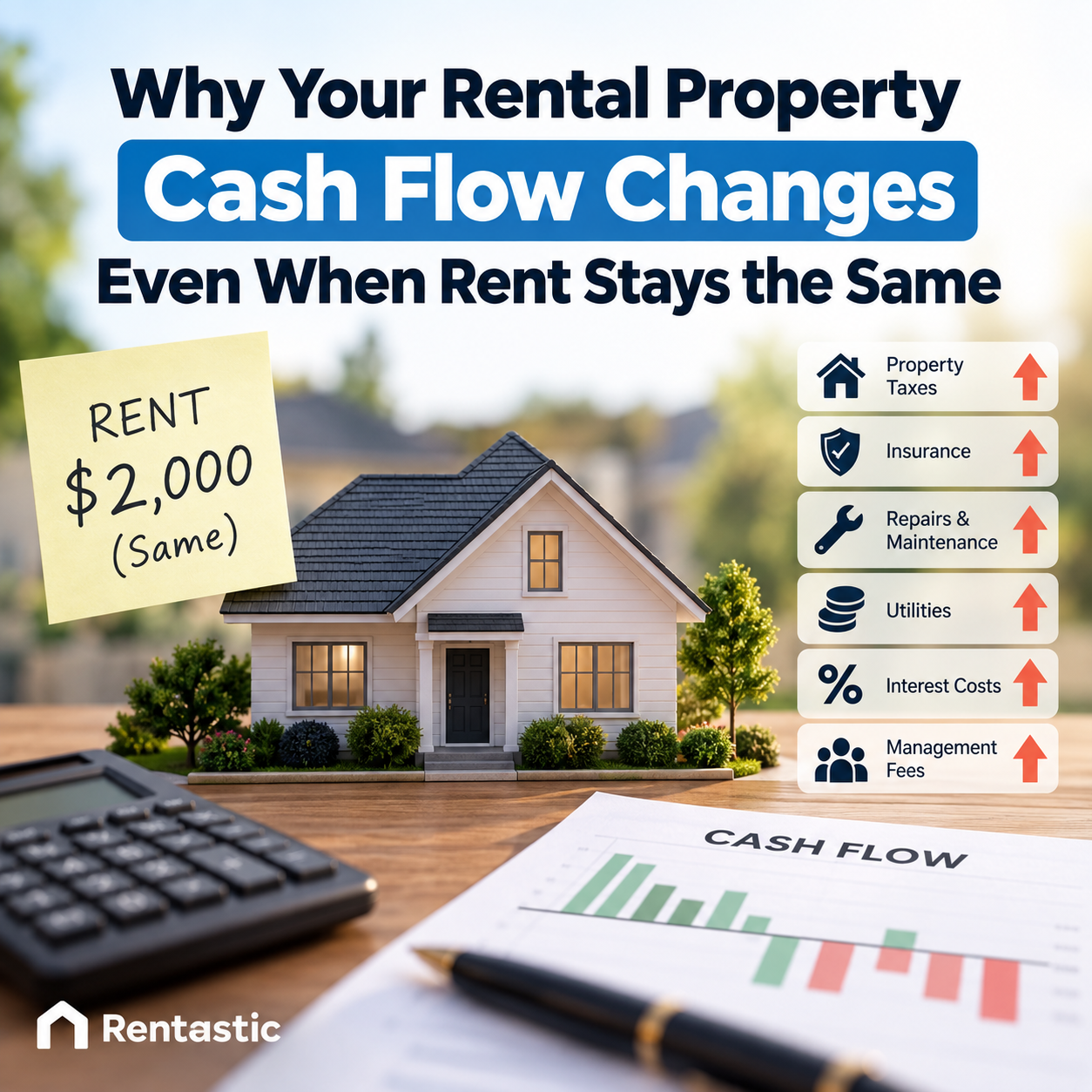
A few years later, it still generates roughly $24,000—but insurance, taxes, maintenance, and repairs have all increased.
Your rent may not have declined, but your profit margin has.
This is why landlords should monitor both rental income and expenses.
A property that produced healthy cash flow several years ago may not perform the same way today.
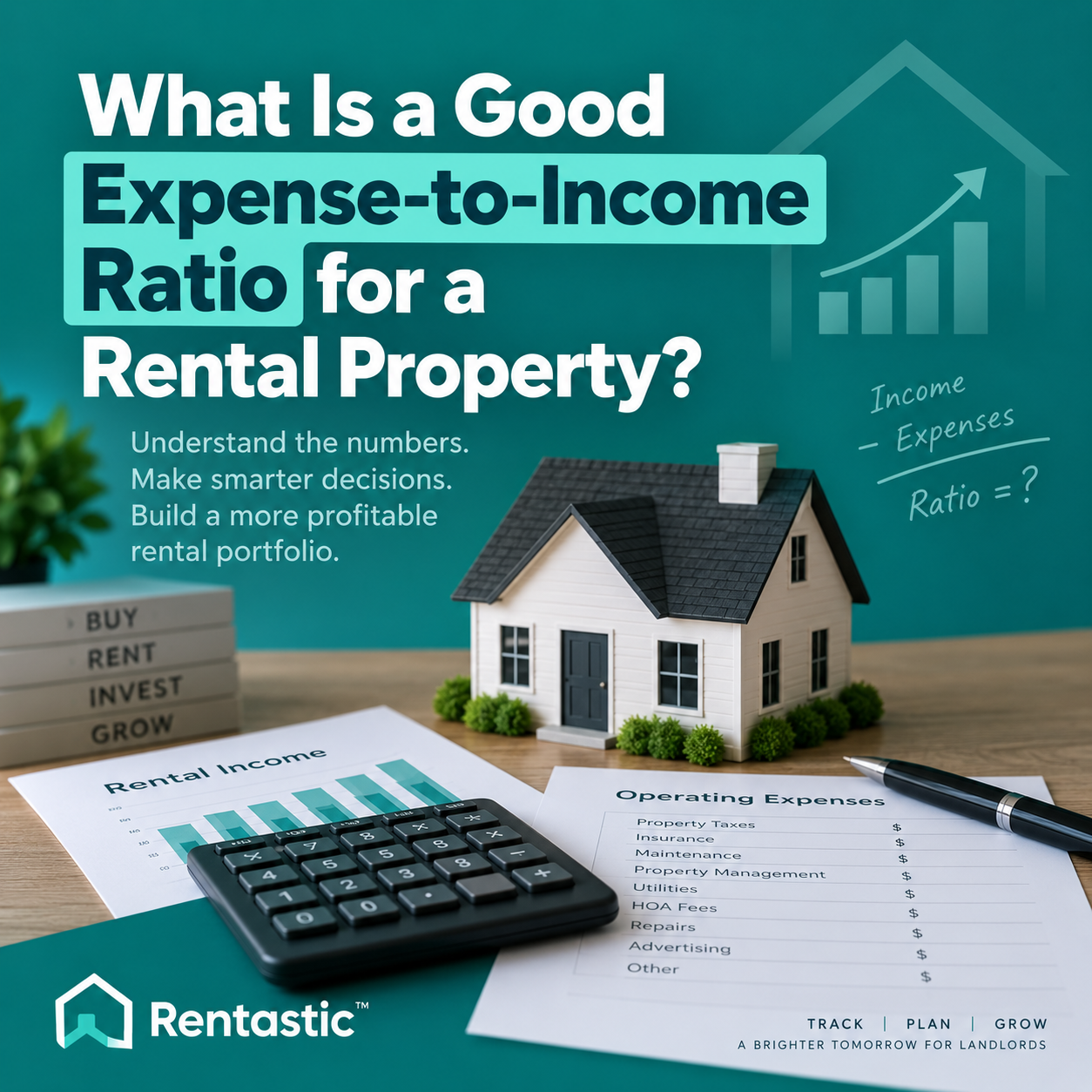
Another useful metric is your rental property's expense-to-income ratio.
A simplified calculation is:
Operating Expenses ÷ Rental Income × 100
Suppose your property generates:
$30,000 in annual rental income
and has:
$12,000 in annual operating expenses
Your expense-to-income ratio would be:
$12,000 ÷ $30,000 × 100 = 40%
Now suppose expenses increase to $14,000 while rent remains unchanged.
Your ratio becomes:
$14,000 ÷ $30,000 × 100 = 46.7%
The higher ratio doesn't automatically mean your rent is too low, but it shows that expenses are consuming a larger percentage of your rental income.
That should prompt a closer look at both your costs and your current rent.
Market rent isn't the only number that matters.
Your property also needs to make financial sense as an investment.
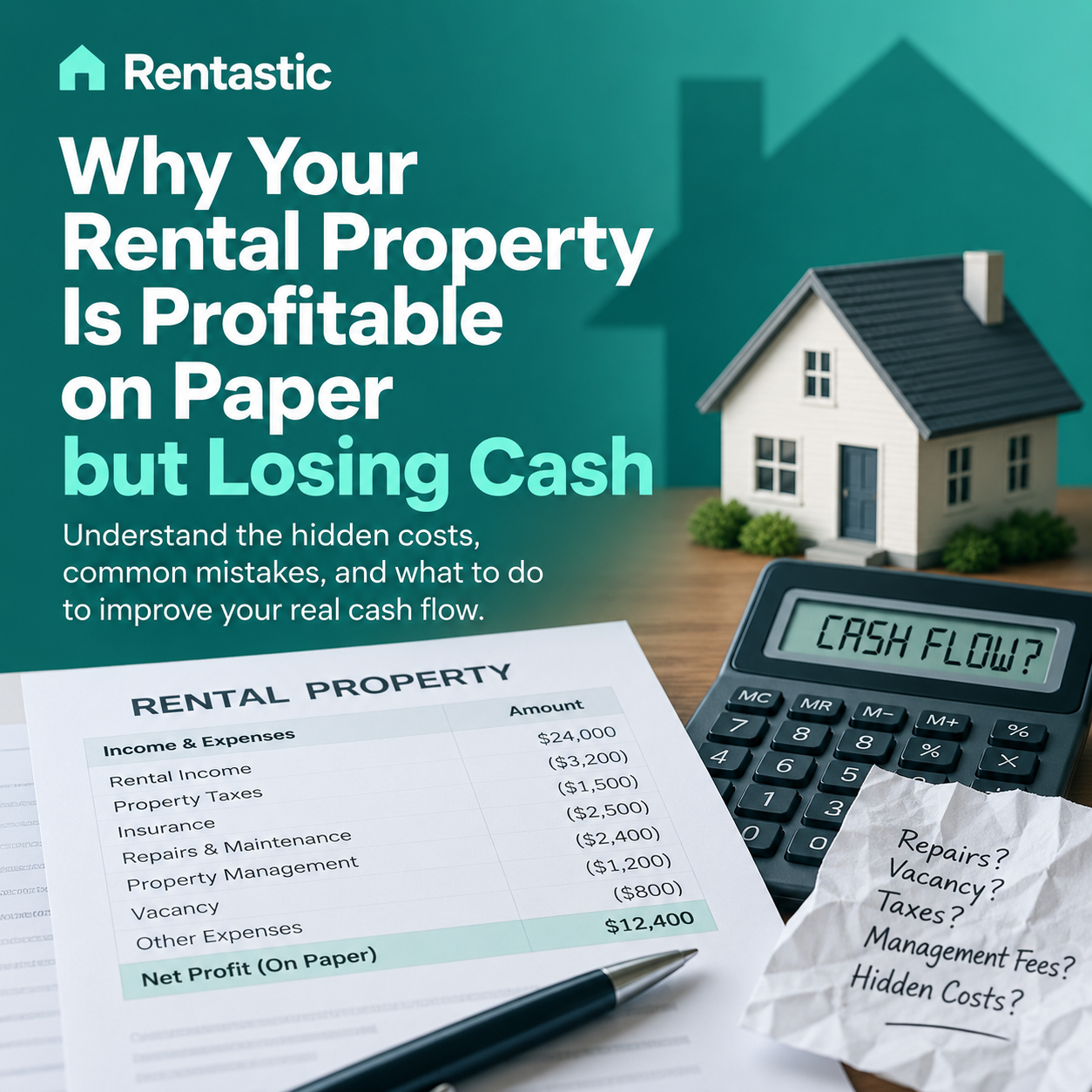
A simplified cash-flow calculation is:
Rental Income − Operating Expenses − Debt Payments = Cash Flow
For example:
Monthly rent: $2,000
Operating expenses: $650
Mortgage payment: $1,050
Monthly cash flow:
$2,000 − $650 − $1,050 = $300
If expenses increase by $150 per month but rent stays unchanged, cash flow falls to only $150.
Tracking cash flow over time helps you see whether the property is becoming more or less profitable—even when occupancy remains strong.
Long-term tenants can be extremely valuable.
Reliable tenants may reduce:
Because of that, maximizing rent isn't always the same as maximizing profit.
Suppose market rent is $2,100 and your reliable tenant pays $2,000.
Increasing rent by the full $100 would produce another $1,200 per year if the tenant stays.
But if the increase causes the tenant to leave and the property sits vacant for a month, you've already lost around $2,100 in potential rent—before considering cleaning, repairs, advertising, or leasing costs.
Sometimes keeping rent slightly below market can be a deliberate business decision.
The important thing is knowing how far below market you are and why.
Your expenses matter when evaluating your property's performance, but they don't necessarily determine what tenants are willing to pay.
For example, if your insurance premium increases by $150 per month, that doesn't automatically mean the market will support a $150 rent increase.
Rental pricing is influenced by supply, demand, location, property quality, competing rentals, seasonality, and other local factors.
Think of these as two separate questions:
What rent does the market support?
and
Does that rent make the property financially worthwhile for me?
Understanding both gives you a clearer picture of the investment.
You don't have to change the rent every year, but you should at least review it.
A regular rent review might include:
This helps prevent a small pricing gap from becoming a large one over several years.
Not automatically.
First, determine why your rent is below market.
You may intentionally charge less because you have a reliable long-term tenant. Your property may also lack features offered by higher-priced competing rentals.
If an increase makes sense, consider the size of the increase, the tenant relationship, market conditions, lease terms, and applicable state and local laws.
In some jurisdictions, landlords must provide specific notice before increasing rent, and certain properties may be subject to rent-control or rent-stabilization rules.
Always verify the rules that apply to your specific property before changing the rent.
One common mistake is assuming the goal should always be to charge the highest possible rent.
A better goal is to find a rent that supports strong financial performance while remaining competitive enough to attract and retain qualified tenants.
Consider the trade-off between:
Higher rent + potentially higher vacancy
versus
Slightly lower rent + stronger tenant retention
The most profitable option isn't always the one with the highest monthly rent.
Knowing whether your rental is underpriced becomes much easier when you have a clear picture of the property's financial performance.
Instead of looking only at monthly rent, landlords should track:
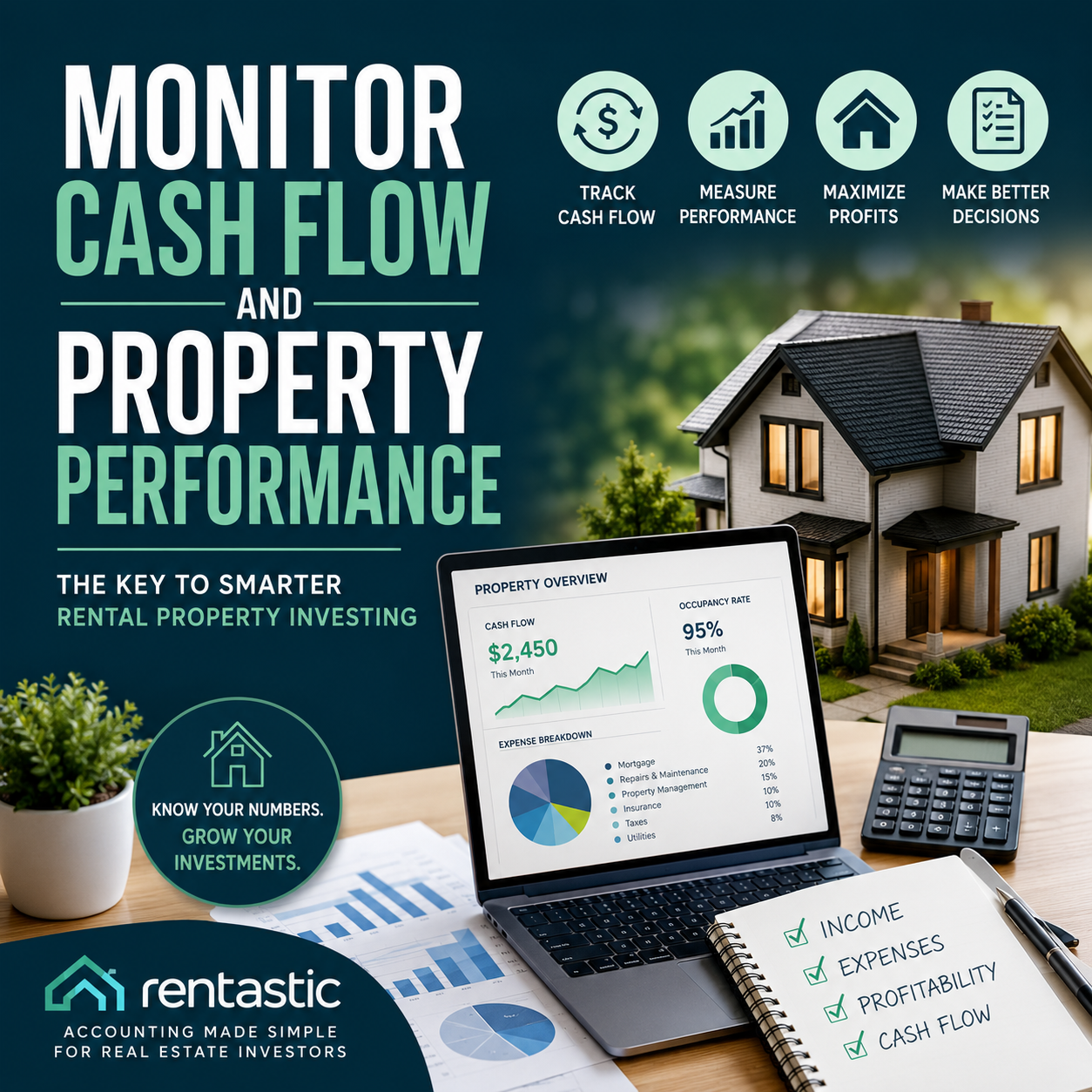
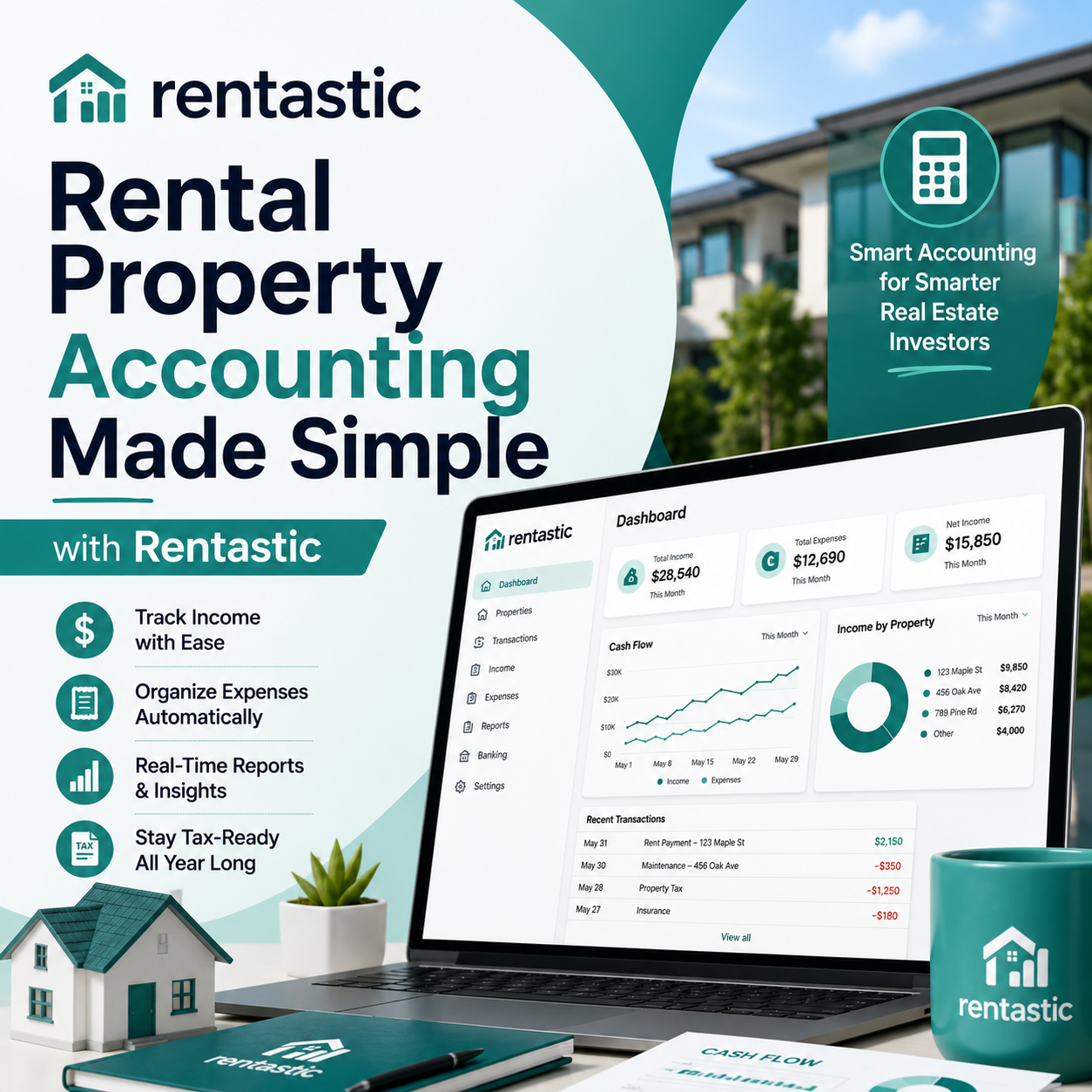
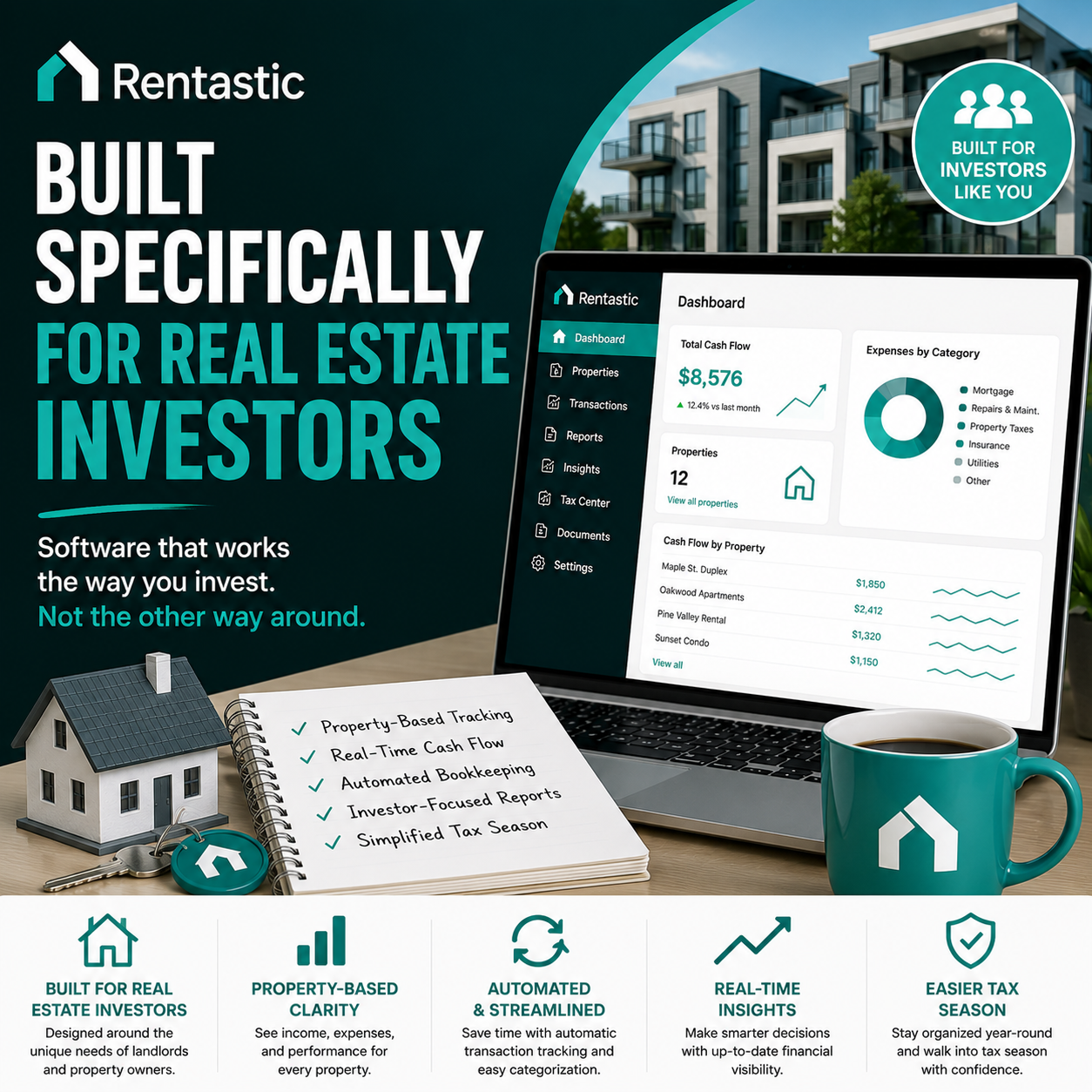
Rentastic helps rental property owners organize income and expenses, monitor property performance, and keep their rental finances in one place.
When you understand the numbers behind each property, you can make more informed decisions about rent, expenses, and long-term profitability.
An occupied rental isn't automatically a well-priced rental.
If your rent hasn't changed in years while market rents and operating expenses have moved significantly, it may be time to review your numbers.
Start by comparing your property with similar rentals, then examine your expenses, cash flow, and tenant-retention costs.
You may discover that your property is priced appropriately—or that a seemingly small monthly gap is costing you thousands of dollars over time.
The goal isn't simply to charge more.
It's to understand what your property is worth in today's rental market and whether its current rent supports your investment goals.
RECENT POSTS


© 2025 Rentastic
Rentastic is registered as a trademark. Terms and conditions, features, support, pricing, and service options subject to change without notice.











.png)






















.png)









Comments