
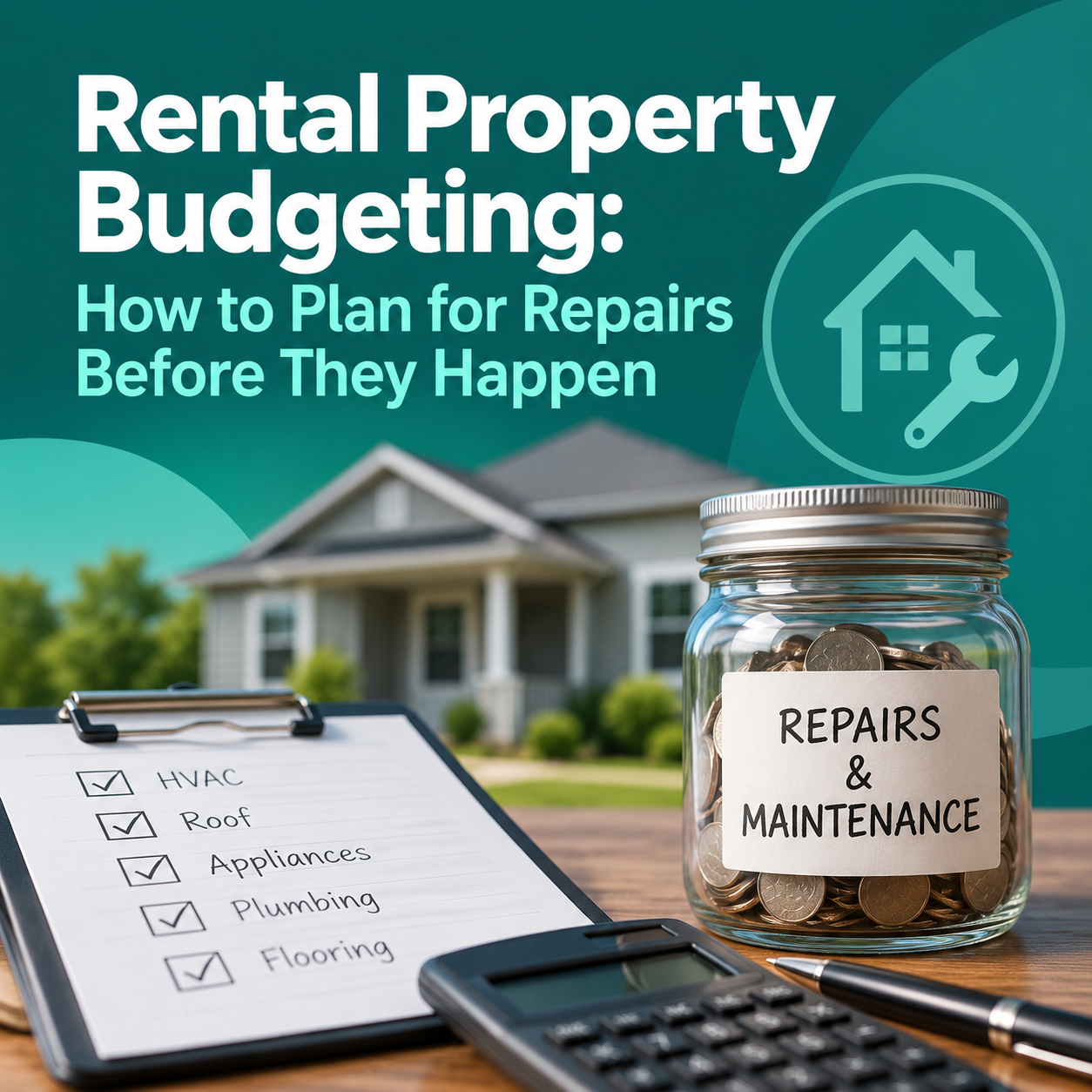
Owning a rental property comes with one financial certainty: something will eventually need to be repaired or replaced.
A water heater can fail. An HVAC system can stop working during the hottest week of the year. Appliances wear out, roofs age, plumbing develops leaks, and tenants report maintenance issues you didn't see coming.
While you can't predict exactly when a repair will happen, you can prepare financially for it.
A good rental property budget helps you set aside money for both routine maintenance and unexpected repairs so that one large expense doesn't wipe out months of cash flow.
Here's how landlords and real estate investors can build a realistic repair budget before problems happen.
Rental income isn't the same as rental profit.
Suppose your property collects $2,000 per month in rent. It can be tempting to look at the mortgage, taxes, insurance, and other regular expenses and assume whatever remains is available profit.
But the property itself is constantly aging.
Over time, you may need to pay for:
These costs may not appear every month, but they still need to be included in your long-term rental property budget.
Setting aside money consistently can turn a $3,000 repair from a financial emergency into a planned property expense.
Before creating your budget, it helps to separate property expenses into three general categories.
These are smaller, recurring expenses that help keep the property in good condition.
Examples include HVAC servicing, gutter cleaning, landscaping, pest control, replacing filters, and minor plumbing work.
Because many of these costs are predictable, they can usually be included directly in your annual operating budget.
These expenses happen when something suddenly breaks or stops working.
For example:
You may not know exactly when these repairs will happen, which is why maintaining a cash reserve is important.
Some property components have long useful lives but can be expensive when replacement eventually becomes necessary.
Examples include:
Instead of treating these costs as complete surprises, landlords can estimate when major components may need replacement and gradually save toward them.
There isn't one percentage that works for every rental.
The appropriate amount depends on the property's age, condition, location, construction, appliances, and maintenance history.
However, landlords often use a few simple methods as starting points.
One approach is to reserve a percentage of rental income for maintenance and repairs.
For example, if a property generates $2,000 per month and you decide to reserve 8%:
$2,000 × 8% = $160 per month
Over a year, that creates:
$160 × 12 = $1,920
That money remains available when repairs are needed.
The percentage you choose should reflect the actual condition and expected maintenance needs of your property rather than being treated as a universal rule.
Another approach is to estimate annual maintenance expenses as a percentage of the property's value.
For example, an investor might use 1% as an initial planning assumption for a $300,000 property:
$300,000 × 1% = $3,000 per year
That would equal approximately:
$250 per month
This is only a budgeting shortcut. Actual repair expenses can be significantly higher or lower in any particular year.
General rules are useful for getting started, but a property-specific budget can be much more accurate.
Walk through your rental and create an inventory of major components.
Record the approximate age and condition of items such as:
Property ComponentCurrent AgeEstimated Replacement CostPlanning PriorityRoof12 years$12,000MediumHVAC9 years$7,000HighWater heater7 years$1,500HighRefrigerator5 years$1,200MediumFlooring4 years$4,000Low
These figures are examples only. Actual replacement costs and useful lives vary significantly by property, equipment, labor costs, and location.
The important part is knowing what major expenses could be approaching.
If your HVAC system is already old, for example, you may want to increase your monthly reserve rather than waiting until it fails.
Once you have an annual maintenance and repair estimate, convert it into a monthly amount.
Suppose you estimate that your property should have approximately $3,600 available annually for maintenance, repairs, and future replacements.
Divide that amount by 12:
$3,600 ÷ 12 = $300 per month
Each month, you would treat that $300 as money reserved for the property rather than spendable cash flow.
This creates a financial buffer that grows during months when repairs are minimal.
Then, when an unexpected $1,200 plumbing bill arrives, you already have money available to cover it.
A repair budget and an emergency reserve serve related but different purposes.
Your regular repair budget helps cover expected maintenance and normal property repairs.
An emergency reserve provides additional protection against unusually large or unexpected costs.
For example, you could experience a major plumbing problem at the same time the property becomes vacant. Suddenly, you're dealing with both repair expenses and lost rental income.
Having additional cash available can prevent you from relying entirely on credit cards or other expensive financing.
The right reserve amount depends on your property's expenses, risk profile, access to other liquidity, and comfort level.
Two properties generating the same monthly rent may require very different maintenance budgets.
A recently constructed property with newer appliances and mechanical systems may require fewer major repairs in the near term.
A decades-old property with an aging roof, older plumbing, and a 15-year-old HVAC system could require significantly more.
Consider factors such as:
Your repair budget should reflect the actual property rather than relying only on rental income.
Repair budgeting shouldn't begin after you purchase a property.
It should be part of your investment analysis.
When evaluating a potential rental, estimate both current operating expenses and upcoming major repairs.
A property may appear to produce strong cash flow today but look very different if it needs a new roof and HVAC system within the next few years.
For example:
Monthly Rent: $2,200
Operating Expenses: $1,500
Initial Cash Flow: $700
If you reserve another $250 per month for repairs and future replacements:
Adjusted Cash Flow: $450
That $450 may be a more realistic picture of the property's available monthly cash flow.
Your first maintenance budget probably won't be perfect.
That's okay.
The goal is to improve it using real information from your property.
Track every maintenance and repair expense throughout the year. At year-end, review:
If you budgeted $2,000 but consistently spent $3,500, that's valuable information.
You can adjust next year's budget accordingly.
Over several years, your own property records can become far more useful than a generic budgeting rule.
Tracking expenses isn't only about budgeting.
Good records can also make bookkeeping and tax preparation easier.
Keep documentation such as:
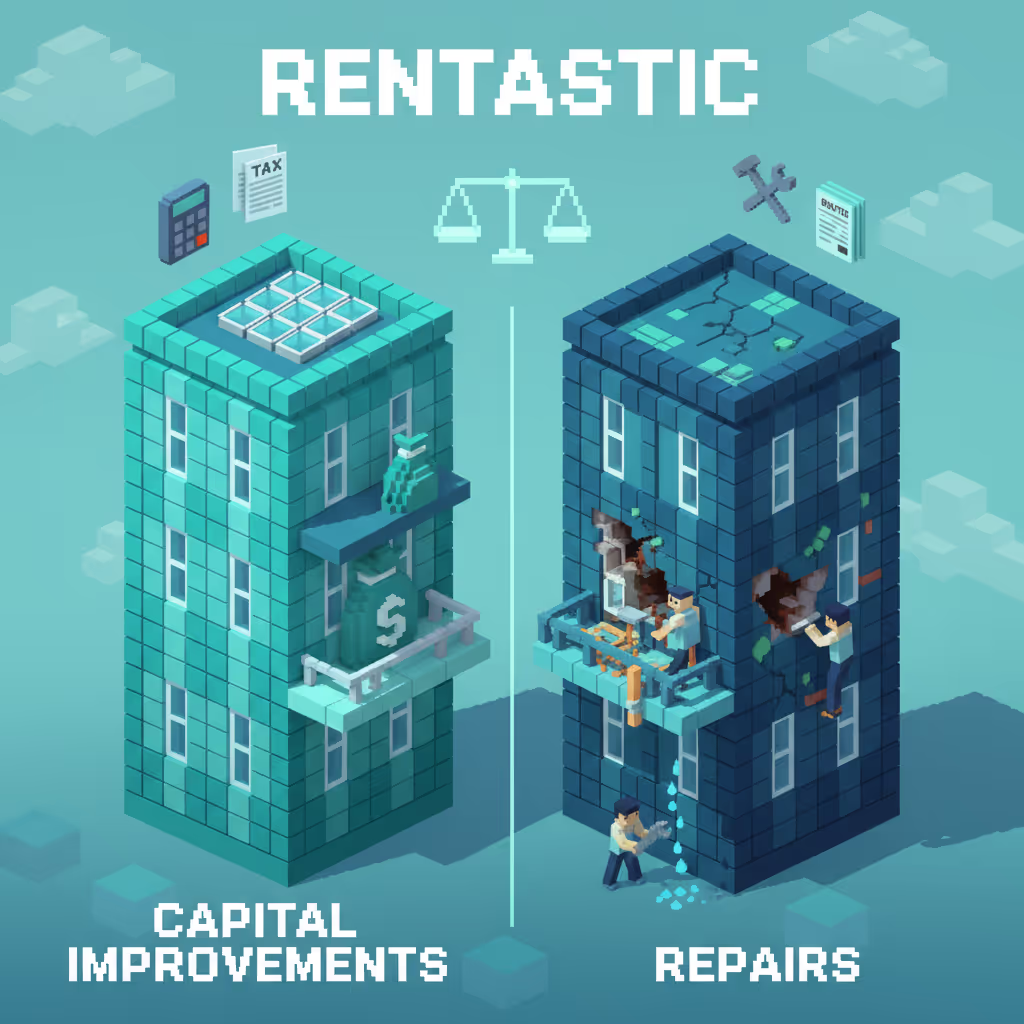
It's also important to distinguish ordinary repairs from improvements because their tax treatment may differ.
When you're unsure how a particular expense should be classified, consult a qualified tax professional.
A repair budget becomes much more useful when you can compare your plan with what you're actually spending.
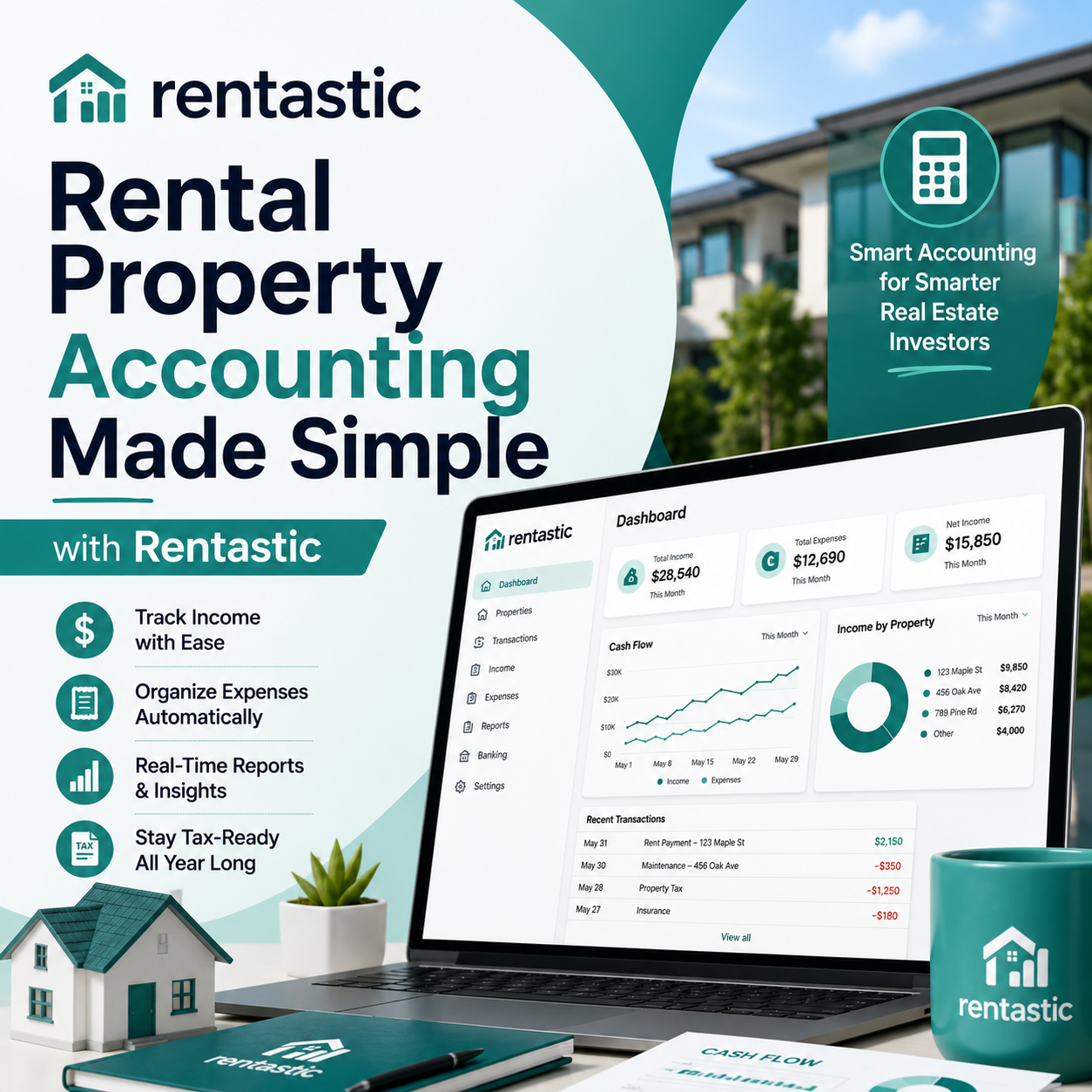
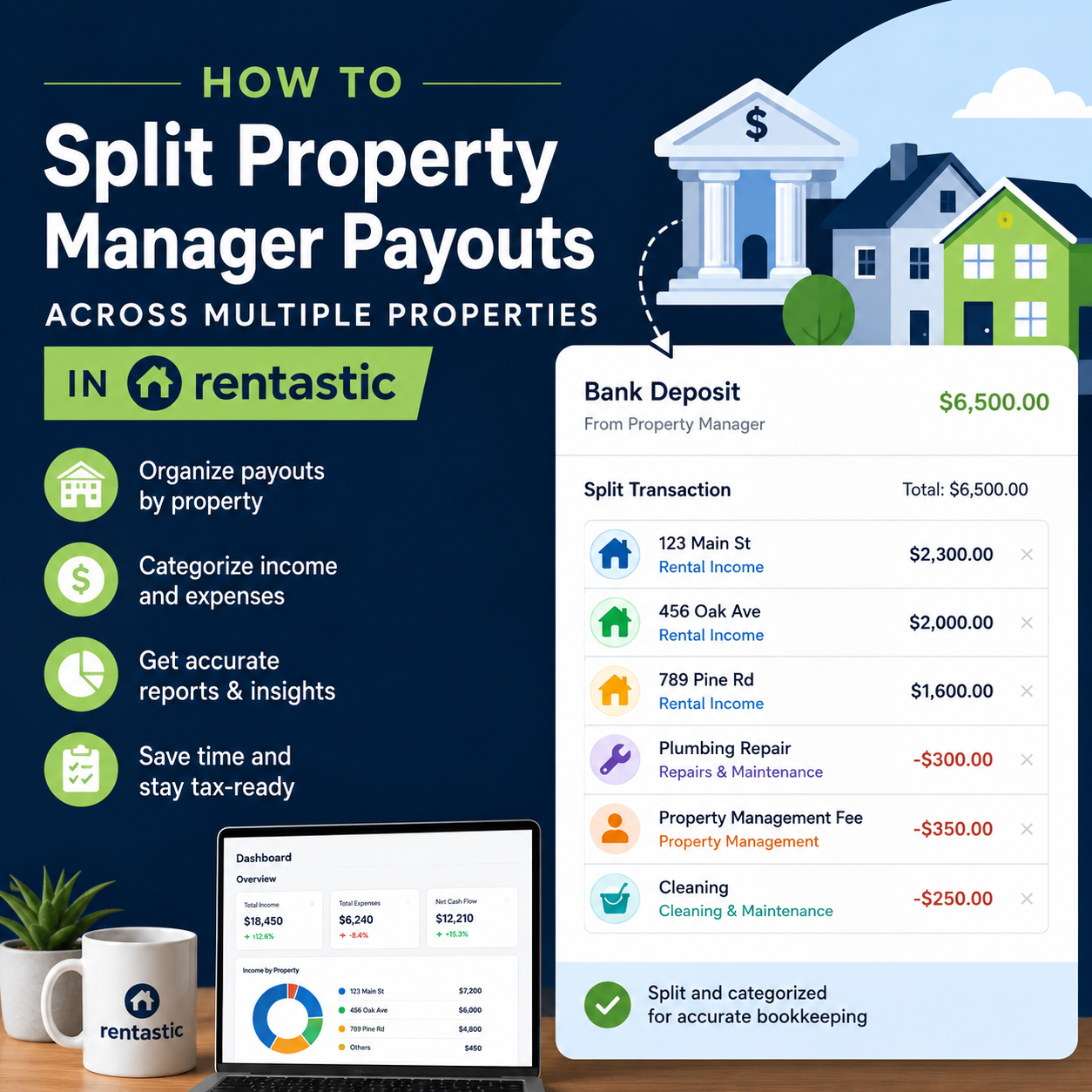
With Rentastic, landlords and real estate investors can organize rental property income and expenses, categorize transactions, and review property performance without relying on scattered spreadsheets and receipts.
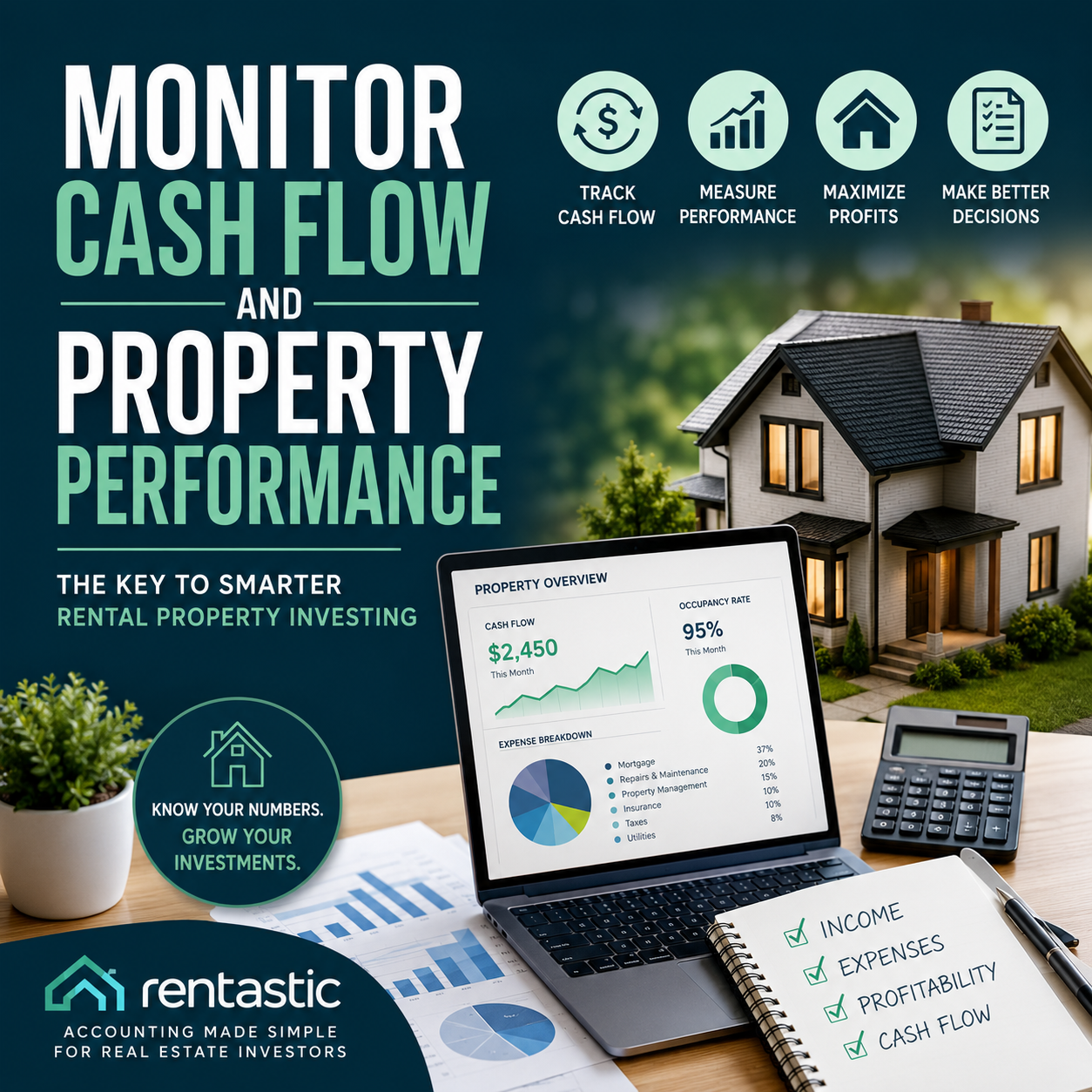
Tracking expenses by property can help you see whether maintenance costs are increasing and understand how repairs are affecting your overall cash flow.
Over time, your transaction history can also help you create more realistic budgets based on your actual rental property expenses.
Visit Rentastic.io to learn more about simplifying your rental property accounting.
Repairs are part of owning rental property.
The mistake isn't having a broken appliance, leaking pipe, or aging HVAC system. The bigger financial problem is having no plan for paying for it.
A strong rental property budget should account for routine maintenance, unexpected repairs, major future replacements, and emergency reserves.
Instead of waiting for something to break and wondering where the money will come from, build repair costs into your property's financial plan from the beginning.
Budget before the repair happens. Track what you actually spend. Adjust your numbers every year.
That's how unexpected maintenance becomes a manageable business expense rather than a cash-flow emergency.
RECENT POSTS


© 2025 Rentastic
Rentastic is registered as a trademark. Terms and conditions, features, support, pricing, and service options subject to change without notice.






















.png)

























.png)








Comments