
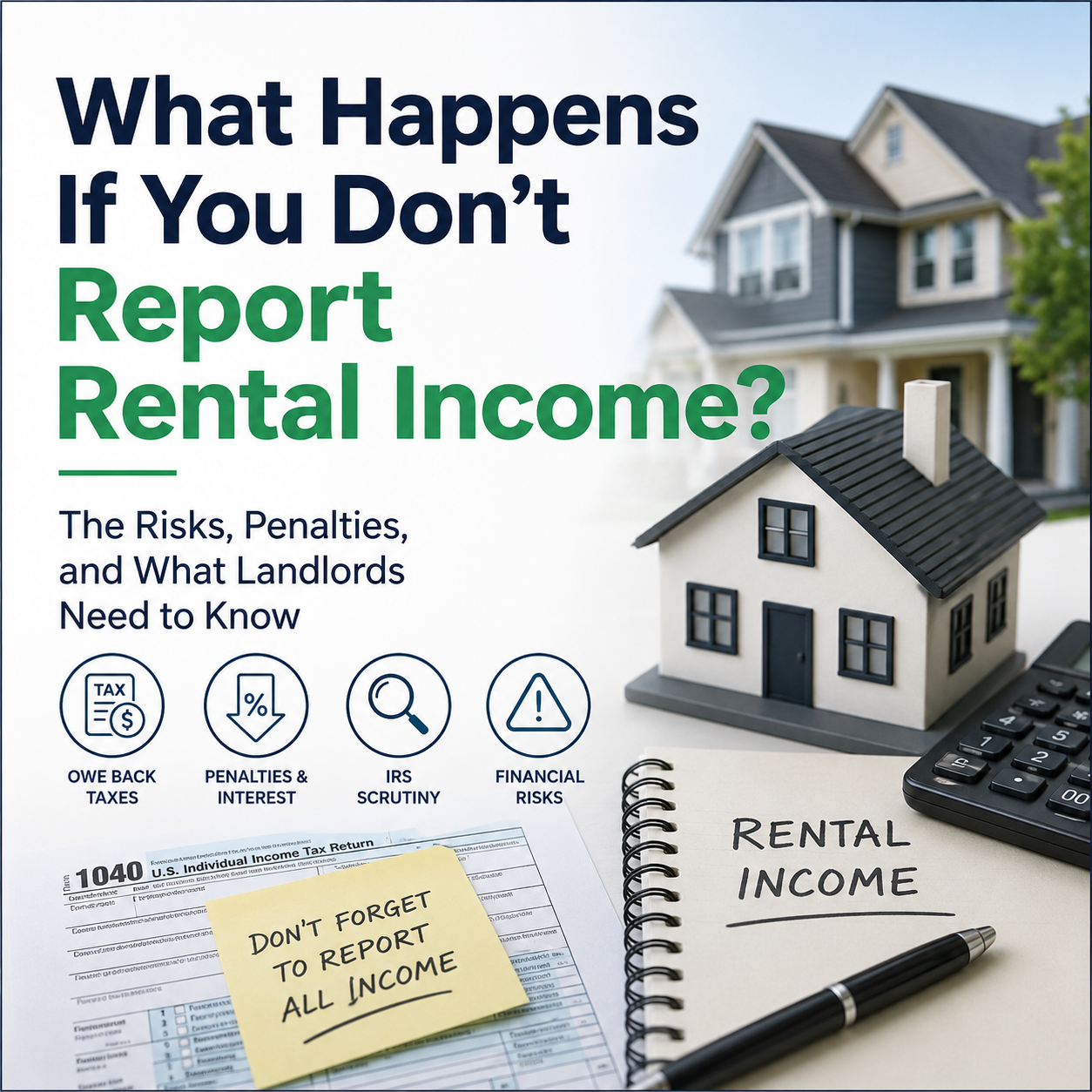
Whether you rent out a single-family home, apartment, vacation property, or part of your own residence, failing to properly report taxable rental income can lead to penalties, interest, additional taxes, and potentially greater IRS scrutiny.
Here's what landlords and real estate investors should know about unreported rental income and why accurate bookkeeping matters.
In most cases, rental income must be reported on your federal income tax return.
Rental income can include more than just the monthly rent you receive from tenants. Depending on the circumstances, it may also include:
For many individual rental property owners, rental income and eligible expenses are reported on Schedule E (Form 1040).
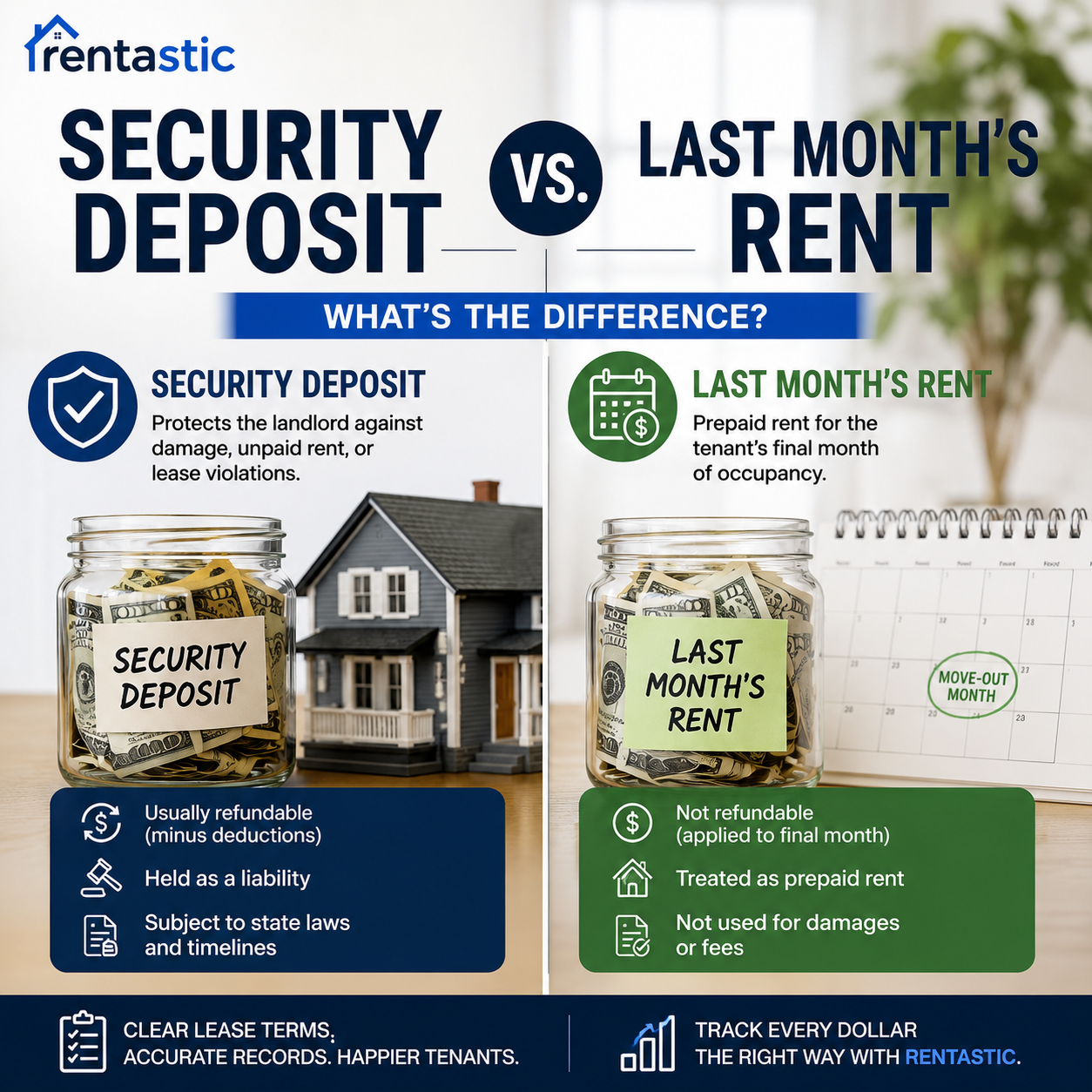
Not every payment you receive is necessarily taxable rental income. For example, a refundable security deposit generally isn't treated as income when received if you intend to return it to the tenant.
If rental income that should have been reported is left off your tax return, several consequences may follow.
If unreported rental income increases your taxable income, the IRS may determine that you owe additional federal income tax.
The amount will depend on factors such as the amount of income that wasn't reported, your deductible rental expenses, and your overall tax situation.
If you owe additional tax, interest generally accrues on the unpaid balance.
This means waiting to correct an error can potentially make the total amount owed larger over time.
Depending on the circumstances, penalties may apply to an underpayment of tax.
The severity can vary based on factors such as the size of the understatement and whether the issue resulted from negligence, a substantial understatement, or intentional conduct.
An accidental bookkeeping mistake is different from intentionally hiding rental income, but either situation should be addressed rather than ignored.
Landlords shouldn't assume that income is invisible simply because it wasn't included on their tax return.
Financial information may appear through different records or reporting channels, including:
Keeping accurate records makes it much easier to explain your rental activity and support the numbers reported on your return.
Mistakes happen. A landlord may discover an old payment, overlook income from a property, or realize that transactions were categorized incorrectly.
If you've already filed your return and later discover missing rental income, you may be able to correct the issue by filing an amended tax return.
Because every tax situation is different, consider speaking with a qualified tax professional or CPA before making corrections—especially when multiple tax years or significant amounts are involved.
Reporting rental income doesn't necessarily mean paying tax on every dollar of rent collected.
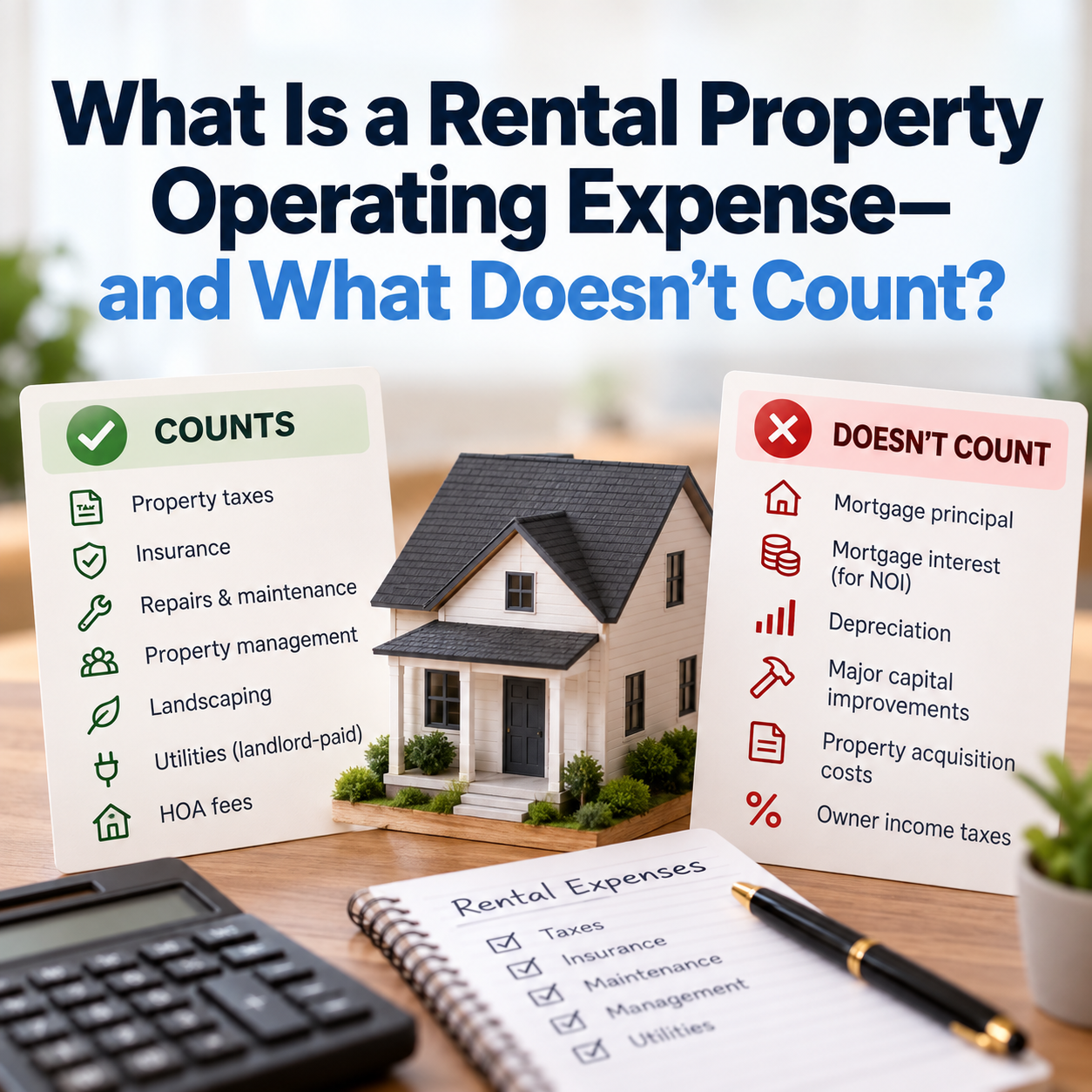
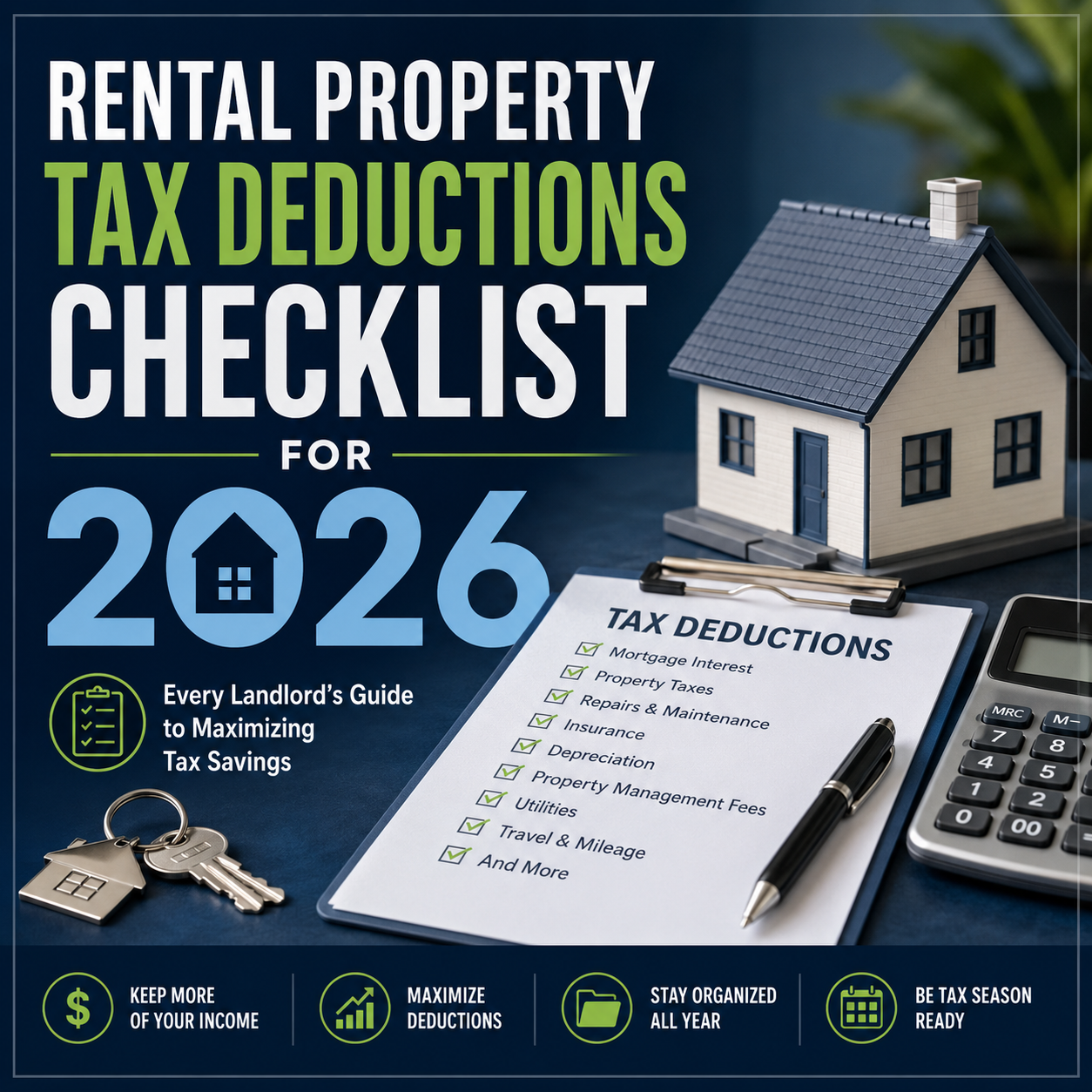
Landlords may be able to deduct qualifying expenses associated with operating and maintaining a rental property, such as:
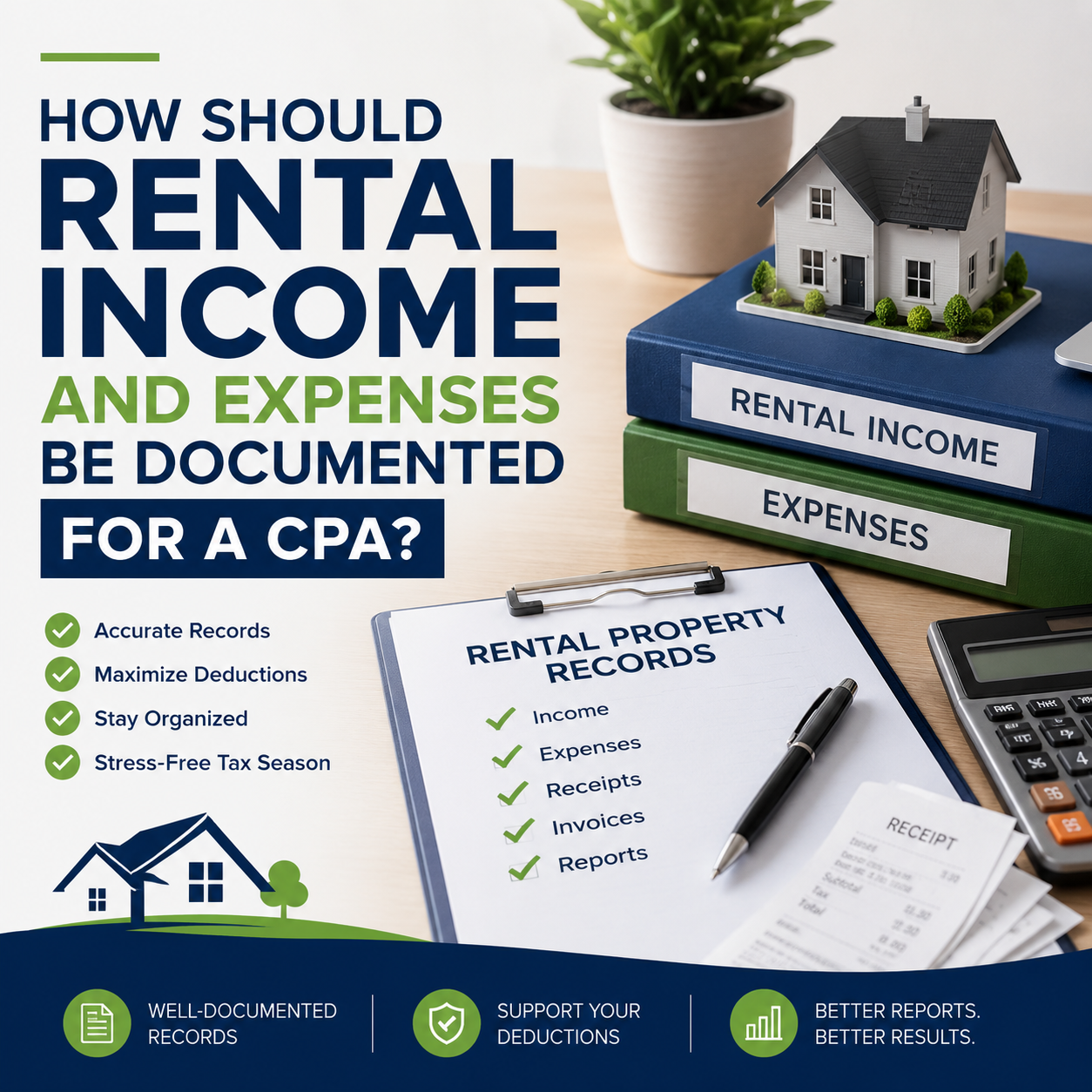
Proper bookkeeping is important because accurate expense records can help you calculate your rental property's taxable income correctly.
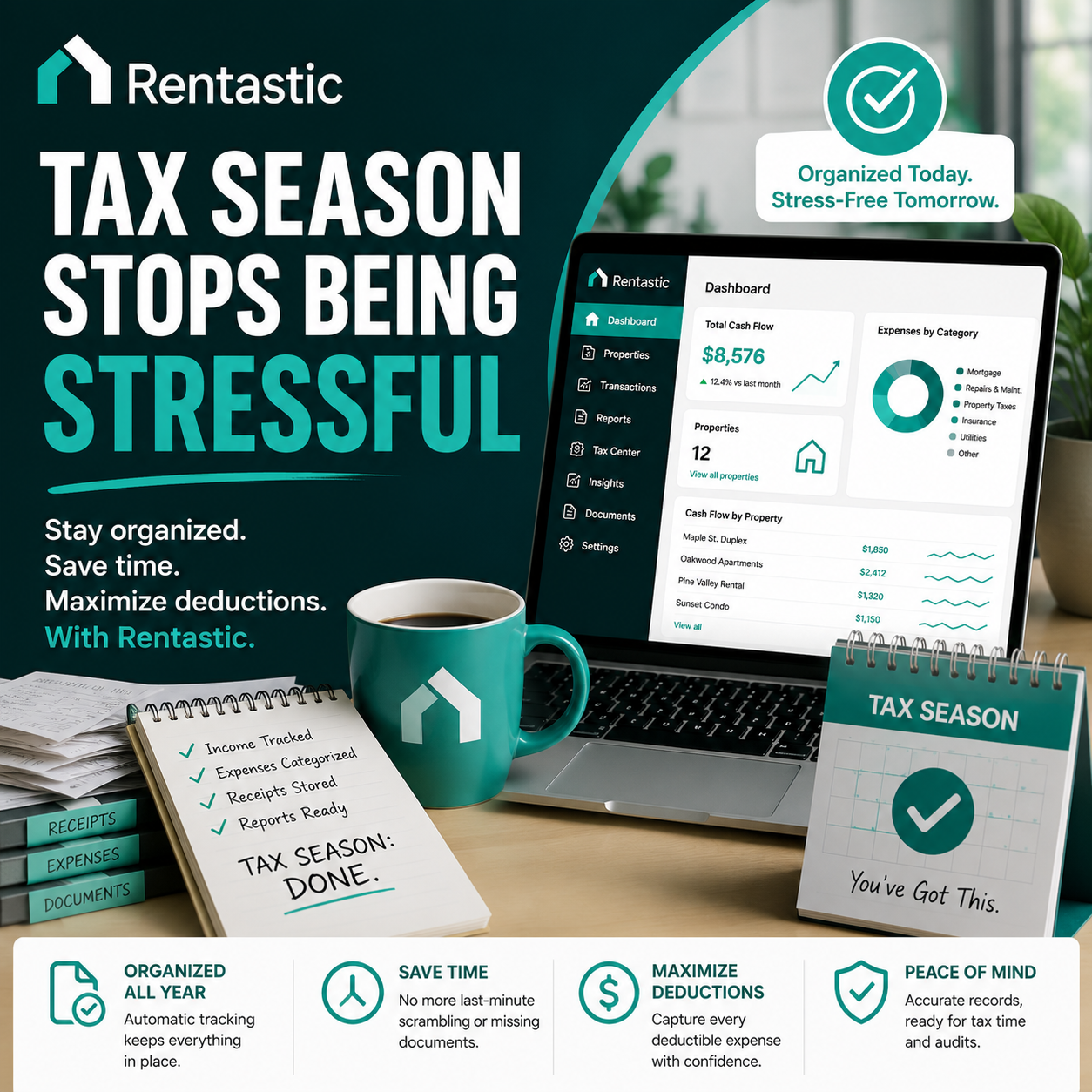
One of the easiest ways for landlords to run into tax problems is to wait until tax season to organize an entire year's worth of transactions.
Keeping your rental finances organized throughout the year can help you:
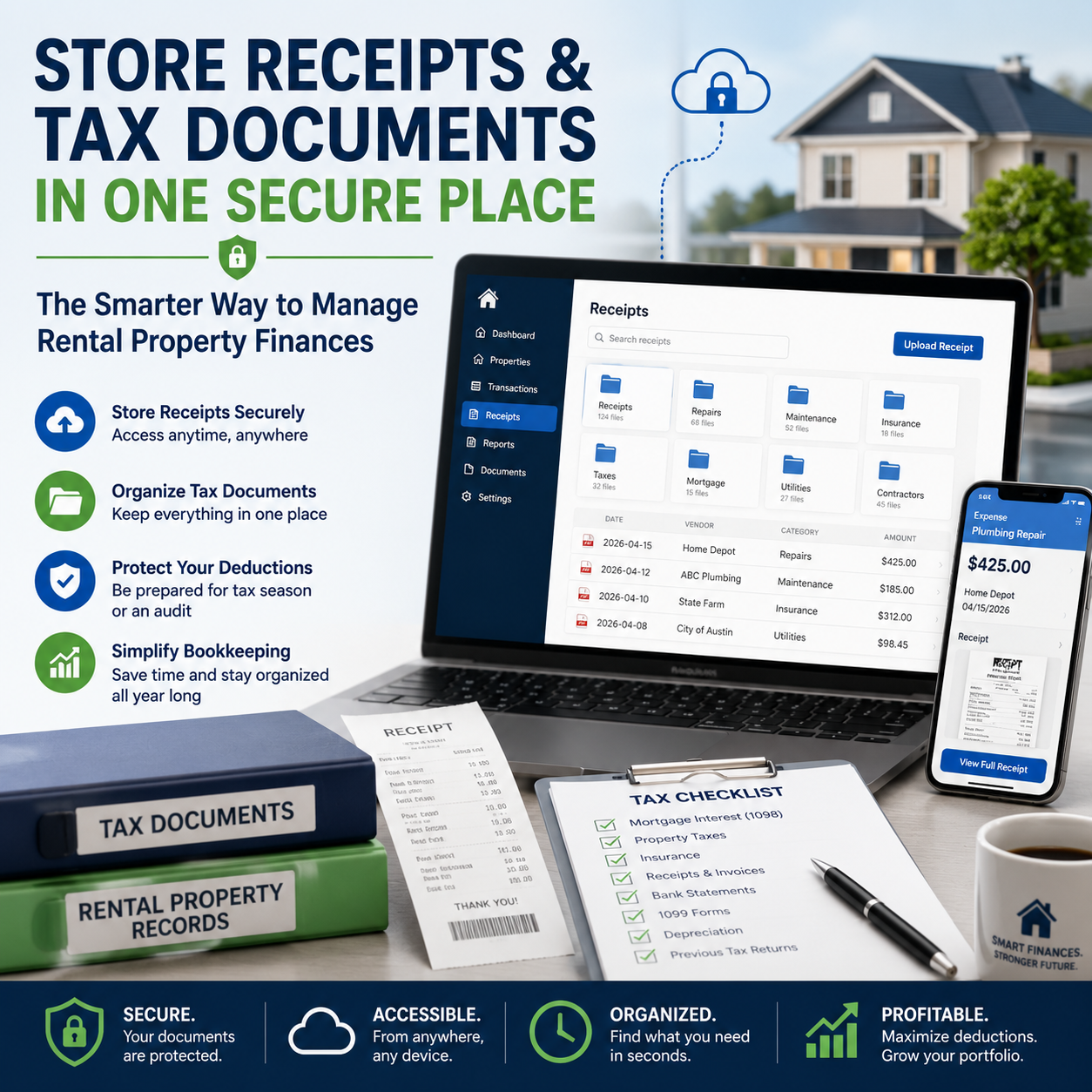
Instead of sorting through bank statements, spreadsheets, and piles of receipts at the last minute, landlords can maintain organized financial records as transactions occur.
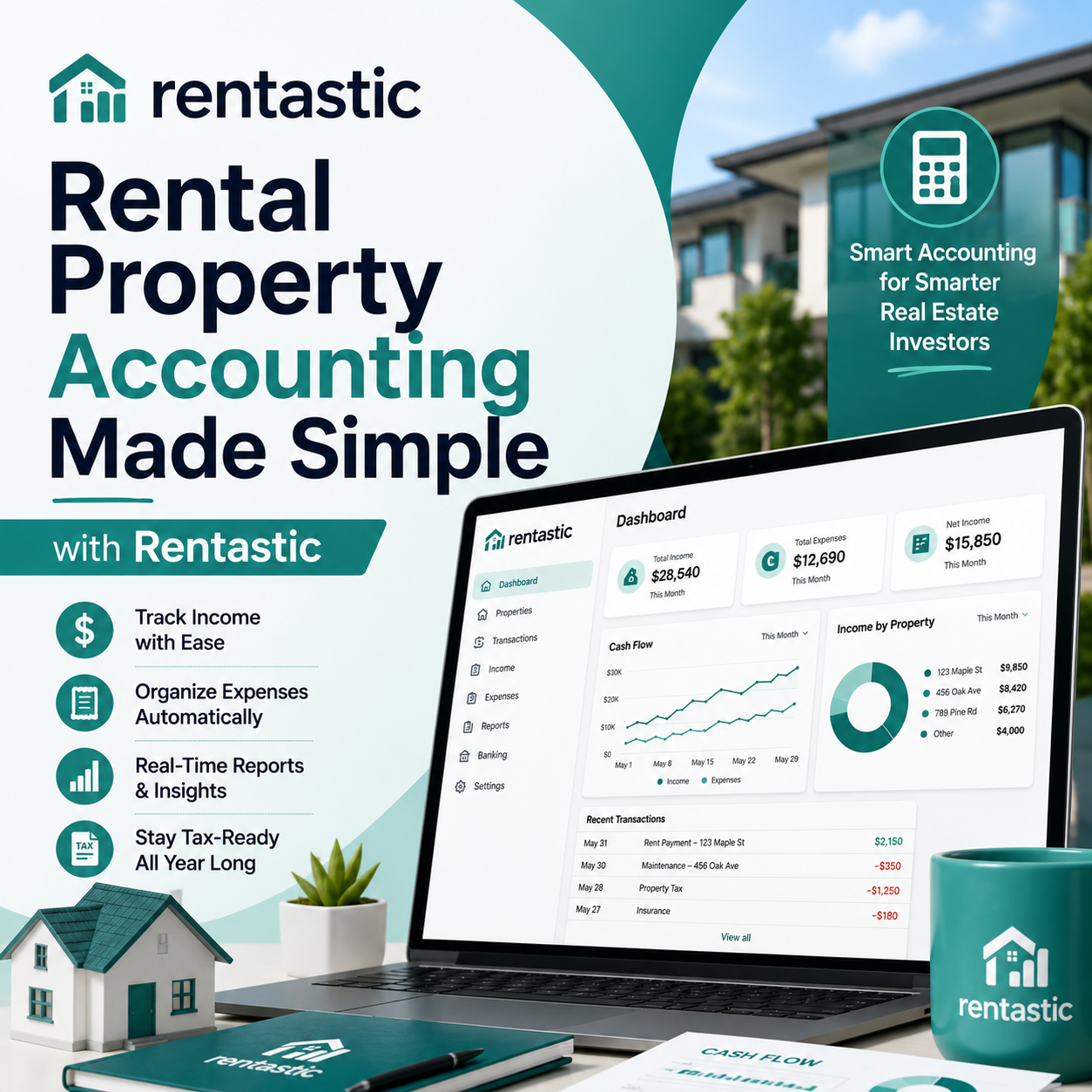
Rentastic helps rental property owners simplify their bookkeeping by keeping rental income, expenses, properties, and financial records organized in one place.
With better records throughout the year, landlords can spend less time trying to reconstruct their finances at tax time and have clearer information to share with their tax professional.
Accurate bookkeeping isn't just about preparing a tax return—it's about understanding how your rental properties are performing and maintaining reliable records for your real estate business.
Failing to report taxable rental income can become expensive. Back taxes, interest, penalties, and additional IRS scrutiny can turn a bookkeeping oversight into a much larger problem.
The better approach is to track income and expenses consistently, maintain supporting documentation, and report rental activity accurately.
If you discover that rental income was left off a previously filed return, don't ignore it. Consider working with a CPA or qualified tax professional to determine the appropriate way to correct the issue.
Disclaimer: This article is for general informational purposes only and is not tax, legal, or financial advice. Tax rules can change, and individual circumstances vary. Consult a qualified tax professional regarding your specific situation.
RECENT POSTS


© 2025 Rentastic
Rentastic is registered as a trademark. Terms and conditions, features, support, pricing, and service options subject to change without notice.

































.png)































.png)

Comments