

Owning a rental property can generate steady income, but rental income doesn't always mean steady cash flow. A broken HVAC system, unexpected plumbing repair, insurance deductible, or vacant month can quickly put pressure on a landlord's finances.
That's why maintaining a rental property cash reserve is an important part of managing an investment property.
But how much cash should a landlord actually keep in reserve?
There isn't one number that works for every property. Your ideal reserve depends on your monthly expenses, the property's age and condition, vacancy risk, insurance coverage, and upcoming repairs. However, landlords can use several practical guidelines to determine an appropriate reserve for each rental.
A rental property cash reserve is money set aside specifically for unexpected expenses and temporary income shortfalls associated with a rental property.
Think of it as your property's financial safety net.
Instead of using personal savings or relying on credit when something goes wrong, you can use the reserve to cover expenses such as:
A reserve can also help cover mortgage payments, property taxes, insurance, utilities, and other operating expenses when rental income is temporarily interrupted.
A common starting point is to keep approximately three to six months of essential property expenses available for each rental property.
For example, suppose a rental property's essential monthly costs are:
Mortgage: $1,400
Property taxes and insurance: $450
Maintenance allowance: $150
Other essential expenses: $200
That's approximately $2,200 per month.
Using a three-to-six-month reserve guideline, the landlord might target approximately:
3 months: $6,600
6 months: $13,200
This isn't a universal rule. Some properties may justify a smaller reserve, while higher-risk properties may require considerably more.
Some landlords prefer to build reserves gradually by setting aside a percentage of the rent they collect.
For example, a landlord might allocate 5% to 10% of monthly rental income toward a property reserve until the desired reserve balance has been reached.
If a property generates $2,500 in monthly rent, setting aside 10% would contribute:
$250 per month
Over a year, that's $3,000 added to the property's reserve.
This method can make reserve building easier because it becomes part of the property's normal monthly cash-flow routine.
Your reserve should reflect the actual risks and expenses associated with your property.
Older properties may require larger reserves because major systems and components may be closer to replacement.
Consider the age and condition of the:
A recently renovated property with newer systems may have fewer near-term capital expenses than a property that hasn't been updated in decades.
Properties with larger mortgage payments, taxes, insurance premiums, HOA fees, or other fixed expenses generally require larger reserves.
Ask yourself:
If this property produced no rent for several months, how much cash would I need to keep everything paid?
That number provides a useful starting point for determining your reserve.
Vacancies can create a double financial burden.
Rental income stops while many property expenses continue.
Landlords in markets with longer average vacancy periods may want additional reserves. The same may apply to properties with seasonal demand or tenants whose leases expire during slower rental periods.
Your emergency reserve should also account for your insurance deductible.
If your property insurance policy has a $5,000 deductible, having only $2,000 available in cash could leave you underprepared after a covered loss.
Review your policy and consider whether you could comfortably pay the deductible today.
Cash reserves shouldn't be limited to unexpected emergencies.
Some major expenses are predictable even if you don't know exactly when they'll happen.
For example, if you know an aging HVAC system or roof may need replacement within the next few years, you can begin building that expense into your reserve strategy now.
Imagine you own a rental property that generates $2,800 per month in rent.
Your essential monthly expenses total $2,000.
A six-month operating reserve would therefore be:
$2,000 × 6 = $12,000
You also know that the property's water heater is getting older and may need replacement soon.
Rather than treating your $12,000 operating reserve as money available for every possible expense, you could maintain separate targets:
Operating reserve: $12,000
Future capital expense fund: Additional savings based on anticipated repairs
This approach helps prevent one large repair from completely draining the property's emergency fund.
If you own multiple rentals, you can maintain separate reserves for each property or manage a larger portfolio-level reserve.
Tracking reserves by property has one major advantage: it makes it easier to understand the financial health of each investment.
For example, Property A may have a newer roof and HVAC system, while Property B may need significant repairs within the next two years.
Even if both properties generate similar rent, their appropriate reserve amounts may be very different.
Cash reserves and maintenance budgets serve related but different purposes.
Maintenance budget: Money allocated for routine and expected expenses, such as landscaping, minor repairs, pest control, and servicing equipment.
Cash reserve: Money held for larger unexpected expenses, vacancies, emergencies, or temporary cash-flow shortages.
Ideally, landlords should plan for both.
If every routine maintenance bill comes out of your emergency reserve, your reserve may slowly disappear before a true emergency occurs.
Emergency reserves should generally be kept somewhere relatively liquid and accessible.
The goal isn't necessarily to maximize investment returns. The money needs to be available when the property needs it.
Depending on your financial setup, this could include a dedicated business checking account, savings account, or another liquid account.
Keeping rental reserves separate from personal spending can also make it easier to understand how much money is actually available for the property.
One common mistake is assuming that a profitable month means all remaining cash can be withdrawn.
Suppose your rental collects $3,000 and expenses total $2,300.
You might see the remaining $700 as profit.
But if the property's reserve is underfunded, some of that cash may need to stay in the business.
A property can look profitable on paper while still being financially vulnerable to a major repair or vacancy.
Instead of waiting for an emergency to start saving, treat reserve contributions as part of your regular rental property budgeting process.
Each month, you can divide rental income among:
Once your reserve reaches its target, you can adjust how much you contribute based on upcoming expenses and the property's condition.
Your ideal reserve isn't static.
Review it periodically, especially after:
If your property's monthly expenses rise significantly, a reserve established several years ago may no longer provide the same protection.
Knowing how much cash to keep in reserve starts with knowing exactly where your rental property money is going.
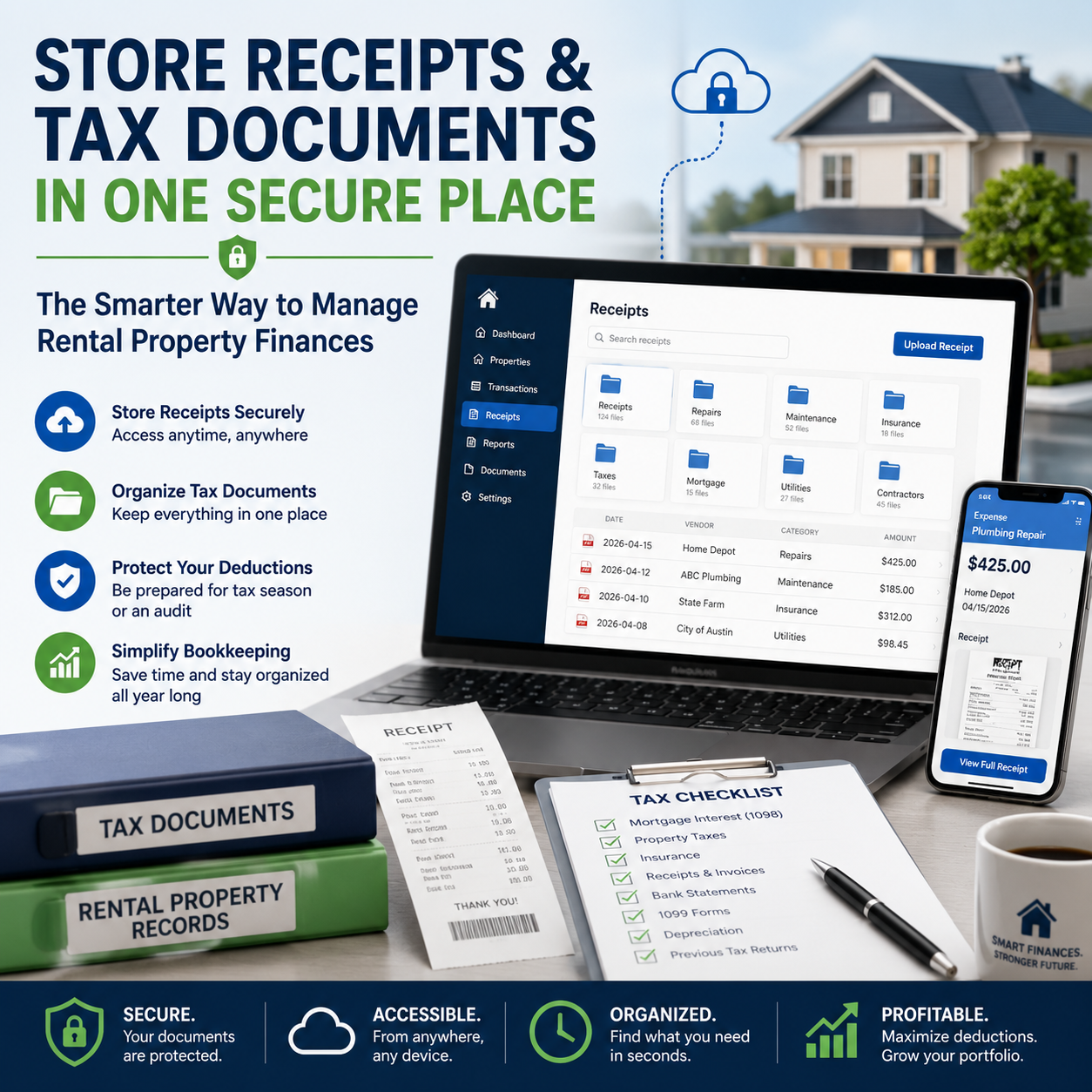
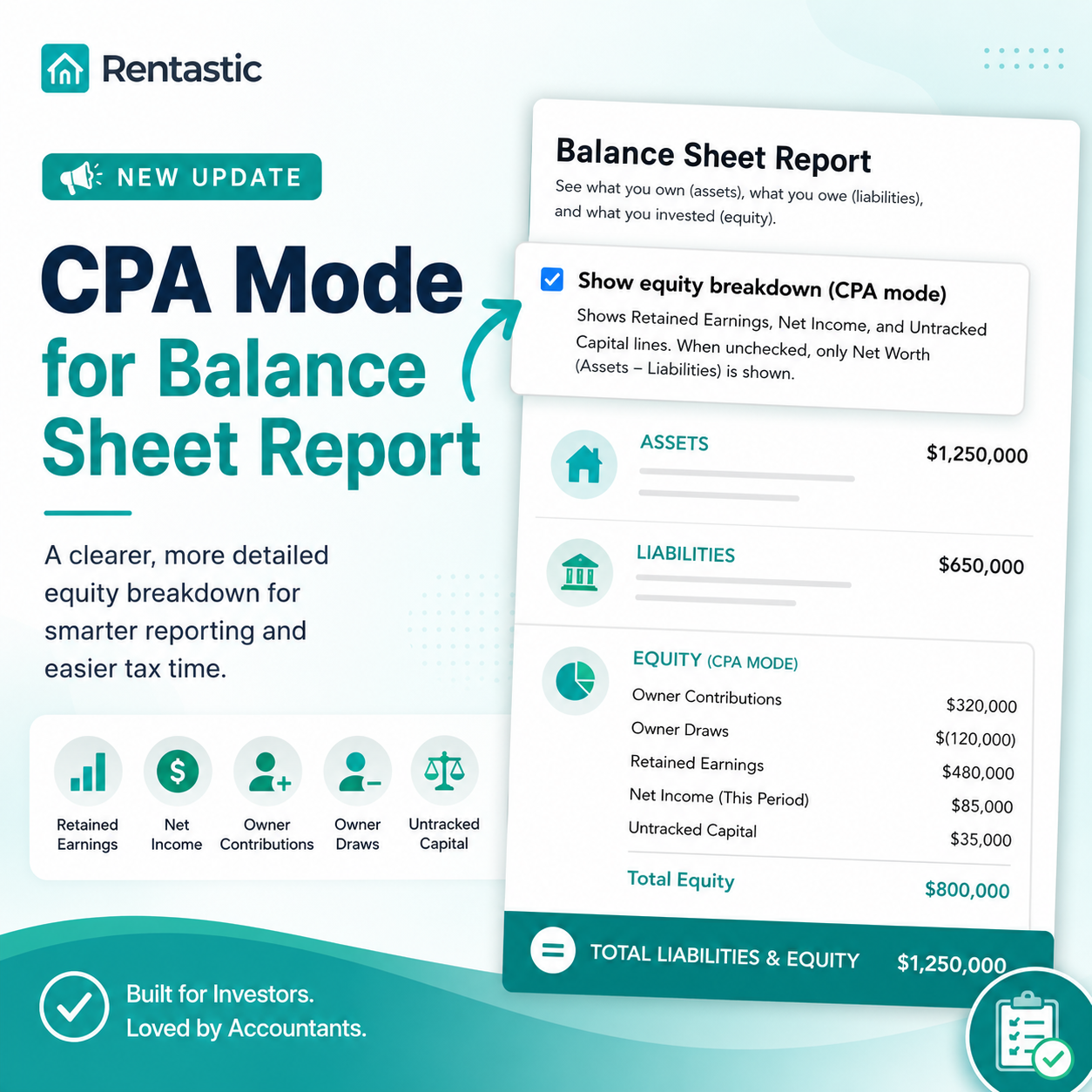
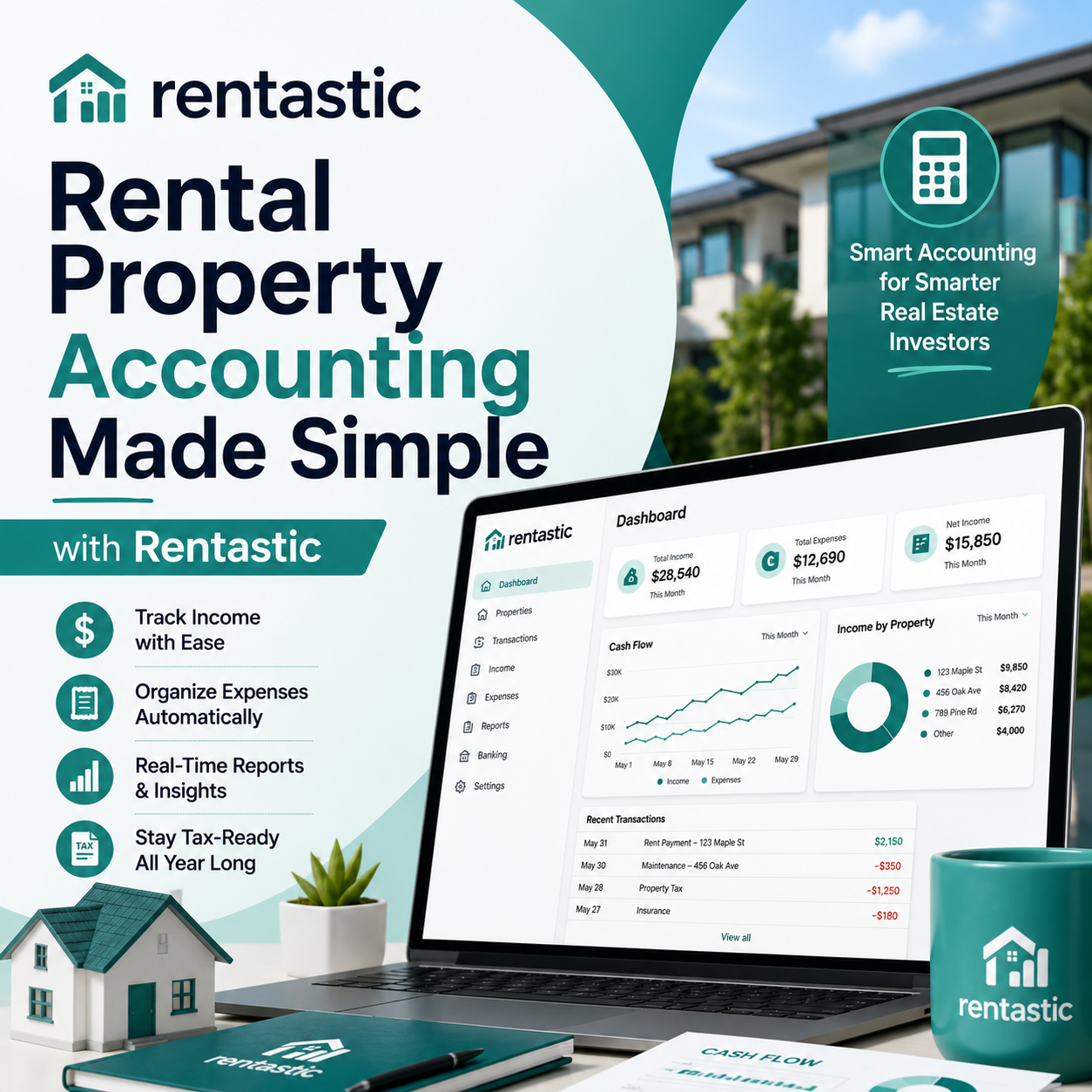
Rentastic helps landlords and real estate investors organize rental income and expenses, categorize transactions, monitor property performance, and keep financial records organized in one place.
When you can clearly see your property's income, expenses, and cash flow, it's easier to determine how much money should stay available for emergencies and future expenses.
Instead of wondering whether your rental can handle the next unexpected repair, you can make decisions based on your actual property finances.
So, how much cash reserve should a landlord keep per rental property?
A practical starting point is approximately three to six months of essential property expenses, but the right amount depends on the property.
Older buildings, higher fixed expenses, larger insurance deductibles, upcoming capital expenditures, and greater vacancy risk may justify keeping more cash available.
The goal isn't simply to accumulate a large amount of cash. It's to maintain enough liquidity so that an unexpected repair, vacancy, or major expense doesn't disrupt your investment strategy.
A well-funded reserve gives your rental property room to handle surprises—and helps you manage the property with greater financial stability.


© 2025 Rentastic
Rentastic is registered as a trademark. Terms and conditions, features, support, pricing, and service options subject to change without notice.























.png)



























.png)













Comments