
Owning a rental property that generates income doesn't automatically mean you have a highly profitable investment.
A property might collect $2,500 in rent every month, but after paying for maintenance, insurance, property taxes, management fees, vacancies, and other operating expenses, the amount you actually keep can look very different.
That’s why landlords should pay attention to rental property profit margin.
Profit margin helps you understand how much of your rental income remains after expenses. More importantly, tracking it over time can reveal whether your property is becoming more profitable—or slowly becoming more expensive to operate.
So, what is a good profit margin for a rental property? There isn't one percentage that works for every landlord, but understanding how the number is calculated can help you set a realistic target for your portfolio.
Rental property profit margin measures the percentage of your rental income that remains after certain expenses are deducted.
A simple formula is:
Profit Margin = (Profit ÷ Rental Income) × 100
For example, imagine a rental property generates $30,000 in annual rental income and has $18,000 in annual expenses.
Your profit would be:
$30,000 − $18,000 = $12,000
Your profit margin would then be:
($12,000 ÷ $30,000) × 100 = 40%
In this simplified example, the property keeps about 40 cents of every rental-income dollar after the expenses included in the calculation.
But there is an important catch: landlords need to be consistent about what they count as an expense.
Your calculation becomes much more useful when you account for the real costs of operating the property.
Depending on the property, expenses may include:
You may also want to track mortgage payments separately.
Why?
Because operating profit and cash flow answer different questions. Mortgage principal, for example, reduces the cash in your bank account but also increases your equity in the property.
For that reason, landlords may benefit from monitoring both an operating margin and their actual cash-flow margin after debt service.
There is no universal profit-margin percentage that every rental property should achieve.
A reasonable target depends on factors such as:
Property type: A single-family rental may have a very different expense structure from a multifamily property.
Location: Property taxes, insurance premiums, labor, utilities, and maintenance costs can vary significantly between markets.
Financing: Two identical properties can generate very different cash flow if one has a large mortgage and the other has little or no debt.
Property age: Older properties may require more frequent repairs and capital improvements.
Management strategy: Self-managing can reduce management expenses, but it requires more of the owner's time.
Instead of treating one percentage as the definition of a "good" rental, landlords should compare their margin against the property's historical performance, original projections, similar investments, and their own financial objectives.
Real estate investors sometimes use the 50% rule as a quick screening tool.
The rule assumes that approximately half of a property's rental income may eventually go toward operating expenses, excluding mortgage payments.
For example, if a property collects $2,000 per month in rent, the rule might estimate roughly $1,000 per month for operating expenses.
But the 50% rule is only a rough estimate.
Your actual costs could be considerably higher or lower depending on taxes, insurance, maintenance, vacancy, utilities, and the property itself.
Once you own a rental, your real transaction data is much more useful than a general rule of thumb.
Suppose your rental produces:
Annual rental income: $36,000
Your annual operating expenses are:
Property taxes: $4,500
Insurance: $1,800
Repairs and maintenance: $3,000
Property management: $3,600
HOA and miscellaneous expenses: $1,500
Vacancy-related loss: $1,800
Total expenses:
$16,200
Operating profit:
$36,000 − $16,200 = $19,800
Operating profit margin:
$19,800 ÷ $36,000 × 100 = 55%
The property therefore has a 55% operating profit margin based on these assumptions.
However, suppose the property also requires $14,400 in annual mortgage payments.
Your remaining cash flow would be approximately:
$19,800 − $14,400 = $5,400
That is why a property can have a healthy operating margin while producing much less spendable cash for the owner.
Profit margin and cash flow are closely related, but they shouldn't be treated as interchangeable.
Profit margin tells you how efficiently your rental income translates into profit based on the expenses included in your calculation.
Cash flow tells you how much money is actually left after cash coming in and cash going out during a specific period.
A property can look profitable on an operating basis but have tight cash flow because of a large mortgage payment or unexpected capital expenses.
Landlords should monitor both.
Cap rate measures a property's net operating income relative to its value or purchase price.
The formula is:
Cap Rate = Net Operating Income ÷ Property Value × 100
Profit margin, on the other hand, compares profit with rental income.
That means these metrics answer different questions.
Cap rate can help you evaluate the property's income-generating performance relative to its value, while profit margin helps show how much of the property's revenue survives its expenses.
A landlord might collect the same monthly rent for an entire year and still see profitability decline.
For example, your rent might remain at $2,500 per month while:
Revenue hasn't changed, but expenses have.
Your profit margin shrinks.
This is one reason landlords shouldn't evaluate performance based only on rent collected.
Improving profit margin doesn't necessarily mean immediately raising rent.
Start by understanding where your money is going.
Review your expenses by category and compare them with previous months and years. A noticeable increase in repairs, utilities, insurance, or management costs may deserve closer investigation.
Landlords can also look for opportunities to reduce recurring costs without sacrificing property quality.
Preventive maintenance can help reduce the risk of larger repairs. Improving tenant retention may reduce turnover and vacancy expenses. Reviewing insurance and vendor costs periodically may uncover savings.
When market conditions and local regulations allow, landlords can also evaluate whether current rent remains appropriate for the property and market.
The goal isn't simply to maximize rent. It's to manage the relationship between income, expenses, and long-term property performance.
If you own multiple rentals, portfolio-level numbers can hide underperforming properties.
Imagine you own three rentals:
Property A: 52% operating margin
Property B: 43% operating margin
Property C: 18% operating margin
Looking only at total portfolio income might make everything appear fine.
But Property C deserves attention.
Maybe it has unusually high maintenance expenses. Maybe insurance increased substantially. Maybe vacancies are hurting revenue. Or perhaps the property's financing makes cash flow difficult.
Tracking income and expenses by property makes these differences easier to identify.
One of the easiest ways to overestimate rental profitability is to focus only on routine monthly expenses.
Rental properties eventually need larger expenditures.
You may need to replace a roof, HVAC system, water heater, appliances, flooring, or other major components.
These costs don't necessarily occur every year, but they are part of owning real estate.
Maintaining adequate cash reserves can help prevent one major repair from creating a financial emergency.
Benchmarks can be useful when evaluating a potential investment, but your actual financial records should become more important once you own the property.
Instead of asking only:
"Is my profit margin good?"
Consider asking:
"Is my profit margin improving or declining?"
If your margin was 48% last year and falls to 36% this year, the change may be more important than whether either number fits a generic benchmark.
Look at what changed.
Did insurance increase?
Were repairs unusually high?
Did the property experience more vacancy?
Did taxes rise?
Are management or utility expenses growing faster than rent?
Understanding the reason behind the change gives you something you can actually act on.
Calculating profitability becomes much easier when your rental income and expenses are organized in one place.
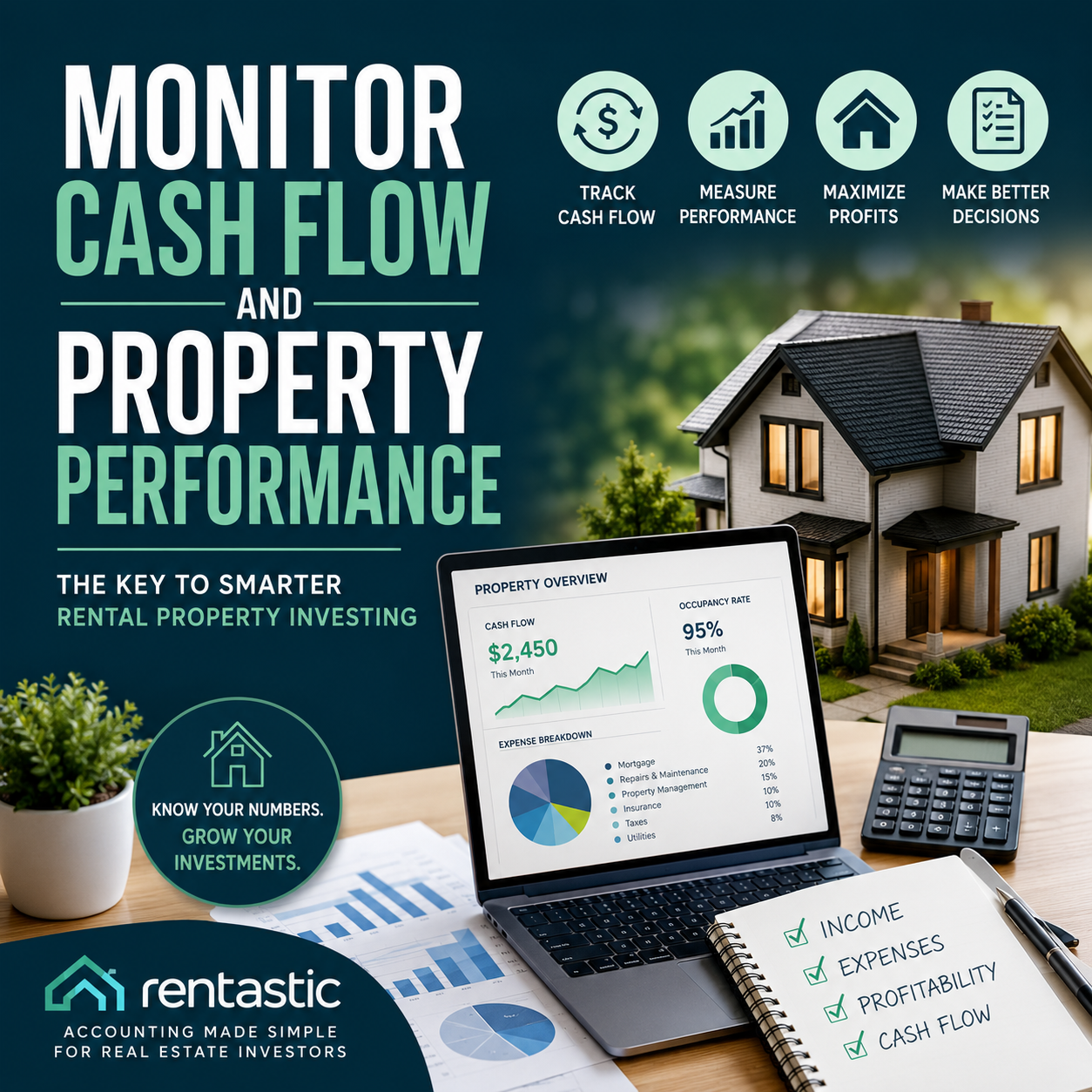
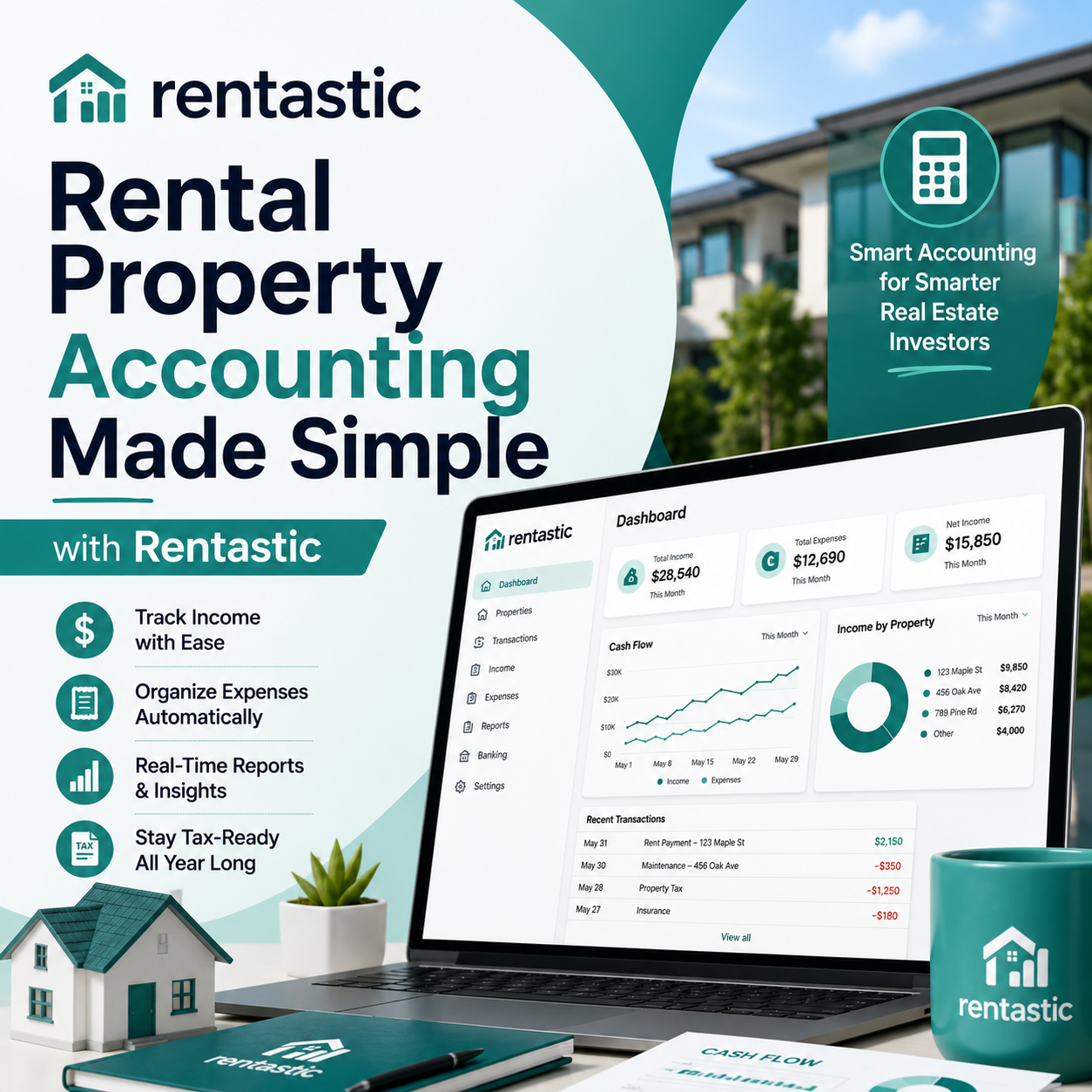
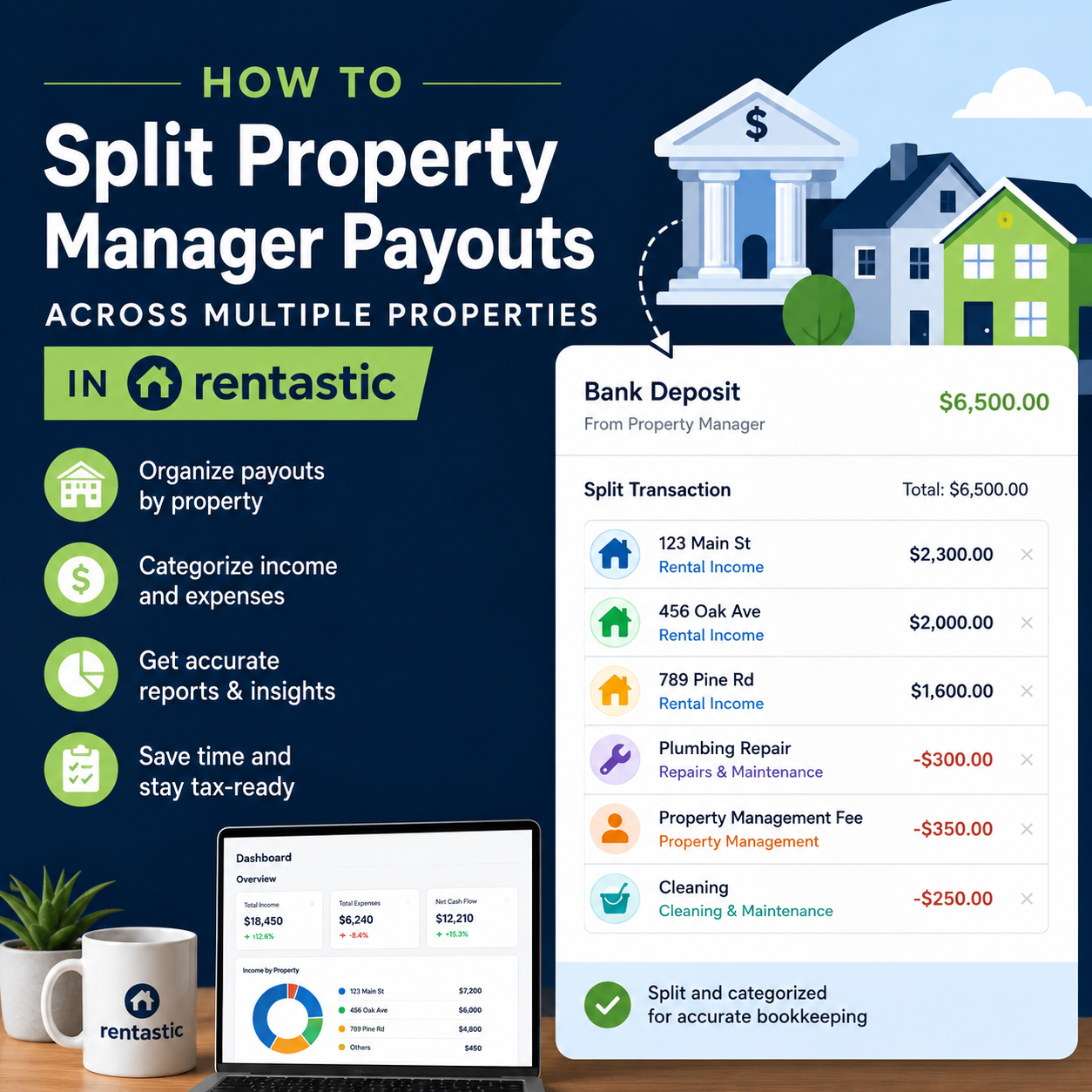
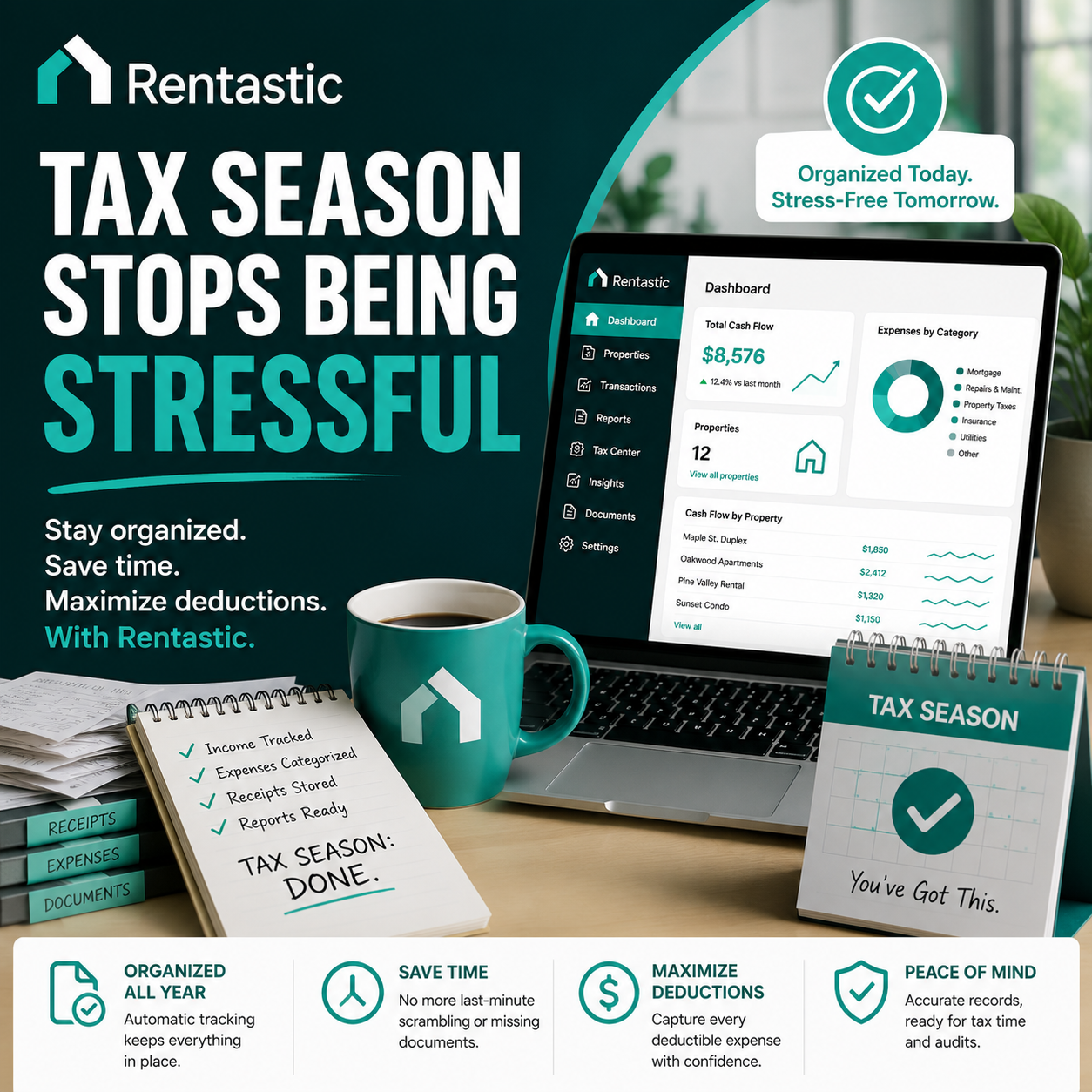
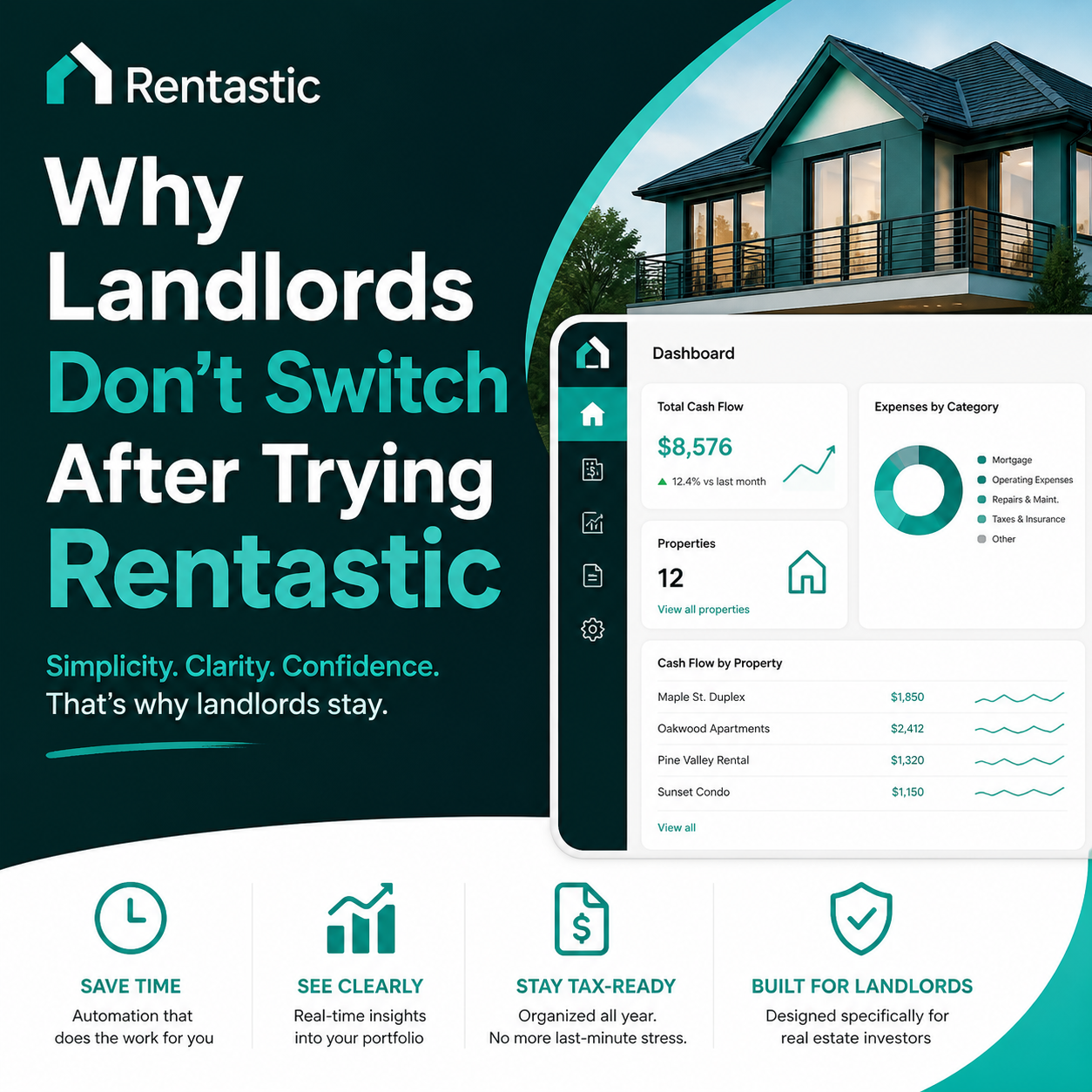
Rentastic helps real estate investors track rental property income and expenses, organize transactions by property, and monitor the financial performance of their portfolio.
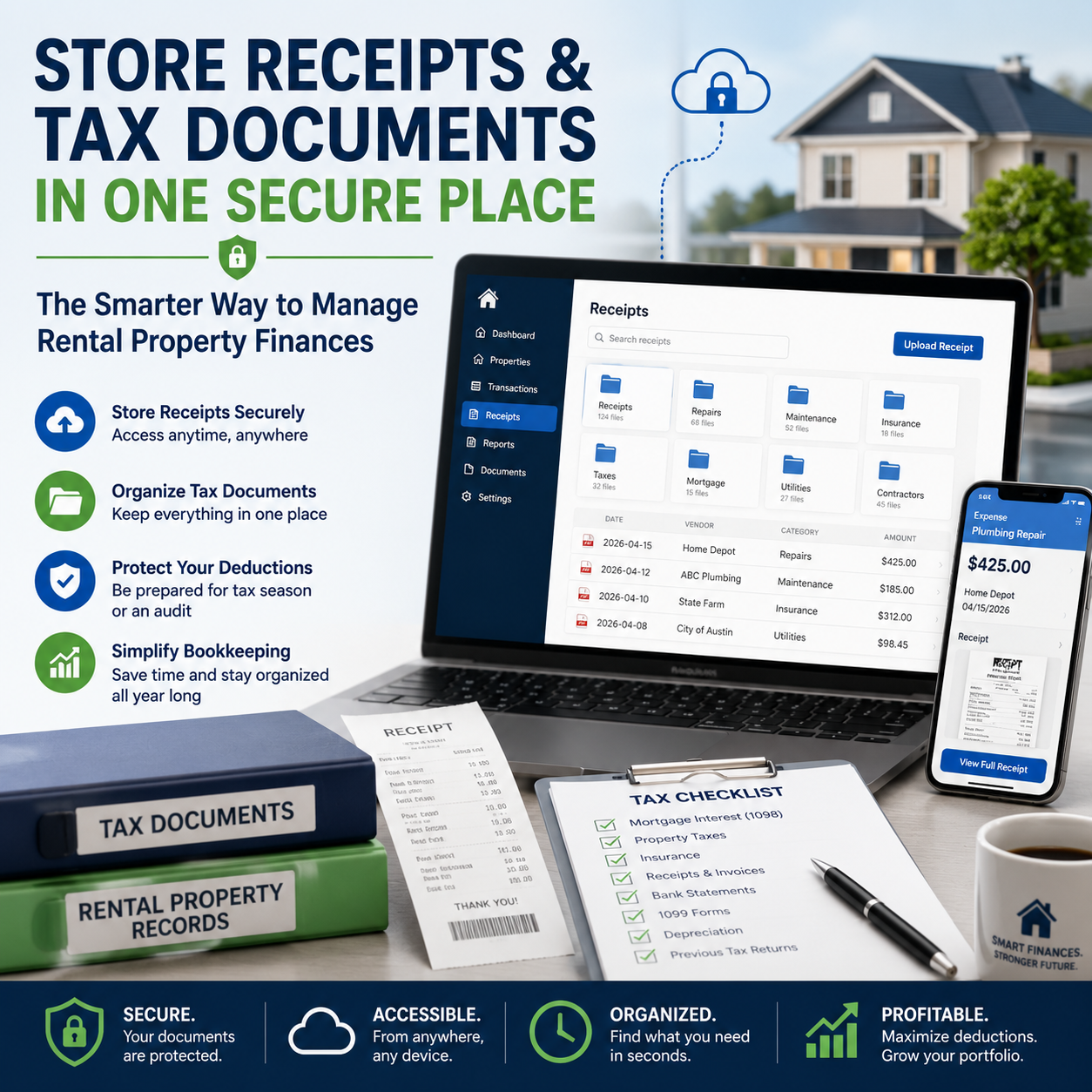
Instead of relying on scattered spreadsheets, receipts, and bank statements, you can maintain clearer records and get a better picture of where your rental income is going.
As your portfolio grows, this becomes increasingly important.
A property producing a lot of revenue isn't necessarily your most profitable property—and a smaller rental may quietly be producing stronger margins.
There isn't a single rental property profit margin that every landlord should aim for.
The right target depends on your market, property type, expenses, financing, investment strategy, and long-term goals.
What matters most is understanding exactly how much income your property generates, how much it costs to operate, and how those numbers change over time.
Calculate your margin consistently. Compare properties individually. Watch for rising expenses. Maintain reserves for larger costs. And don't rely on rent alone to tell you whether your investment is performing well.
The better you understand the numbers behind your rental, the easier it becomes to make informed decisions about your portfolio.
RECENT POSTS


© 2025 Rentastic
Rentastic is registered as a trademark. Terms and conditions, features, support, pricing, and service options subject to change without notice.

















.png)



























.png)









Comments