

Owning multiple rental properties is a great way to build long-term wealth. But as your portfolio grows, managing your finances becomes more complicated.
One property might generate consistent monthly profits, while another struggles with rising maintenance costs, vacancies, or mortgage payments. When all your rental income and expenses are combined, it's easy to overlook these differences.
That's why tracking each rental property separately is one of the smartest financial habits a landlord can develop.
By understanding how each property performs individually, you can make better investment decisions, identify unnecessary expenses, and improve your overall rental property profitability.
Just because your rental portfolio generates positive cash flow doesn't mean every property is performing well.
Imagine you own three rental properties with the following monthly results:
At first glance, your portfolio looks profitable because you're earning $550 in monthly cash flow.
However, Property C is losing $300 every month.
Without tracking each property separately, you might never realize that one investment is reducing your overall returns.
The takeaway: Portfolio-wide profitability doesn't always reflect the financial health of individual properties.
Rental property expenses don't stay the same forever.
Property taxes increase, insurance premiums change, appliances break down, and maintenance costs can gradually eat into your profits.
When you track expenses separately, you can quickly identify which properties are becoming more expensive to operate.
For example, you might discover that:
These insights help you determine whether expenses are temporary or signs of a larger financial problem.
Instead of making assumptions about your portfolio, you can take action based on actual numbers.
Setting the right rental price involves more than looking at what nearby properties charge.
You also need to understand how much it costs to operate your rental.
Let's say one property generates $1,800 in monthly rent but costs $1,650 to maintain and operate, including its mortgage payment.
That leaves only $150 in monthly cash flow.
If insurance or property taxes increase, your profit could disappear.
Tracking each property's financial performance helps you determine whether a rent adjustment may be necessary.
It also allows you to compare your operating costs against local market rental rates.
Keep in mind that any rent increase should consider market conditions, lease agreements, and applicable landlord-tenant laws.
Tax season becomes more challenging when your rental income and expenses aren't properly organized.
Landlords generally need to report rental income and deductible expenses accurately, and maintaining property-level records makes that process much easier.
For example, you may need to track:
When these expenses are assigned to the correct rental property, preparing financial records for your accountant becomes more straightforward.
For U.S. landlords, Schedule E generally requires income and expense information for individual rental properties, subject to the applicable reporting rules.
Separating your records throughout the year can save hours of bookkeeping work when tax season arrives.
Not all rental properties deliver the same investment returns.
One property might produce excellent monthly cash flow but have limited appreciation potential. Another might generate lower cash flow while building equity over time.
Tracking each property separately allows you to evaluate important financial metrics such as:
Cash Flow
The money remaining after paying operating expenses and debt payments.
Net Operating Income (NOI)
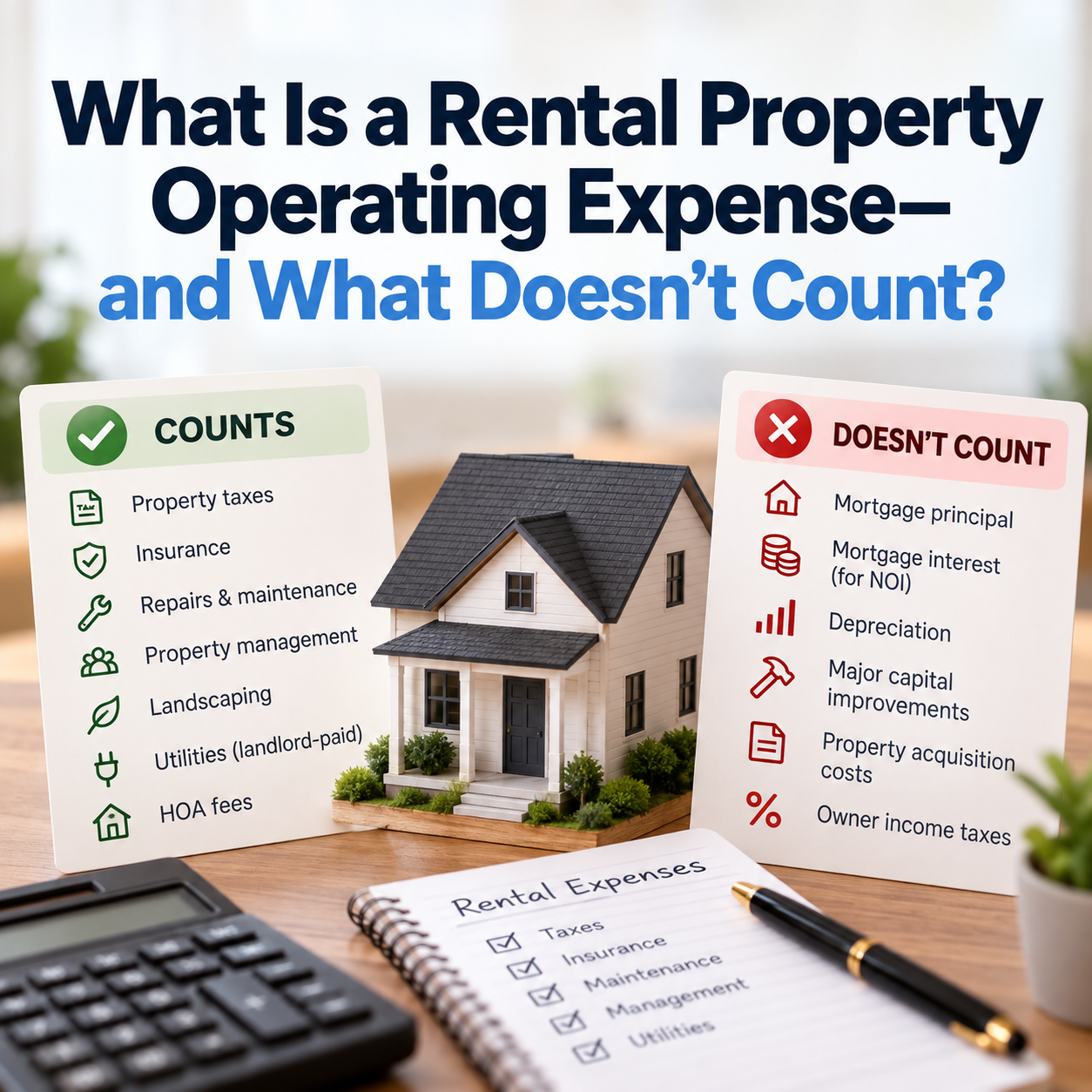
Rental income minus operating expenses, excluding mortgage principal and interest, income taxes, and depreciation.
Cash-on-Cash Return
The annual pre-tax cash flow divided by the total cash invested in the property.
Return on Investment (ROI)
A broader measure of investment performance that may include income, appreciation, and other gains relative to investment costs.
By monitoring these metrics, you can compare properties more accurately and identify which investments are delivering the strongest results.
Every rental property eventually needs repairs or major improvements.
However, these costs rarely occur evenly across your portfolio.
One property might need a new roof, while another requires HVAC replacement or major plumbing work.
When you track properties individually, you can better estimate how much money to reserve for future expenses.
For example, an older rental property may require a larger maintenance budget than a newly renovated one.
Having property-specific financial records helps you prepare for these expenses without unexpectedly draining cash reserves from your other investments.
It also helps distinguish routine maintenance from capital improvements, which may receive different accounting and tax treatment.
One of the biggest advantages of tracking each rental property separately is having better information when making major investment decisions.
Imagine owning a rental property that consistently produces negative cash flow.
Without detailed records, you might assume the problem is temporary.
But after reviewing several months of financial performance, you discover that maintenance expenses, taxes, and insurance have steadily increased.
This information can help you evaluate whether to:
A property with negative cash flow isn't automatically a bad investment, but you should understand why it's underperforming before deciding what to do.
The goal isn't simply to own more rental properties. It's to build a portfolio that performs well financially.
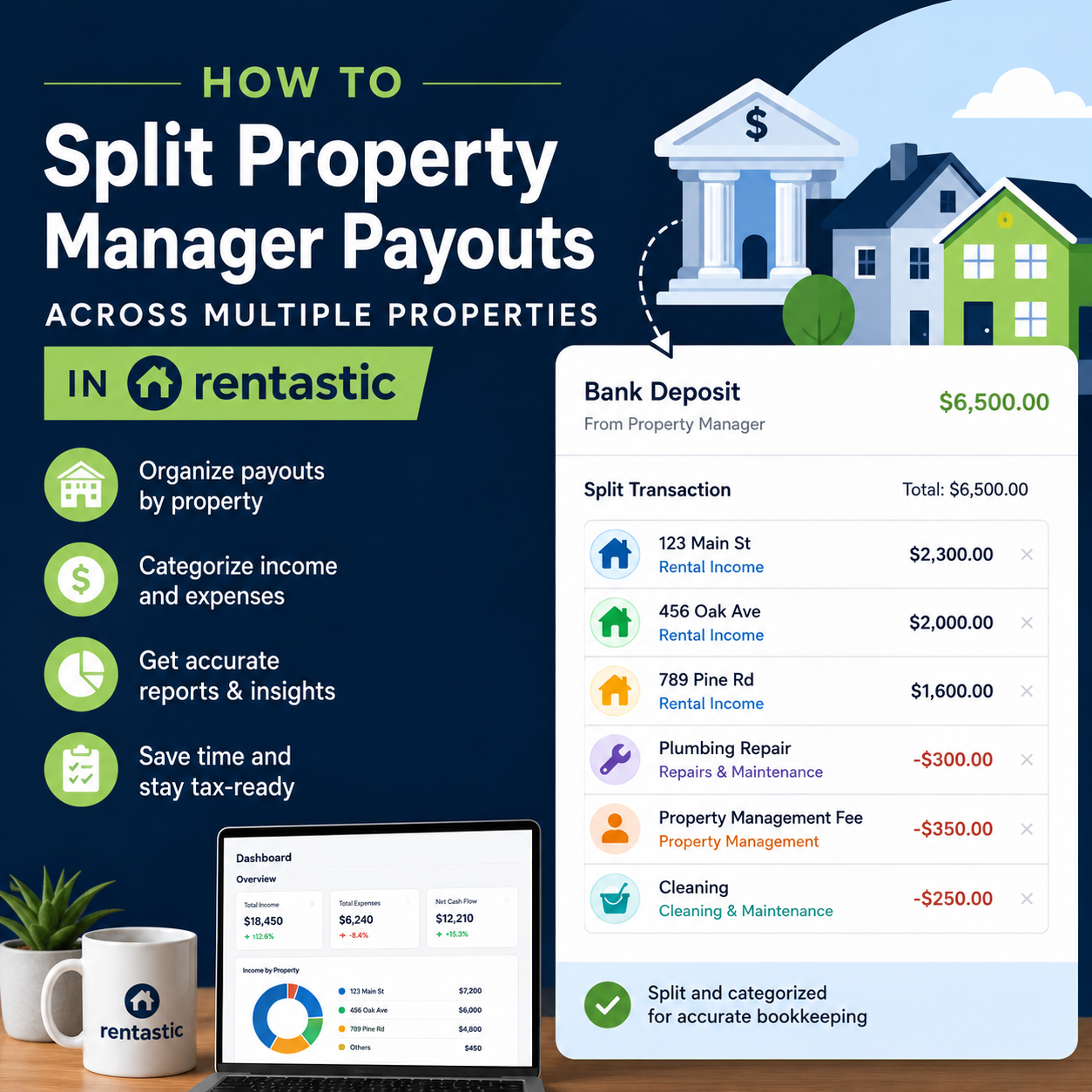
When landlords combine transactions from multiple properties, bookkeeping errors become more likely.
For example, a $600 plumbing repair might accidentally be assigned to the wrong property.
That mistake can distort both properties' financial reports.
Over time, these errors can make it difficult to determine your actual expenses and profitability.
Tracking transactions by property helps you maintain more accurate records and avoid confusion.
You don't necessarily need a separate bank account for every rental property, although separate accounts can make reconciliation easier in some situations.
What's most important is having a reliable system that assigns every relevant income and expense transaction to the correct property.
The good news is that tracking individual properties doesn't have to be complicated.
Start by creating a separate financial record for each rental property and consistently categorizing its transactions.
Make sure you're recording rental income, operating expenses, mortgage payments, repairs, and other relevant costs.
Review your numbers monthly so you can spot unusual expenses or changes in cash flow before they become bigger problems.
As your portfolio grows, using rental property accounting software can make this process significantly easier.

Managing multiple rental properties doesn't mean you need to spend hours organizing spreadsheets.
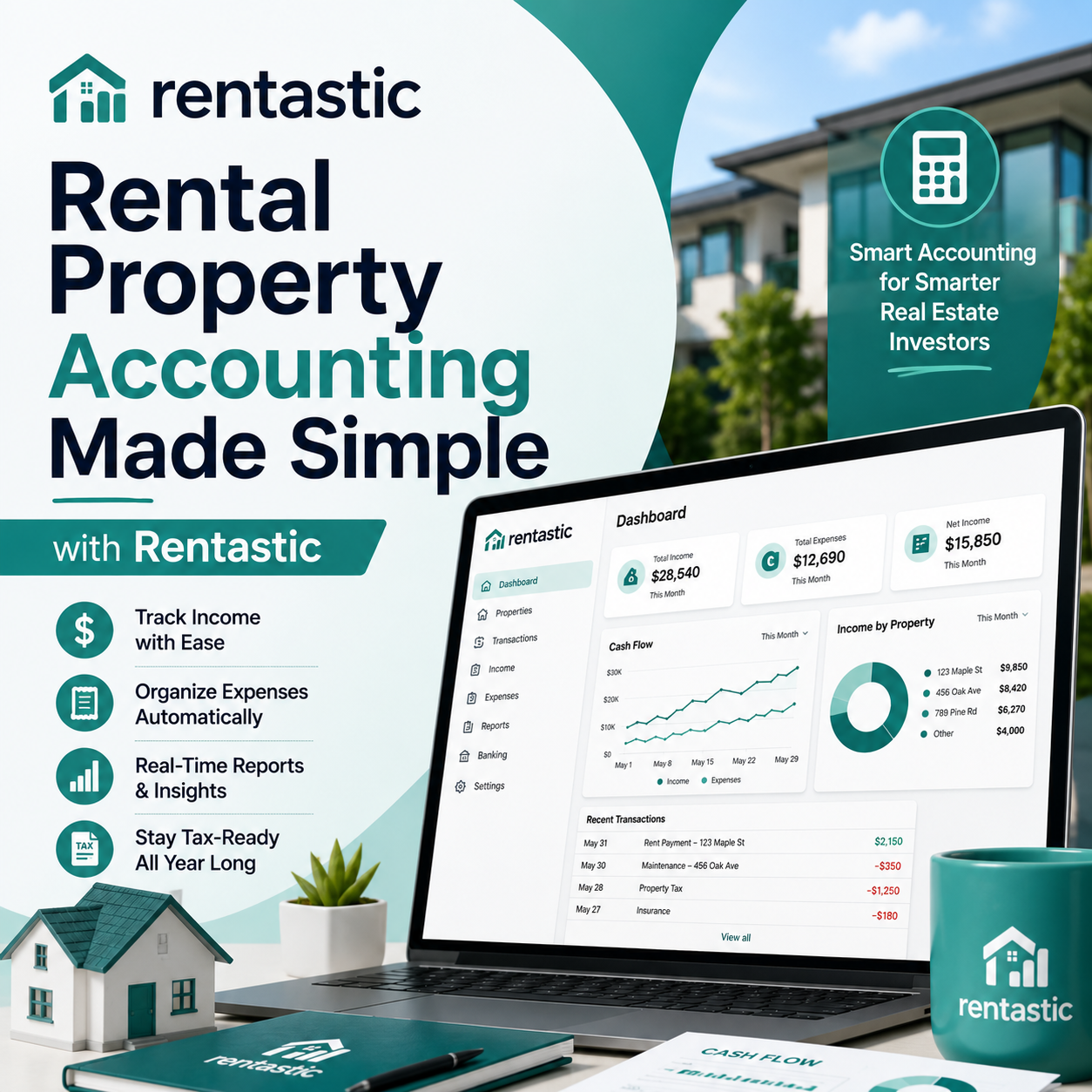
Rentastic helps landlords organize their rental finances by tracking income, expenses, and financial performance across individual properties.
With Rentastic, you can:
Instead of guessing which properties are performing well, you can use organized financial records to make more informed decisions.
Start tracking your rental properties with Rentastic and take greater control of your rental property finances.
Tracking each rental property separately is essential for landlords who want to build a profitable and sustainable rental portfolio.
It helps you understand where your money is going, identify underperforming investments, prepare for taxes, and plan for future expenses.
Most importantly, it gives you the financial clarity needed to make smarter investment decisions.
Remember, a profitable rental portfolio starts with understanding the performance of every individual property.
The more clearly you understand your numbers, the better equipped you'll be to grow your rental property business.
RECENT POSTS


© 2025 Rentastic
Rentastic is registered as a trademark. Terms and conditions, features, support, pricing, and service options subject to change without notice.






































































Comments