

Managing a rental property isn't just about collecting rent and paying bills. It's about understanding where your money is going, anticipating future expenses, and making sure your investment stays profitable throughout the year.
A rental property might generate positive cash flow today, but what happens when property taxes increase, a tenant moves out, or an unexpected repair costs thousands of dollars?
That's where a 12-month rental property financial forecast becomes valuable.
By estimating your rental income, operating expenses, mortgage payments, and potential vacancies over the next year, you can make smarter financial decisions and avoid unpleasant surprises.
In this guide, we'll explain how to build a practical 12-month financial forecast for your rental property, even if you're not an accounting expert.
A 12-month financial forecast is an estimate of how much money your rental property will earn and spend over the next year.
Unlike a traditional budget, which sets spending targets, a financial forecast predicts what is likely to happen based on your property's current performance, historical expenses, and expected changes.
A typical rental property forecast includes:
The goal isn't to predict every dollar perfectly. It's to create a realistic financial roadmap that helps you prepare for the months ahead.
Many landlords evaluate their rental property's performance by looking at their monthly bank balance.
However, a positive bank balance doesn't necessarily mean the property is financially healthy.
For example, imagine your rental generates $500 in positive cash flow every month. That sounds promising until you discover that your annual insurance premium is increasing by $1,200 and your HVAC system may need replacing.
Without a forecast, those expenses could quickly eliminate your expected profits.
A 12-month financial forecast helps you:
1. Prepare for major expenses. Instead of being surprised by property taxes, insurance renewals, or maintenance costs, you can plan for them in advance.
2. Identify potential cash shortages. A forecast shows which months may generate negative cash flow, giving you time to build reserves.
3. Evaluate rental profitability. Understanding projected income and expenses helps you determine whether your rental property is meeting your financial goals.
4. Make better investment decisions. Forecasting can help you decide whether to increase rent, refinance, renovate, or purchase another property.
5. Reduce financial uncertainty. While unexpected expenses are unavoidable, planning makes them easier to manage.
The first step is estimating how much rental income your property will generate over the next 12 months.
Start with your current monthly rent.
For example, suppose your property rents for $2,000 per month.
Your potential annual rental income would be:
However, this assumes your property remains occupied throughout the entire year and every rent payment is collected.
A more realistic forecast should account for potential vacancies and changes in rental rates.
If your tenant's lease expires in six months, for example, you might forecast a rent increase or allow for a possible vacant month.
Tip: Avoid automatically assuming 100% occupancy. Even properties with reliable tenants can experience unexpected vacancies.
Once you've projected your rental income, the next step is estimating your property's operating expenses.
These are the recurring costs associated with maintaining and operating your rental property.
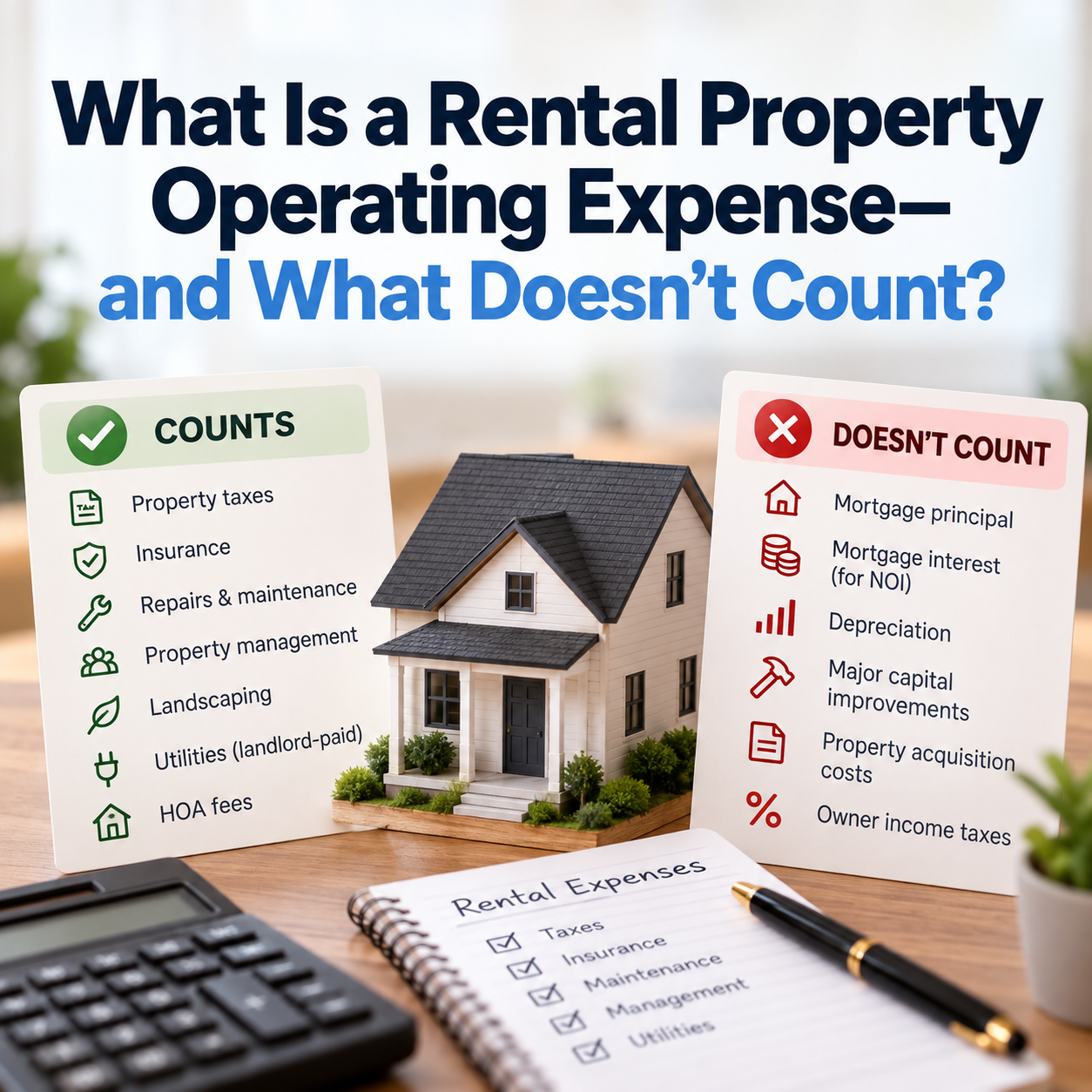
Common expenses include property taxes, insurance, repairs, maintenance, property management fees, HOA dues, utilities paid by the landlord, and landscaping.
Suppose your rental property has the following estimated monthly expenses:
These numbers provide a useful starting point, but remember that some expenses don't occur every month.
For instance, property taxes might be paid twice a year, while insurance premiums may be billed annually.
Your forecast should reflect when those payments actually occur so you can anticipate their impact on cash flow.
If your rental property has a mortgage, your monthly loan payments will significantly affect your cash flow.
Suppose your monthly mortgage principal and interest payment is $850.
Your annual mortgage payments would total:
It's important to distinguish between rental property profitability and cash flow.
Mortgage interest is generally an expense when calculating accounting profit, while mortgage principal payments reduce your loan balance rather than count as an operating expense.
However, both principal and interest require cash payments.
For a cash flow forecast, include the full mortgage payment, but avoid counting escrowed property taxes or insurance twice if they're already included elsewhere.
This distinction helps you understand how much money your rental actually generates after debt payments.
One of the biggest mistakes landlords make when forecasting is assuming that every month will go exactly as planned.
In reality, rental properties experience vacancies, repairs, and occasional unexpected expenses.
A realistic financial forecast should include allowances for these possibilities.
Suppose your rental generates $24,000 in potential annual rent.
If you assume a 5% vacancy allowance:
Your estimated annual rental income after vacancy would be:
The 5% figure is only an example. Your actual vacancy assumption should reflect your local rental market, lease expiration dates, and historical occupancy.
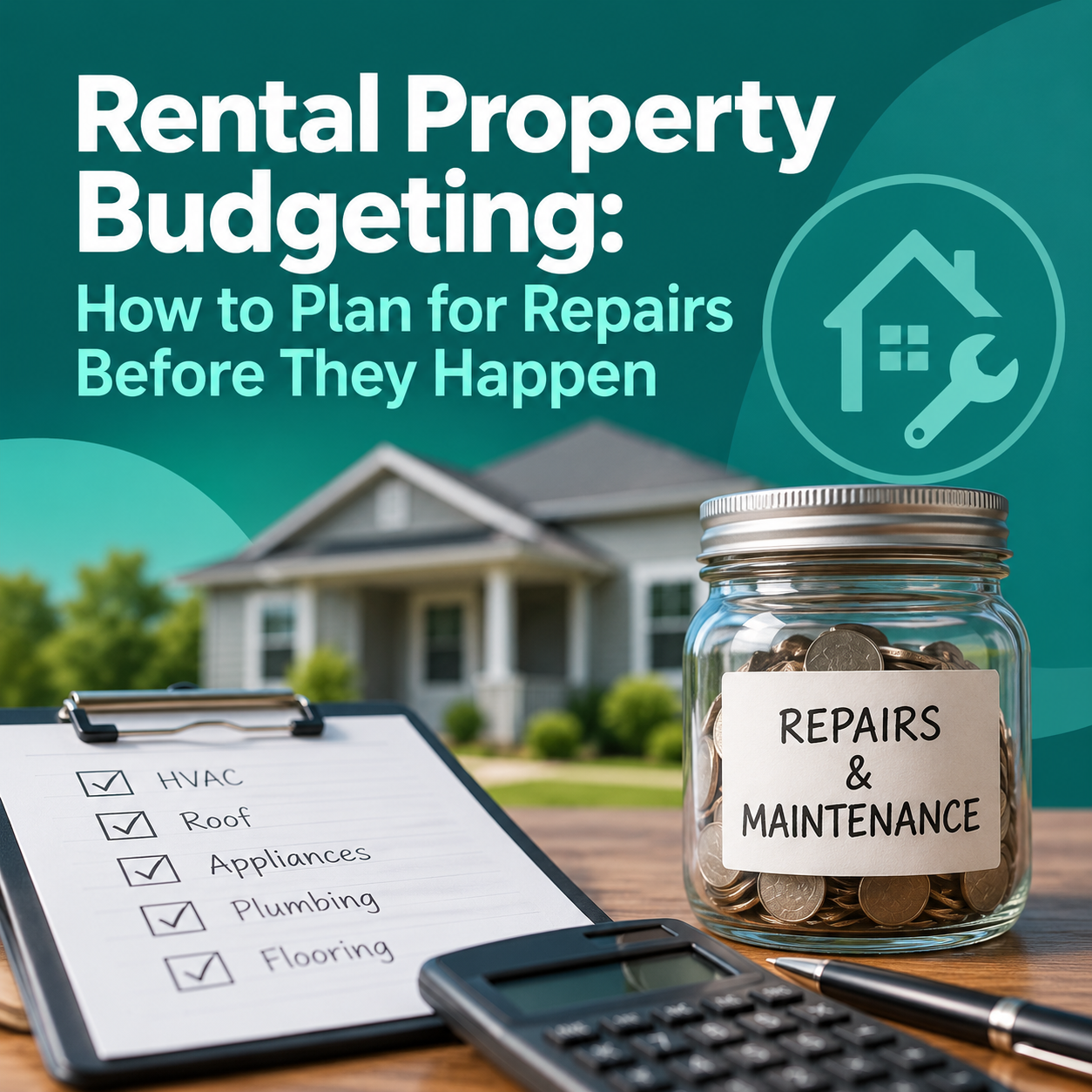
Even well-maintained properties require repairs.
You might need to replace a water heater, repair plumbing, service an HVAC system, or address damage after a tenant moves out.
Setting aside a portion of rental income for maintenance and future capital expenditures can help protect your cash flow.
For example, reserving an additional $100 per month for major replacements would accumulate $1,200 over a year.
Keep in mind that setting aside money in a reserve account is not itself an operating expense. Your forecast should distinguish planned reserve contributions from actual repair or replacement spending to avoid double-counting.
Now that you've estimated your income and expenses, it's time to organize everything into a monthly forecast.
Let's use this example:
This property is projected to generate $3,480 in annual cash flow, or an average of $290 per month.
However, that doesn't mean you'll receive exactly $290 every month.
Some months may have higher expenses, while others may generate more cash.
That's why a month-by-month forecast is more useful than relying only on annual totals.
Not all rental property expenses are evenly distributed throughout the year.
Some costs increase during specific seasons.
For example:
Your forecast should reflect these seasonal patterns rather than assuming identical expenses every month.
If you know your insurance premium is due in August, include that payment in August instead of spreading the actual cash payment evenly across the year.
You can still use monthly averages for planning, but your cash flow forecast should reflect the expected timing of payments.
A single financial forecast is useful, but creating multiple scenarios gives you a better understanding of potential risks.
Consider developing three versions of your forecast.
Your property remains fully occupied, rent payments arrive on time, and maintenance expenses stay relatively low.
This scenario shows what your property could generate under favorable conditions.
Your property experiences normal maintenance costs, reasonable vacancy assumptions, and predictable operating expenses.
This should serve as your primary financial forecast.
Your property experiences an extended vacancy, an expensive repair, or unexpected increases in operating expenses.
For example, what happens if your property remains vacant for two months instead of one?
Or if your insurance premium increases by 20%?
Running these scenarios helps you determine whether your rental property has enough financial flexibility to handle unexpected challenges.
A financial forecast shouldn't be something you create once and forget.
The real value comes from reviewing your projections against your property's actual financial performance.
At the end of each month, compare your expected rental income, actual rent collected, projected operating expenses, actual expenses, and remaining cash flow.
Suppose you forecasted $150 in monthly maintenance expenses, but your actual maintenance costs reached $400.
That $250 difference should prompt you to investigate what happened.
Was it a one-time repair? Or is your property experiencing higher maintenance costs than expected?
If the expense is recurring, adjust your remaining forecast accordingly.
The goal is to make your forecast more accurate as new financial information becomes available.
Creating a reliable financial forecast starts with having accurate financial records.
If your rental income and expenses are scattered across spreadsheets, bank statements, and receipts, estimating future performance becomes much harder.
Property Host - Professional Airbnb Management in Tbilisi & Batumi
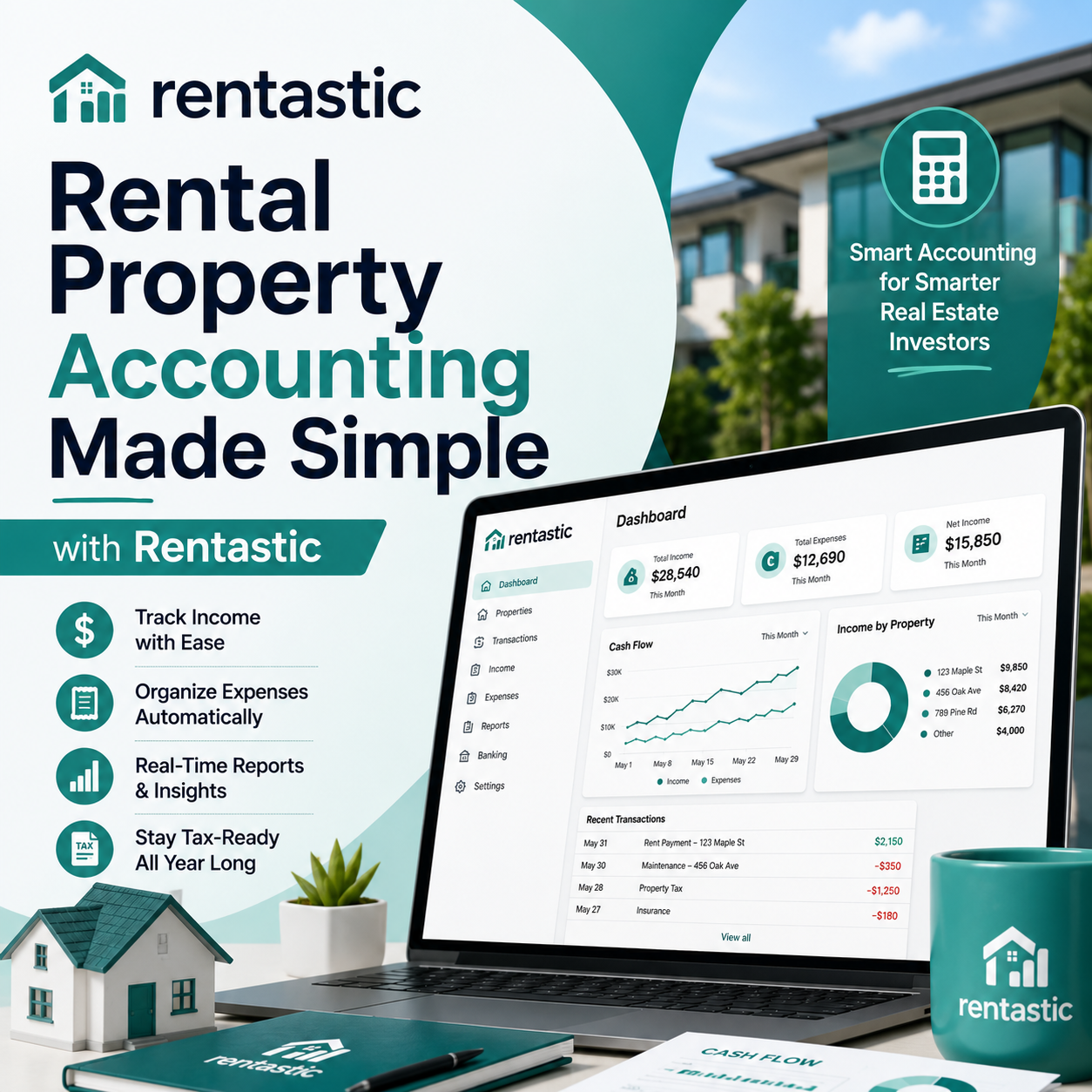
Rentastic helps landlords organize their rental property finances in one place.
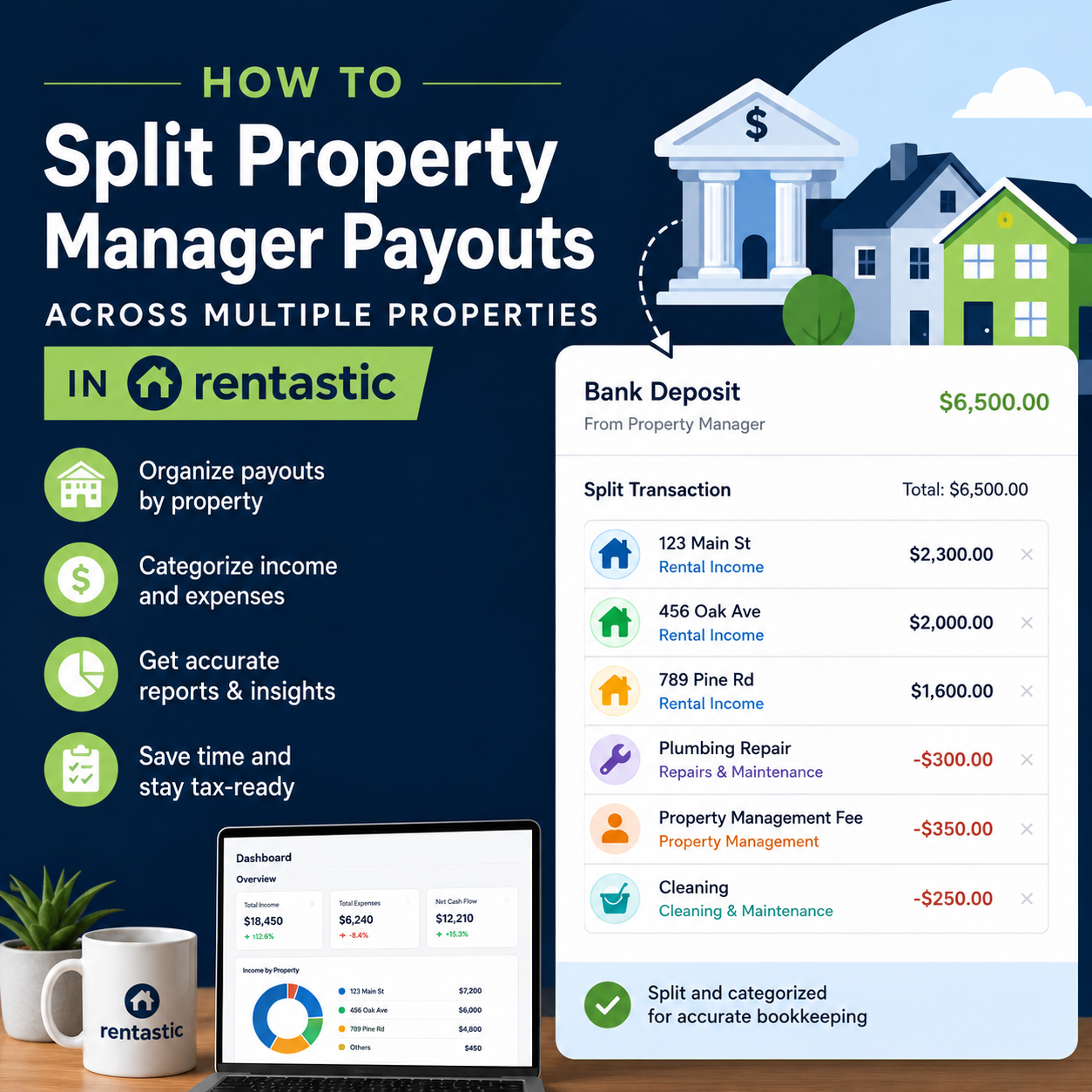
With Rentastic, you can track rental income and expenses, connect supported bank accounts, categorize transactions, and review property-level financial reports.
These records can help you:
While Rentastic is not presented here as a dedicated 12-month forecasting tool, its financial tracking and reporting features can provide the historical data needed to build and update your forecast in a spreadsheet.
Instead of relying entirely on guesswork, you can make financial projections based on your property's actual performance.
Explore Rentastic to simplify your rental property accounting.
Even a well-organized forecast can become misleading if it relies on unrealistic assumptions.
Here are some common mistakes landlords should avoid.
Assuming full occupancy all year. Even reliable tenants eventually move out. Include realistic vacancy assumptions based on your rental market.
Underestimating maintenance costs. Small repairs add up, and major replacements can significantly affect cash flow.
Forgetting annual expenses. Insurance renewals, property taxes, and HOA assessments can create cash shortages if they're not included.
Confusing profit with cash flow. Mortgage principal payments affect cash flow but aren't operating expenses. Keep these calculations separate.
Double-counting expenses. Avoid counting escrowed taxes and insurance twice or treating reserve transfers as additional expenses when the underlying costs are already included.
Failing to update projections. Rental income, property taxes, insurance costs, and maintenance needs change. Your forecast should change with them.
Building a 12-month financial forecast doesn't require complicated financial models or advanced accounting knowledge.
Start with your rental income, estimate your operating expenses, include mortgage payments, account for vacancies, and prepare for unexpected repairs.
Then review your forecast regularly and adjust it as your property's financial situation changes.
A realistic forecast won't eliminate every financial surprise, but it can help you prepare for them.
Most importantly, it gives you a clearer understanding of whether your rental property is generating sustainable cash flow or simply appearing profitable in the short term.
Want to make your rental property finances easier to manage?
Use Rentastic to organize your rental income, track expenses, and access the financial information you need to make more informed investment decisions.
RECENT POSTS


© 2025 Rentastic
Rentastic is registered as a trademark. Terms and conditions, features, support, pricing, and service options subject to change without notice.







































































Comments