

Managing rental properties comes with a long list of expenses. From maintenance and repairs to insurance premiums and property taxes, landlords constantly spend money to keep their investments running.
But what happens when you forget to record one of those expenses?
It might seem like a small bookkeeping mistake, especially if the amount is only $50 or $100. However, missing rental property expenses can make your rental look more profitable than it actually is, distort your financial reports, and potentially cause you to miss valuable tax deductions.
Here's why recording every rental property expense matters and what you should do when something slips through the cracks.
Accurate expense tracking is essential for understanding how your rental property performs financially.
Every expense affects your property's profitability, cash flow, and overall return on investment (ROI).
When an expense goes unrecorded, your financial records no longer reflect the full cost of operating your rental.
For example, imagine your rental property generates $2,000 in monthly rental income.
You record $1,200 in expenses, leaving what appears to be $800 in monthly cash flow.
However, you forgot to record a $250 plumbing repair.
Your actual cash flow is only $550.
That missing expense creates a misleading picture of your property's financial health.
And if these mistakes happen repeatedly, the difference can become significant.
One of the biggest consequences of forgetting to record an expense is overstating your rental property's profitability.
When expenses are missing, your financial reports show lower operating costs and higher profits.
Consider this example:
Example assumes all expenses are cash payments during the month and includes all relevant cash outflows.
That single forgotten expense makes the property's monthly cash flow appear $300 higher than it actually is.
This becomes particularly problematic when you're evaluating whether a rental property is performing well or deciding whether to increase rent, refinance, or purchase another investment.
The problem isn't just the missing transaction. It's the financial decisions you might make based on inaccurate numbers.
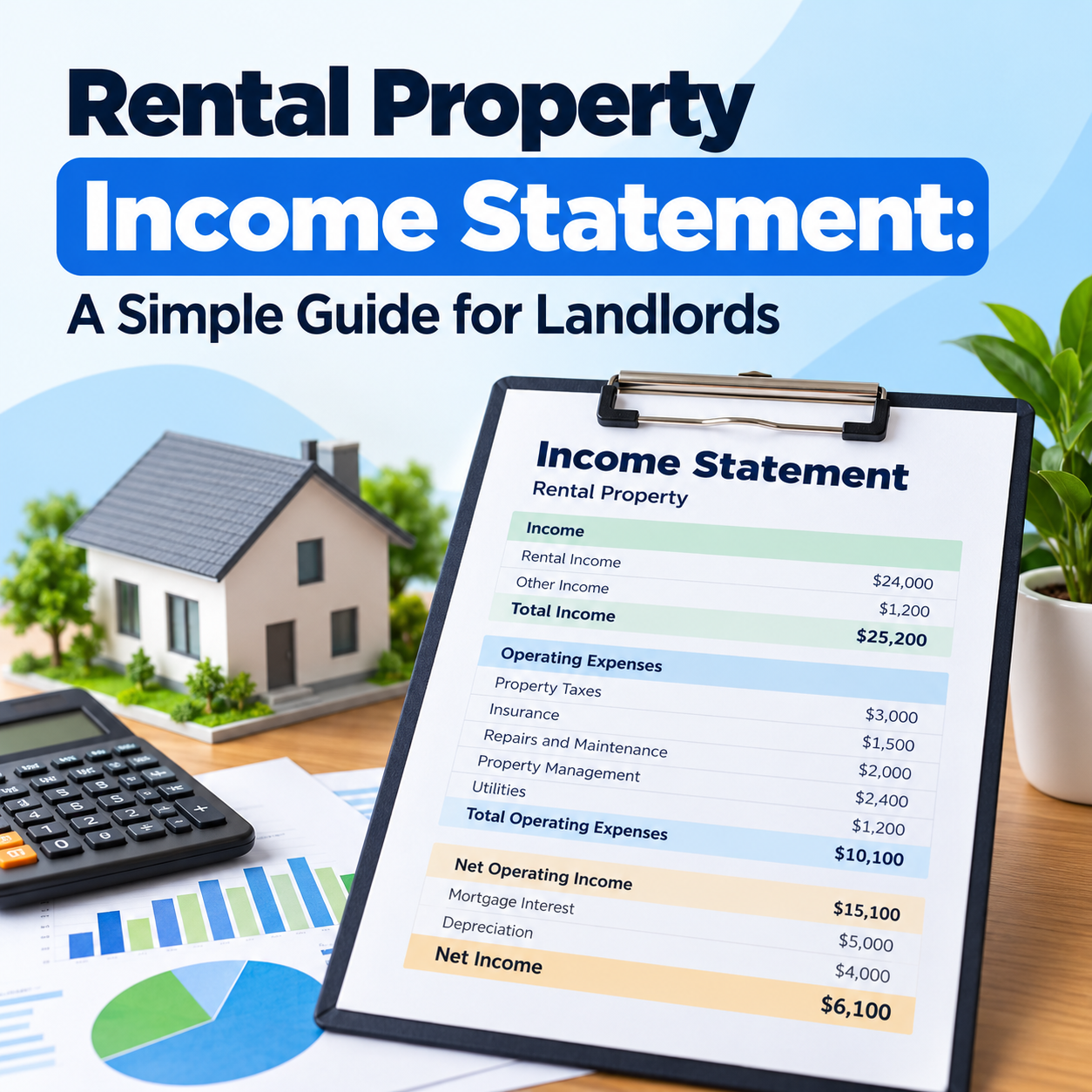
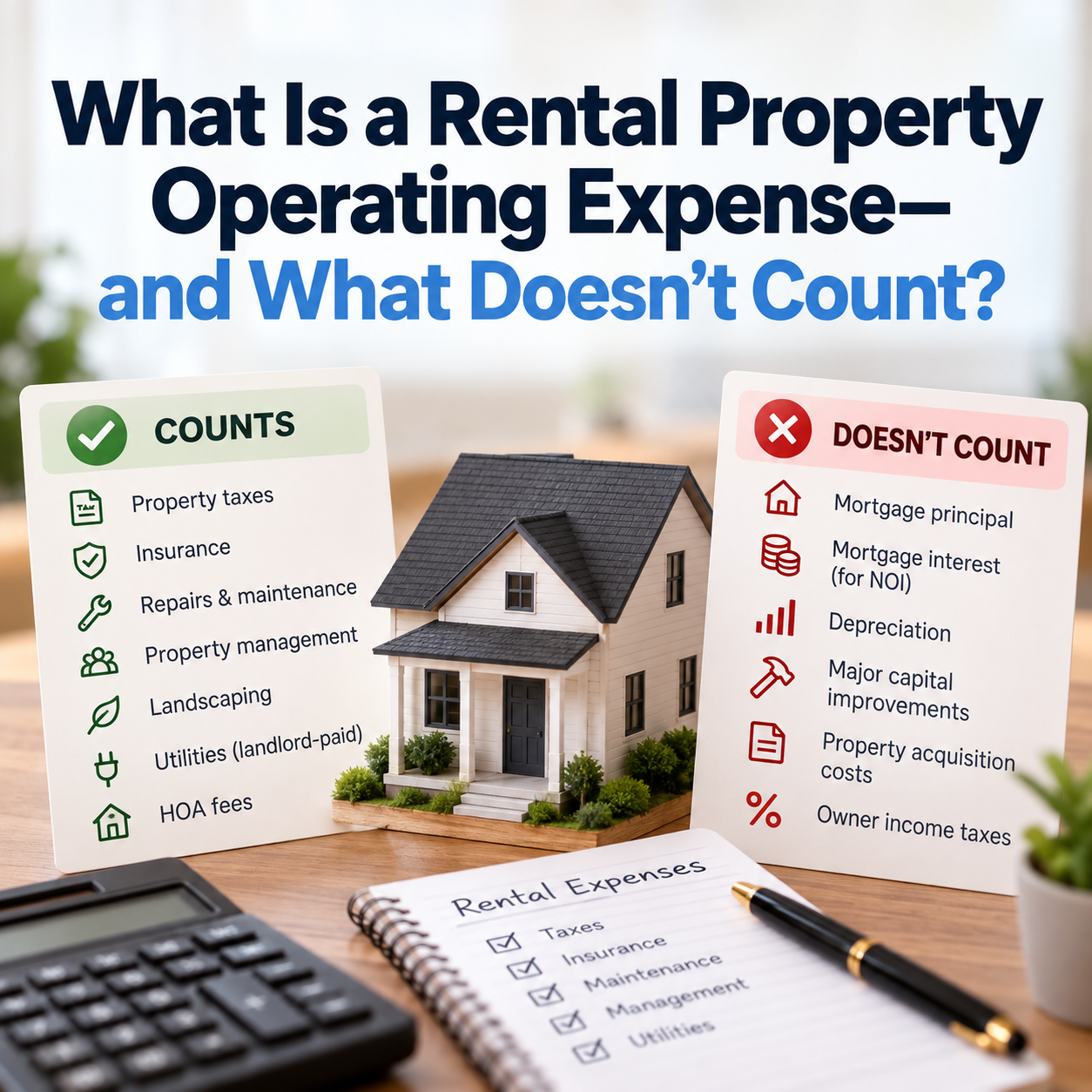
Rental property owners can generally deduct qualifying expenses associated with operating and maintaining their rental properties.
Common examples include:
If you forget to record an eligible expense, you might also forget to include it when preparing your taxes.
For example, suppose you spent $1,500 on qualifying rental repairs throughout the year but only recorded $900.
That leaves $600 in potentially deductible expenses missing from your records.
Depending on your tax situation, this could result in reporting more taxable rental income than necessary.
However, not every rental-related payment is immediately deductible. Capital improvements, mortgage principal payments, and certain other costs receive different tax treatment.
Keeping complete records helps you or your accountant determine which expenses qualify for deductions and how they should be reported.
Return on investment (ROI) helps landlords evaluate whether their rental properties are generating worthwhile returns.
But ROI calculations depend on accurate financial information.
When expenses are missing, your rental property may appear to generate stronger returns than it actually does.
For example, imagine you invested $100,000 in a rental property and calculated $10,000 in annual cash flow.
Your cash-on-cash return would be:
$10,000 ÷ $100,000 × 100 = 10%
Now suppose you discover $1,500 in forgotten expenses.
Your actual annual cash flow is only $8,500.
Your corrected cash-on-cash return becomes:
$8,500 ÷ $100,000 × 100 = 8.5%
That's a meaningful difference.
If you're comparing multiple rental properties, missing expenses could cause you to favor an investment that isn't performing as well as you think.
Another common consequence of missing expenses is a mismatch between your recorded transactions and your bank activity.
Suppose your rental property checking account shows $4,200, but your bookkeeping records suggest you should have $4,700.
The $500 difference could come from an expense that was paid but never recorded.
These discrepancies make bank reconciliation more difficult.
Instead of quickly confirming that your financial records match your bank statements, you may spend hours searching for missing payments.
This becomes even more complicated when you manage multiple rental properties or use different bank accounts.
Regular reconciliation helps catch these issues before they accumulate.
Rental property budgeting often relies on historical spending.
Landlords review previous expenses to estimate how much they should reserve for repairs, maintenance, insurance, and other operating costs.
But what happens when those historical records are incomplete?
Your future budget may be too low.
For example, if your records show that you spent $2,000 on maintenance last year, you might budget a similar amount for the coming year.
However, if you forgot to record another $1,200 in repairs, your actual maintenance spending was $3,200.
That difference could leave you unprepared for future expenses.
Accurate historical expense records make it easier to create realistic rental property budgets.
Not every forgotten expense involves hundreds or thousands of dollars.
Sometimes, it's the smaller purchases that landlords overlook.
A $25 hardware store purchase, a $40 cleaning supply expense, or a $75 minor repair might not seem significant individually.
But consider what happens when these expenses accumulate.
If you forget to record an average of $50 in expenses every month, that's $600 in missing expenses over one year.
Across five rental properties, the total could reach $3,000 annually.
Over time, these overlooked costs can significantly distort your portfolio's profitability.
This is why consistent expense tracking matters, even for relatively small transactions.
Discovering a missing expense doesn't necessarily mean your financial records are permanently inaccurate.
The important thing is to correct the mistake as soon as possible.
Start by locating evidence of the expense.
Check your bank statements, credit card statements, receipts, invoices, or payment confirmations.
Confirm the payment amount, date, vendor, and purpose.
If you paid the expense using a personal bank account, make sure it is still included in your rental property's financial records.
Once you've confirmed the transaction, add it to your bookkeeping system.
Make sure the expense is assigned to the rental property it belongs to.
This is especially important when managing multiple properties.
Recording an expense under the wrong property can distort individual property performance, even if your portfolio-wide totals remain correct.
Categorize the transaction based on its purpose.
For example, a plumbing repair might fall under repairs and maintenance, while an insurance premium belongs under insurance.
Correct categorization makes your financial reports more useful and helps simplify tax preparation.
Whenever possible, keep a copy of the receipt, invoice, or other supporting document.
Documentation helps explain why the expense occurred and can support your records if questions arise during tax preparation or an audit.
After recording the missing expense, review your rental property's financial reports.
Check whether the correction changes your cash flow, profitability, or budget assumptions.
If the expense belongs to a prior accounting period or a tax return you've already filed, consult your accountant before making adjustments. You may need a prior-period correction or an amended tax return, depending on the circumstances.
The easiest way to handle forgotten expenses is to establish a system that makes them less likely to happen.
Here are a few practical habits landlords can adopt.
Connect your rental bank accounts. Automatically importing transactions can reduce the amount of manual data entry required and make expenses easier to track.
Keep personal and rental expenses separate. Dedicated rental bank accounts help create a clearer financial trail and reduce the chances of overlooking business expenses.
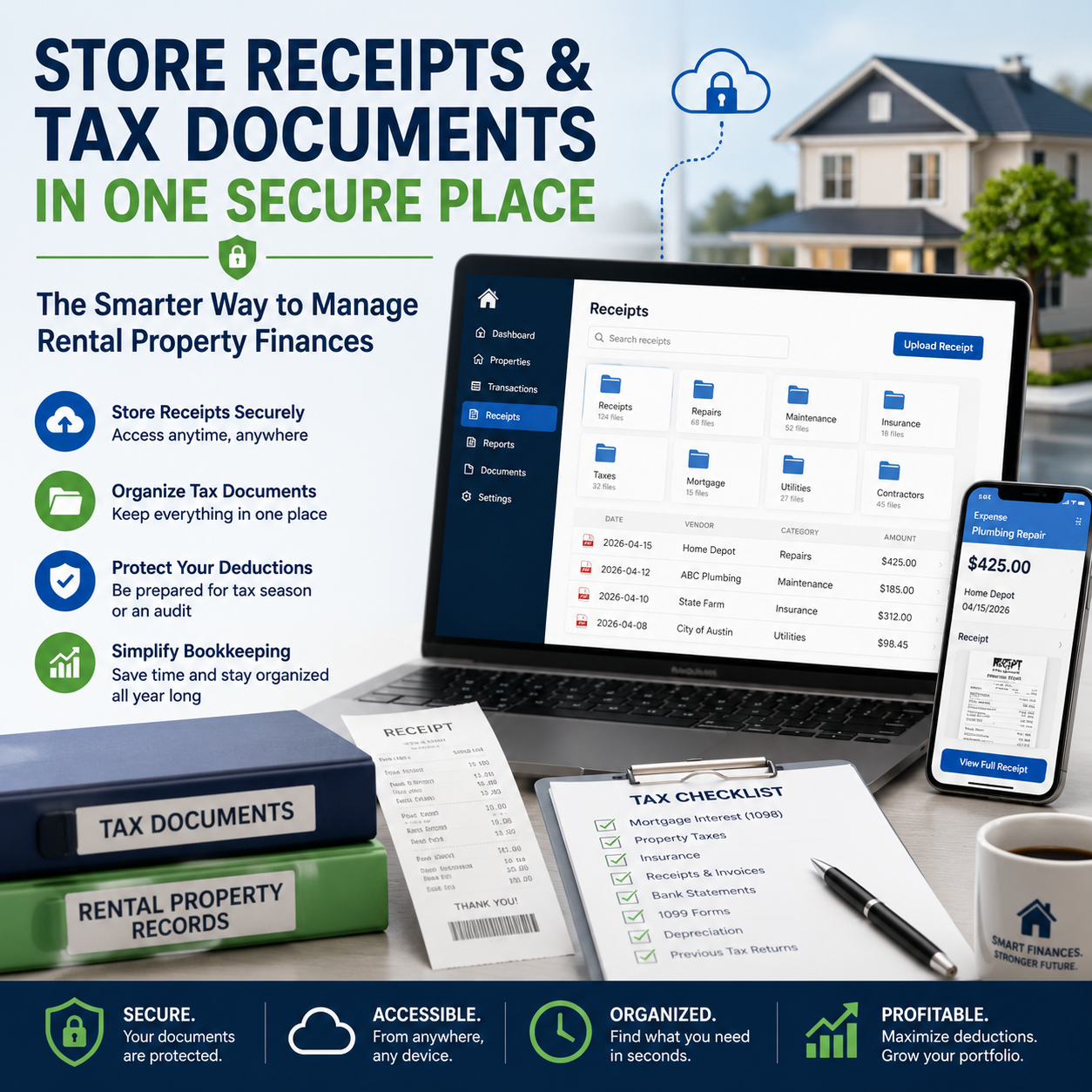
Save receipts immediately. Don't wait until tax season to organize documentation. Capture receipts as expenses occur.
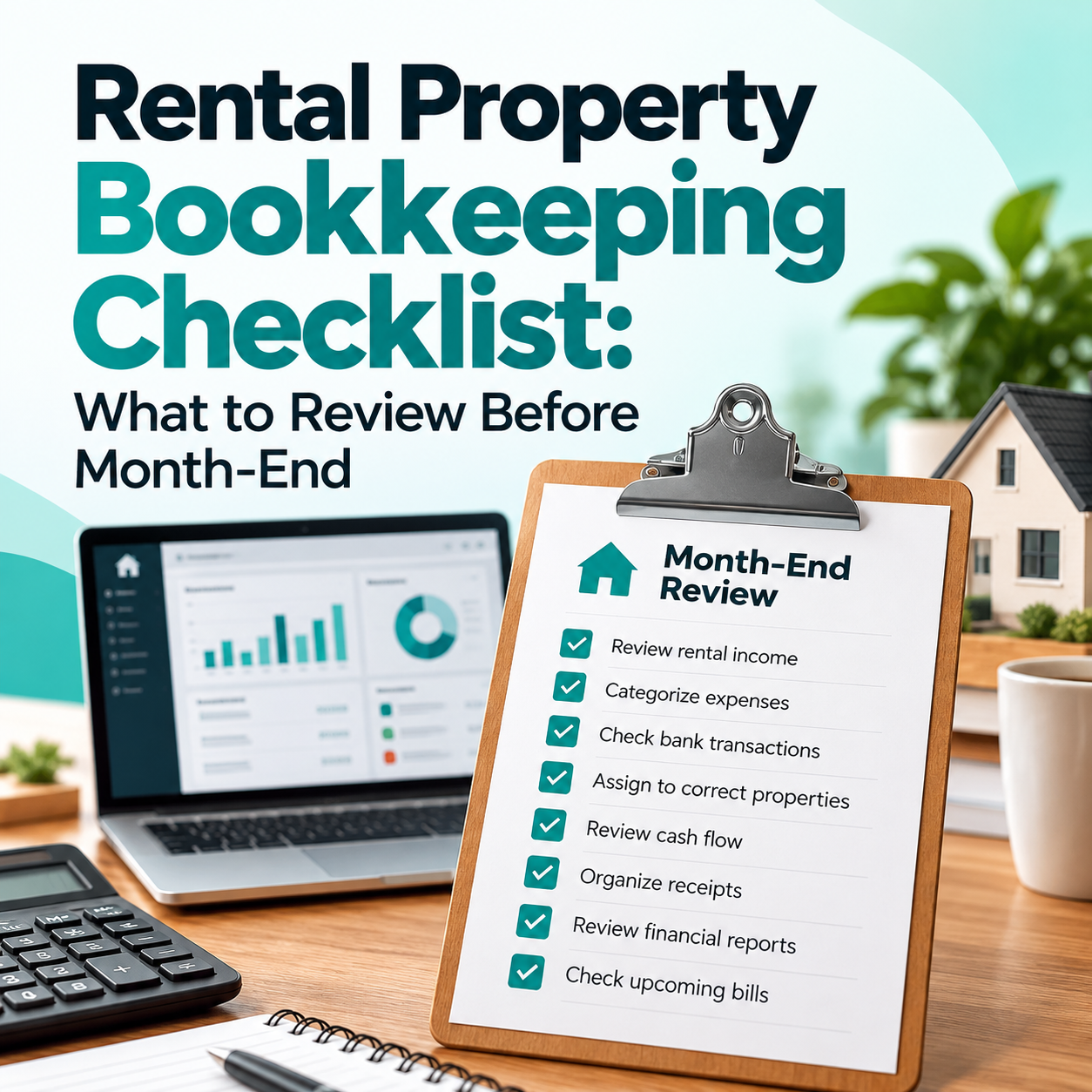
Review transactions regularly. Set aside time each week or month to check for uncategorized or missing expenses.
Reconcile your accounts monthly. Comparing your bookkeeping records with bank statements helps identify discrepancies early.
Track expenses by property. Assigning expenses to the correct rental makes it easier to evaluate individual property performance.
These habits can save time, reduce bookkeeping errors, and provide a more accurate understanding of your rental business.
Manually tracking every rental property expense can become overwhelming, especially when you're managing several properties.
That's where Rentastic can help.
Rentastic is designed to simplify rental property bookkeeping by keeping your financial information organized in one place.
With Rentastic, landlords can:
Instead of relying on scattered spreadsheets and forgotten receipts, you can build a more consistent bookkeeping process.
And when an expense slips through the cracks, you have a centralized place to review and update your records.
Forgetting to record a rental property expense might seem harmless, but even small bookkeeping mistakes can have meaningful consequences.
Missing expenses can overstate your rental property's profitability, distort your ROI calculations, complicate tax preparation, and make future budgeting less reliable.
The good news is that these problems are often preventable.
By tracking expenses consistently, reviewing transactions regularly, and keeping your financial records organized, you can make better decisions about your rental investments.
Remember: Accurate rental property accounting isn't just about knowing how much rent you collect. It's about understanding how much it actually costs to earn that income.
Stop letting missing transactions and disorganized records distort your rental property's financial performance.
With Rentastic, you can simplify expense tracking, organize transactions by property, and gain a clearer understanding of your rental finances.
Start tracking your rental property expenses with Rentastic
RECENT POSTS


© 2025 Rentastic
Rentastic is registered as a trademark. Terms and conditions, features, support, pricing, and service options subject to change without notice.
























































































Comments