
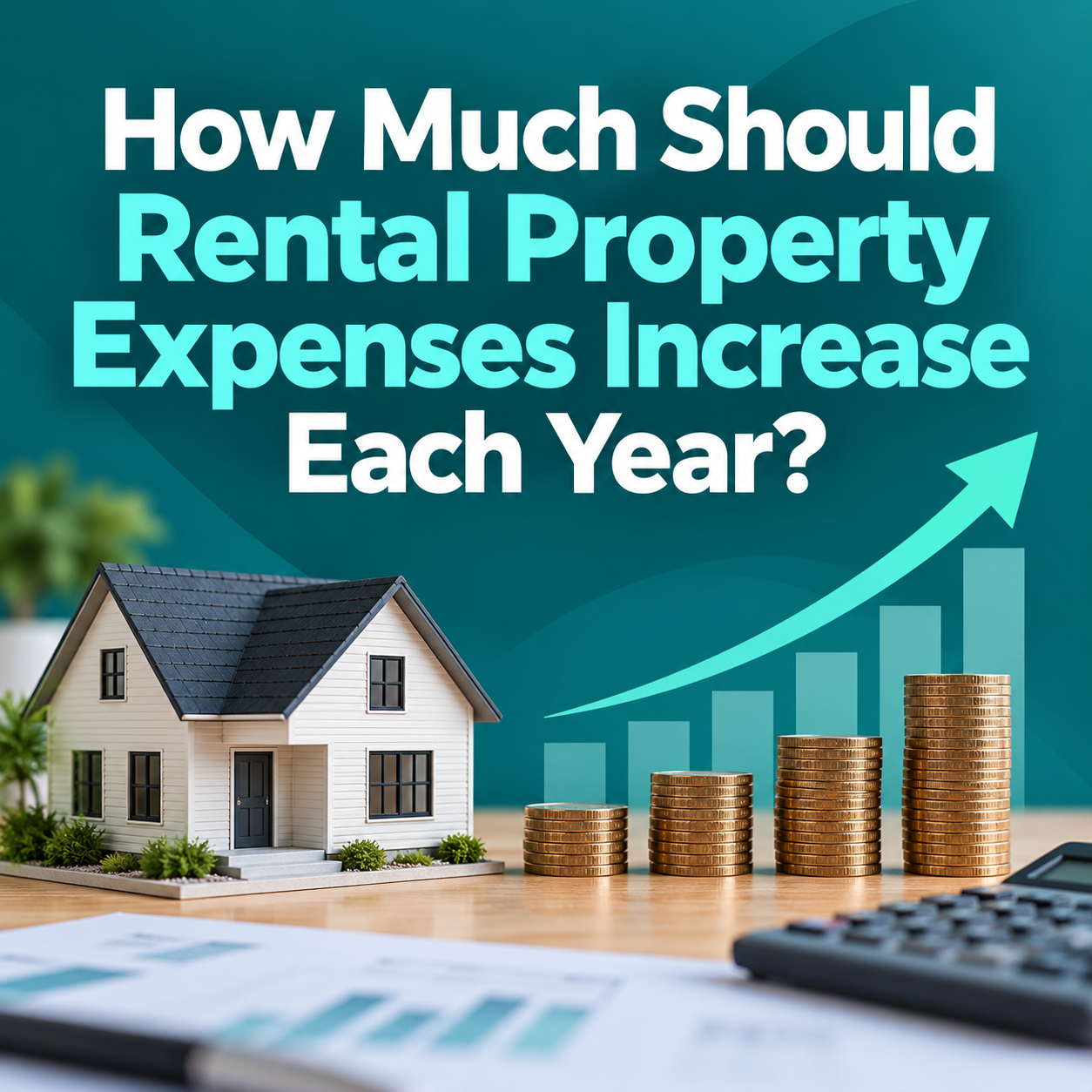
Property taxes can rise. Insurance premiums change. Contractors increase their rates. Utilities become more expensive. And as a property gets older, maintenance and repair costs can become less predictable.
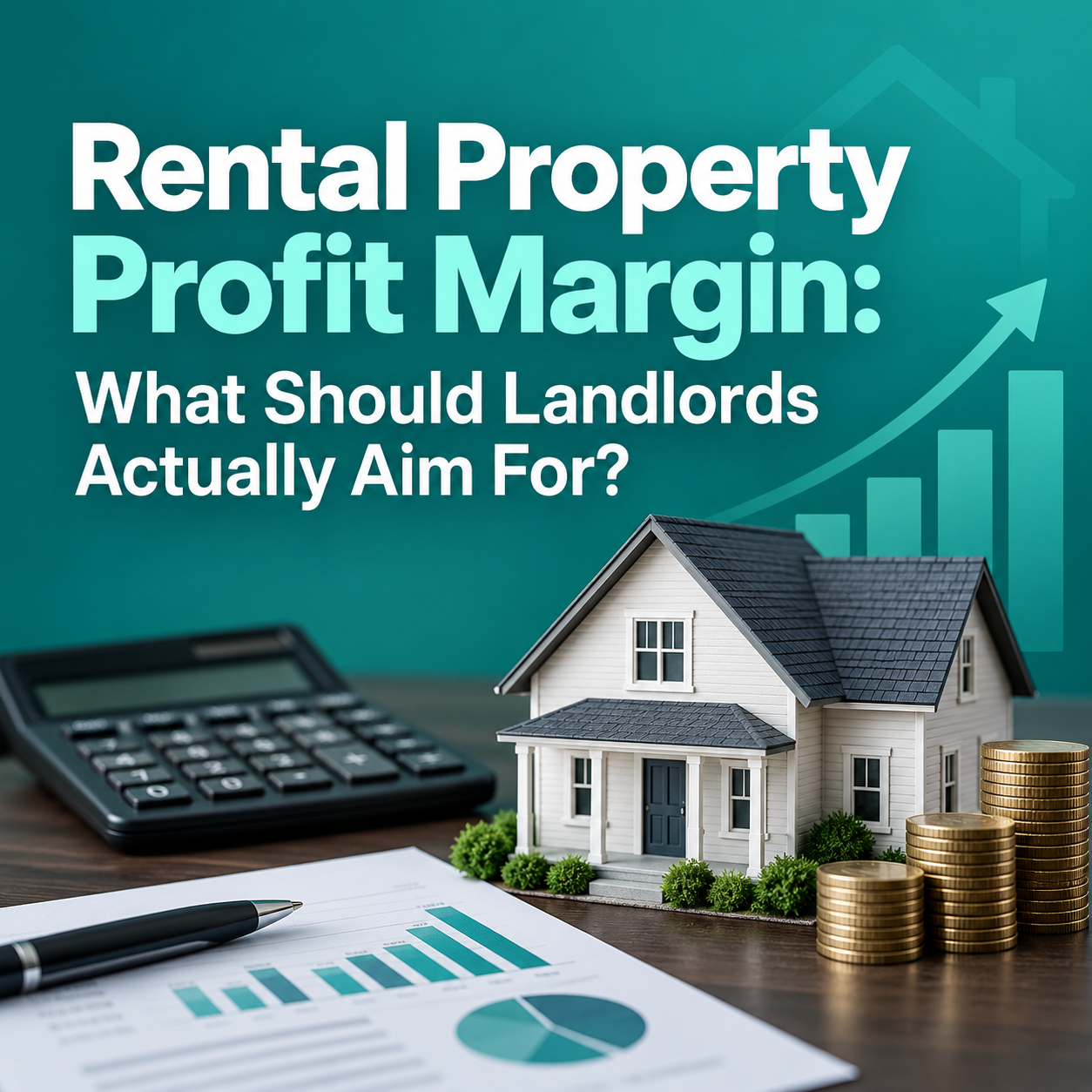
Profit margin helps you understand how much of your rental income remains after expenses. More importantly, tracking it over time can reveal whether your property is becoming more profitable—or slowly becoming more expensive to operate.
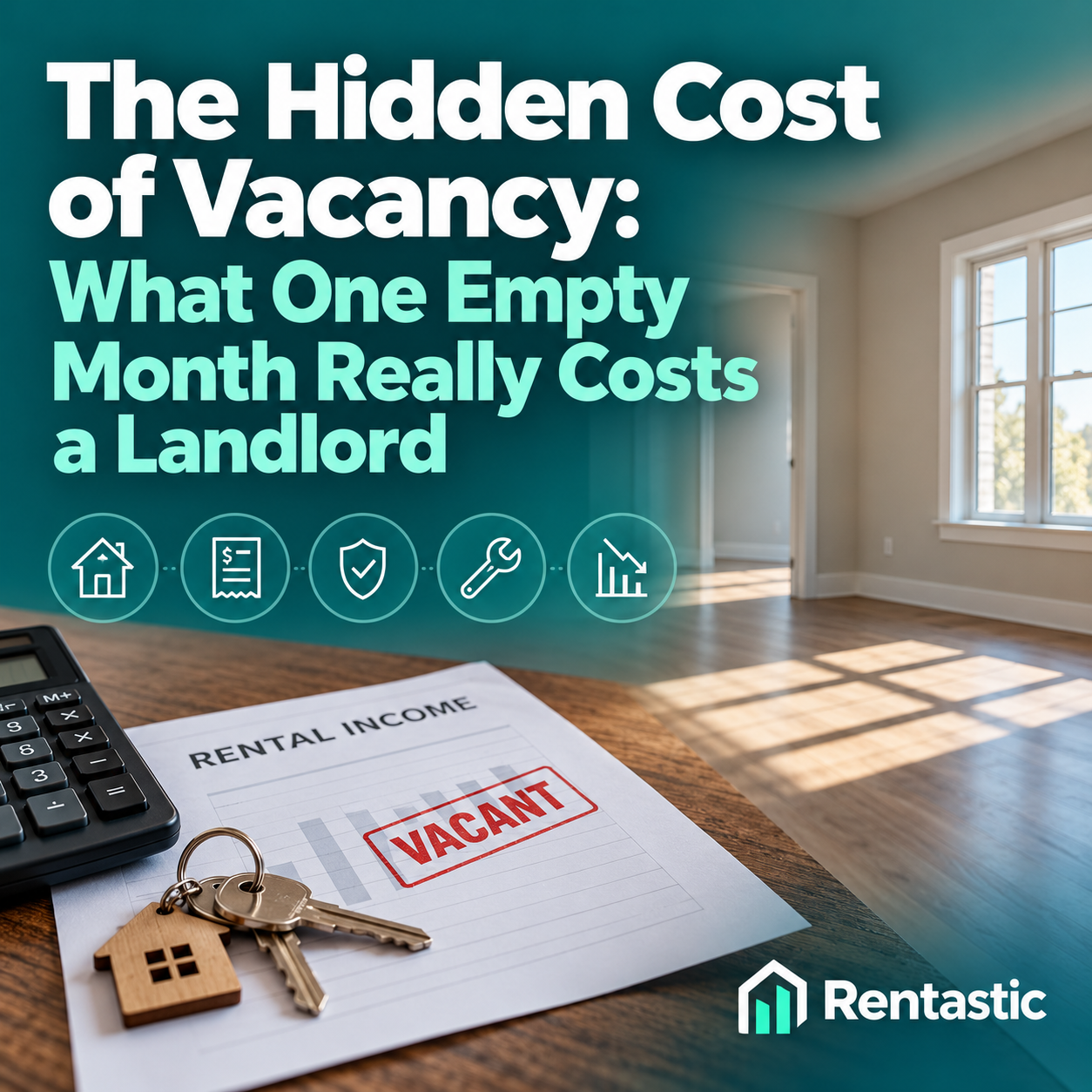
Understanding the real cost of vacancy can help landlords set better cash reserves, evaluate property performance, and make smarter decisions about pricing and tenant retention.
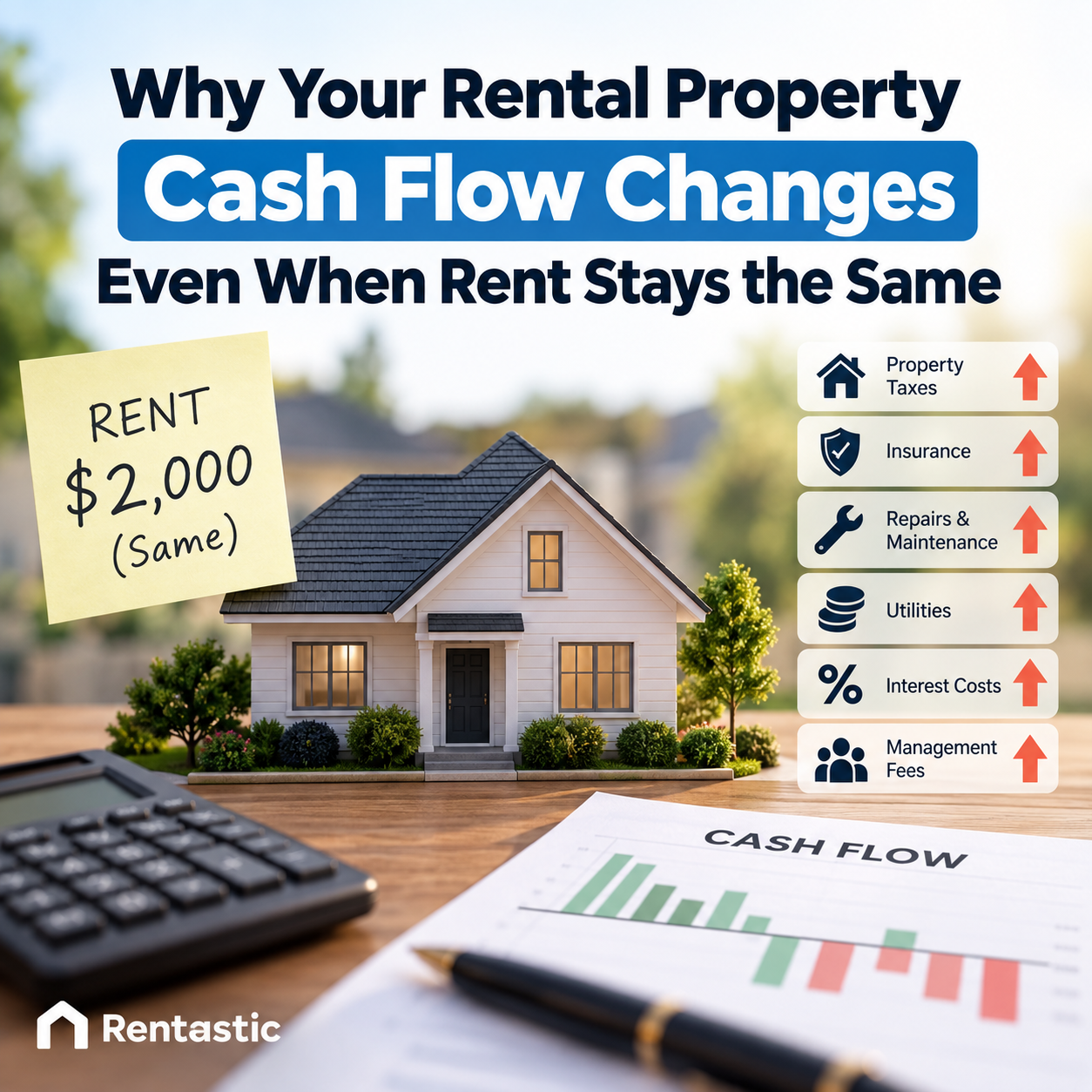
Rental income is only one side of the equation. Even when your monthly rent stays exactly the same, changes in operating expenses, financing costs, vacancies, repairs, taxes, insurance, and other costs can cause your actual cash flow to rise or fall.
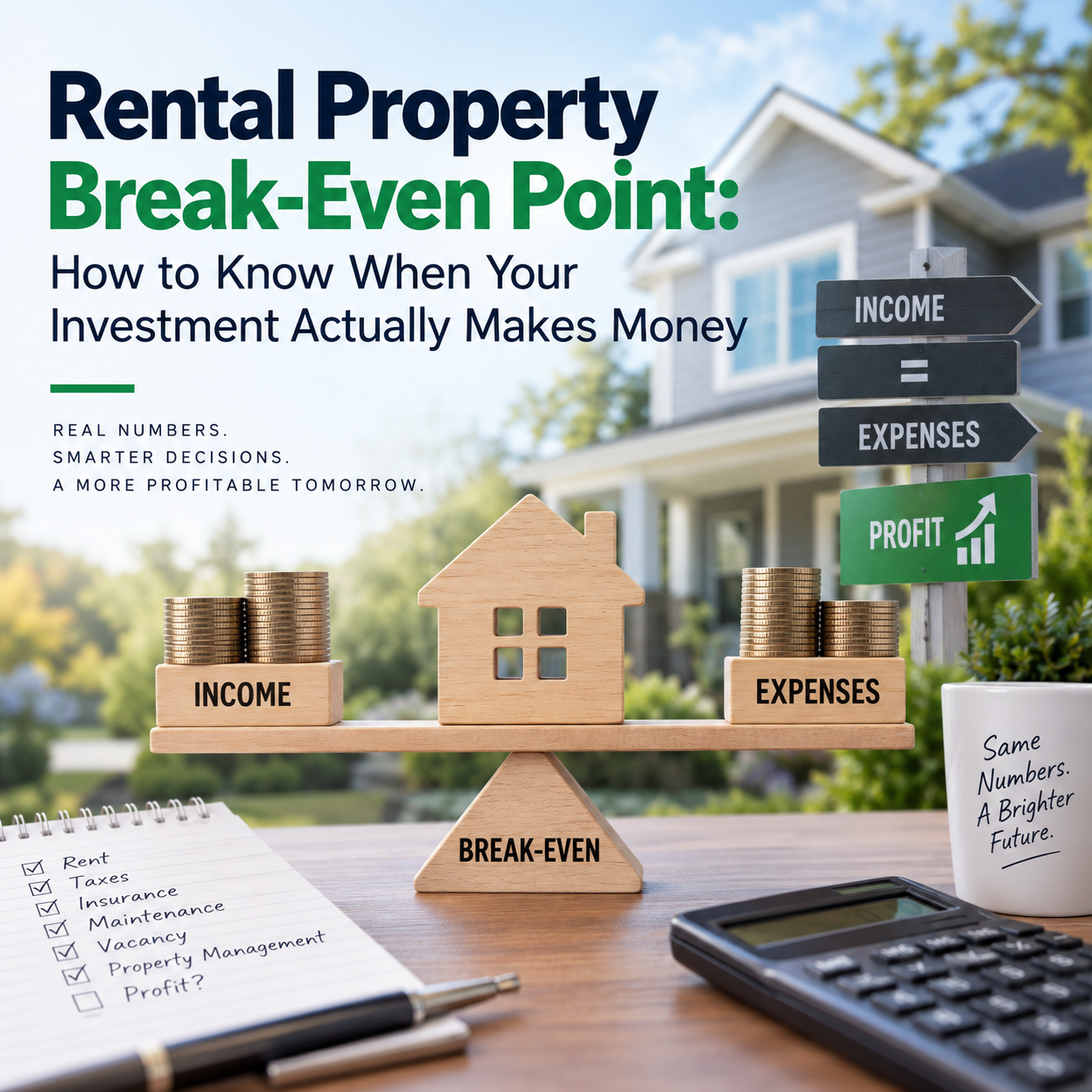
Owning a rental property can generate monthly income and build long-term wealth—but collecting rent doesn't automatically mean your investment is profitable.

Owning a rental property is usually a long-term investment, but that does not mean every property deserves to stay in your portfolio forever.

Owning a rental property can generate steady income, but rental income doesn't always mean steady cash flow. A broken HVAC system, unexpected plumbing repair, insurance deductible, or vacant month can quickly put pressure on a landlord's finances.
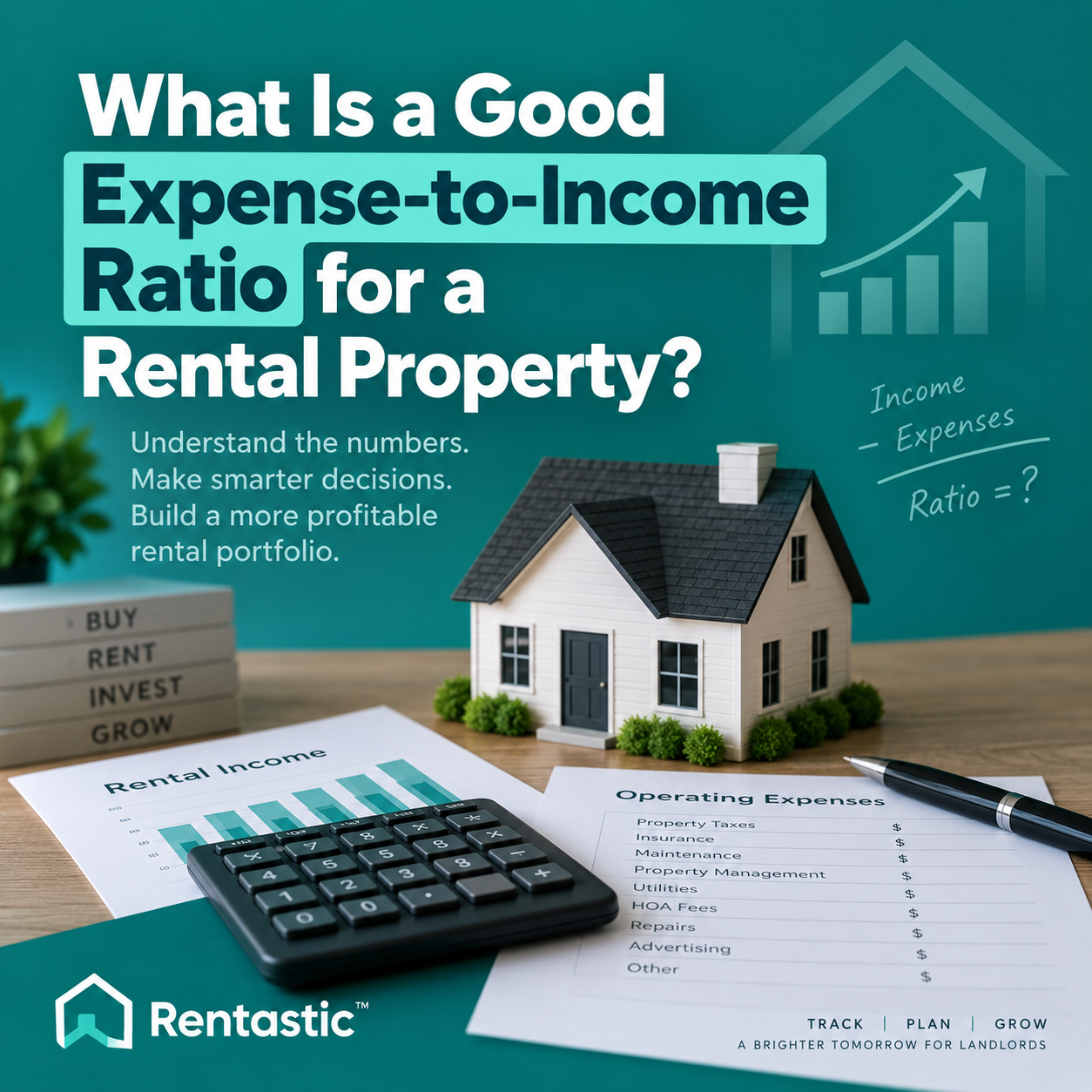
Owning a rental property isn't just about collecting rent. What matters is how much of that rental income remains after paying the expenses required to operate the property. One useful way to measure this is the expense-to-income ratio.

Your rental property looks profitable. The rent is higher than the mortgage payment, your property value may be increasing, and your tax return might even show favorable numbers.
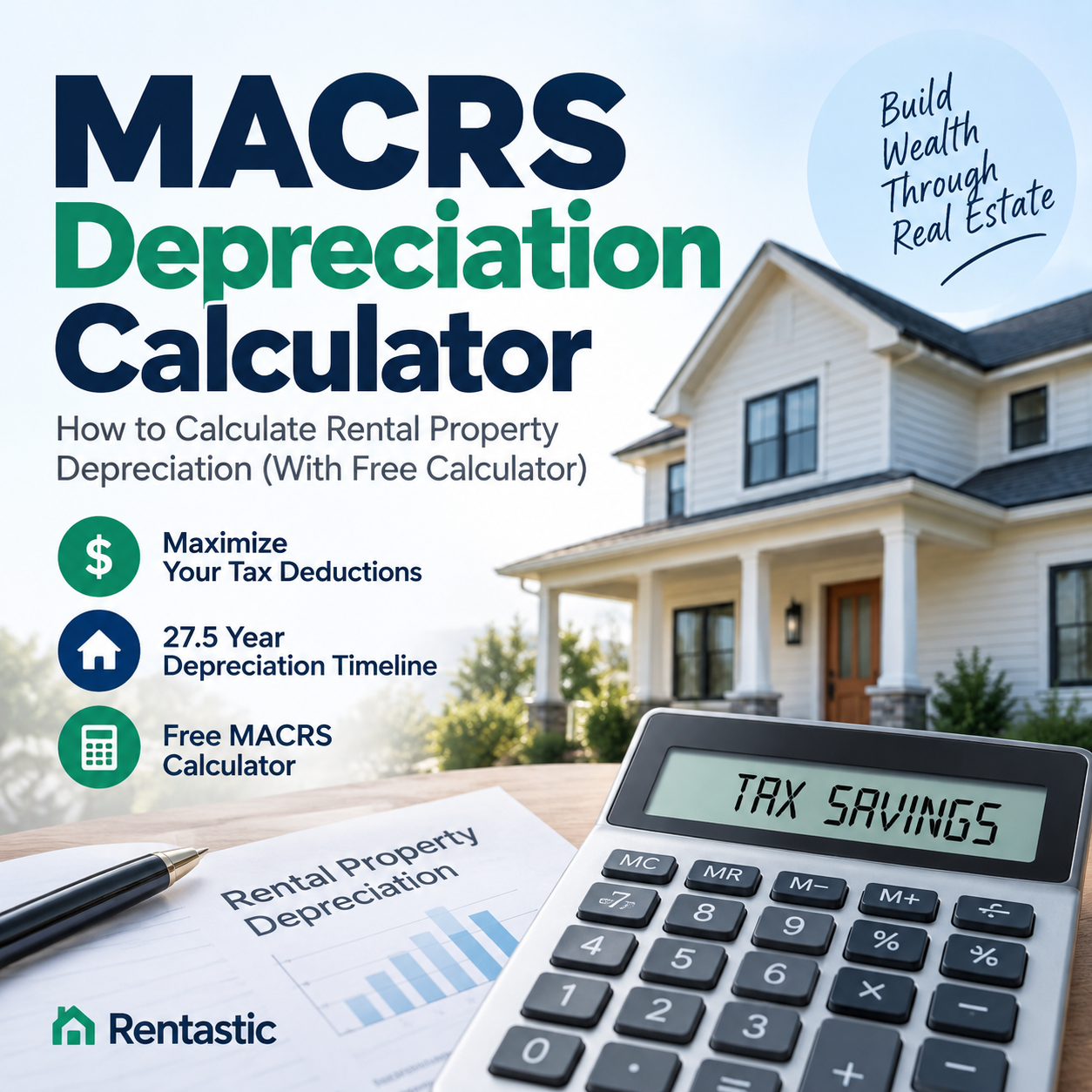
A MACRS depreciation calculator helps real estate investors estimate the annual IRS depreciation deduction for rental properties by spreading the building’s cost basis over 27.5 years.


RECENT POSTS


© 2025 Rentastic
Rentastic is registered as a trademark. Terms and conditions, features, support, pricing, and service options subject to change without notice.

